Seattle's Winding Path 20 Years into Its Global Climate Commitment
With Seattle's stated goal of cutting emissions by 58% by 2030 increasingly improbable after two decades of half-hearted measures, the City is revamping its climate action plan.
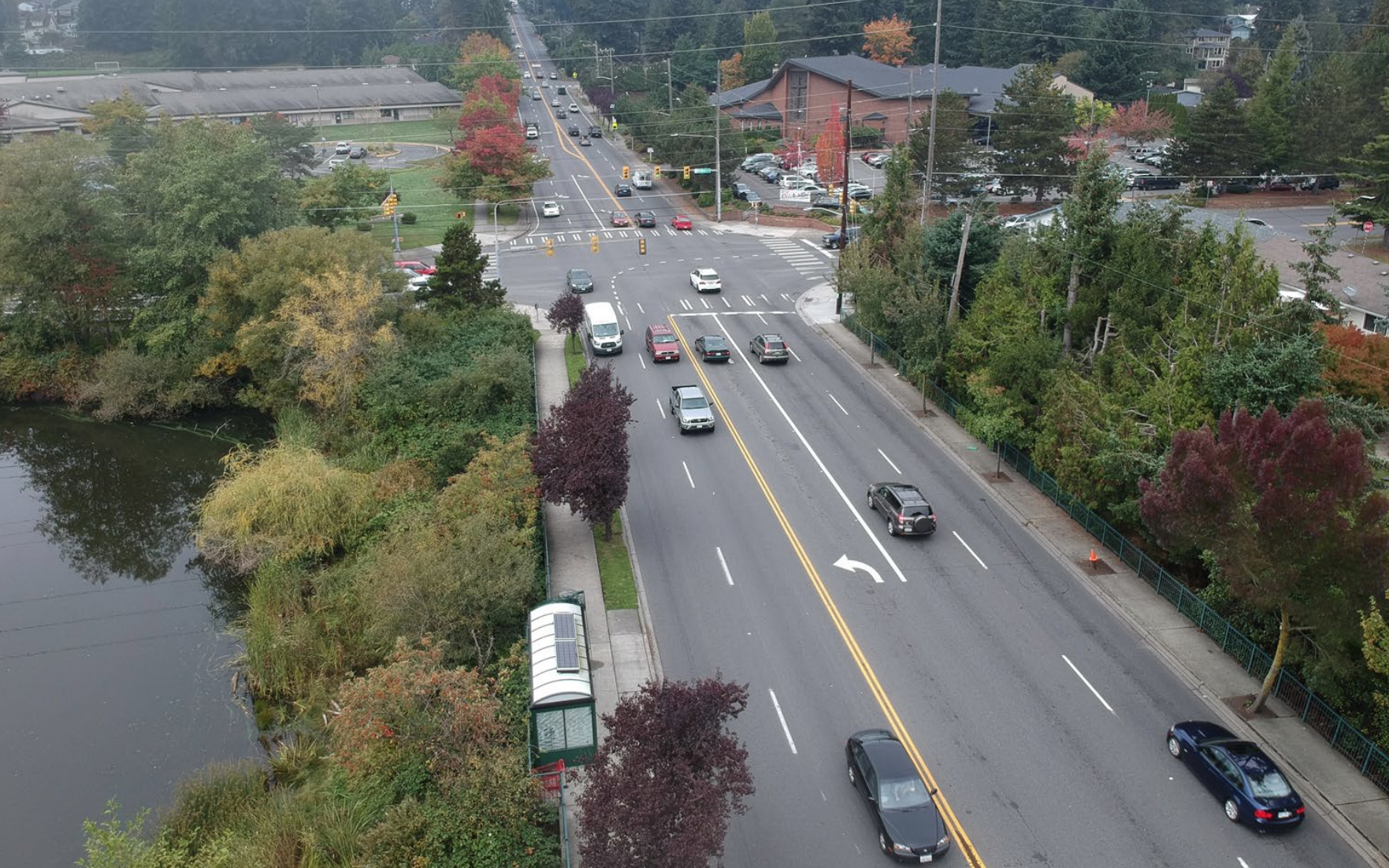
Lake City, Capitol Hill, Georgetown, and South Park will see upgrades intended to decrease air pollution and boost transit, walking, and biking, via $8 million in transportation levy funding. So far, proposals are still high level, with plans being developed over the rest of 2026.
A Sightline Institute study quantified the impact of growing up, not sprawling out, estimating that the Seattle metro area’s slightly less-sprawling growth since 2000 was keeping 1 million tons of greenhouse gases out of the atmosphere every year, compared with what Seattleites would have been emitt
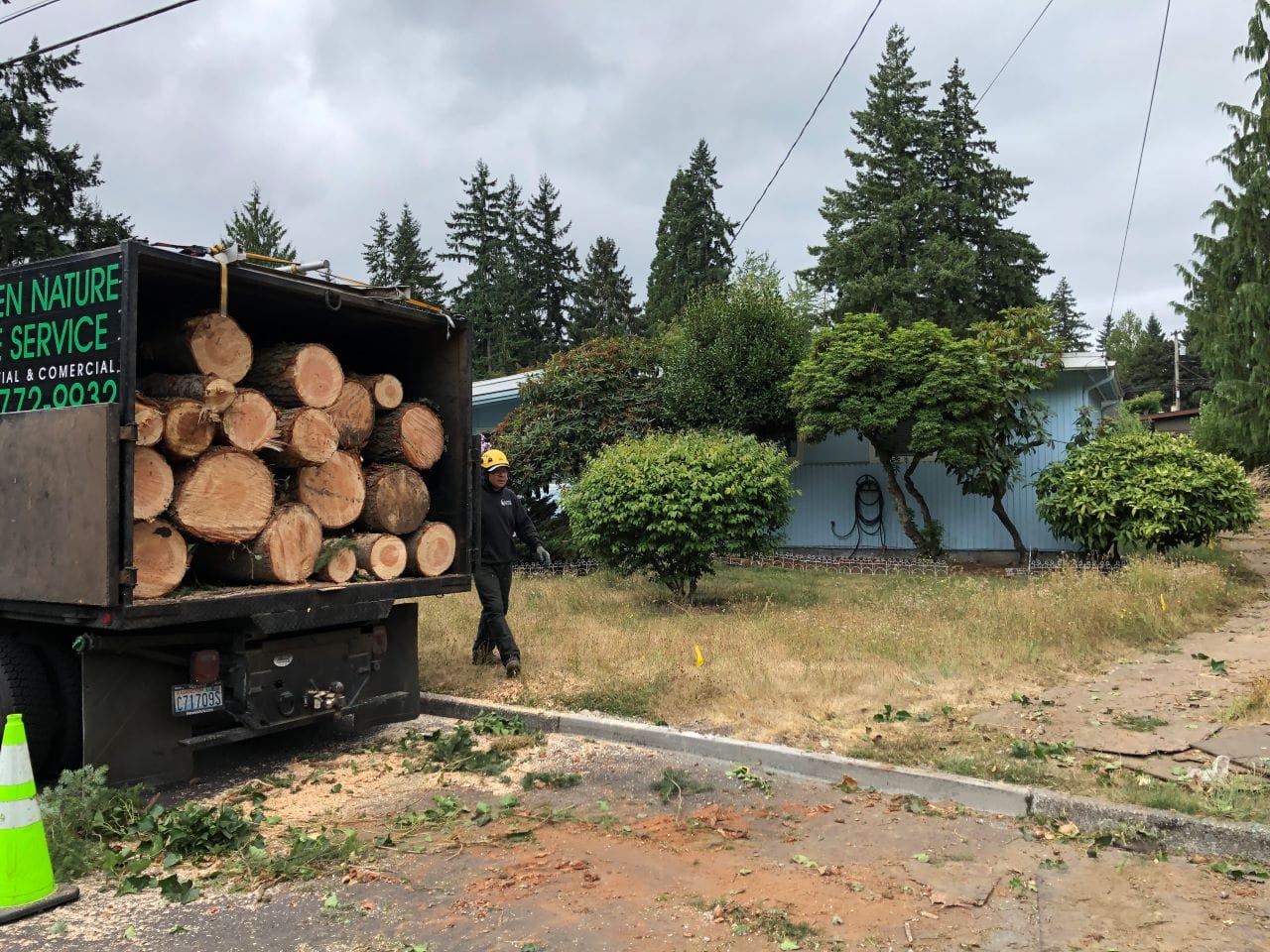
The proposed state House operating budget would zero out the Washington State Urban and Community Forestry program, which cities across the state rely on to leverage federal dollars for trees. The effects of those cuts could be wide-reaching.
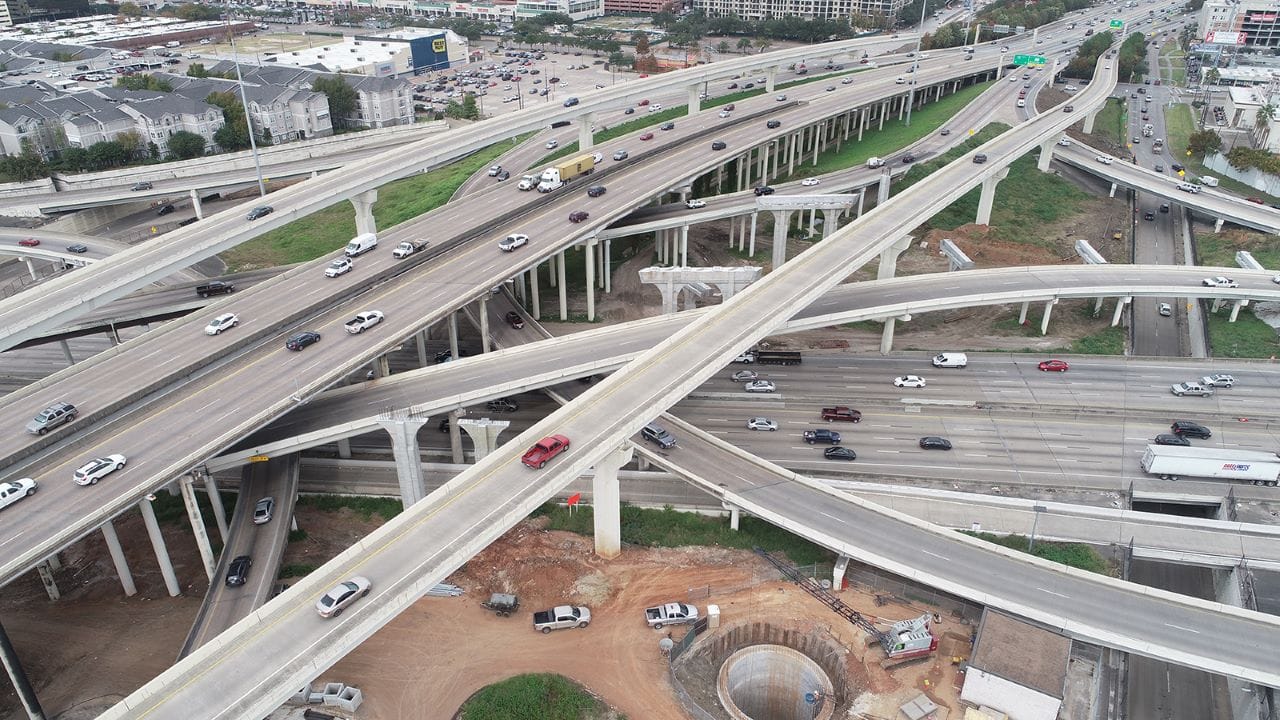
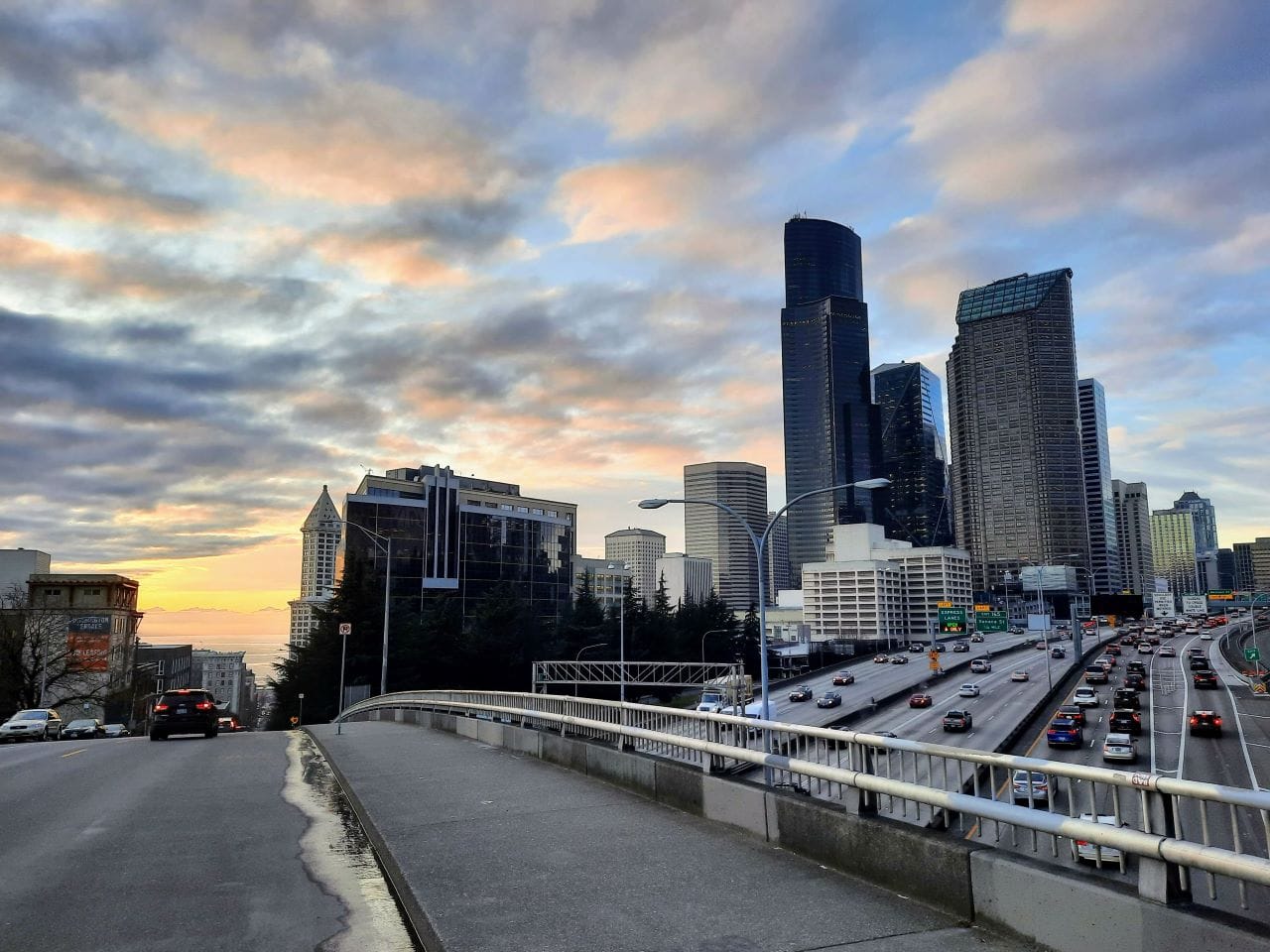
Cities must commit to downsizing their highway networks if they intend to meet climate and livability goals and expand housing in a healthy and equitable manner. Seattle must lead the way.
The Seattle City Council is proposing to scale back the range of construction projects required to get project-level State Environmental Policy Act (SEPA) review in a bid to boost homebuilding. The proposal will go to full council on February 10.
Birds Connect Seattle, Thornton Creek Alliance, and the Orca Conservancy are among the groups trying to send the City of Seattle back to the drawing board on its housing growth plan. They’re pushing on behalf of an appeal that has been working its way through the courts since April.
Seattle renters are largely locked out of cost-saving and comfort-improving clean energy appliances, like heat pumps, induction stoves, and solar panels. Sightline’s Emily Moore argues that newly inaugurated Mayor Katie Wilson could help change that, in part because Seattle owns its own electric uti
Over $500 million in funding that likely would have been allocated to sustainable transportation and clean energy programs will instead be used to backfill an existing tax credit under Washington Governor Bob Ferguson’s budget package. The proposal is drawing fire from climate advocacy groups.
The $64 million sale of the hotly contested Talaris property in Laurelhurst surprised housing advocates who had long been fighting sprawl and pushing for a more forward-thinking urban vision. But with considerable roadblocks to redevelopment still in place, Talaris’s future remains uncertain.
Uytae Lee of About Here ticks through the design entrants at a recent mass timber architecture competition, showcasing the vast architectural diversity possible with the eco-friendly construction method.
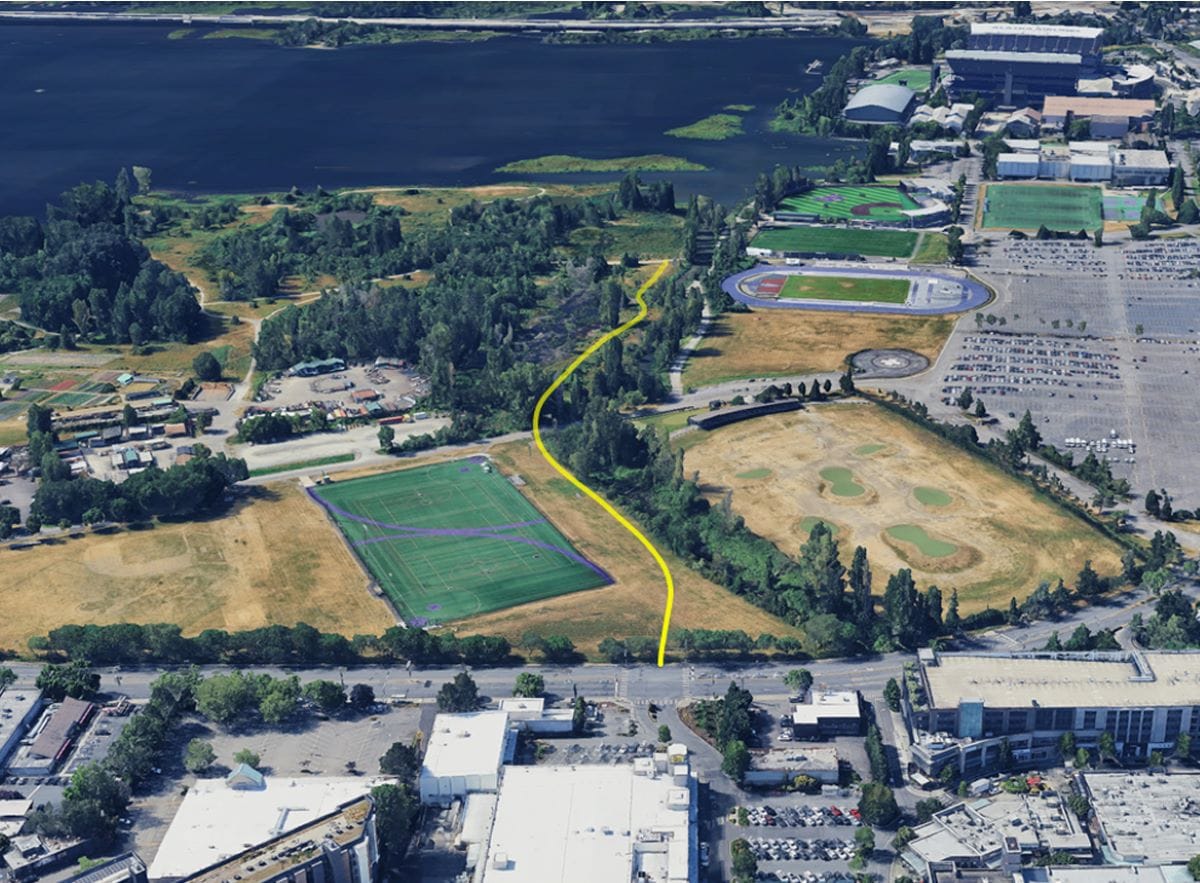
The Union Bay Natual Area is 74 acres of public open space with miles of trails, but the University of Washington has rebuffed advocates pushing to remove a fence and add a trail to improve access. Here’s why they should reconsider.
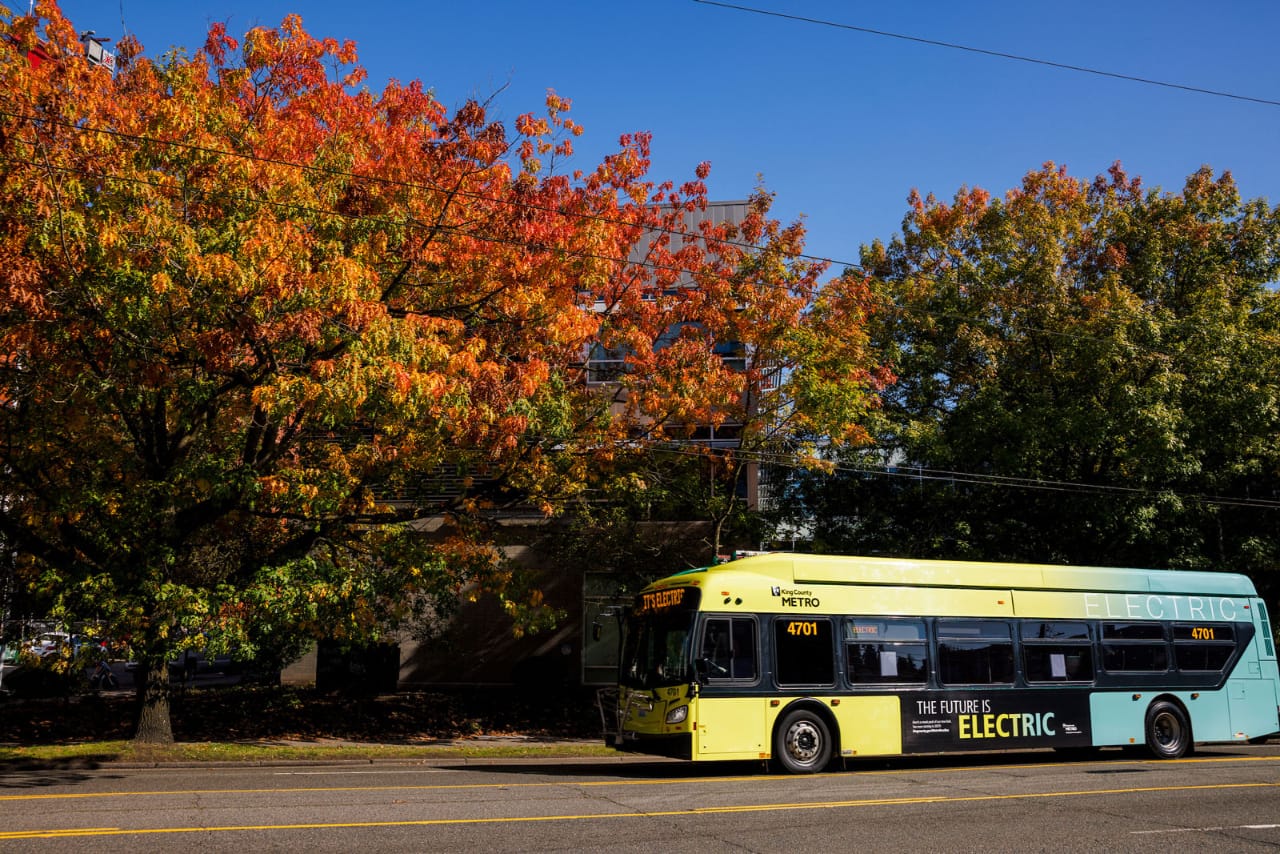
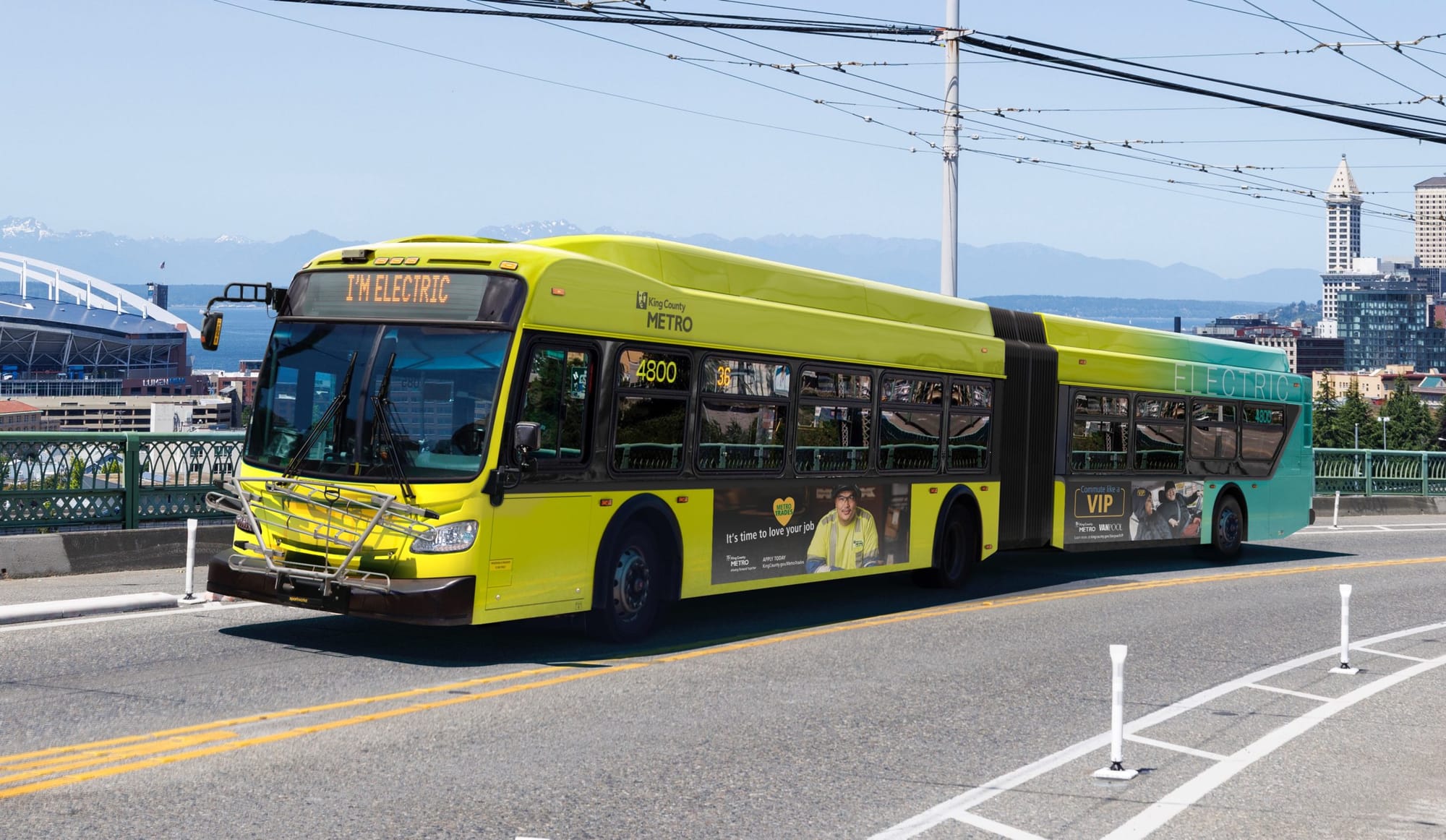
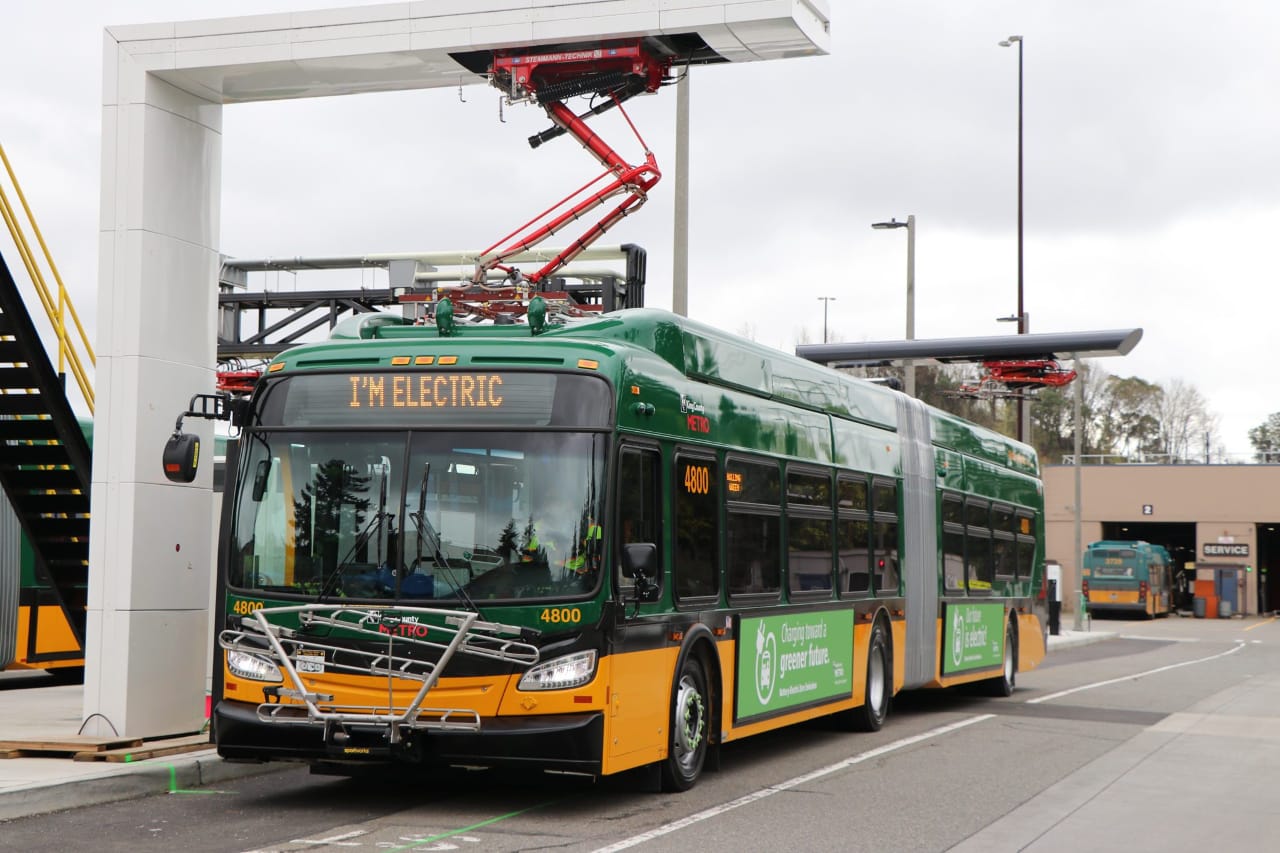
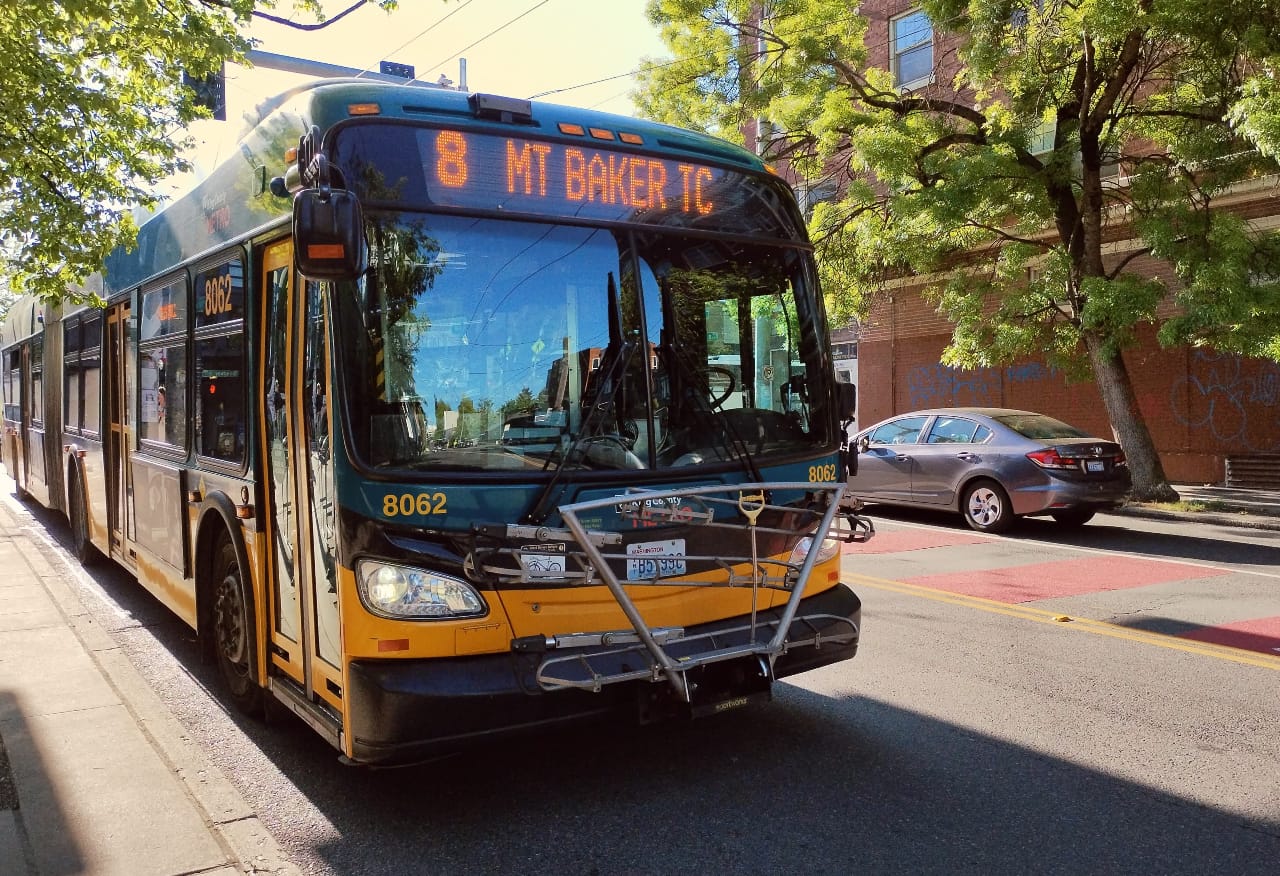
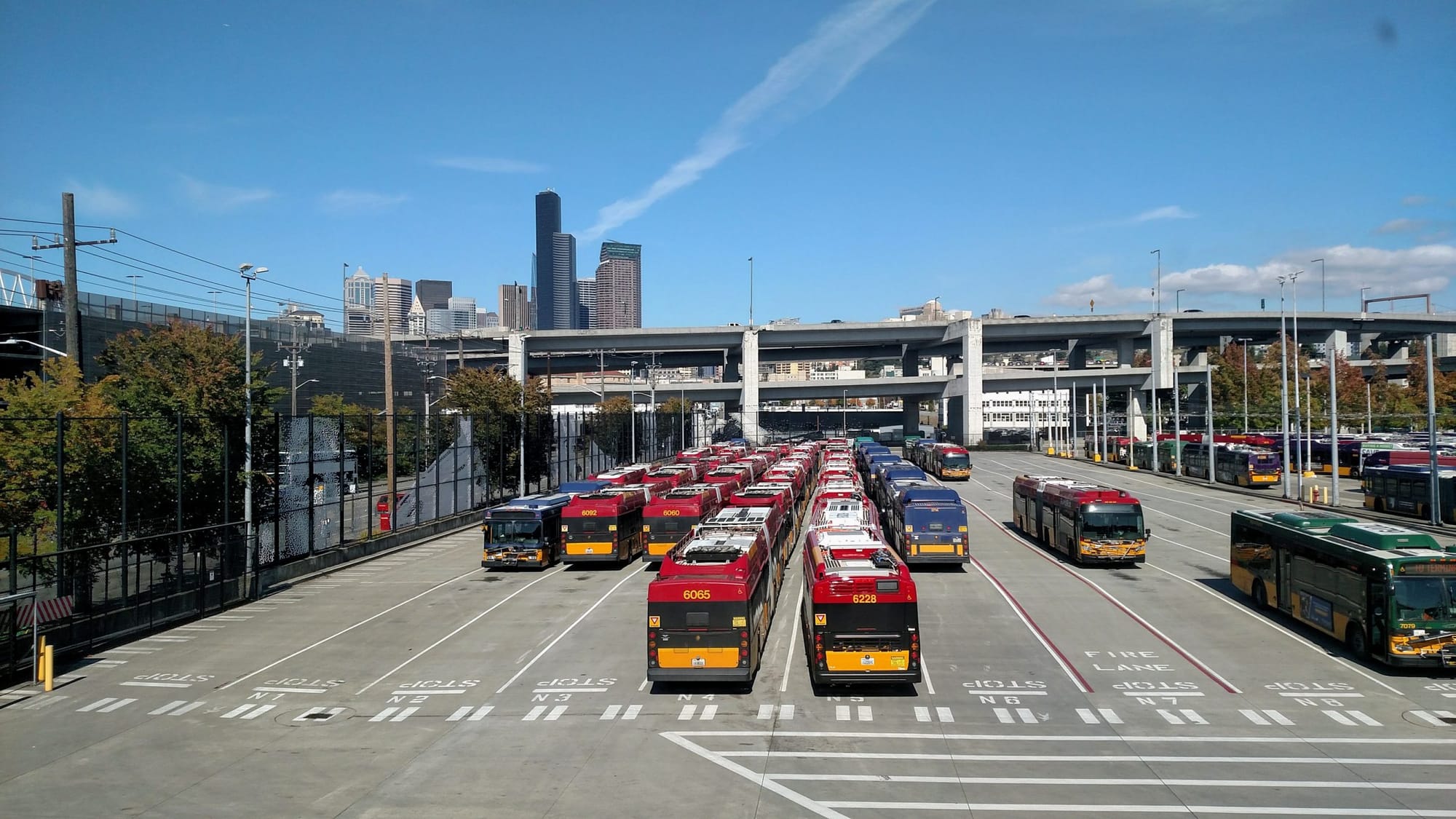
Pivoting away from full-scale bus base retrofits that go all-in on battery electric buses means that Metro won’t face a fiscal cliff until the early 2030s, according to budget writers. Metro’s General Manager also framed the move as one that helps to preserve core bus services.
The Seattle Department of Transportation is eyeing seven neighborhoods with high rates of pollution, low car ownership rates, and high collision intersections, such as South Park, Lake City, and Capitol Hill, for its low-pollution pilot program. The list will ultimately be whittled down to three pro
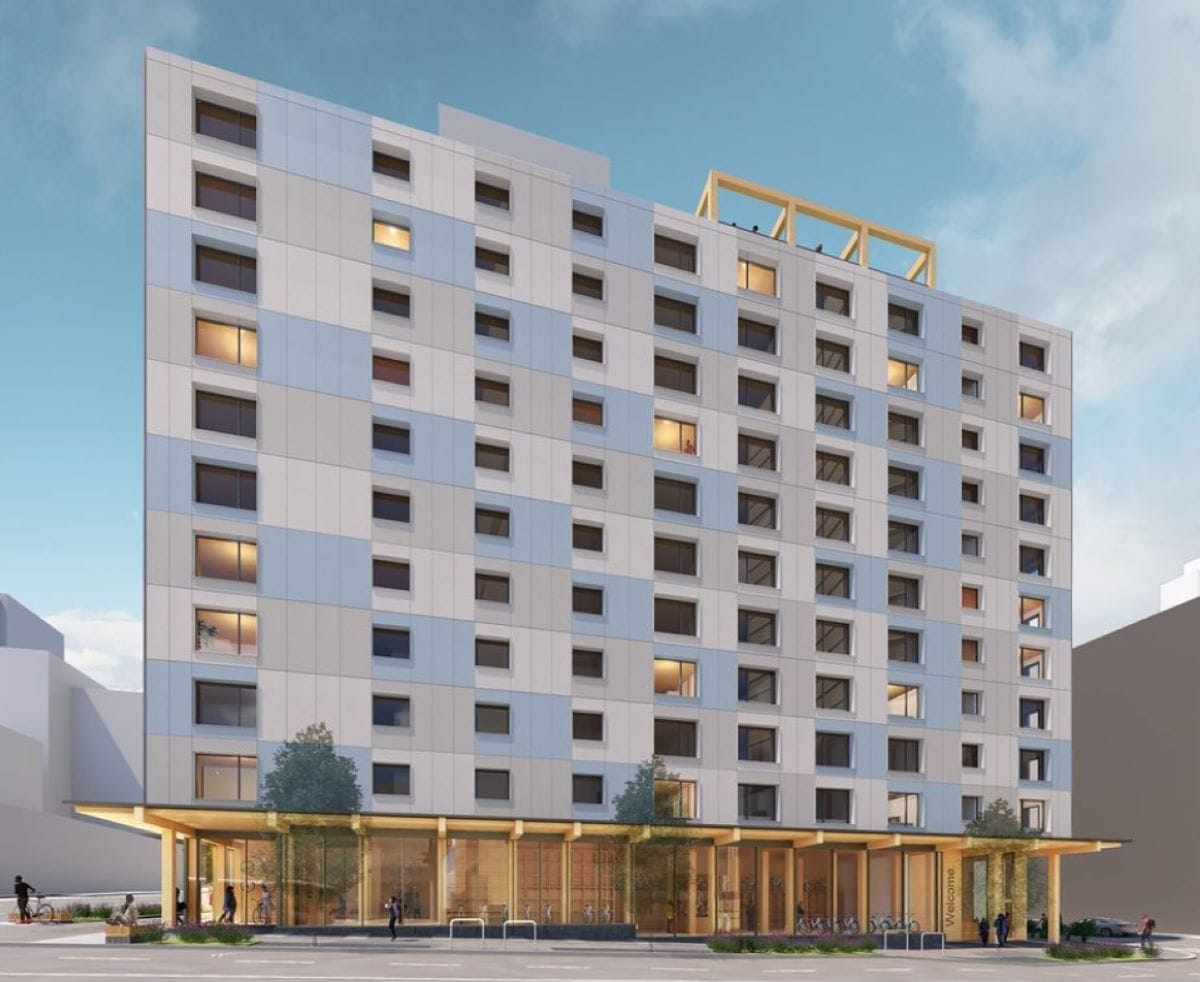
With a mandate to design its buildings for an ambitious green housing standard called “Passive House” while maintaining affordability, Seattle’s newly funded social housing authority has an important point to prove.
Parking reform has become a national movement, aimed at reducing housing costs. With a nudge from state law, Shoreline joins the trend to support urban development and a shift toward greener transportation options.
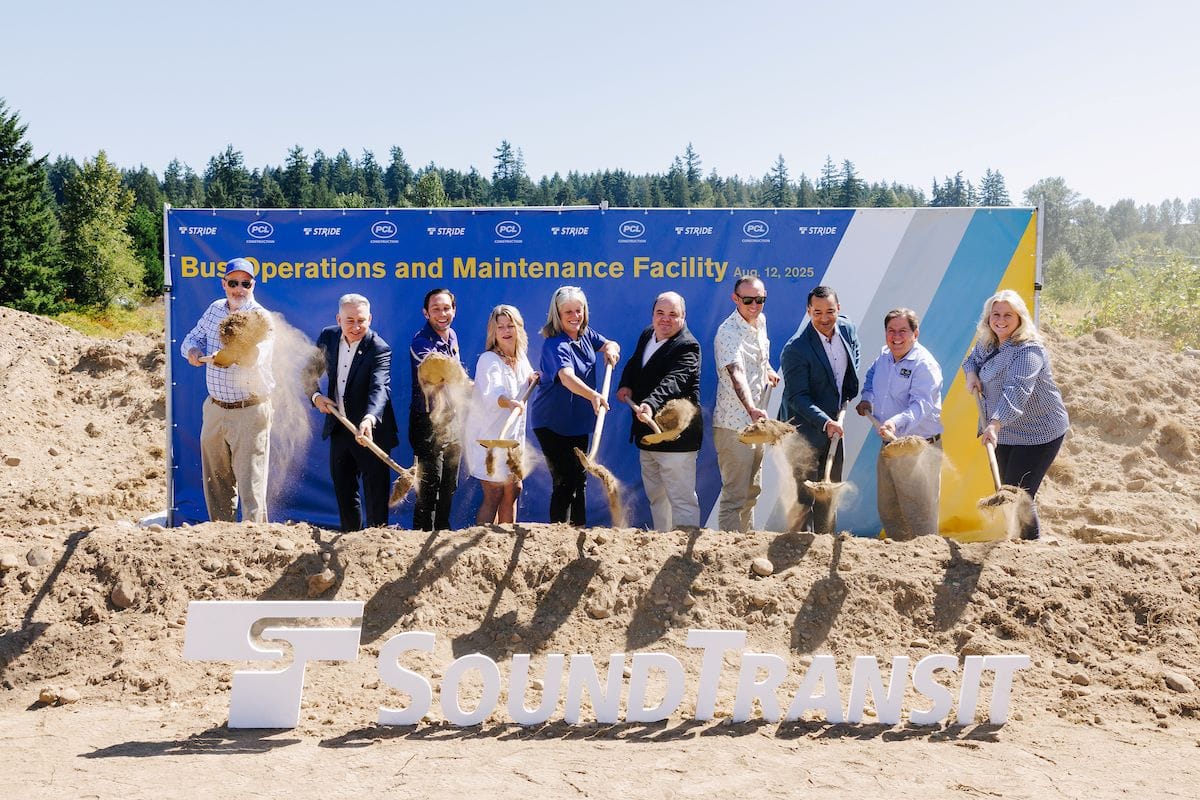
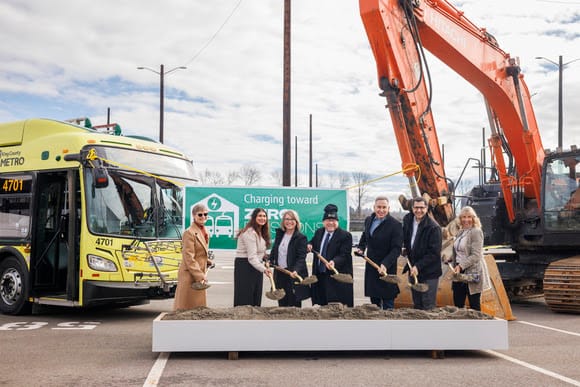
This week, Sound Transit broke ground on a $274 million base in Bothell vital to the region’s Stride bus rapid transit plans. The base will support battery electric buses for the S1, S2, and S3 lines, which together compose 45 miles of service spanning from Lynnwood to Burien.
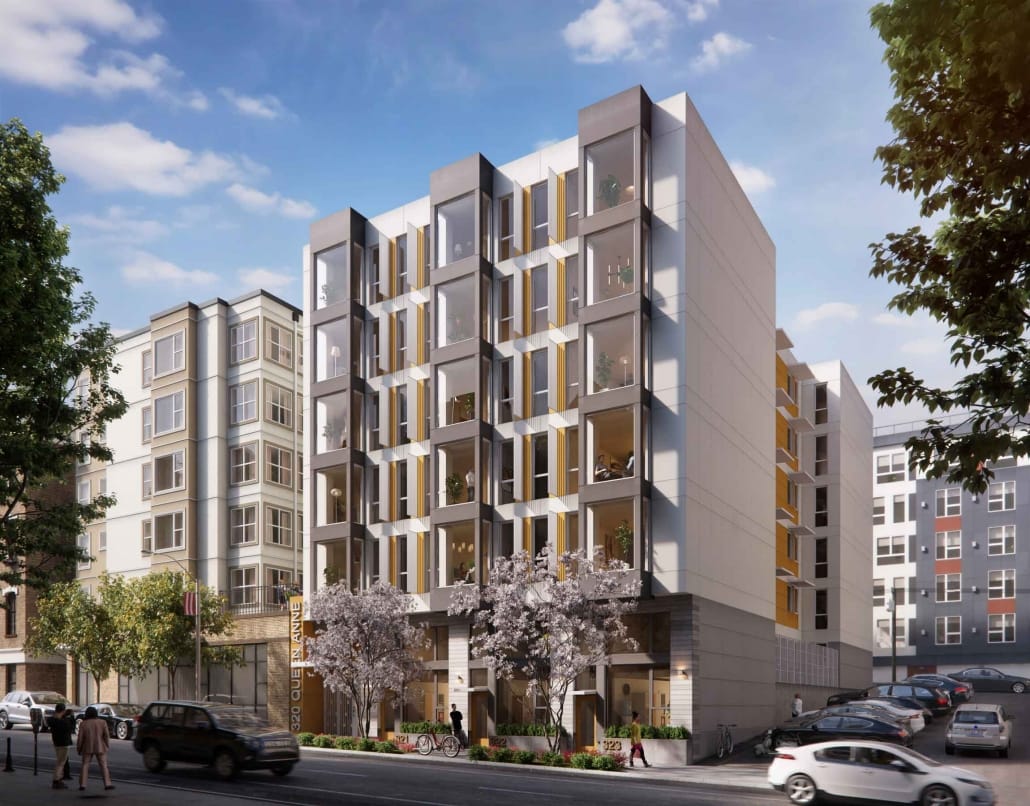
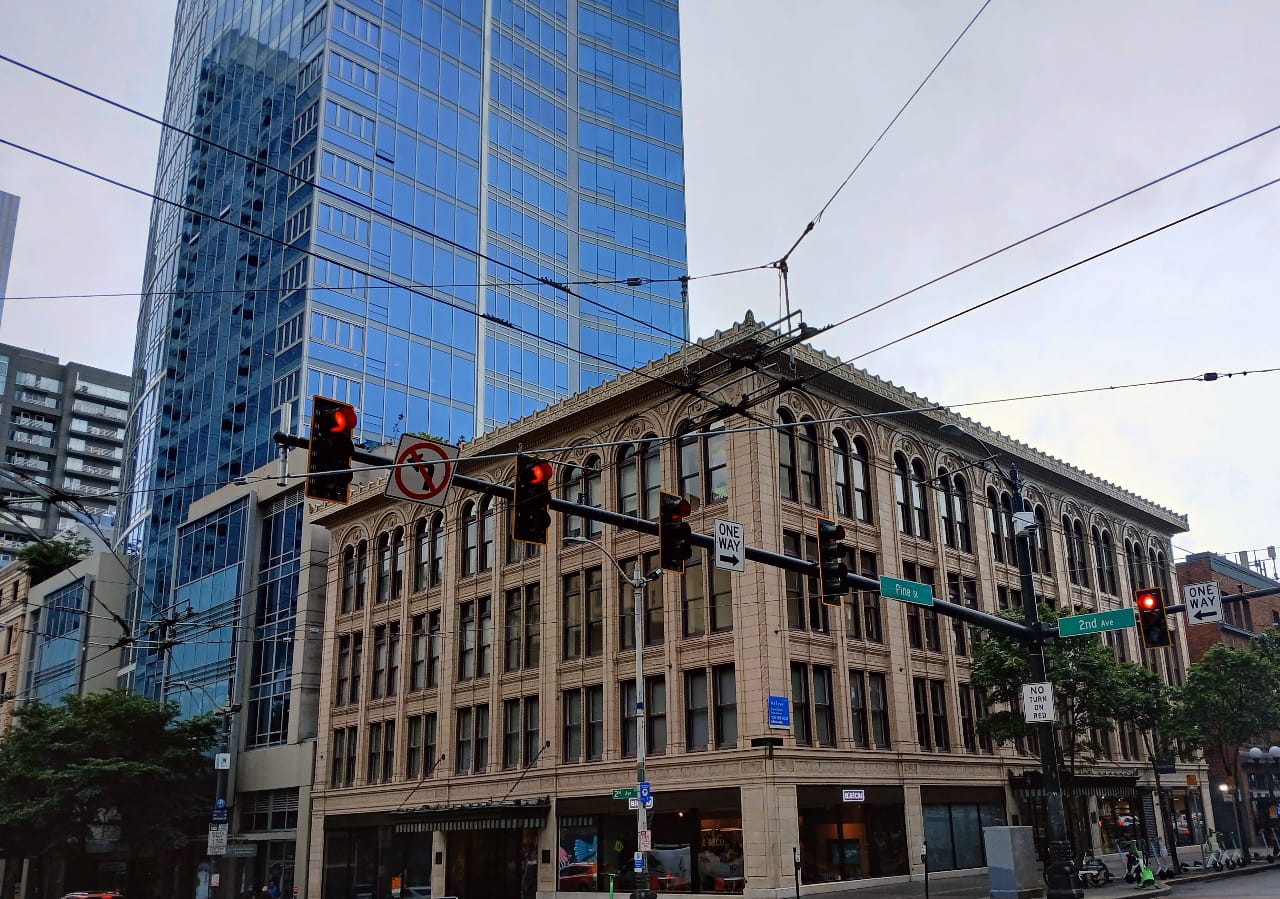
Clark/Barnes architects want to transform a landmarked office building at Second Avenue and Pine Street into housing, adding 12 additional stories of mass timber construction to accommodate more homes. The innovative project is meeting significant opposition from nearby residents and historic preser
Washingtonians in the market for a new e-bike can qualify for the chance to snag a $300 or $1,200 instant rebate starting Wednesday. The state will distribute about 10,000 rebates via a lottery system following a two-week sign up period that ends April 23.
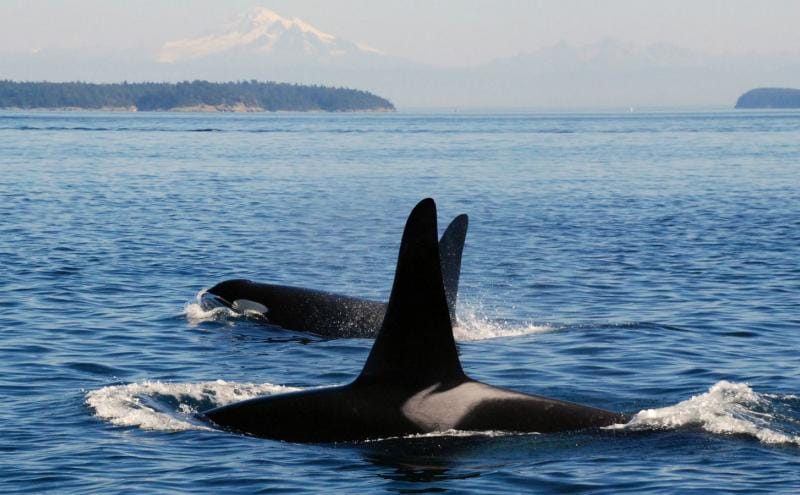
Cars and sprawl that are the true problem as the Puget Sound region seeks to boost salmon runs and protect salmon-eating orca whales. Building more homes in Seattle is the way to curb sprawl.
Architect Michael Eliason shares his blueprint for a greener Seattle with more abundant and affordable housing. The vision goes beyond townhomes to stacked flats amidst ample tree canopy.
The six appeals against the One Seattle housing plan had been headed toward a lengthy hearing later this spring. But a filing by the City seeks to dismiss the appeals much more quickly, allowing the plan to move forward.
County Executive Dow Constantine says Metro has made the right choices when it comes to balancing service expansion needs with transitioning the fleet toward climate-friendly electric alternatives, even as the agency faces significant financial headwinds in the years to come.
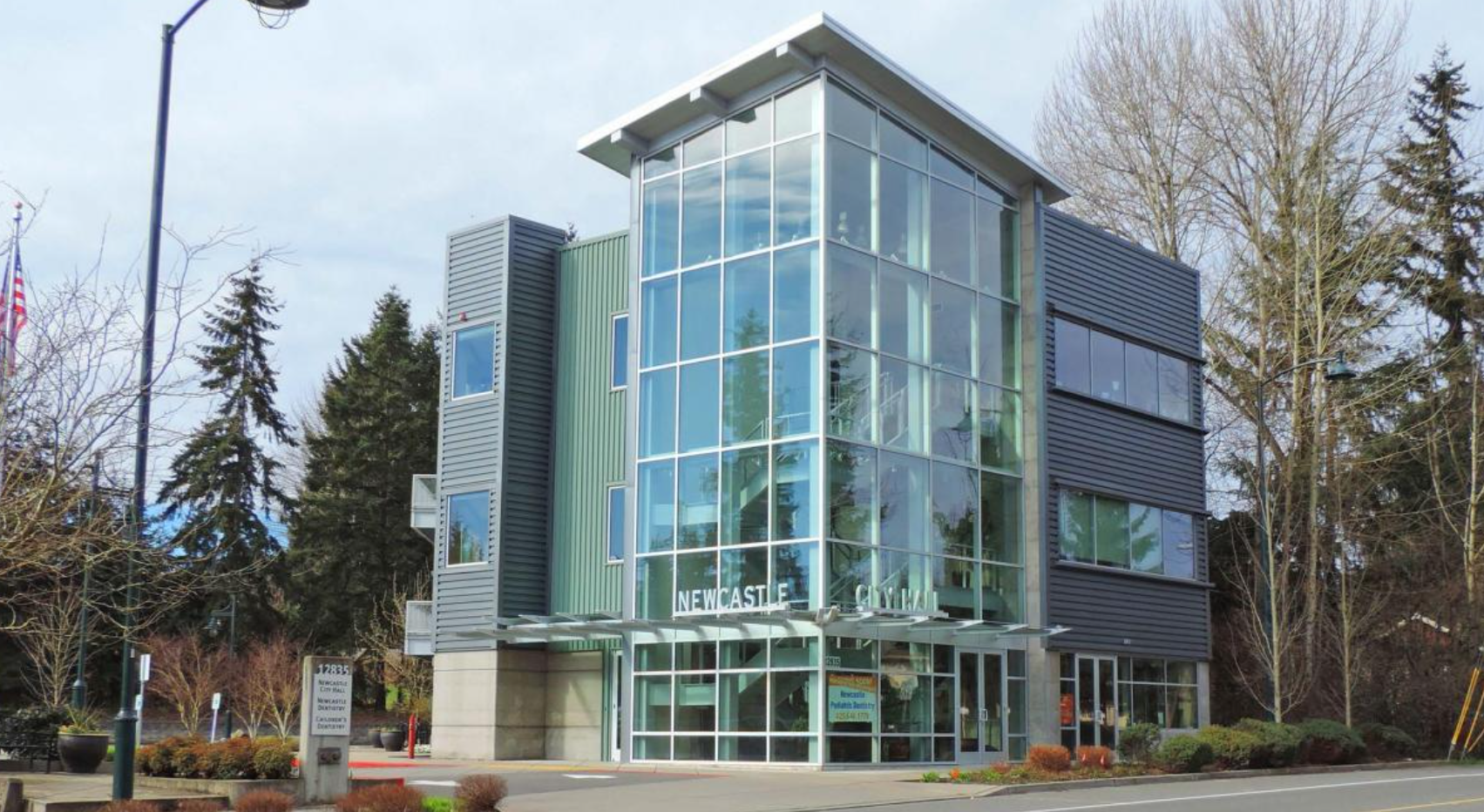
Newcastle Mayor Robert Clark pushed to remove references to promoting racial and social equity as “vague,” “subjective,” and “irrelevant,” and called climate change “subjective.” Many of his recommendations were adopted by the Newcastle Planning Commission.
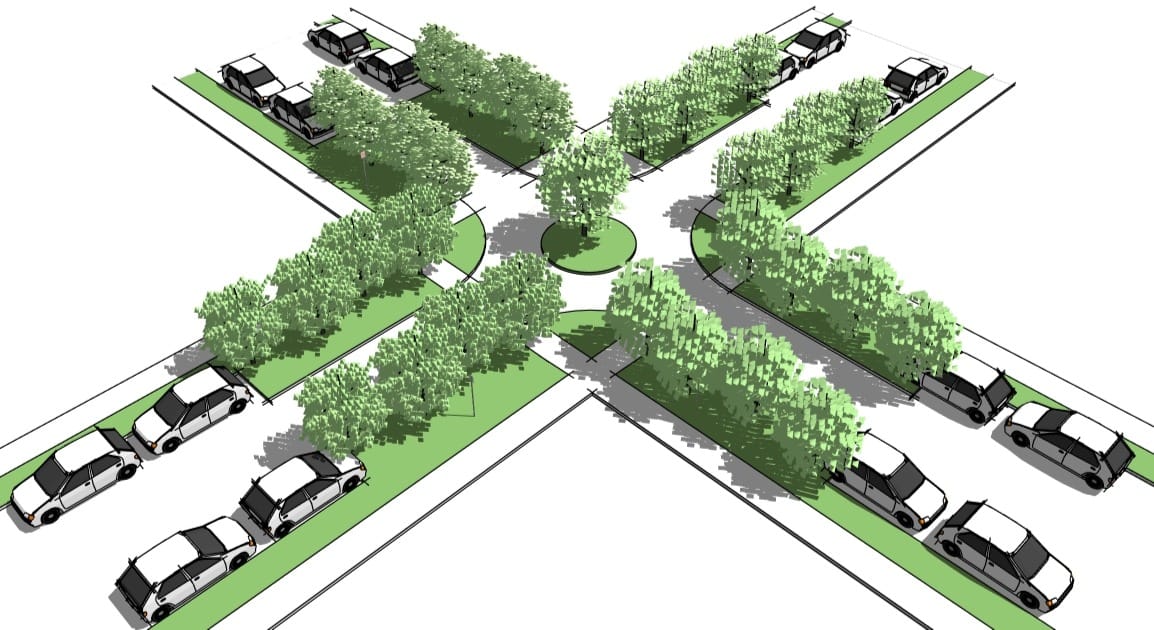
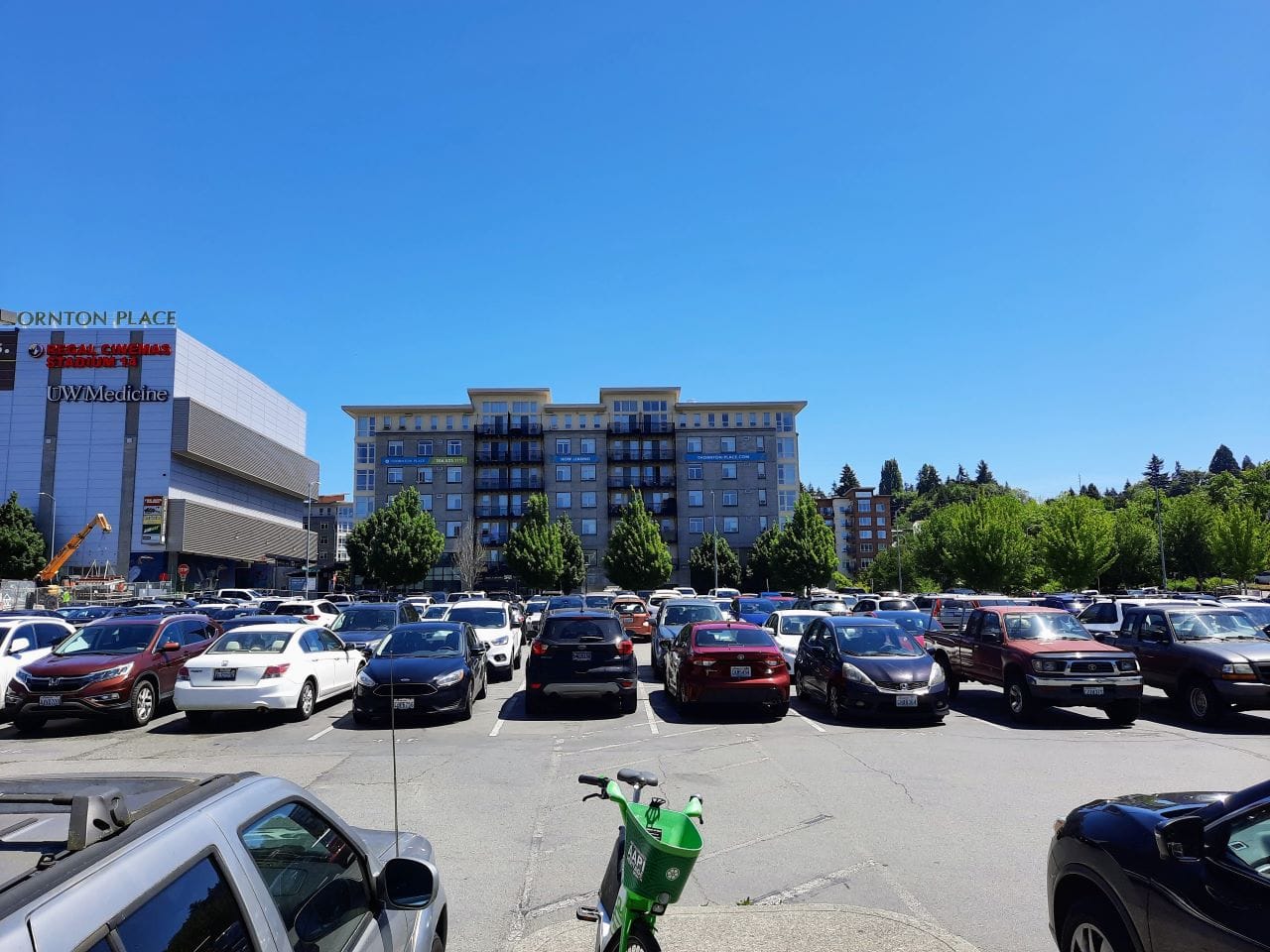
Seattle could meet its 30% tree canopy goal much quicker by converting a quarter of its 500,000 on-street parking spaces. The paving to planting conversion would convey many benefits, cooling neighborhoods and absorbing runoff.
In this video, CityNerd’s Ray Delahanty digs into the public health effects of freeways. Pollution impacts fall most heavily on people who live near freeways.
The rents and temps are too damn high. Seattle’s social housing developer can help — with Prop 1A funding. Vote yes on Prop 1A by February 11.
A new report shows most states continue to funnel money toward highway expansion, locking in climate pollution, despite new tools to fund transit and other forms of climate action. This is a losing strategy for both the environment and increasing mobility options.
King County Metro is set to spend hundreds of millions of dollars over the coming years on electrifying its fleet and converting its bus bases, but the question of whether those projects come at the expense of transit service is set to get a closer look thanks to a provision in the county’s 2025 bud
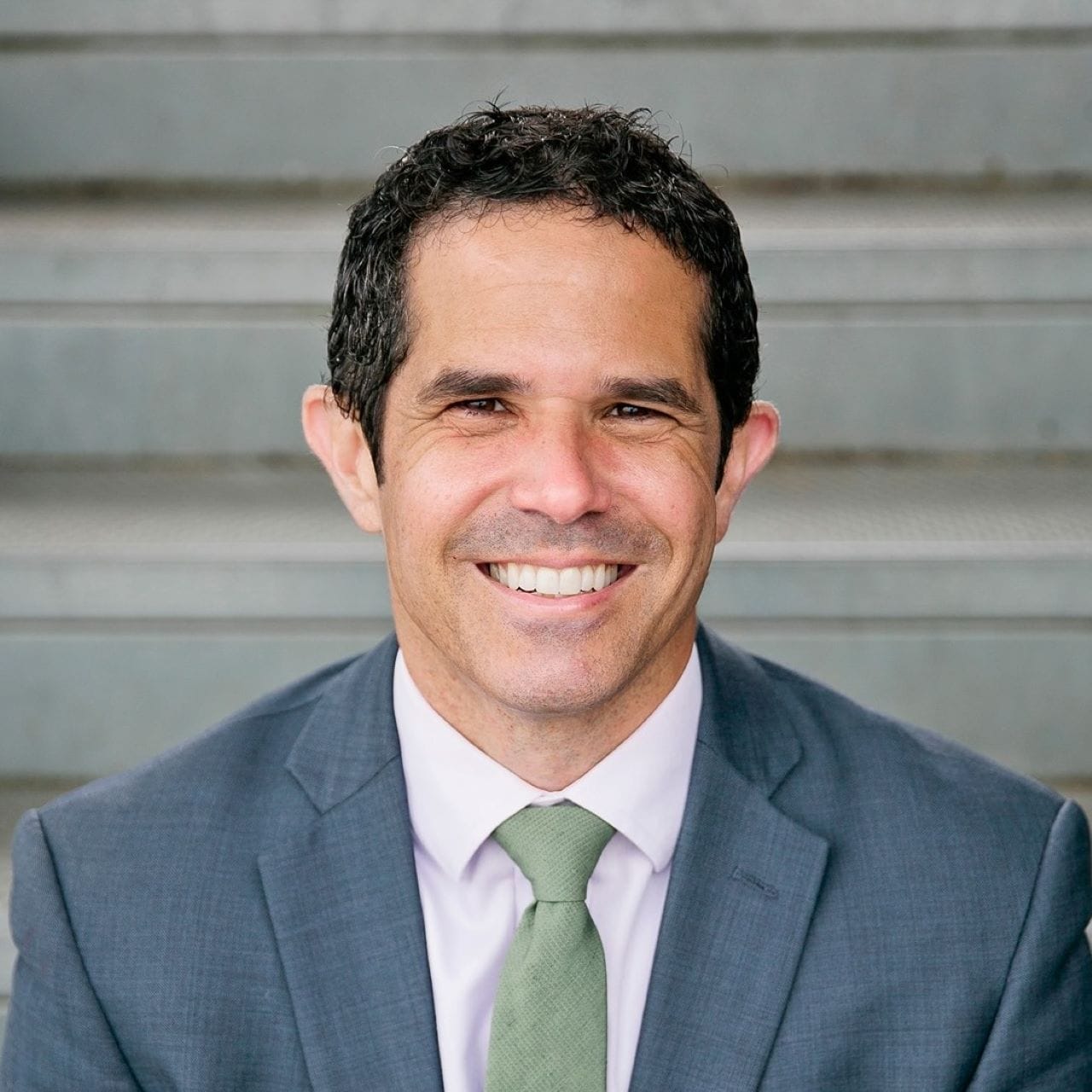
Greening neighborhoods, boosting Pierce Transit funding by 50%, and embracing housing growth are the top three goals Rubén Casas has laid out for Pierce County under Ryan Mello’s progressive leadership.
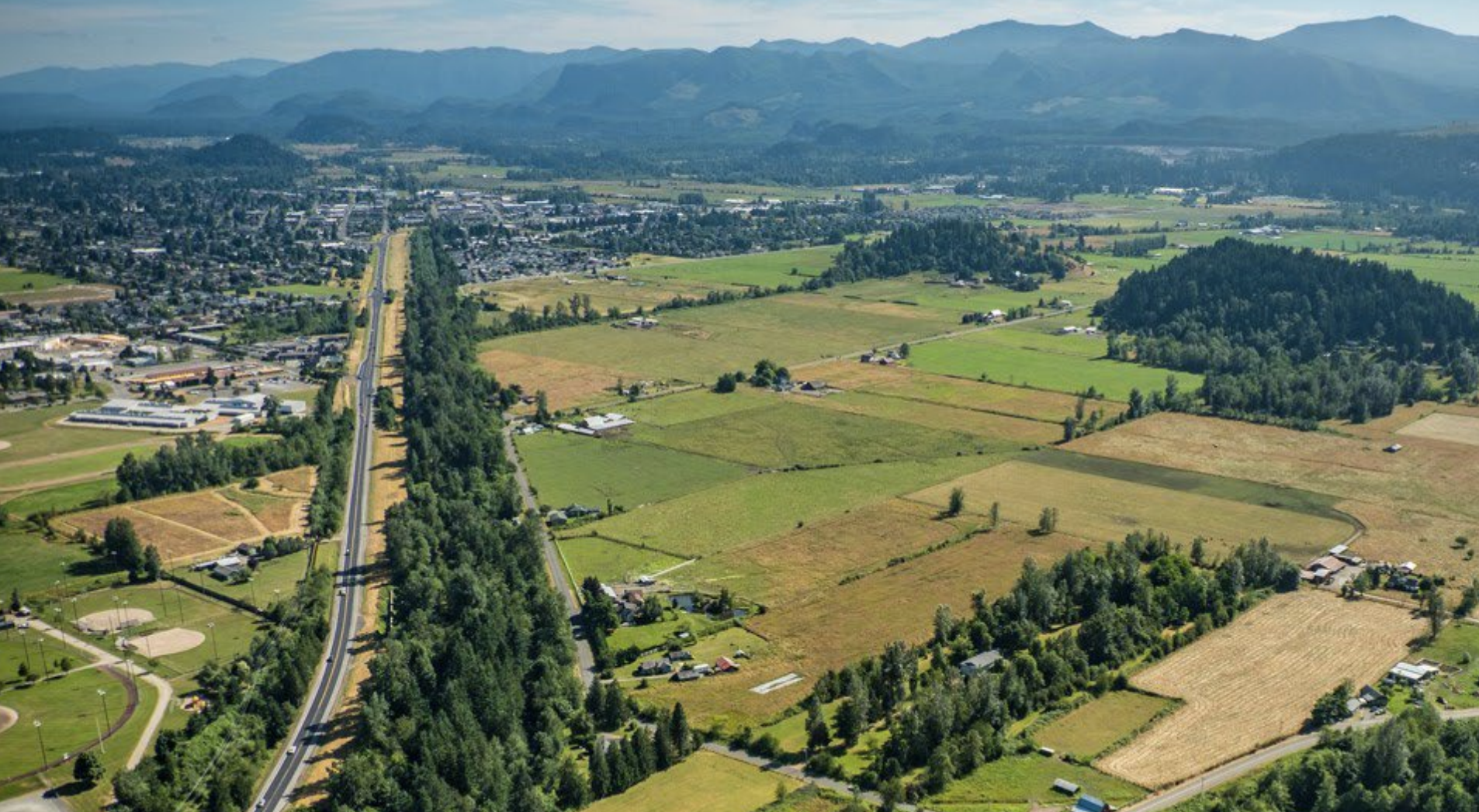
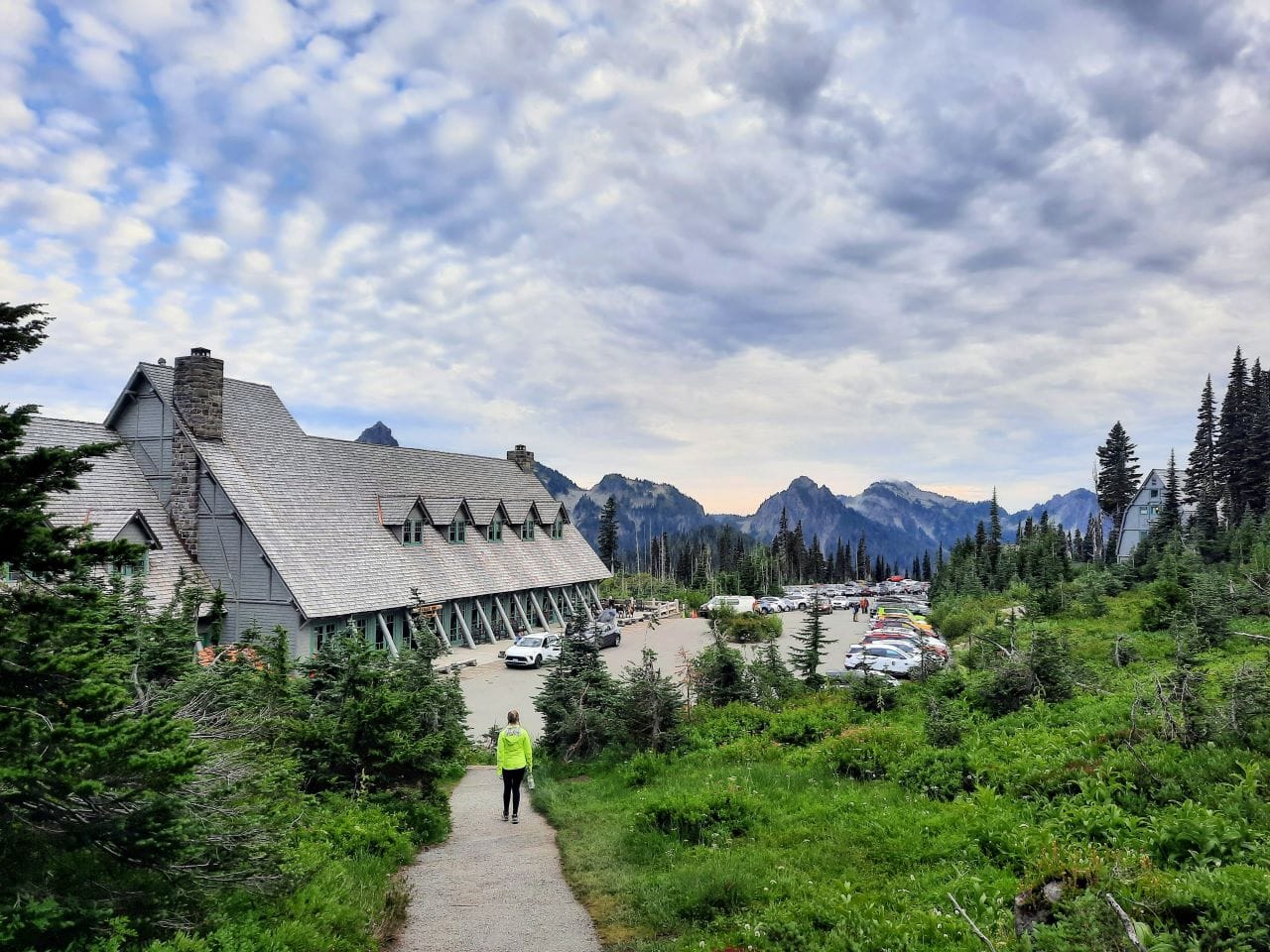
A robust public transit network for Mount Rainier National Park could unlock trailheads and attractions to more visitors, while improving environmental sustainability. Rather than grousing about the park’s timed-entry system, let’s improve access for all.
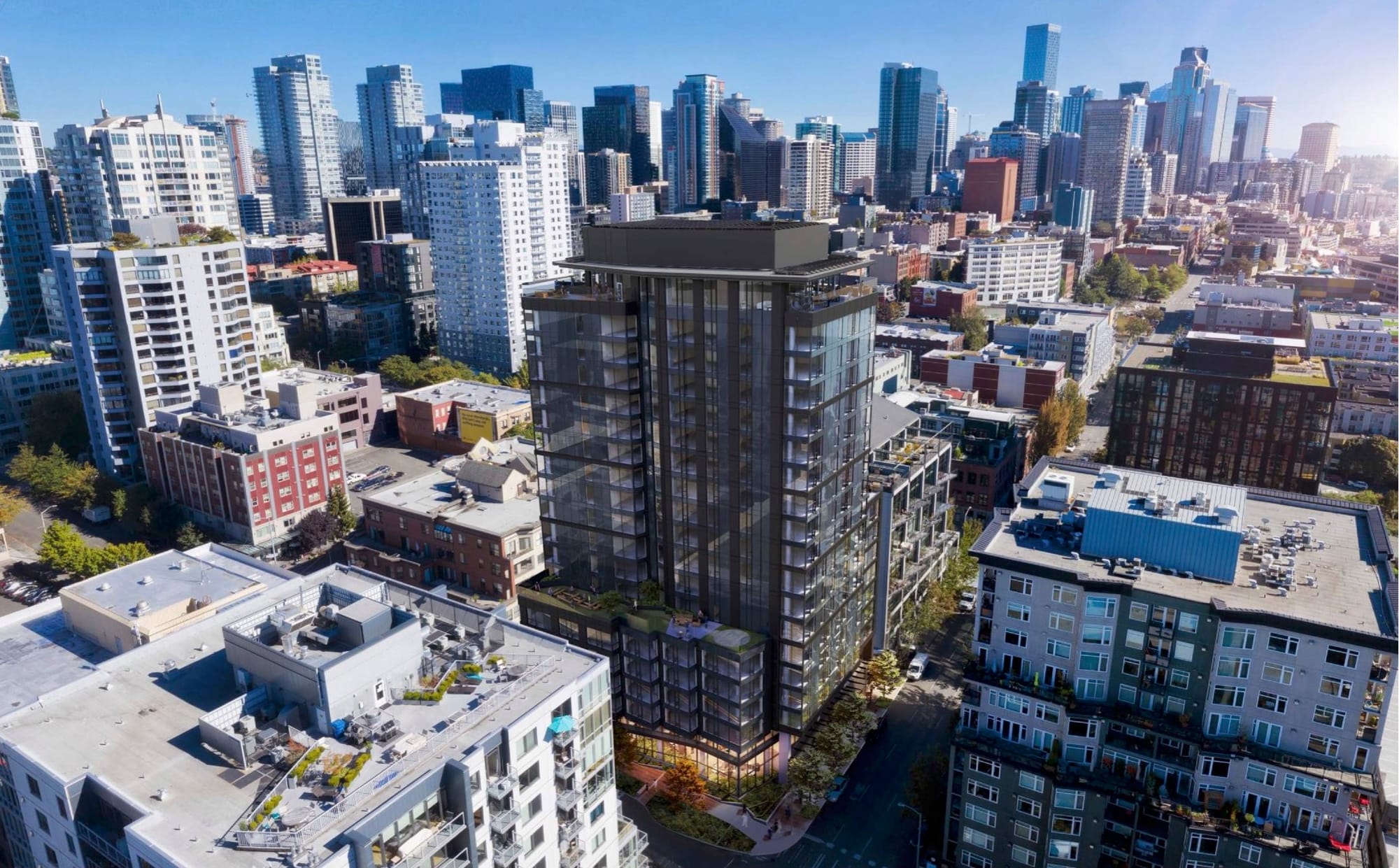
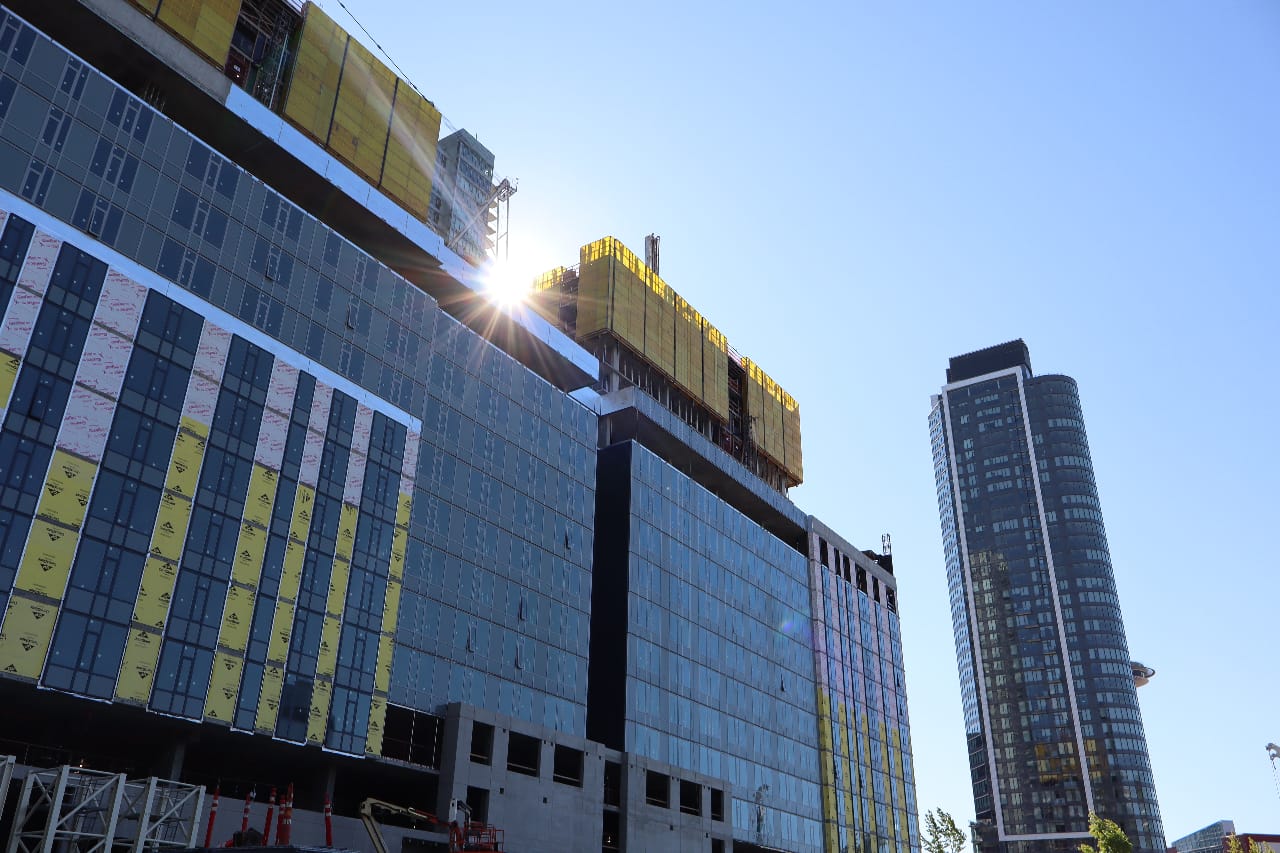
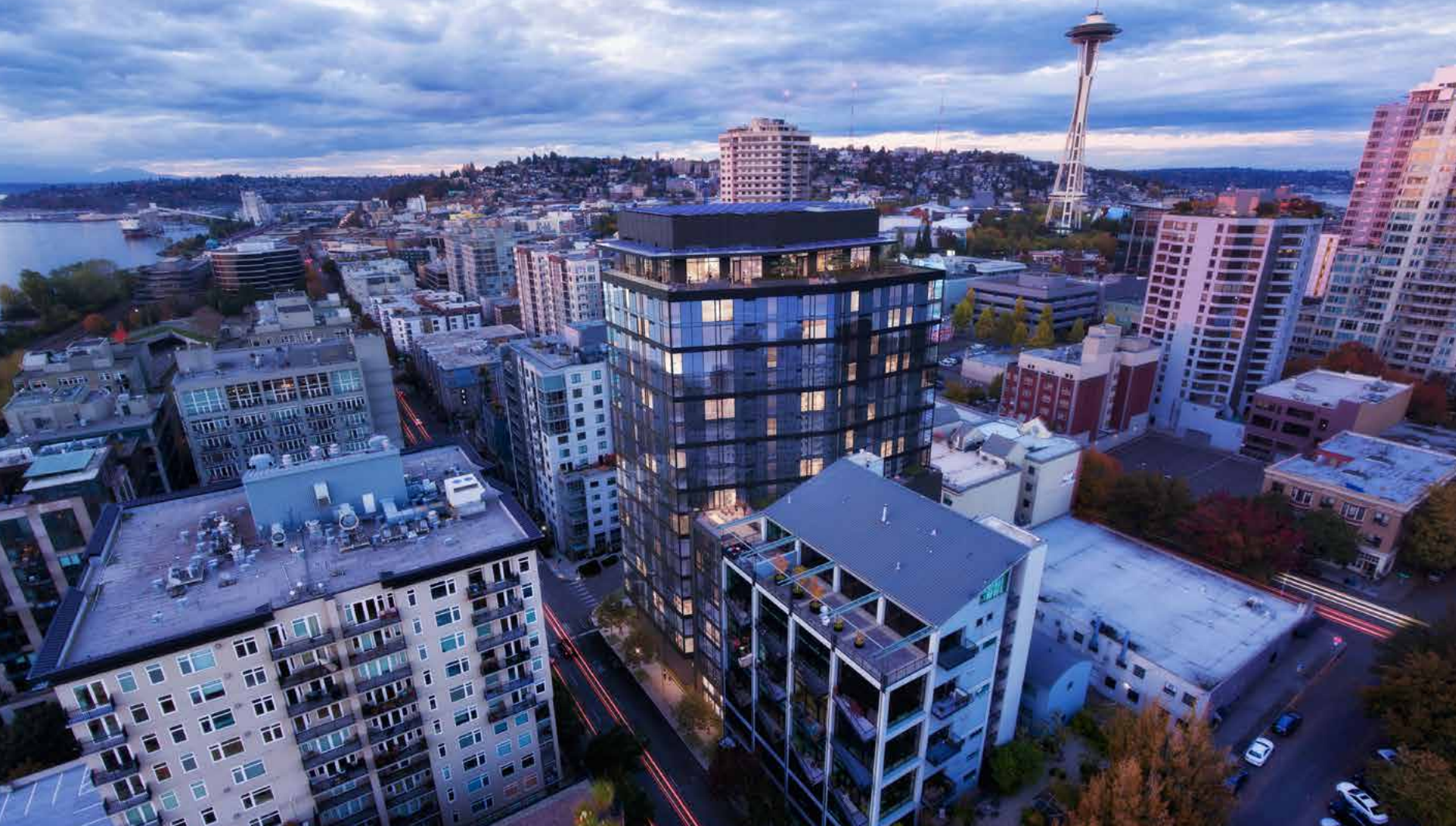
A small tweak to Seattle’s land use code will allow a 182-unit tower to move forward in Belltown after years of appeal. Clearer direction around stacking height incentives like those in the sustainability-focused Living Building program could potentially allow more homes throughout downtown in the c
Urbanist circles differ in how they see autonomous vehicles, particularly as they move toward wider adoption. Some see them being a tool that builds up urban communities and improves safety while others worry that they could have exactly the opposite effect. Jason Slaughter of Not Just Bikes falls into the
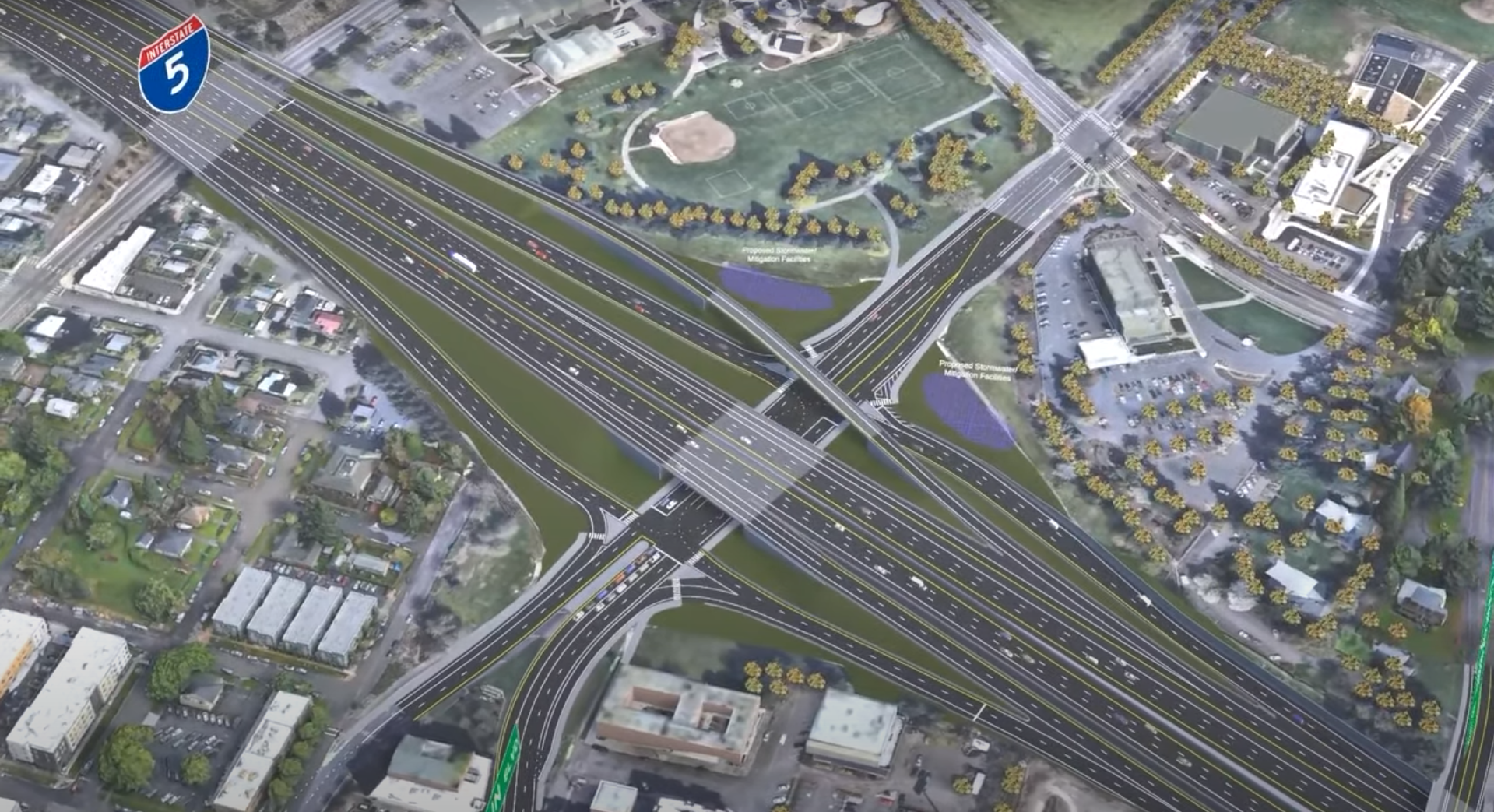
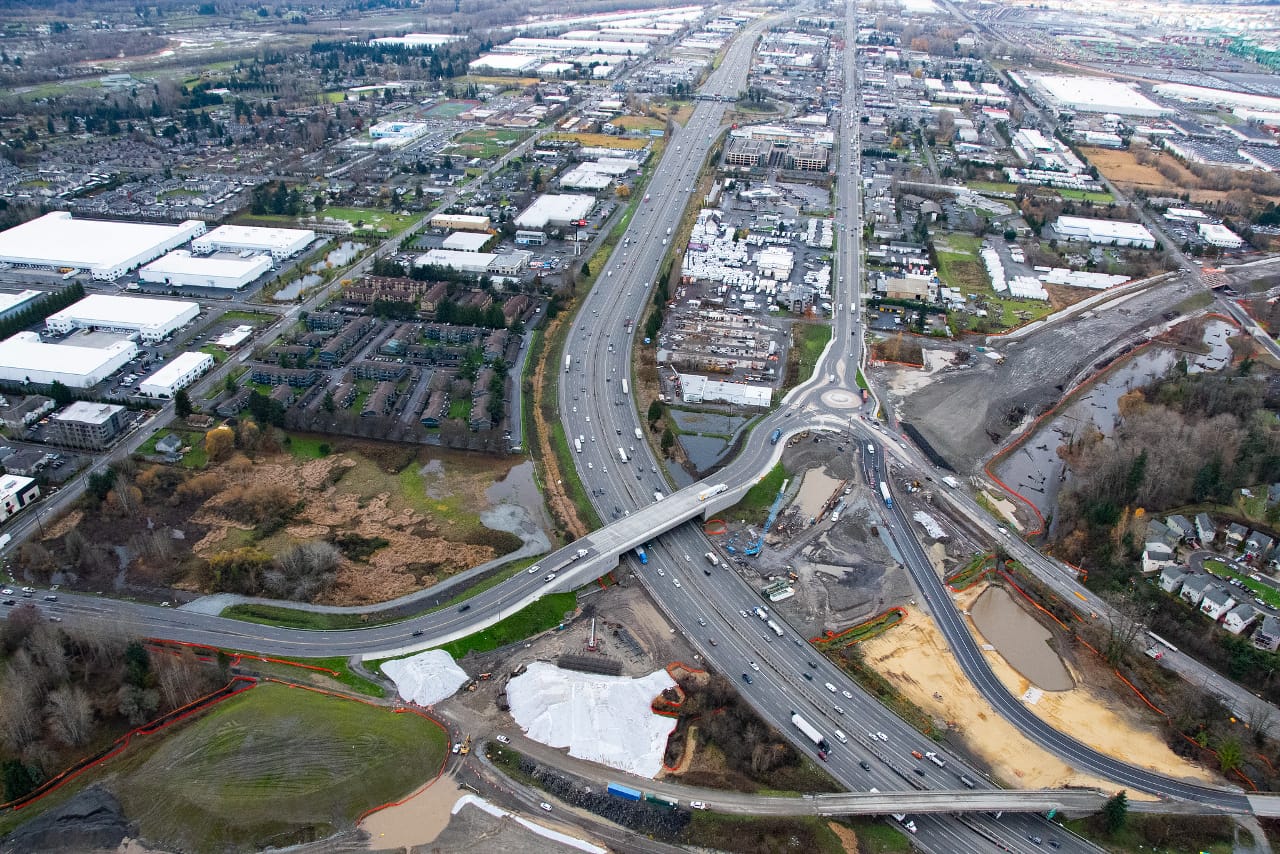
Proponents of a $7.5 billion project to widen I-5 and replace the Columbia River bridge are ignoring induced demand, creating faulty traffic models that obscure its real environmental impact.
Bellevue, Seattle, and Tacoma are each working to expand tree protections, but all should go further to expand canopy and adapt to a warming climate.
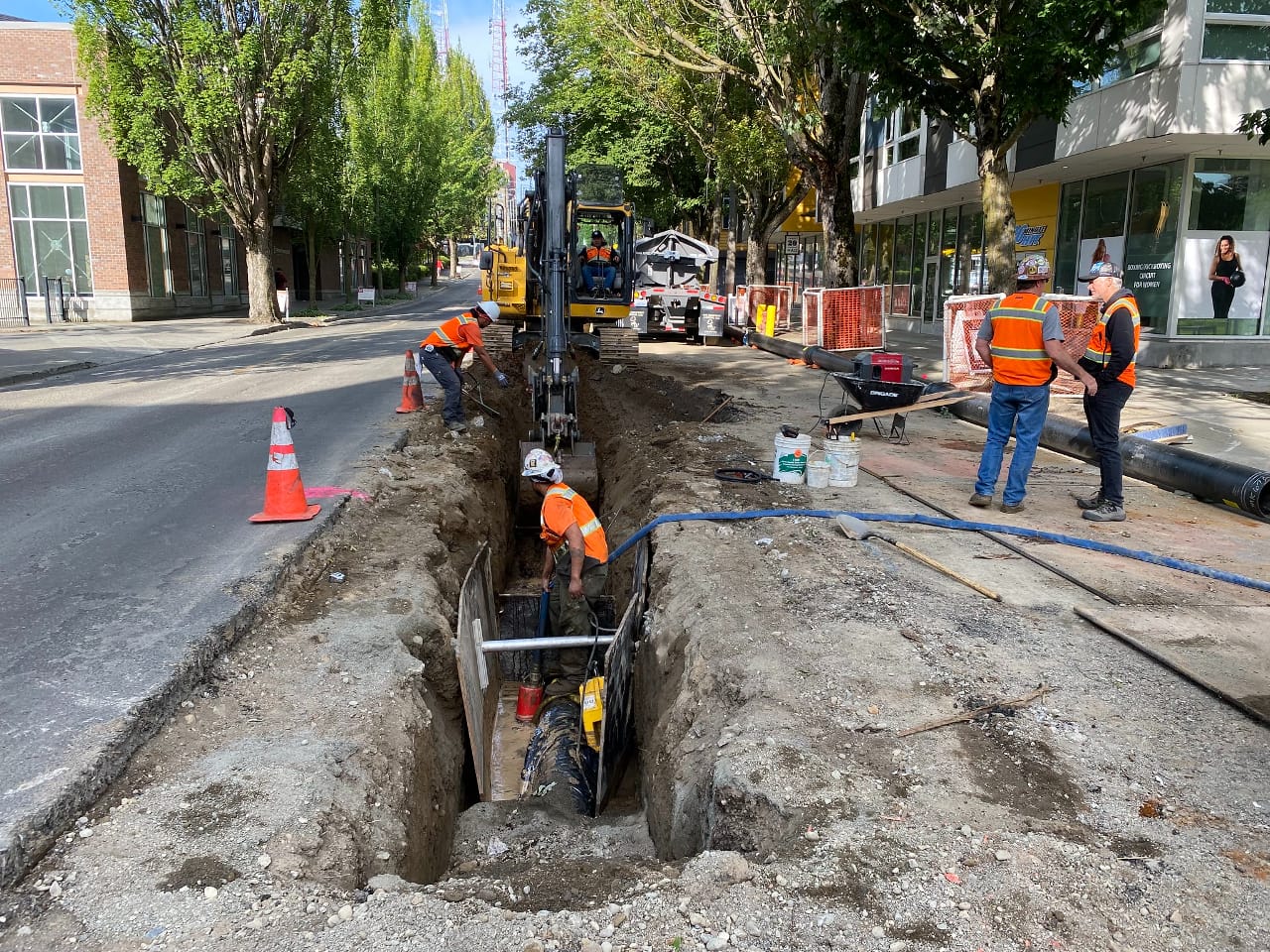
Onerous requirements for new water infrastructure that go further than Washington state law are a part of the problem when it comes to encouraging home building in Seattle.
King County Metro is projecting a significant budget shortfall by 2028 if its current spending plan is maintained, thanks to lagging sales tax revenue, increased costs, and ambitious fleet electrification plans.
If approved, Initiative 2117, repealing 2021’s Climate Commitment Act, would put $2.39 billion in funding for transit agencies across the state over the next 16 years at severe risk of evaporating.
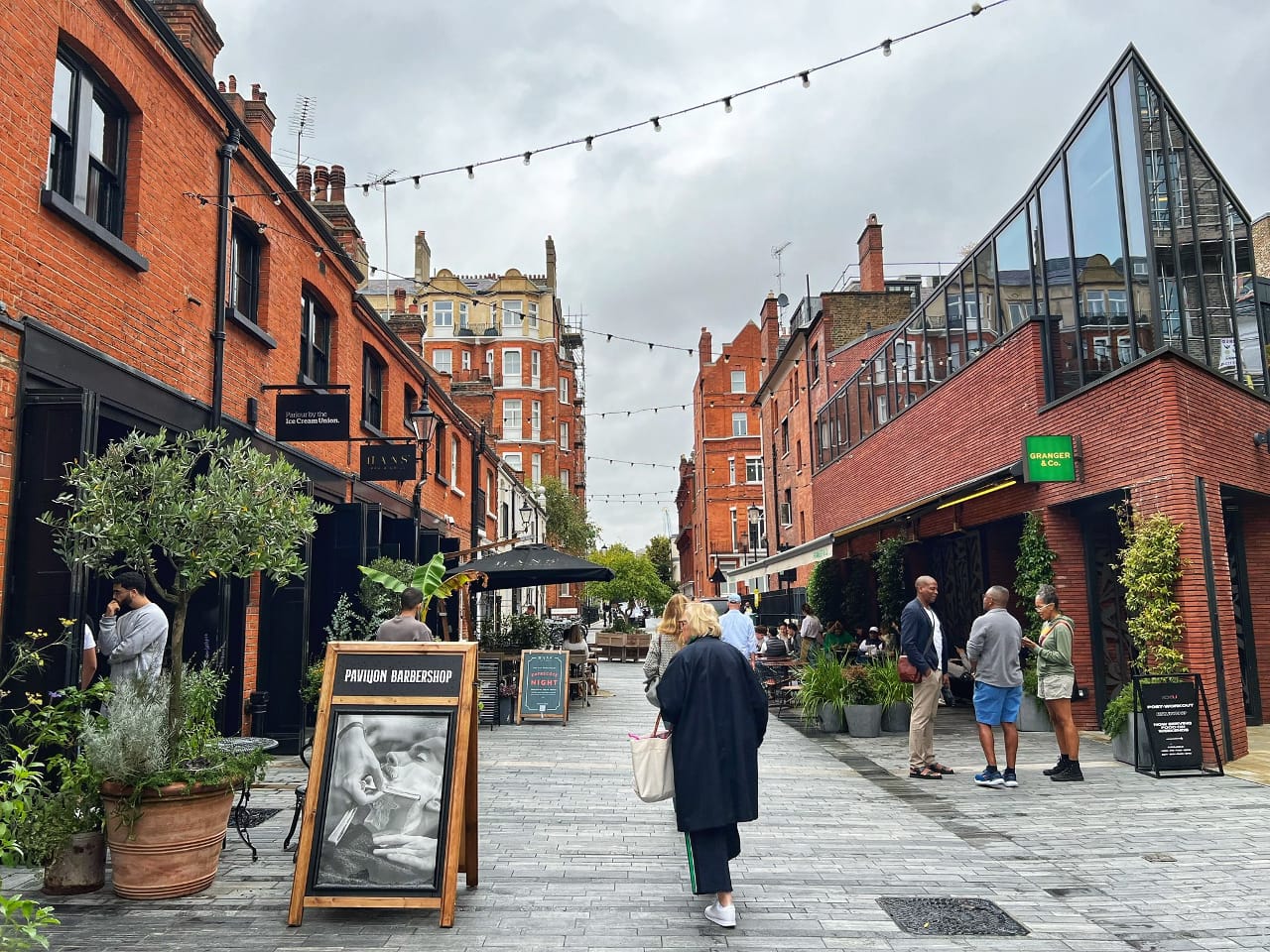
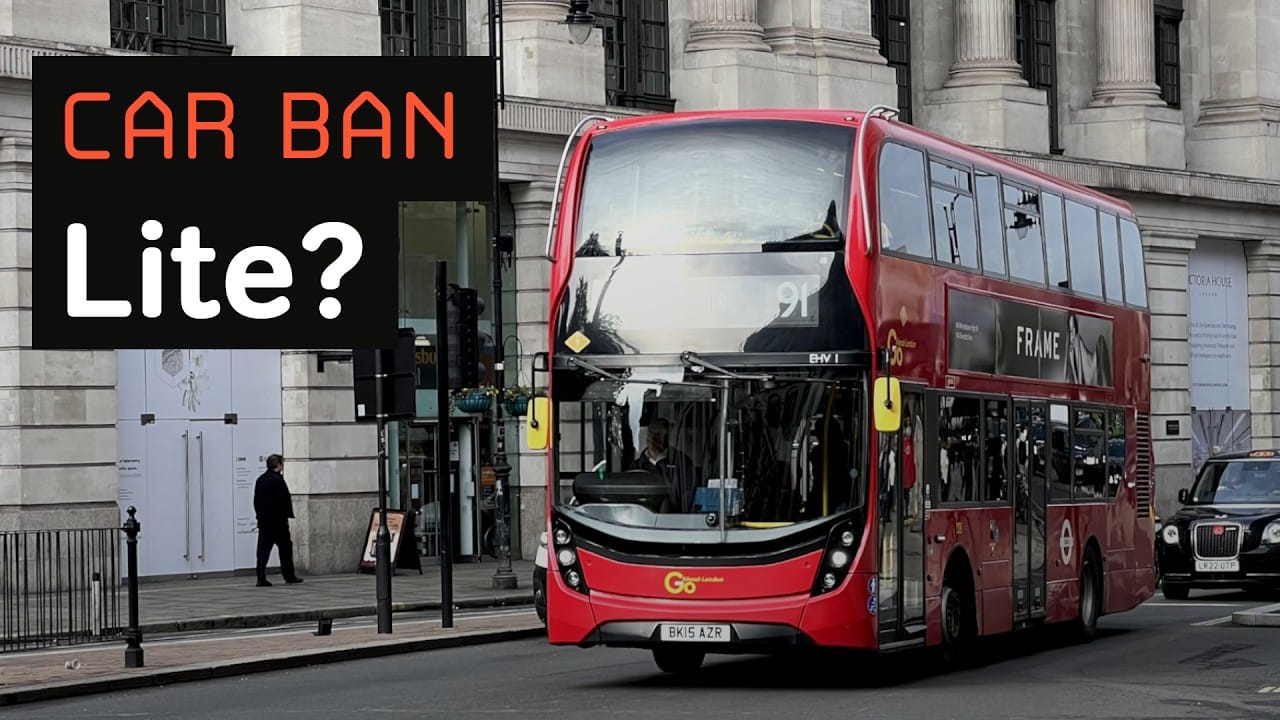
London’s Pavilion Road, fully pedestrianized in 2021, represents a strong contrast with Seattle’s plans to reduce pollution by transforming streets, still stuck in the planning stage despite nearly seven years of work.
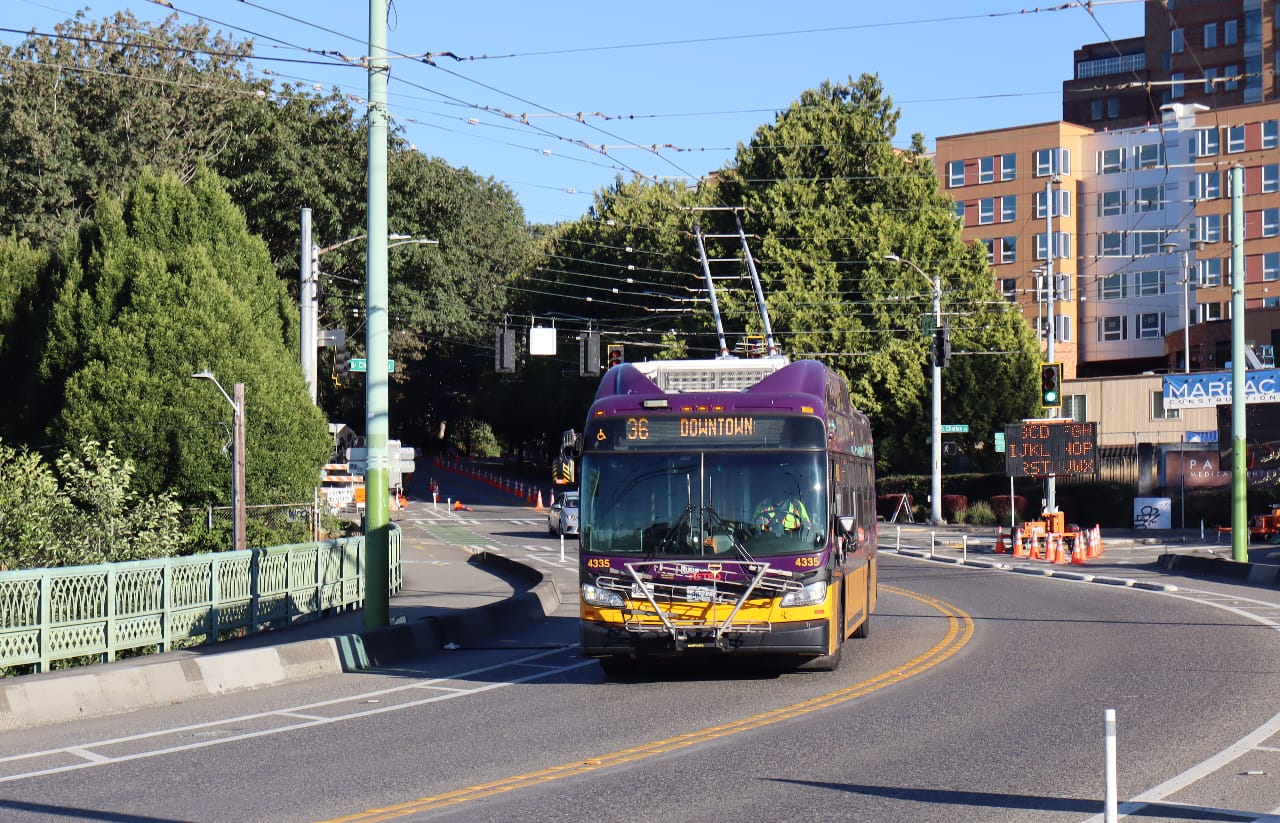
King County Metro’s entire trolleybus fleet is set to get upgrades to their batteries that will allow them to remain off-wire three times longer.
Tacoma’s Green Blocks program is expanding into the Lincoln International District in October and looking for residents looking to help plant and care for trees.
Bellevue recently enacted a bevvy of protections intended to stem the tide of tree canopy loss in suburban residential neighborhoods. It’s an important step toward achieving the goal of exceeding 40% tree cover and equitably distributing it across the city.
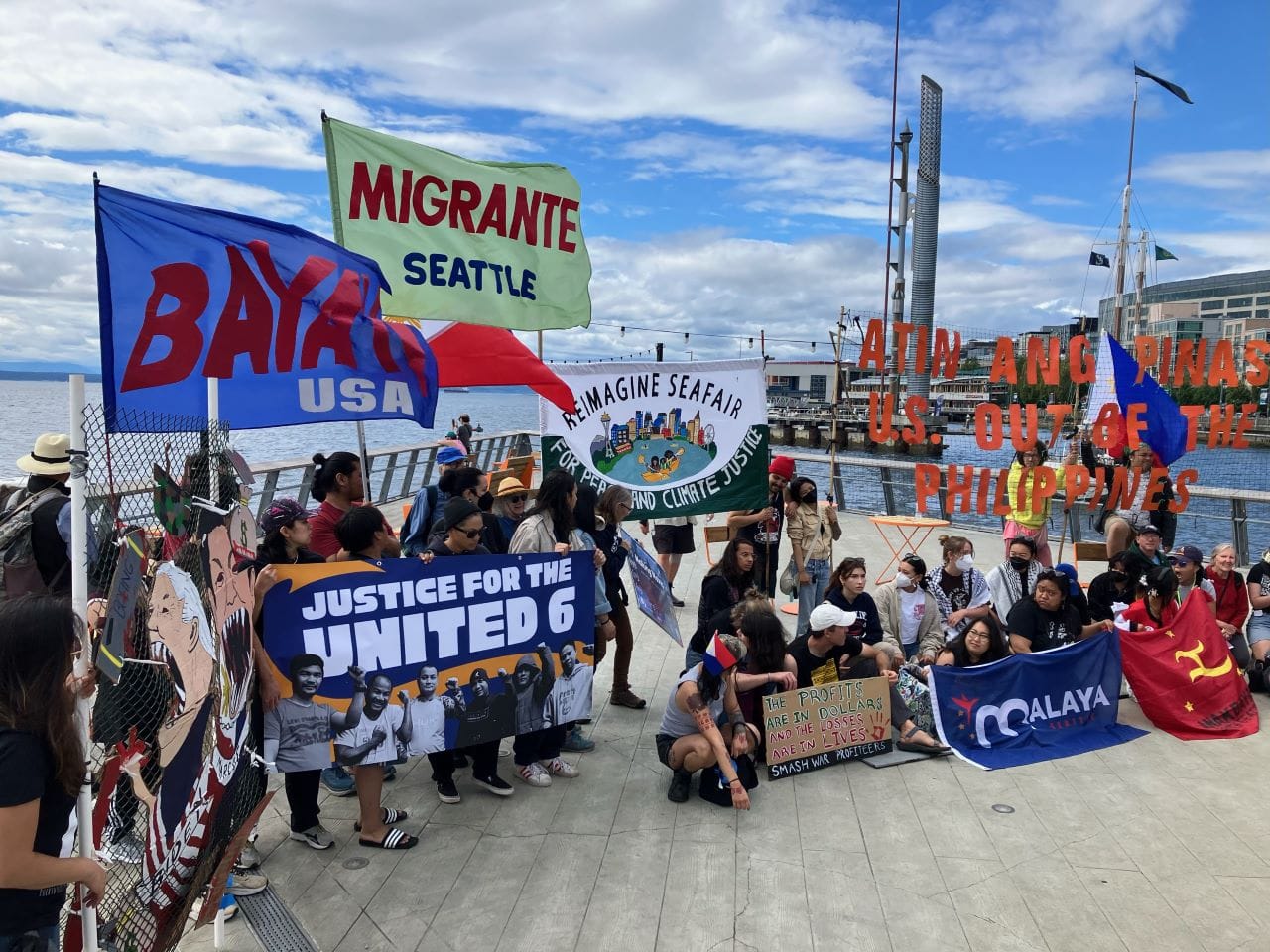
Environmental activists and critics of US militarism are joining together to protest against Seattle’s loud, polluting Blue Angels airshow. Here’s the case for having the courage to end this tradition.
To prevent a 19-story apartment building long in the works, a group of Belltown residents are trying to stop code updates to Seattle’s Living Building pilot program. The purported risk of bird deaths headline the group’s laundry list of concerns.
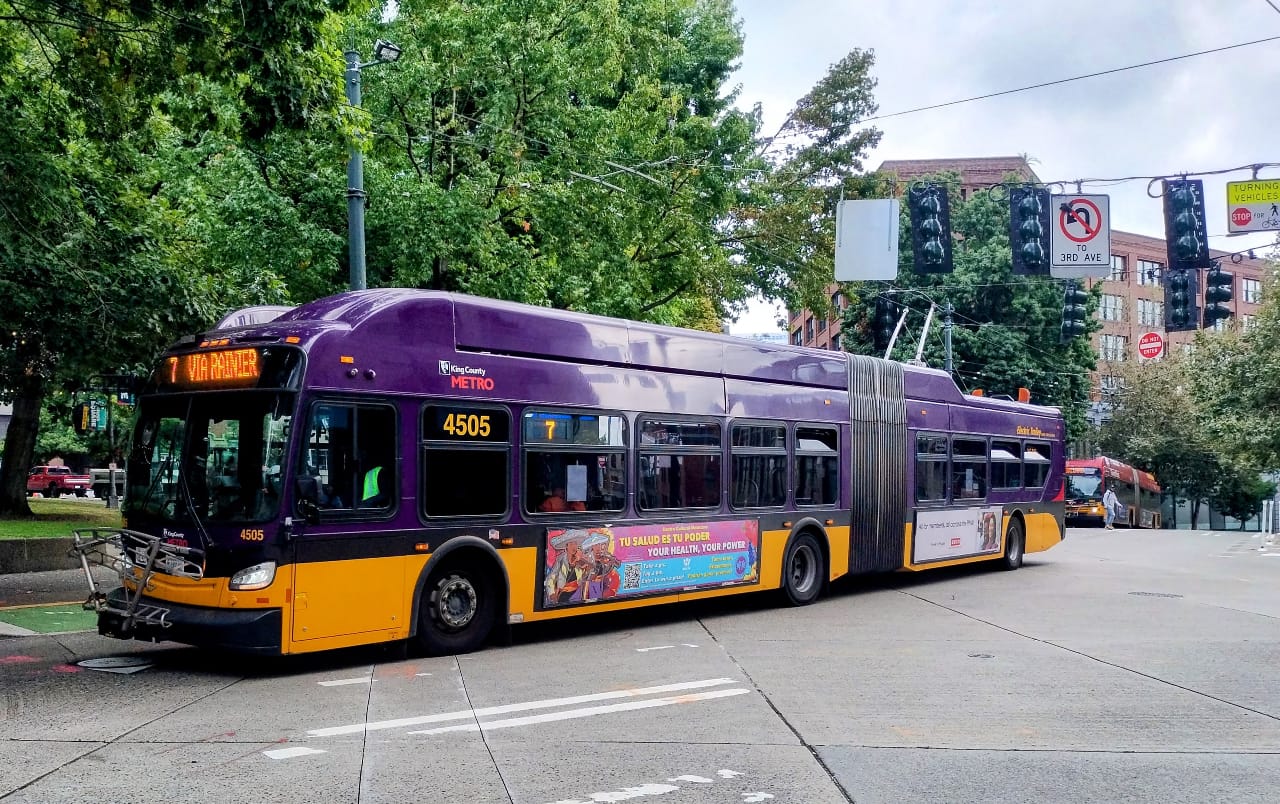
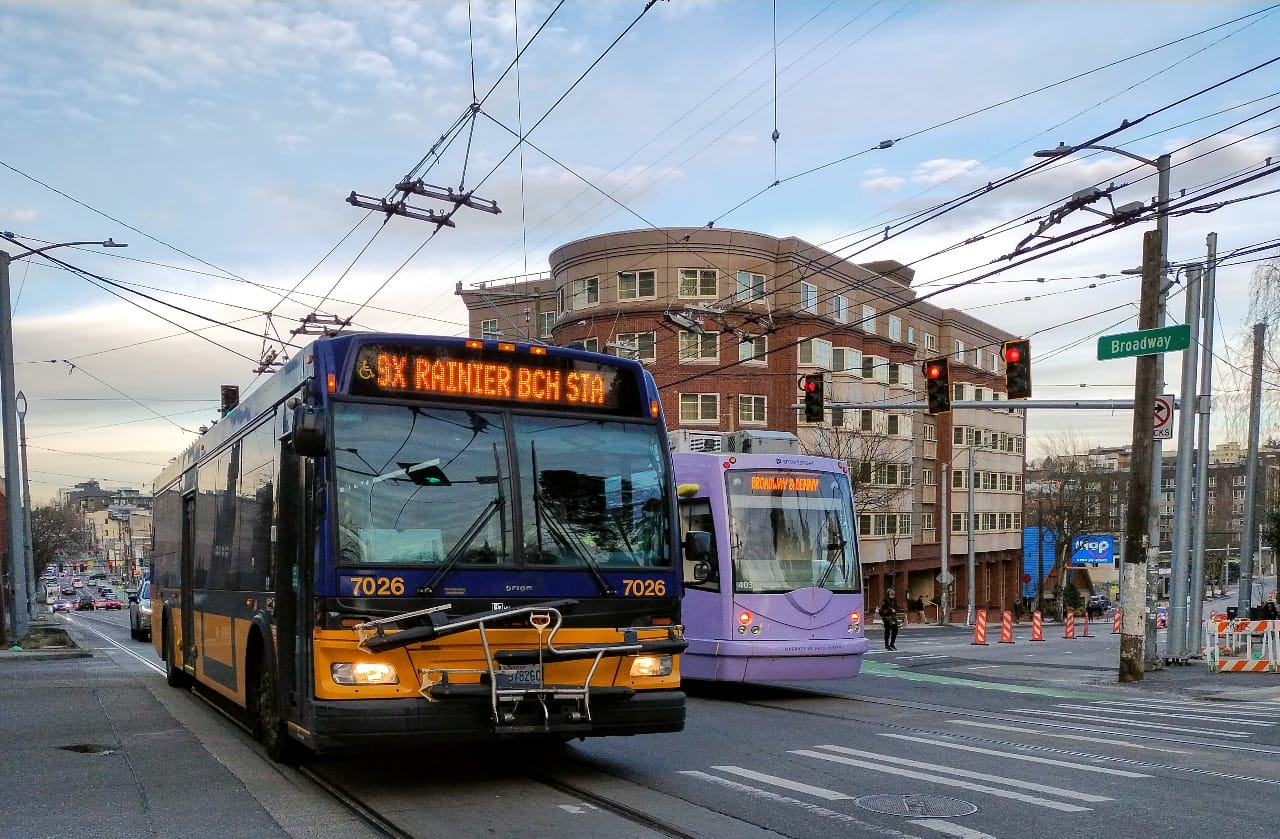
Carrying nearly 20% of King County Metro boardings, the trolley fleet has been a workhorse of Seattle transit for 84 years. But oddly, trolleybuses have not been a focal point of Metro’s plan to electrify its fleet.
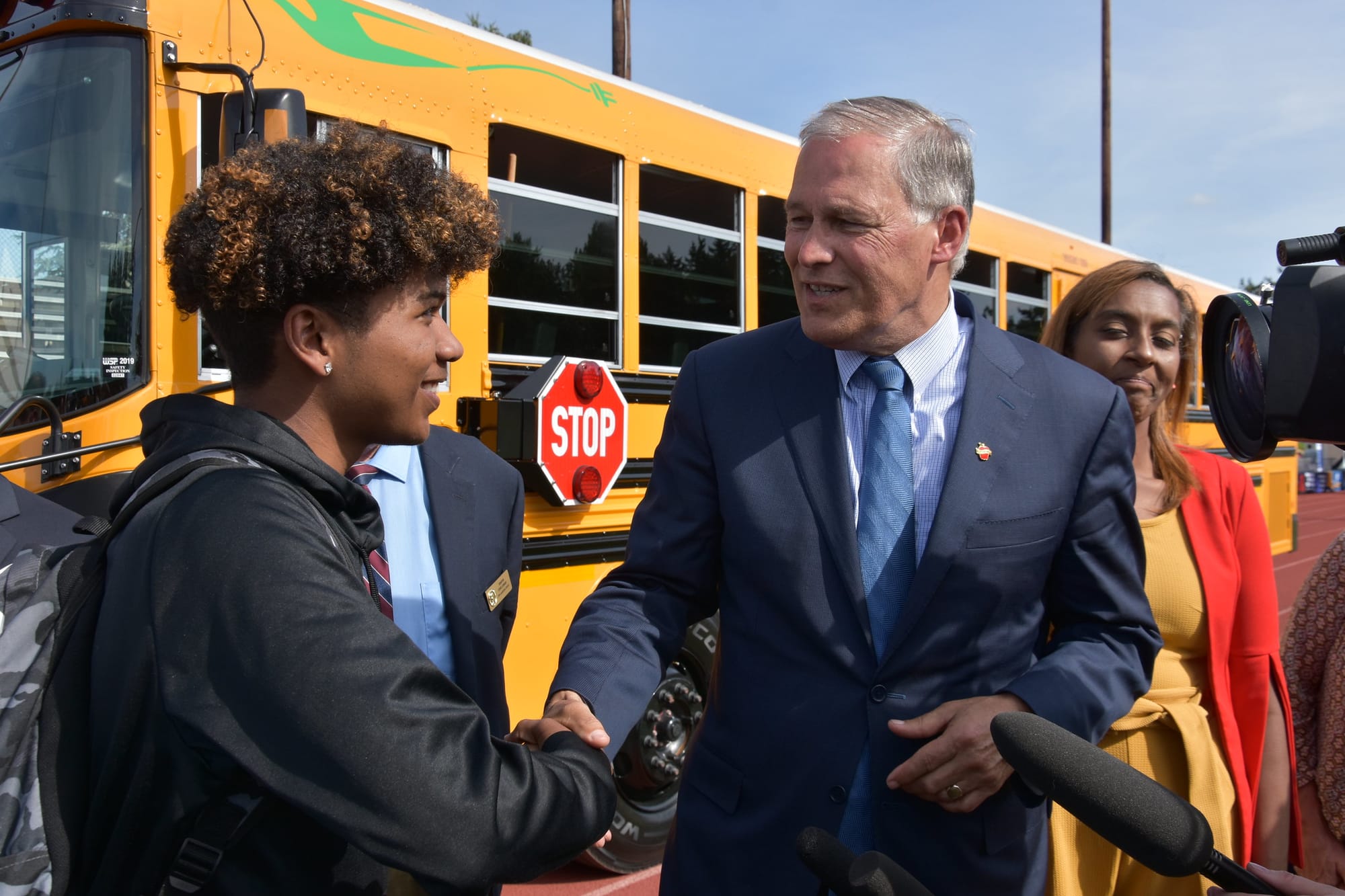
Mayor Bruce Harrell and Governor Jay Inslee were on Thursday’s program at Bloomberg Green Festival hosted at the Seattle Center. Both touted local leadership on environmental issues, even as that work remains tenuous.
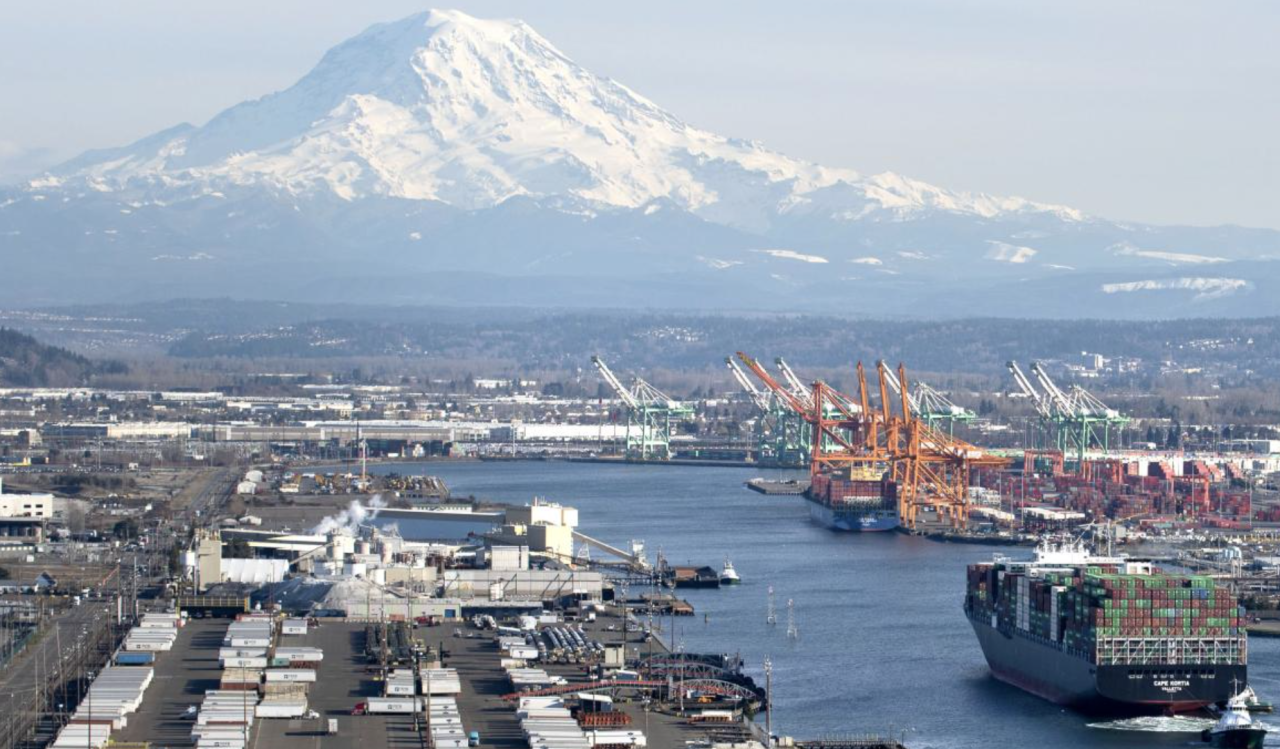
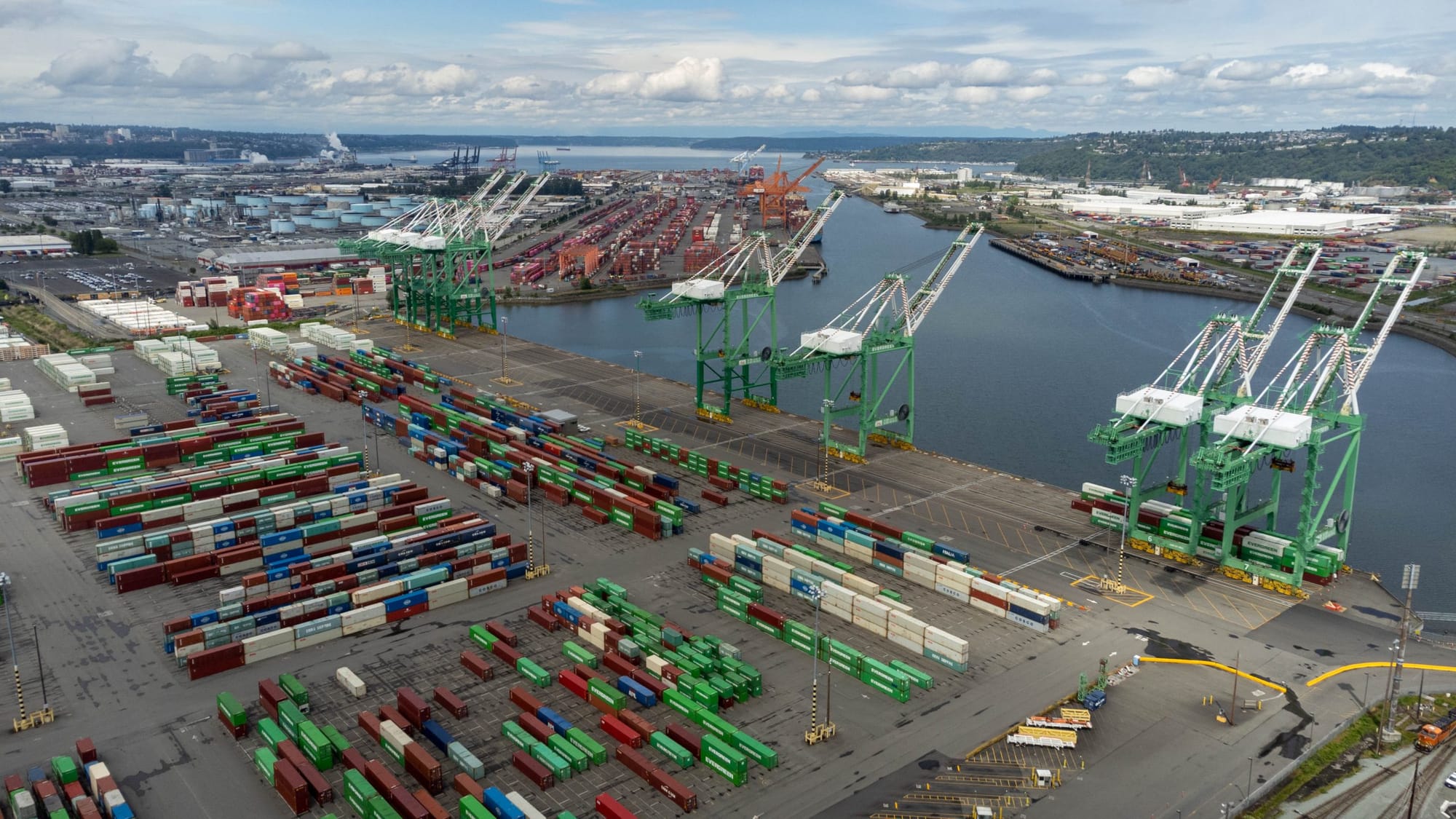
Electrifying port infrastructure and traffic is already slow-moving at the expense of nearby communities, and in the absence of clean energy regulation for ports in Washington, these projects heavily rely on funding from the contested Climate Commitment Act.
With permit applications for new apartment buildings still down in Seattle, the Harrell Administration is hoping to hit the brakes on a planned ramp-up of additional energy efficiency requirements in new buildings.
New York City’s decongestion pricing program has hit an unexpected roadblock with the state’s governor unilaterally imposing an indefinite pause. But decongestion pricing holds a lot of promise for cities across the globe, including in North America. Reece Martin at RM Transit dives into the different ways that
Part 2 of this four-part series examines arguments against focusing on land use in climate policy and provides counter arguments. Ignoring land use changes and relying on electrification alone is a slower and riskier path to decarbonization.
The Low Income Housing Institute won the bid to develop Sound Transit’s surplus site near U District Station. The project will bring 160 affordable homes in a 12-story tower that is slated to be the state’s tallest mass timber building.
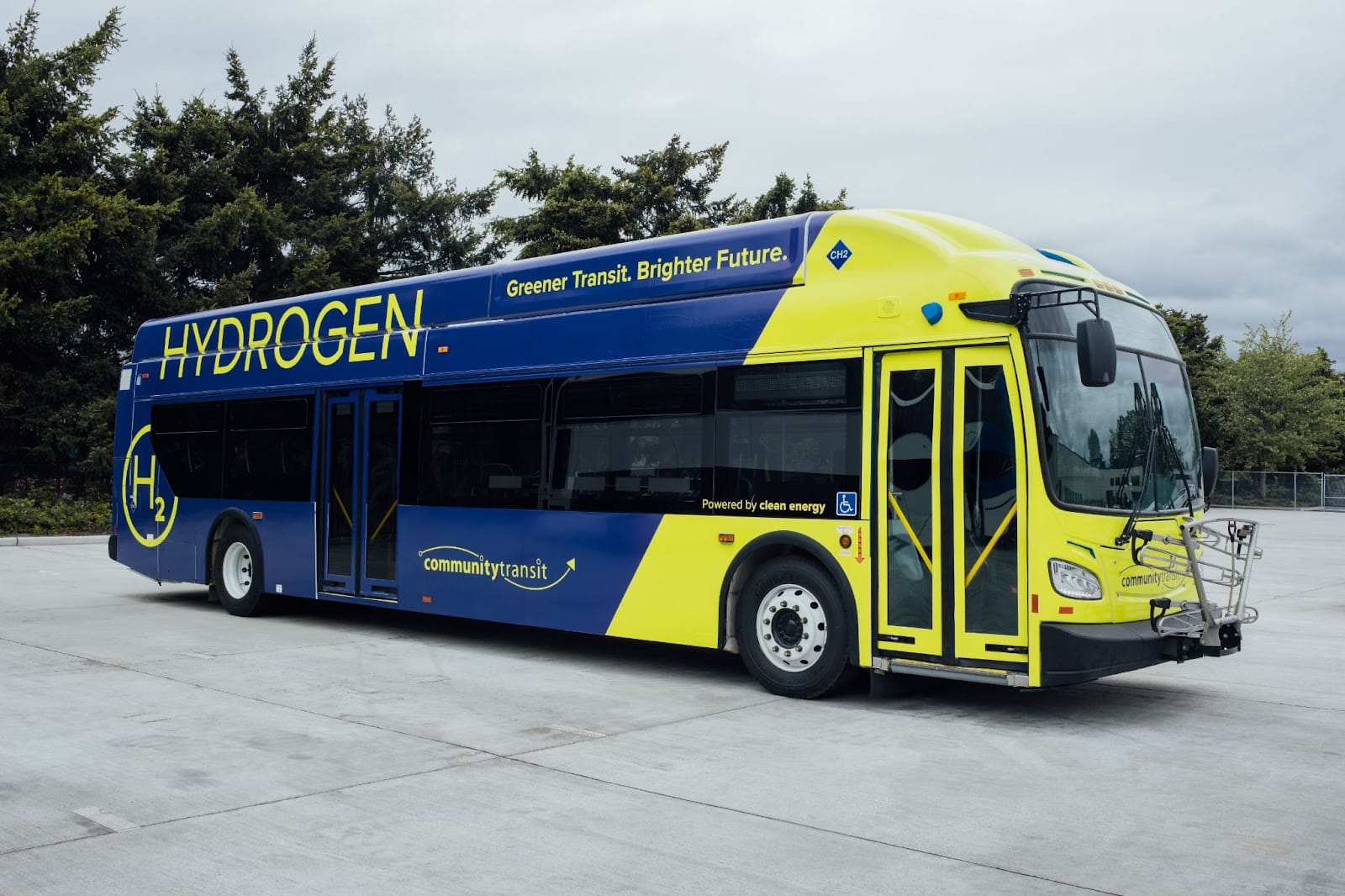
King County Metro unveiled plans to test out hydrogen-powered buses by 2026. The news comes on the heels of a King County Auditor report casting doubt on Metro’s plans to rely heavily on battery buses to meets its goal of a fully electric fleet by 2035.
New York had been all geared up to become the first American city to implement congestion pricing later this month until Governor Kathy Hochul announced a stunning reversal, saying she intended to shelve the program on Wednesday. Transit riders and climate advocates are fighting back and aiming to b
A planned overhaul of Shoreline’s 175th Street is prompting a call for a reset after complaints over tree removals. City leaders don’t appear ready to back off the planned multimodal improvements.
A new hydrogen fuel cell bus has arrived in Snohomish County, offering another path toward fleet electrification goals for the county’s main transit provider.
Europe gets high praise for its medieval and historic city centers, leaving tourists an impression that nearly everything is neatly compact. But Europe has experienced sprawl in the past and continues to sprawl today. Dave Amos from City Beautiful dives into how Europe has been sprawling, how its sprawl is
Seattle could hit the brakes on implementing an energy code that’s much more stringent than the state code, in the hopes of getting more housing units into the development pipeline.
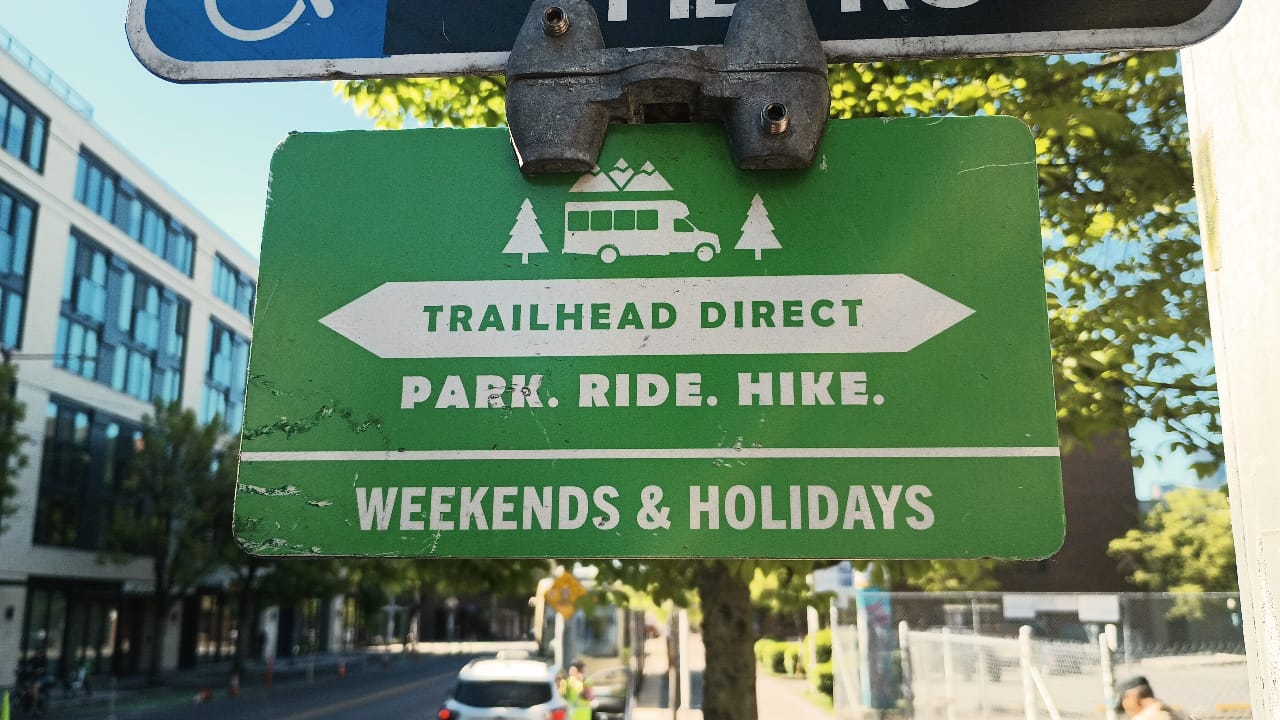
King County’s popular Trailhead Direct weekend shuttle service between Seattle and Eastside hiking hotspots returns on May 25 with two separate routes to choose from. The last two seasons, the County offered just one route.
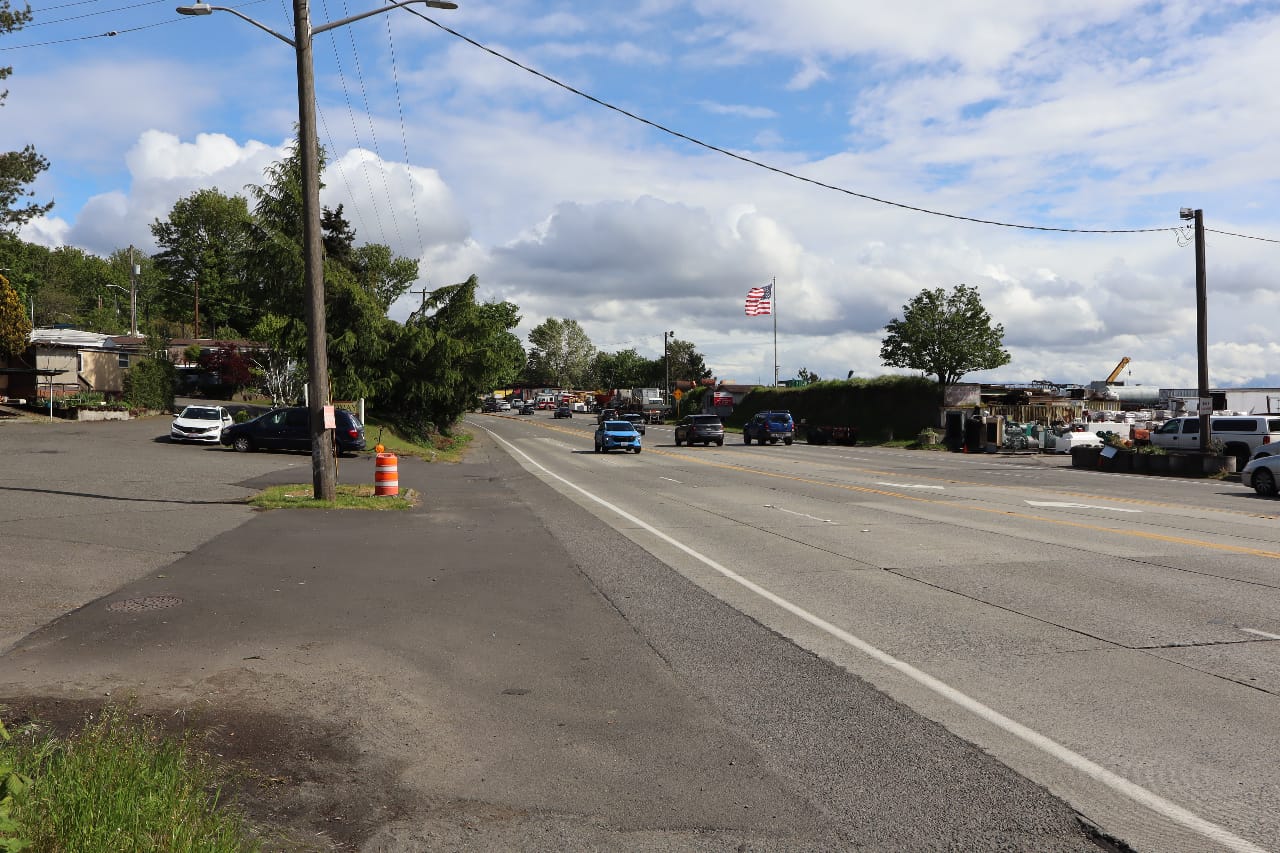
State highways like SR 900 in Skyway are missing safe places to bike and walk. A mandate to fix that could be expedited by an ambitious $100 million grant that the state is seeking from the EPA.
Producing food locally boosts food security and self-sufficiency, especially in urban areas. Beacon Food Forest and Tilth Alliance are advancing urban agriculture in Seattle, joining an international trend.
Land use policy is a powerful tool to reduce greenhouse gas emissions and address climate change. So why isn’t it a bigger part of the policy debate? This four-part ‘Land Use and Climate Change’ series explores that question.
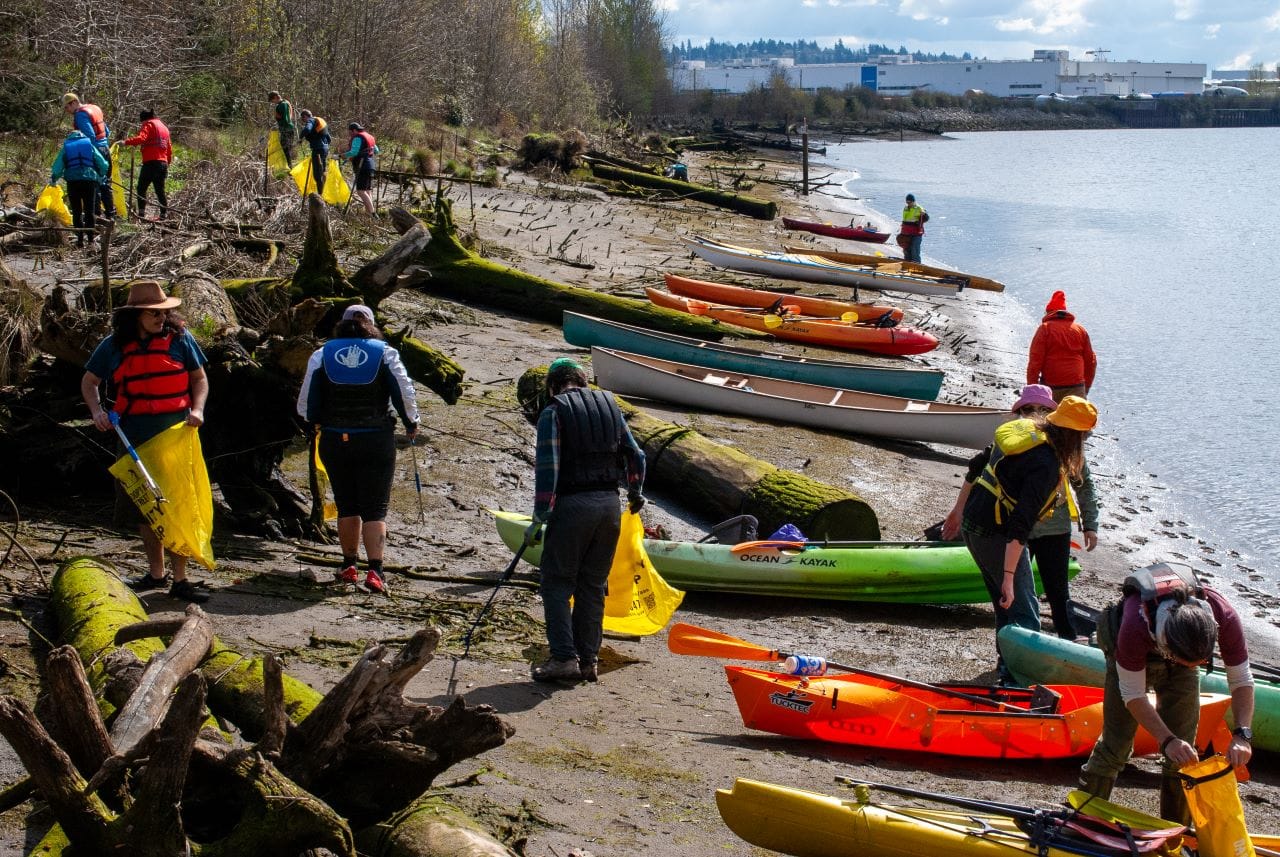
The Duwamish River is a contaminated Superfund site, but cleanup is underway. Advocates are pushing for community development and affordable housing to reduce displacement as the Duwamish Valley becomes more attractive.
More than a year after the state legislature allocated $5 million in funding, we still don’t have a firm date for when e-bike rebates will be available. But WSDOT says work is still happening behind the scenes and a potential launch date is on the horizon.
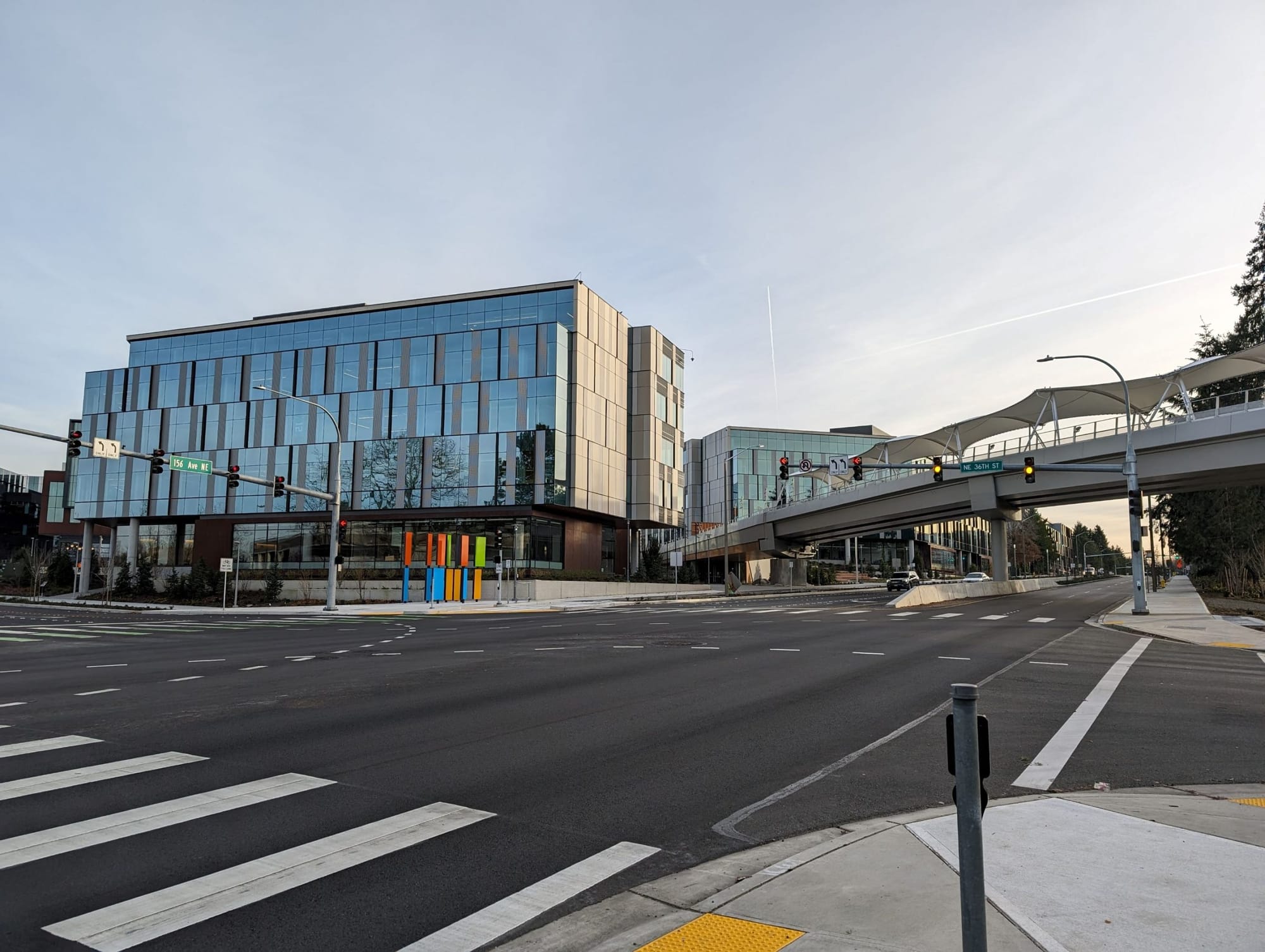
A huge Microsoft Campus “Refresh” redevelopment is underway next door to Redmond Technology Station. It will add three million square feet of office space, but not much housing and no highrises.
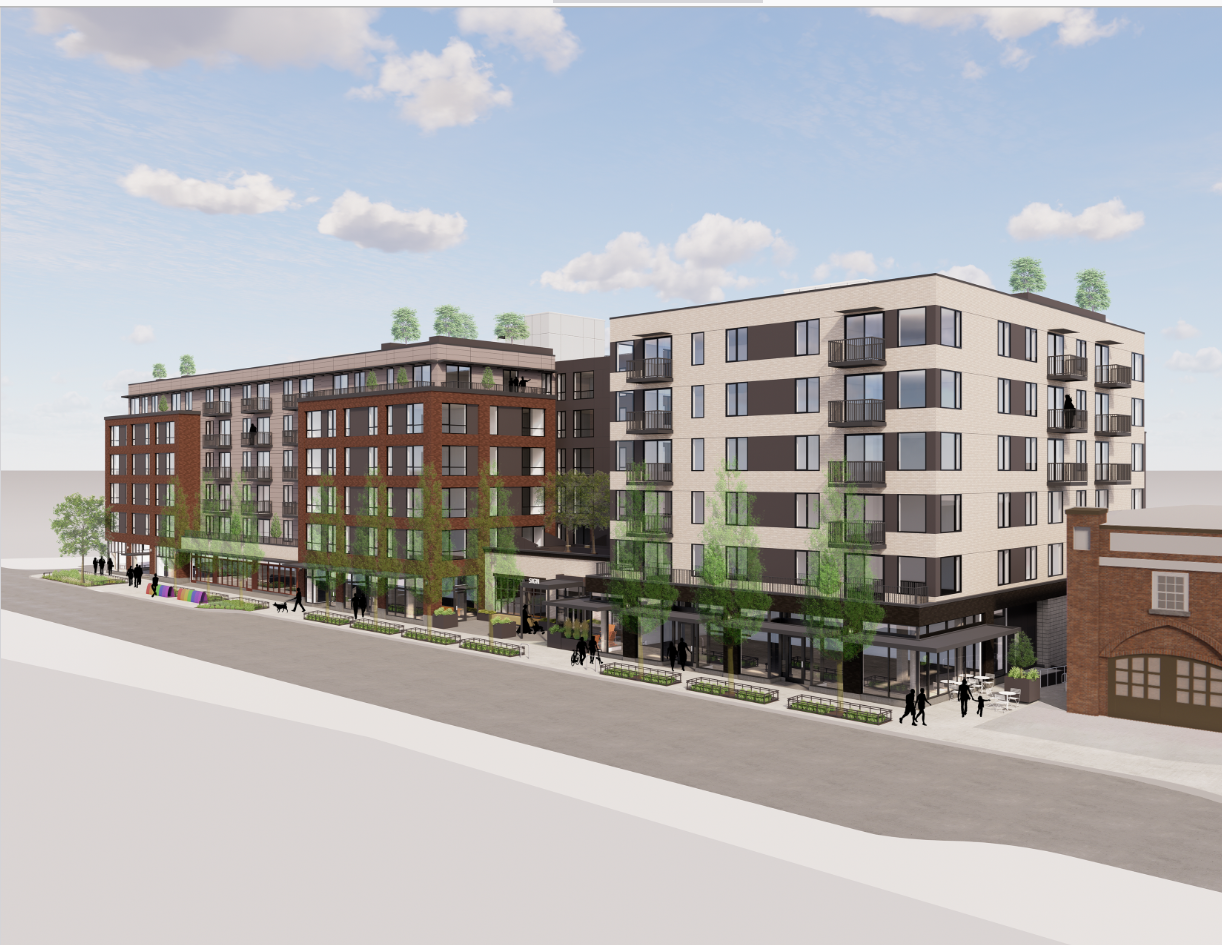
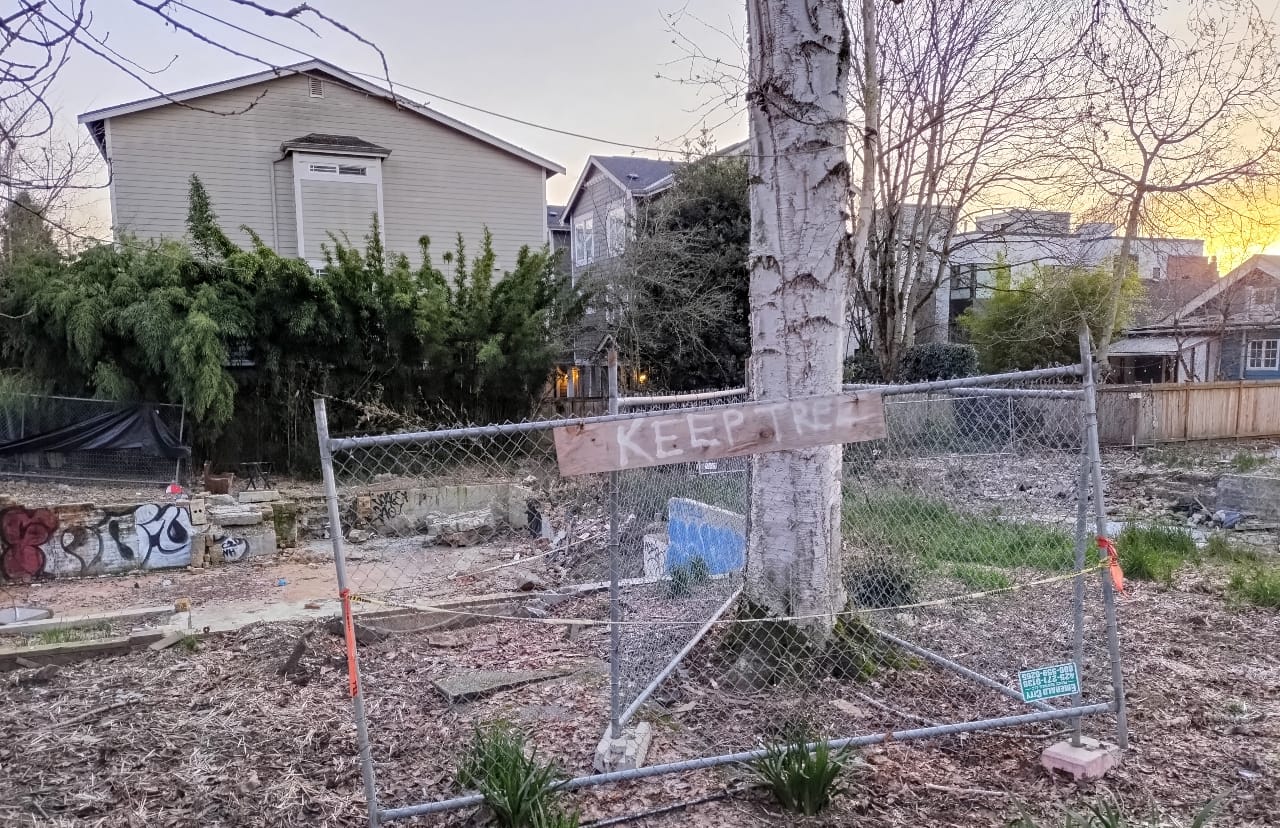
Two housing projects — one in Wedgwood and one in Capitol Hill — are running into similar issues around tree retention, parking, and scale.
Ray Delahanty of CityNerd goes through a litany of reasons why car dependency makes American society worse off from public health and environmental quality to public safety and economic security. This video may trigger petroheads.
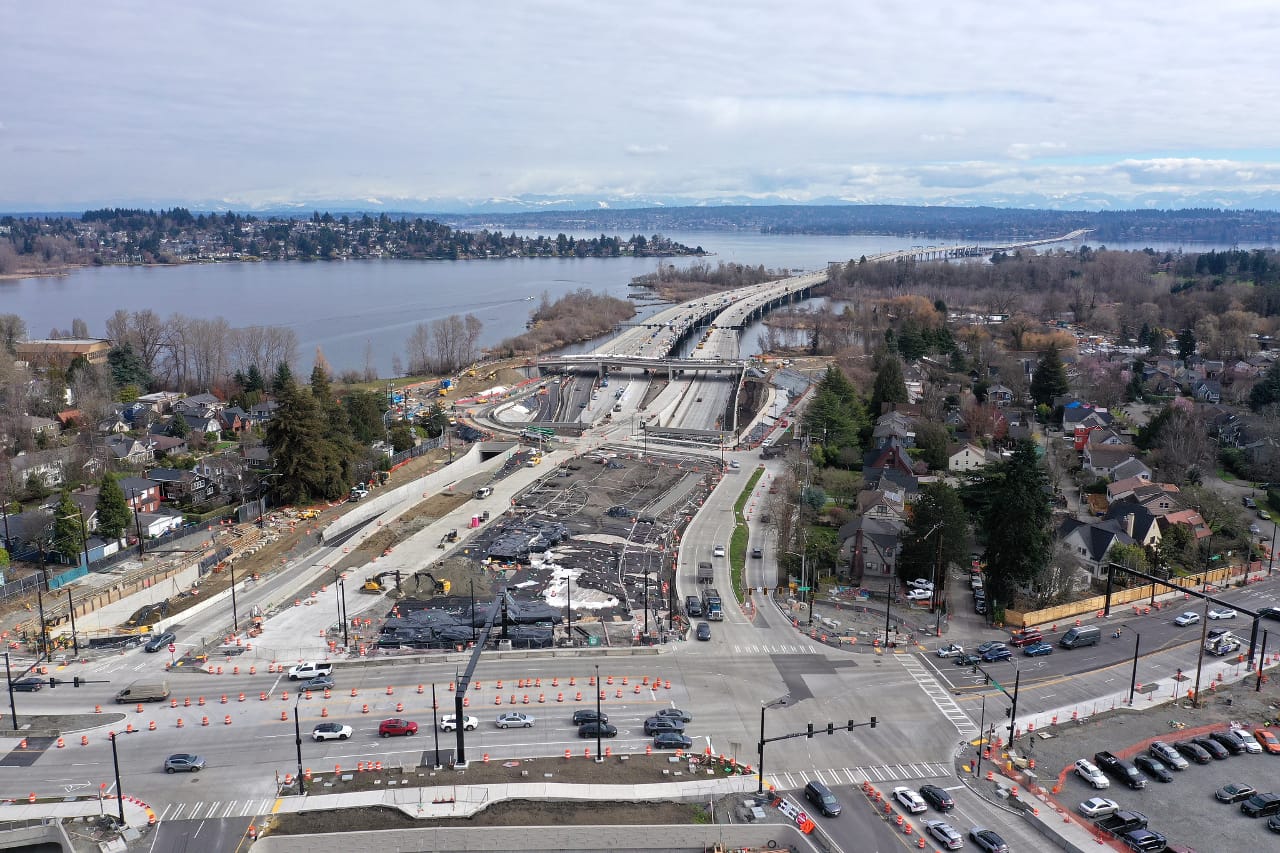
The final piece of the decades-long replacement of the SR 520 bridge will move forward thanks to funding authorized this year, but Washington State’s overall transportation budget is on rockier ground.
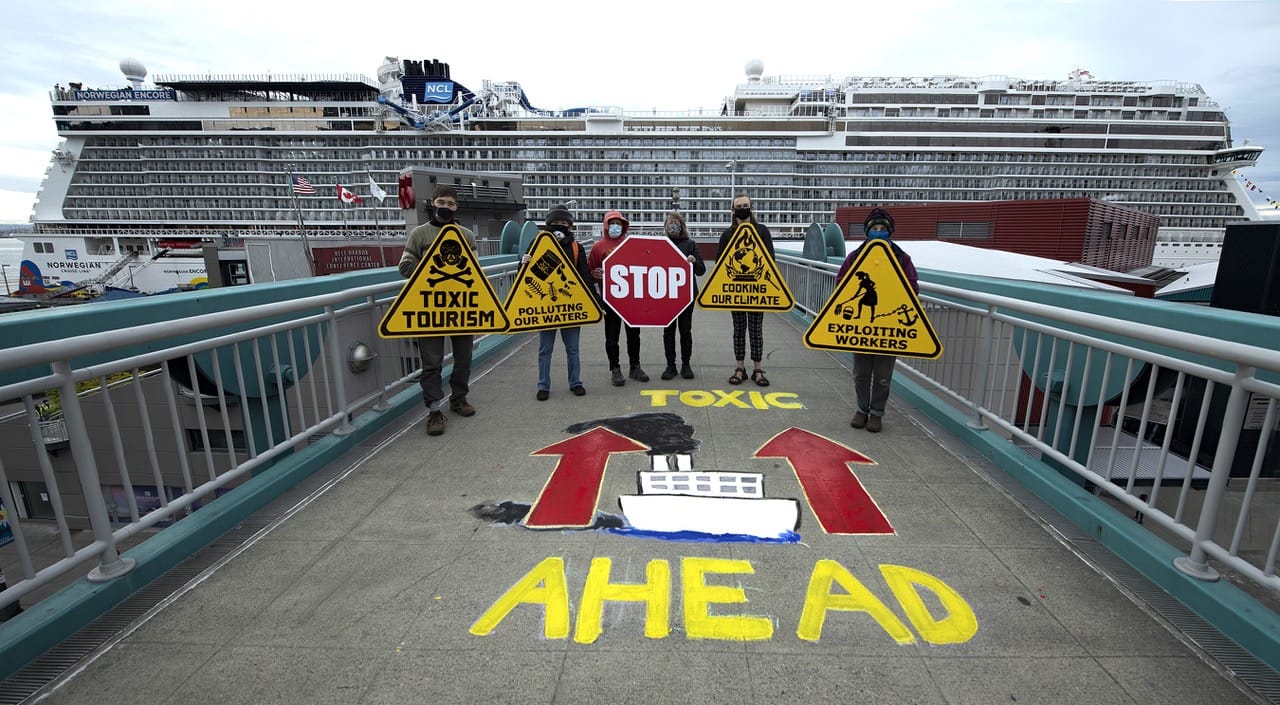
On Saturday, April 6, as the first cruise ship of the season boards, Seattle Cruise Control and two dozen partner organizations will stage a family-friendly rally at Pier 66 to protest the pollution and exploitative practices of the cruise industry.
King County Metro started construction on a new million zero-emissions bus base in Tukwila this month. It will house 120 battery-electric buses currently on order and arriving in a few short years. Metro is betting heavily on battery buses getting more dependable.
A bill pushed by Bothell Rep. Davina Duerr and approved by the Washington legislature this week would prioritize trees when retention policies come into conflict with local parking mandates.
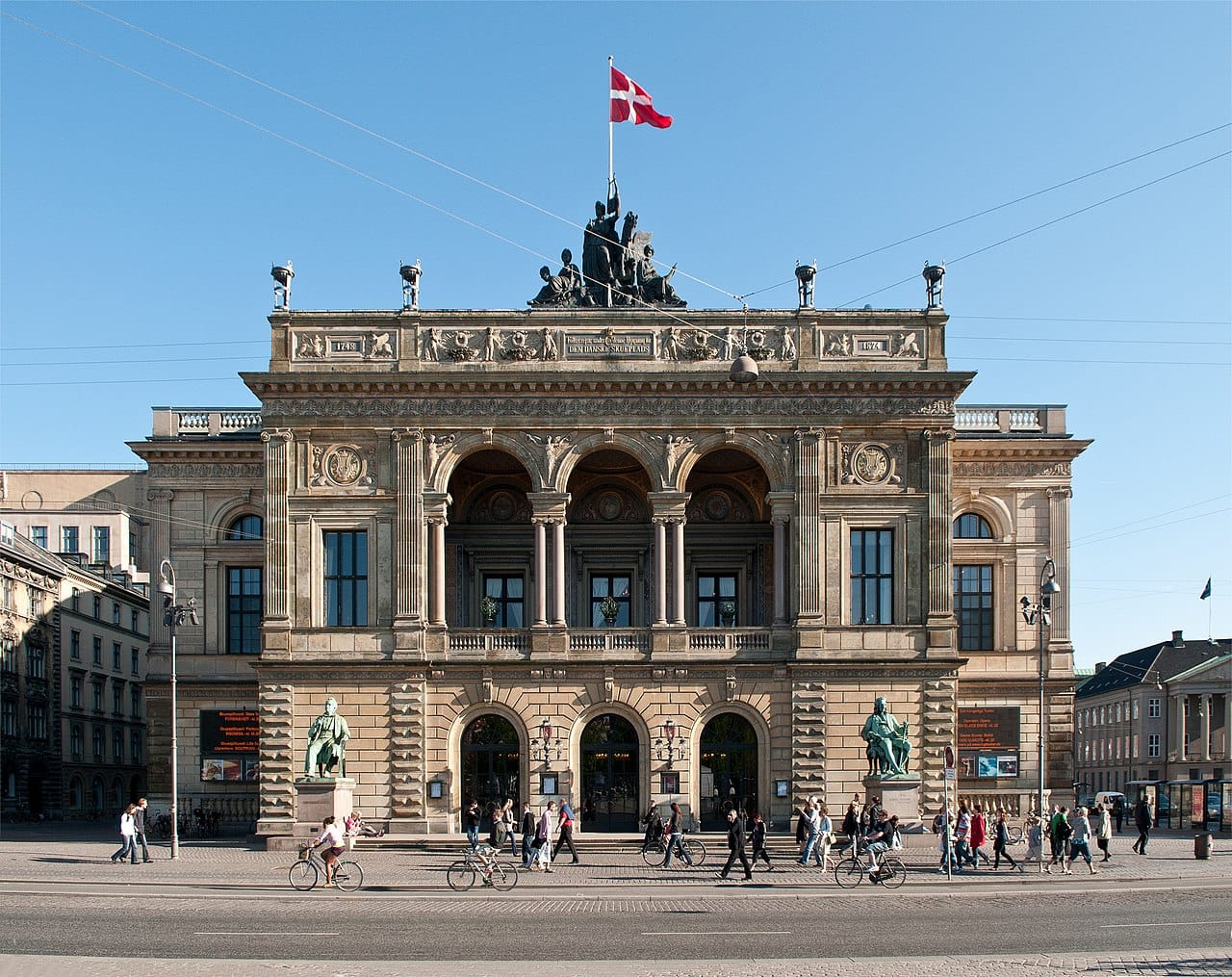
Denmark’s capital city is committed to curbing pollution and making it easier and safer to get around by bike or foot. Copenhagen’s success has made it a global climate leader with countless accolades for sustainability and livability.
Washington continues to build new highways even as maintenance, safety, and community needs continue to grow. America Walks is pushing for a nationwide reconsideration of continued highway expansion.
Whether allowing new detached dwelling units on most lots in the state’s rural areas would undermine decades of growth planning is a question that’s been put front-and-center by House Bill 2126.
King County is falling behind on its climate goals due to a reticence to tackle transportation emissions, the top source of climate pollution in the region.
Climate change and global warming must join safety, homelessness, and housing at the top of the City’s agenda. In the first Seattle City Council meeting of 2024, City Councilmembers stated their belief that social, racial, and economic justice for the disadvantaged is a moral issue, which must be addressed
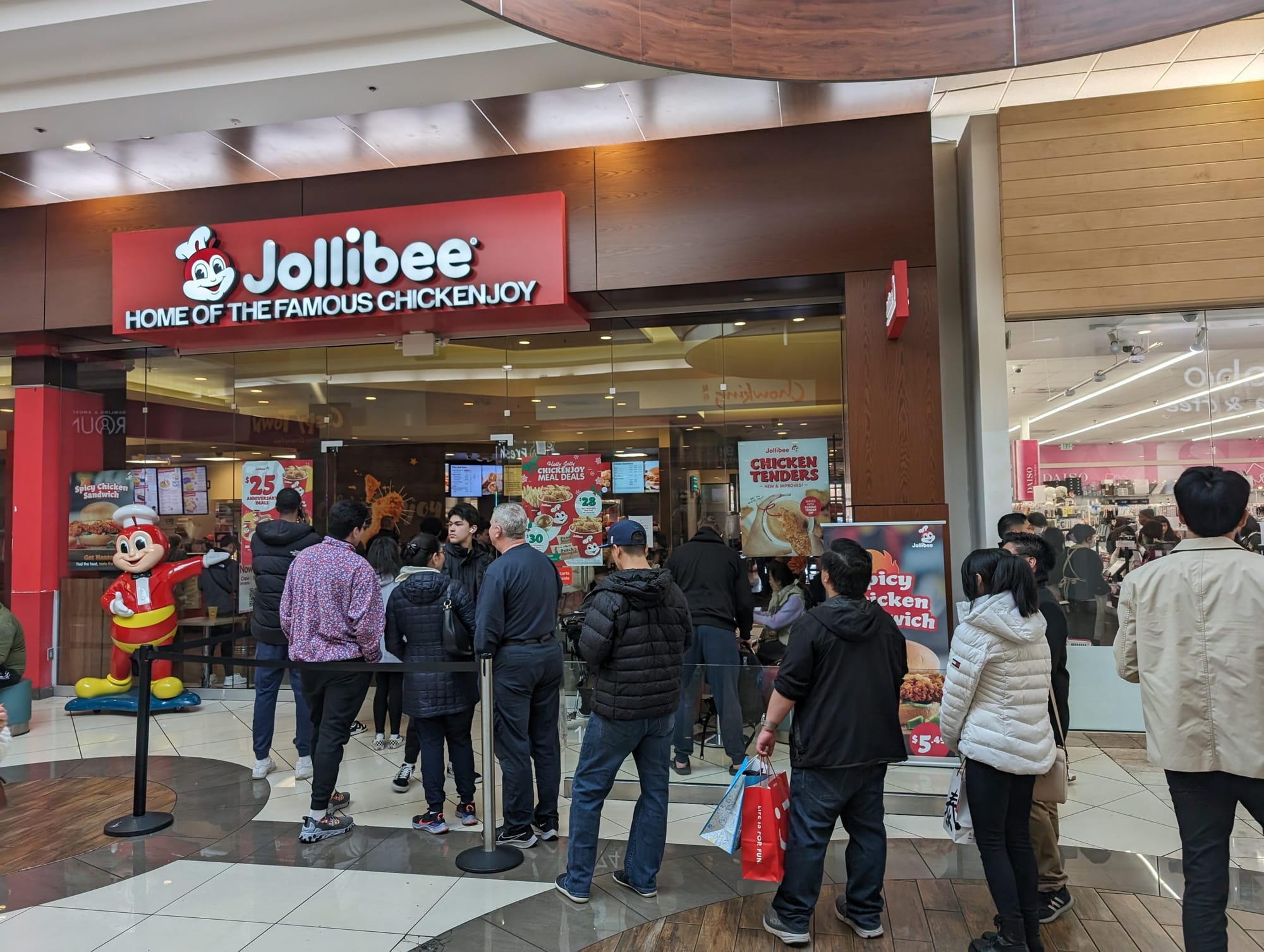
Clogging arteries is a fast food joint specialty, but good urban planning can get things flowing. You may have seen in the news that some new and gargantuan players are entering the Seattle fried chicken scene and that others are expanding. Jollibee is looking to expand up north into its
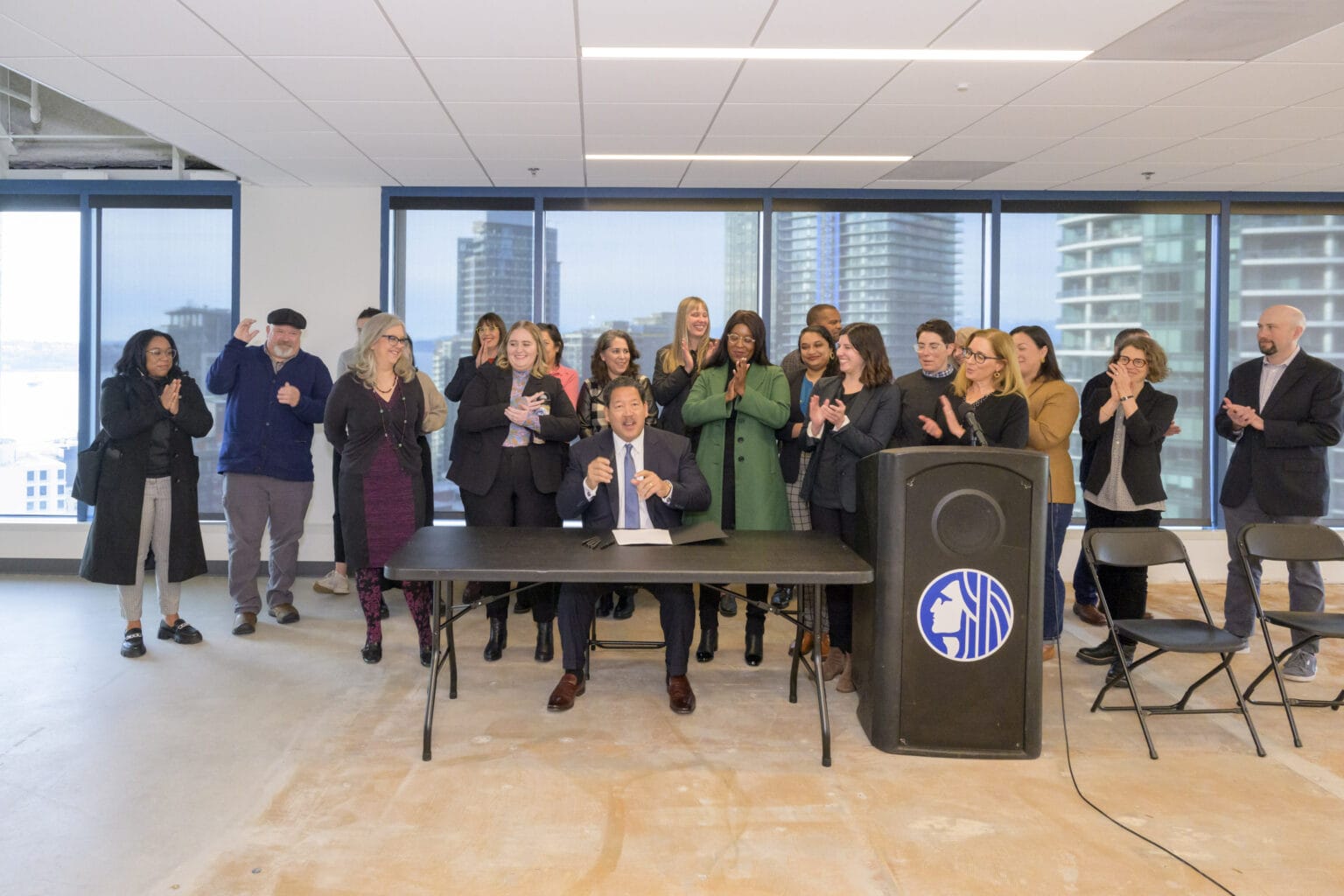
On Wednesday, Mayor Bruce Harrell signed legislation that promises to eventually reduce Seattle’s climate emissions by 10%. Passed unanimously by the Seattle City Council on Tuesday, the new Building Emissions Performance Standard will require that existing buildings take significant steps to curb their emissions. It also provided some funding
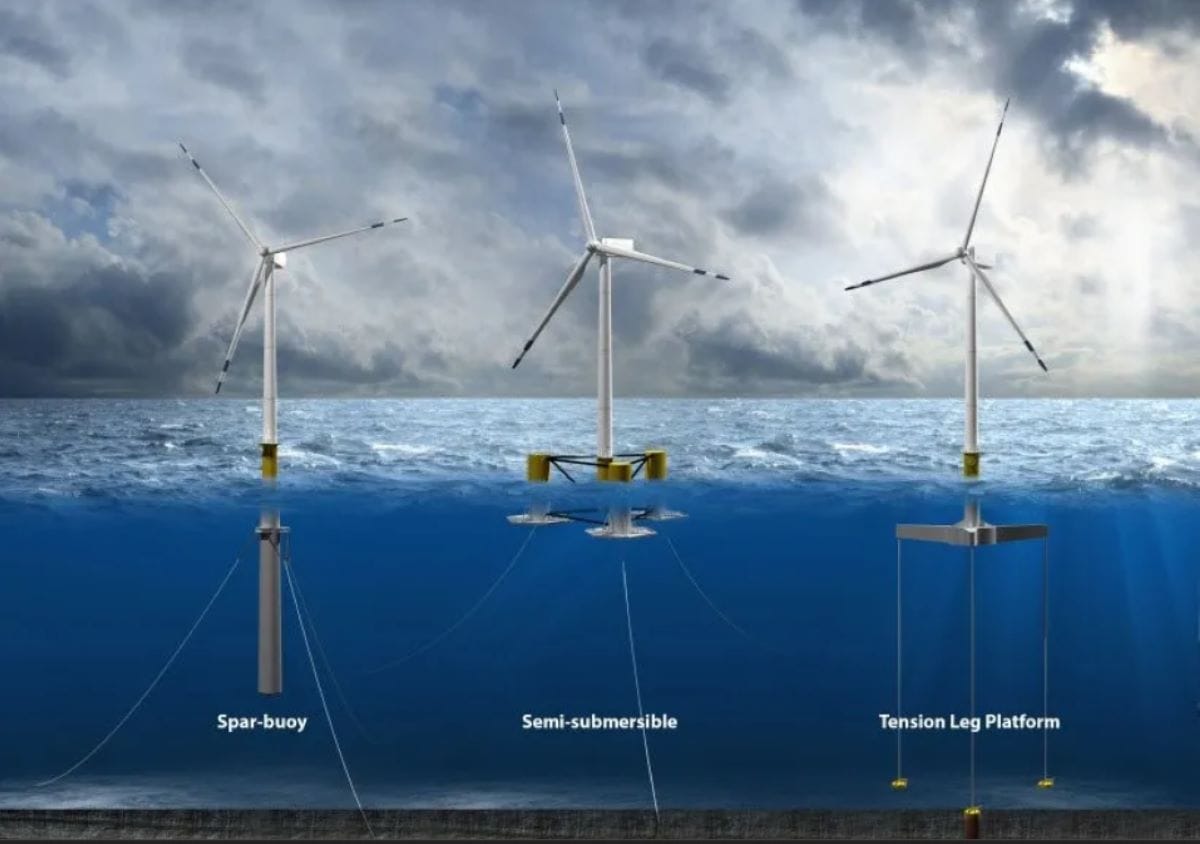
Facing record-breaking demand, offshore wind could balance the state’s clean energy portfolio, covering gaps in peak winter months. When Governor Jay Inslee announced the Blue Wind Supply Chain Collaborative alongside local industrial and port leaders in October, it was clear Washington State wanted offshore wind manufacturing jobs. What was
Nature-centered urban design makes us smarter, healthier and more resilient. On October 25th Seattle Town Hall and the University of Washington College of the Environment welcomed UW alum Dr. Heather Tallis as the featured speaker for The College of the Environment’s 2023 Doug Walker Lecture. Tallis discussed how harnessing
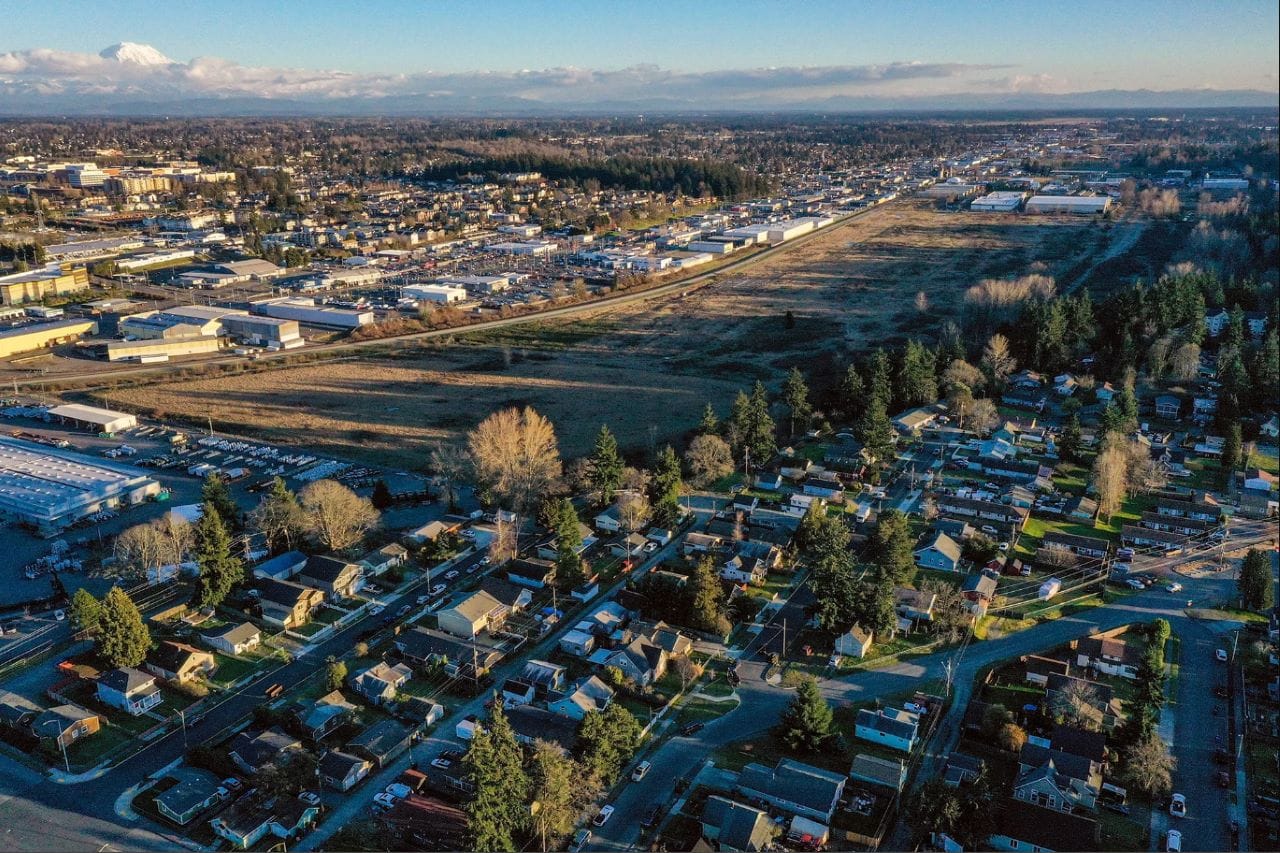
South Tacoma faces the threat of a warehouse complex that would exacerbate air pollution, extreme heat, and violent crime. It’s no coincidence that the already overburdened community of South Tacoma is the planned site of a warehouse complex that would pave more than 125 acres of its remaining wetlands.
The State has a role in defining the market for freight and charting emissions reductions with a shift to rail. When the Washington State Legislature passed the Climate Commitment Act (CCA) in 2021, it codified economic decarbonization as the government’s priority. To this end, the law created an ambitious
Fellow Seattleites, I have good news: Our city’s trees are not doomed. Despite what you may have heard, Seattle’s recently passed tree ordinance will not end Emerald City’s reputation for being green. There’s no denying that Seattle’s tree canopy is shrinking. The Seattle Office of
The City is working to implement resilience hubs, which advocates have pushed to be community-led. Anticipating climate change’s impact on residents, the City of Seattle is planning the implementation of resilience hubs in various neighborhoods around town. With priorities set for overburdened communities, the creation of these new community
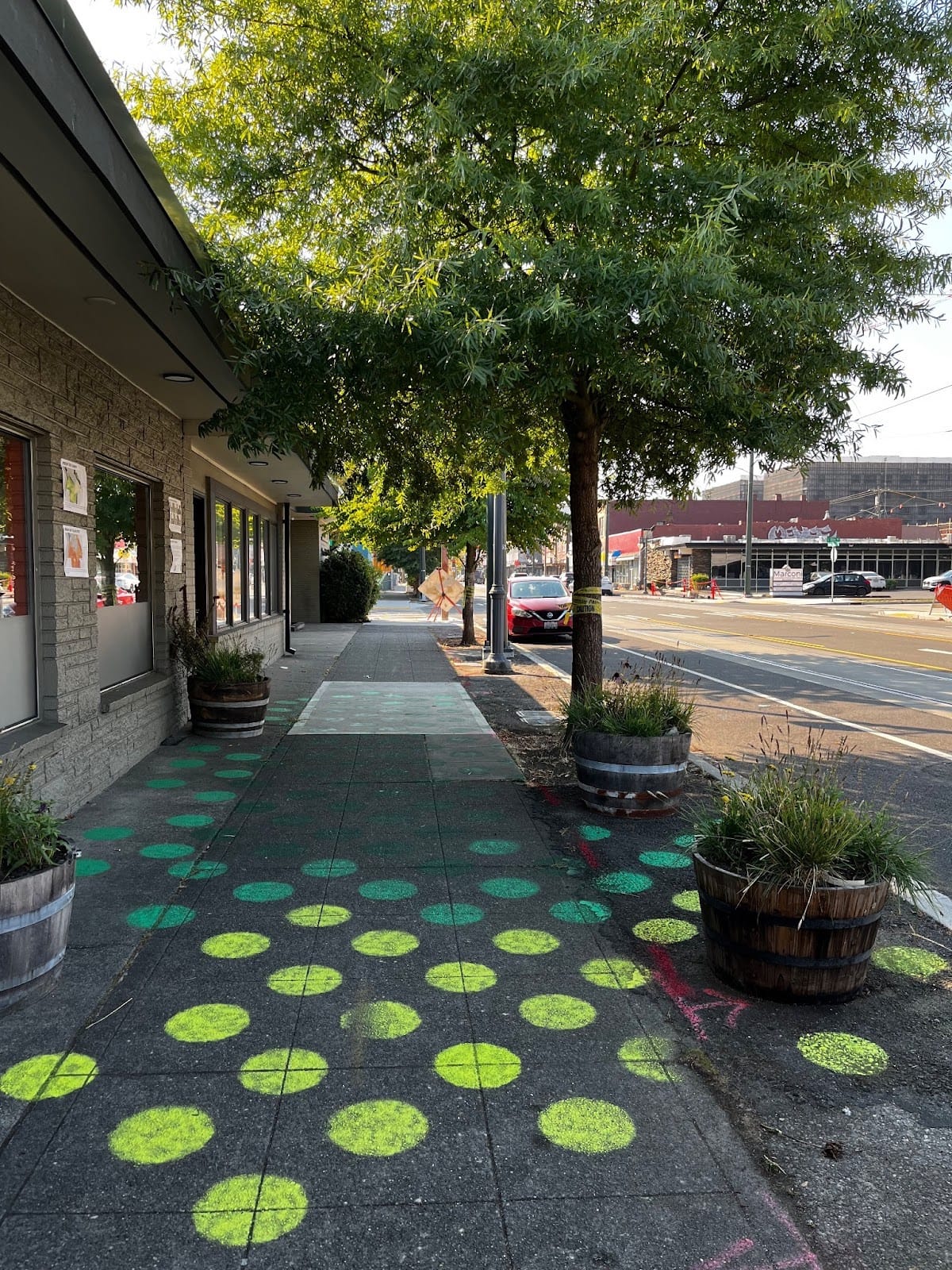
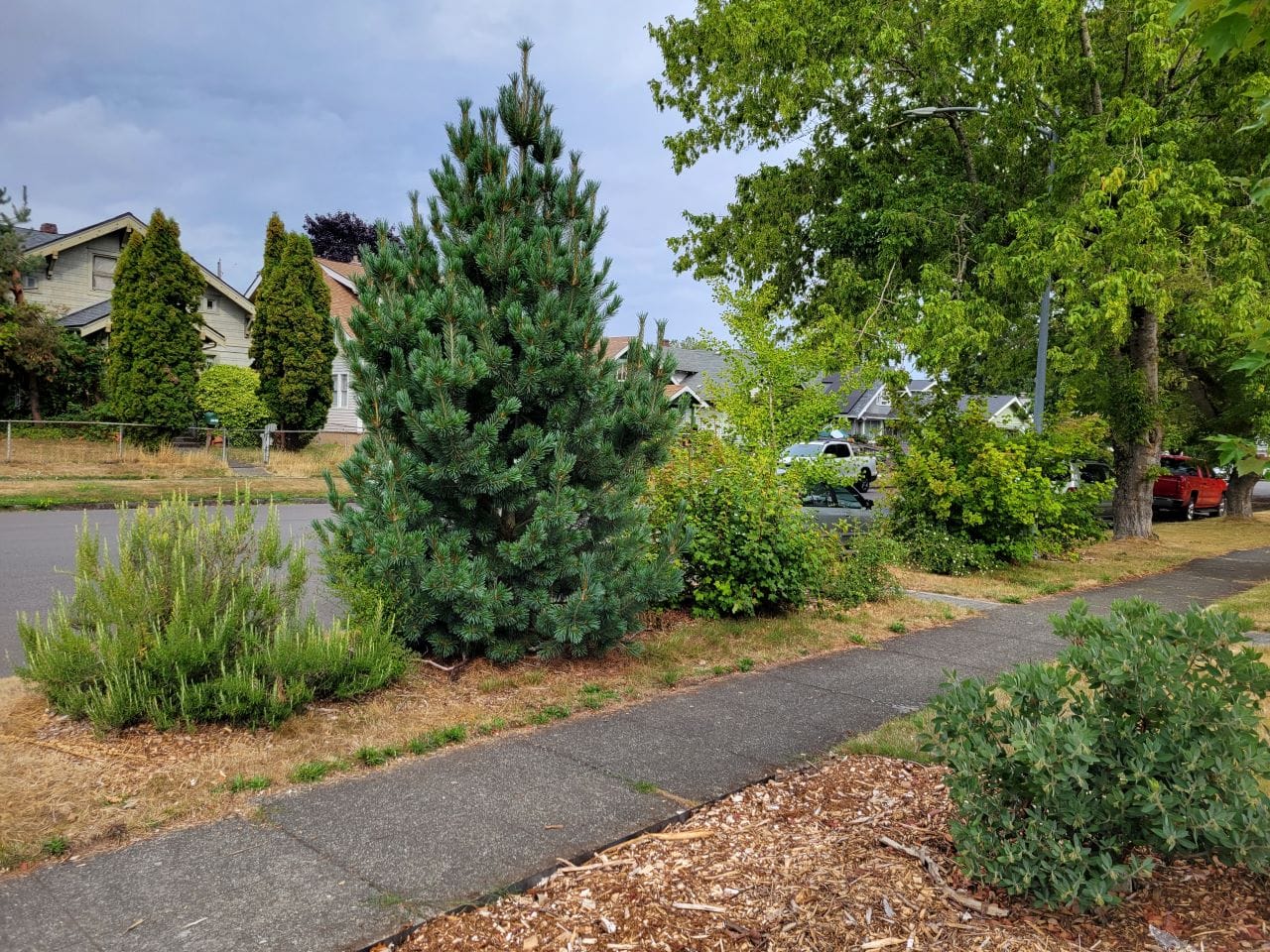
Tacoma has the least tree canopy in the Puget Sound Region. Residents experience this reality in higher average temperatures and poor air quality. On a recent walk through the Hilltop neighborhood, I came across a stretch of sidewalk decorated with polka dots, each about a foot in diameter and spaced
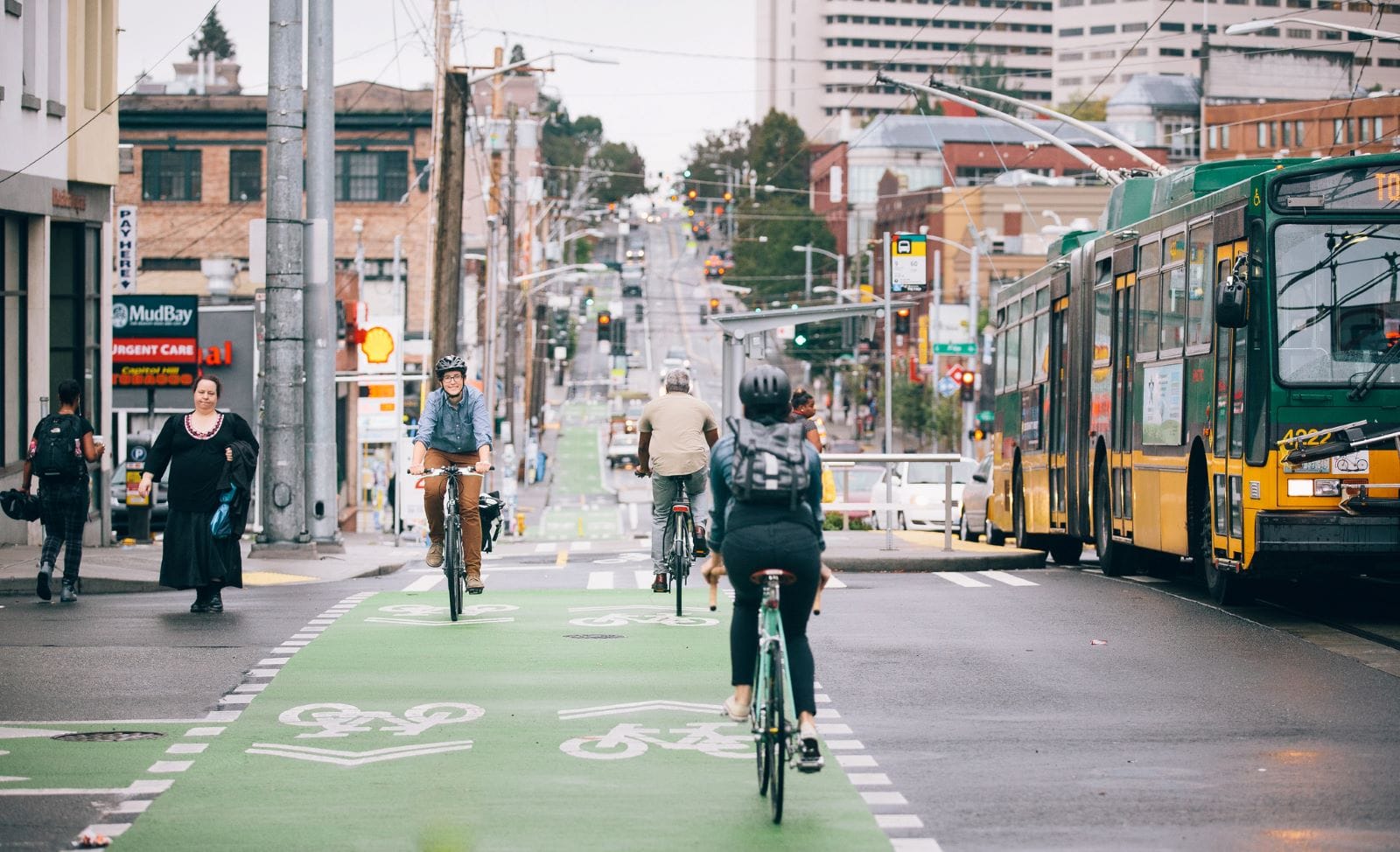
Questions remain about how the City will get there and how committed it is to overcoming obstacles. Transit would jump from 11% of trips to 24% of trips by 2030 if Seattle is able to meet the goal set in its recently released “Climate Change Response Framework.” Walking, rolling, and
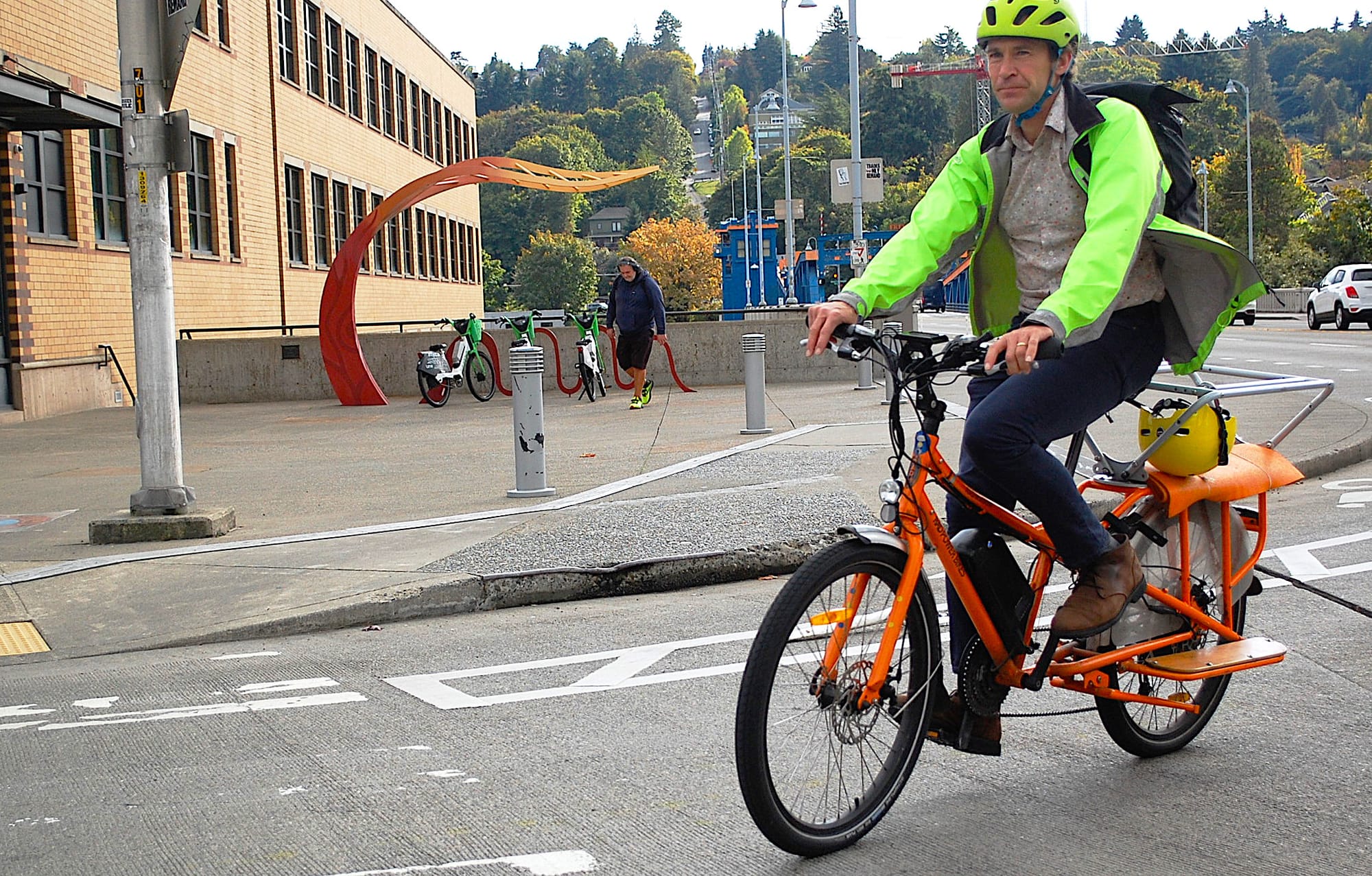
With prices dropping and a state rebate coming soon, e-bike sales are booming. Here are tips for those looking to hop on the e-cargo wagon. E-bikes are having a moment in Seattle and beyond. Prices are dropping, sales are climbing, and more and more people are discovering that electric-assisted bicycles
A meeting of an obscure regional planning body got tense last week as elected officials sparred over the issue of expanding King County’s urban growth boundary to encourage housing development and preservation of existing open space along the exurban fringe. The area of focus are near the cities of
Washington State has 40 electric school buses so far — but big plans to change that. Meanwhile most parents drive their kids to school. That is the sentiment Vice President Kamala Harris expressed to a handful of Seattle students, educators, and leaders in October when announcing $1 billion for electric school
Small reminders to celebrate lots of good neighbors. In the short gap of indecisive September clouds between Smoke Season and Spider Season, Seattle experiences one of the town’s most prized but understated traditions. It’s plum season. And it makes the city so much more livable. Just after Labor
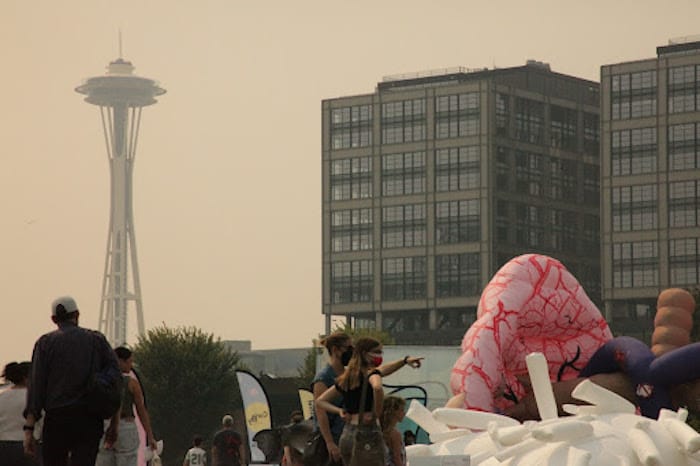
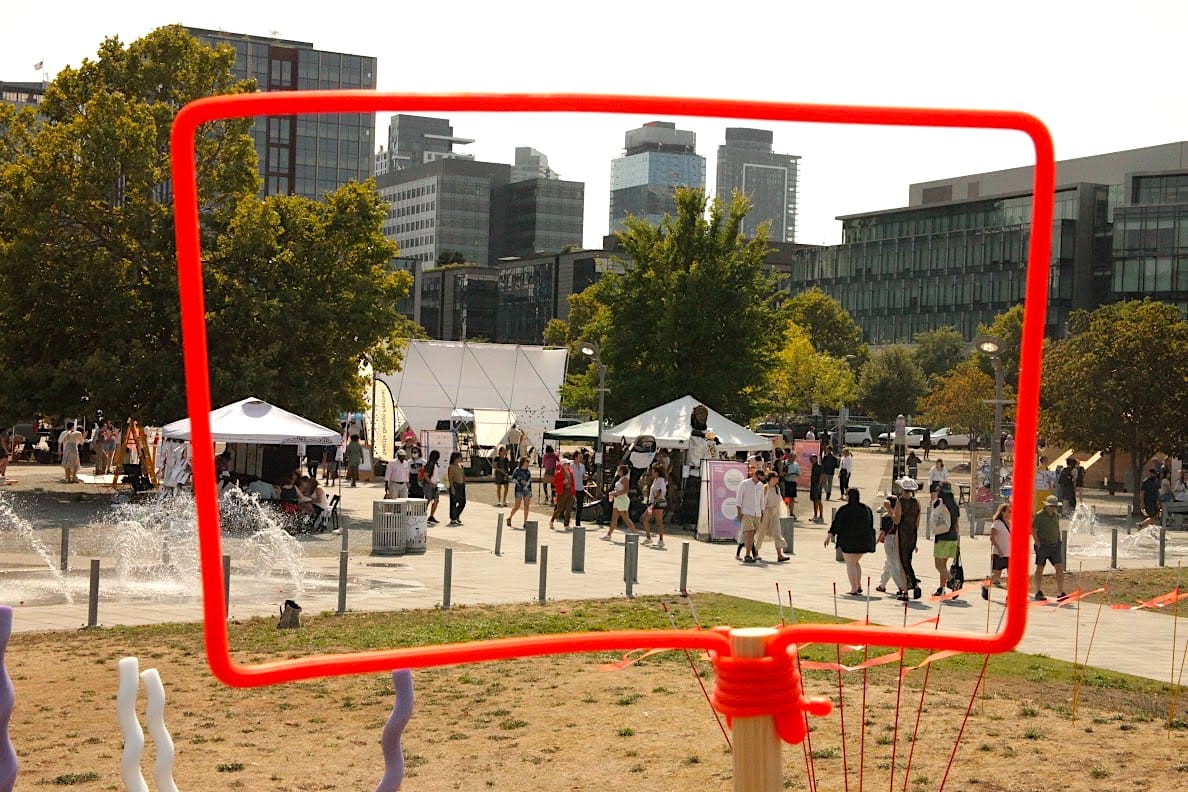
Spread out across Lake Union Park from August 19 to 24, exhibits and activities for all ages connect Seattleites with urban design concepts and planning for the city’s future. Despite the smoke from forest fires, hundreds of people flocked to Lake Union Park Saturday for this year’s Seattle
Do you know where Seattle, or your town, gets drinking water? Is it reliable and safe? Will we have enough water in the Puget Sound region as the population grows? What does today’s drinking water in the Seattle area, the Great Seattle Fire of 1889, Spring Street downtown, migrating
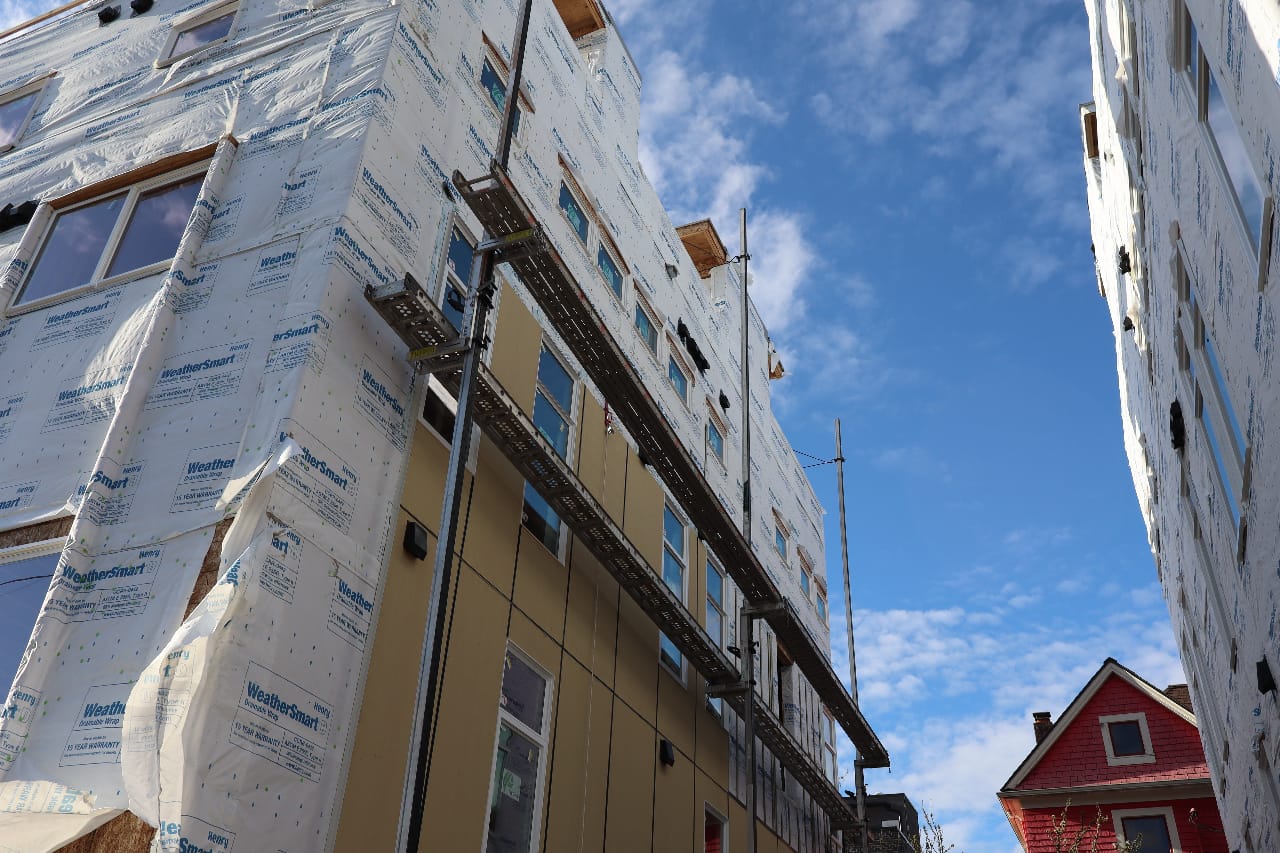
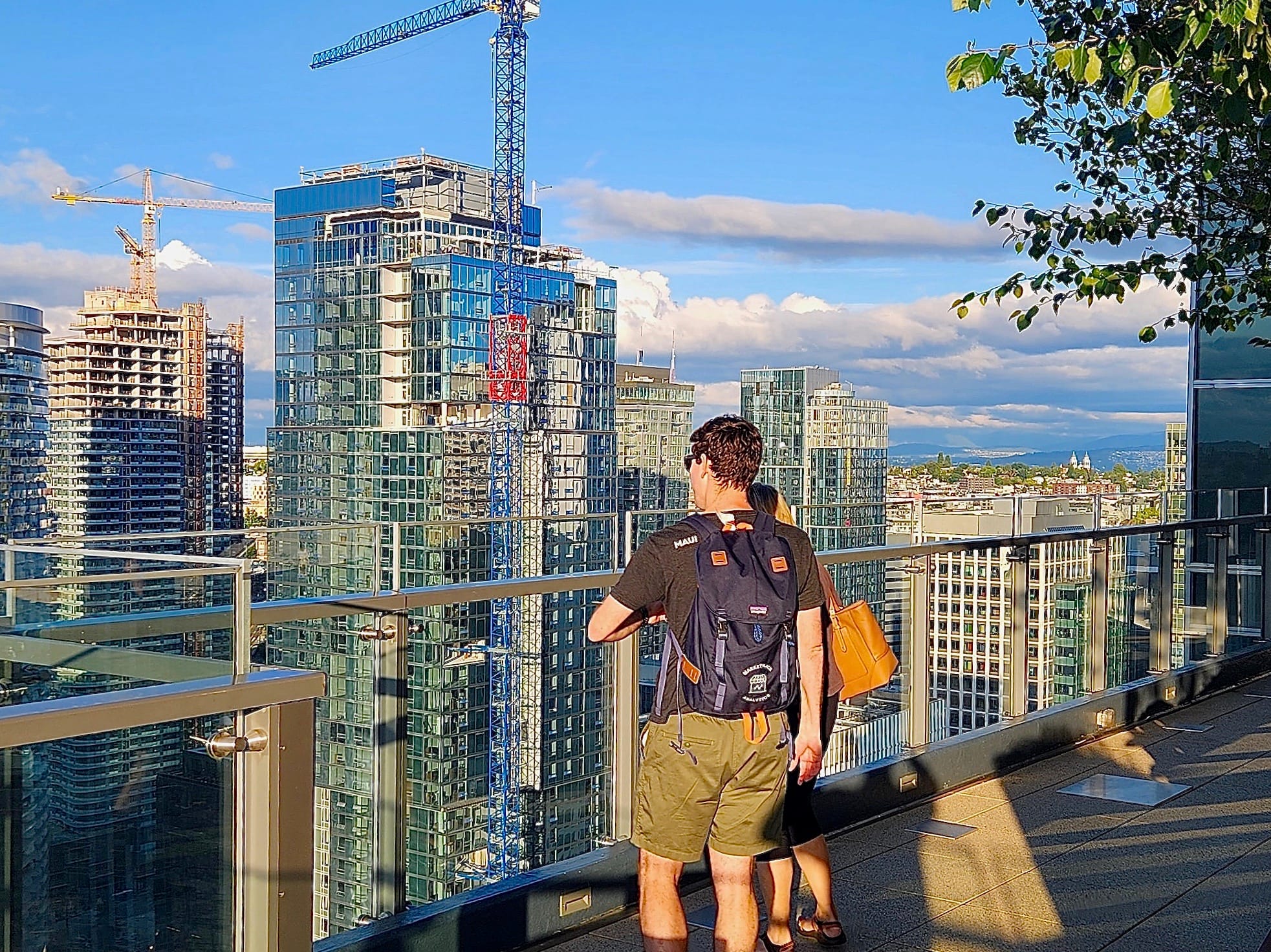
It is impossible to ignore the construction that is happening throughout the Puget Sound region. Cranes and scaffolding are everywhere. In Q1 2023 alone, the Seattle area had 51 cranes on construction sites which is part of an all-time high number of cranes for North America. “The three top sectors

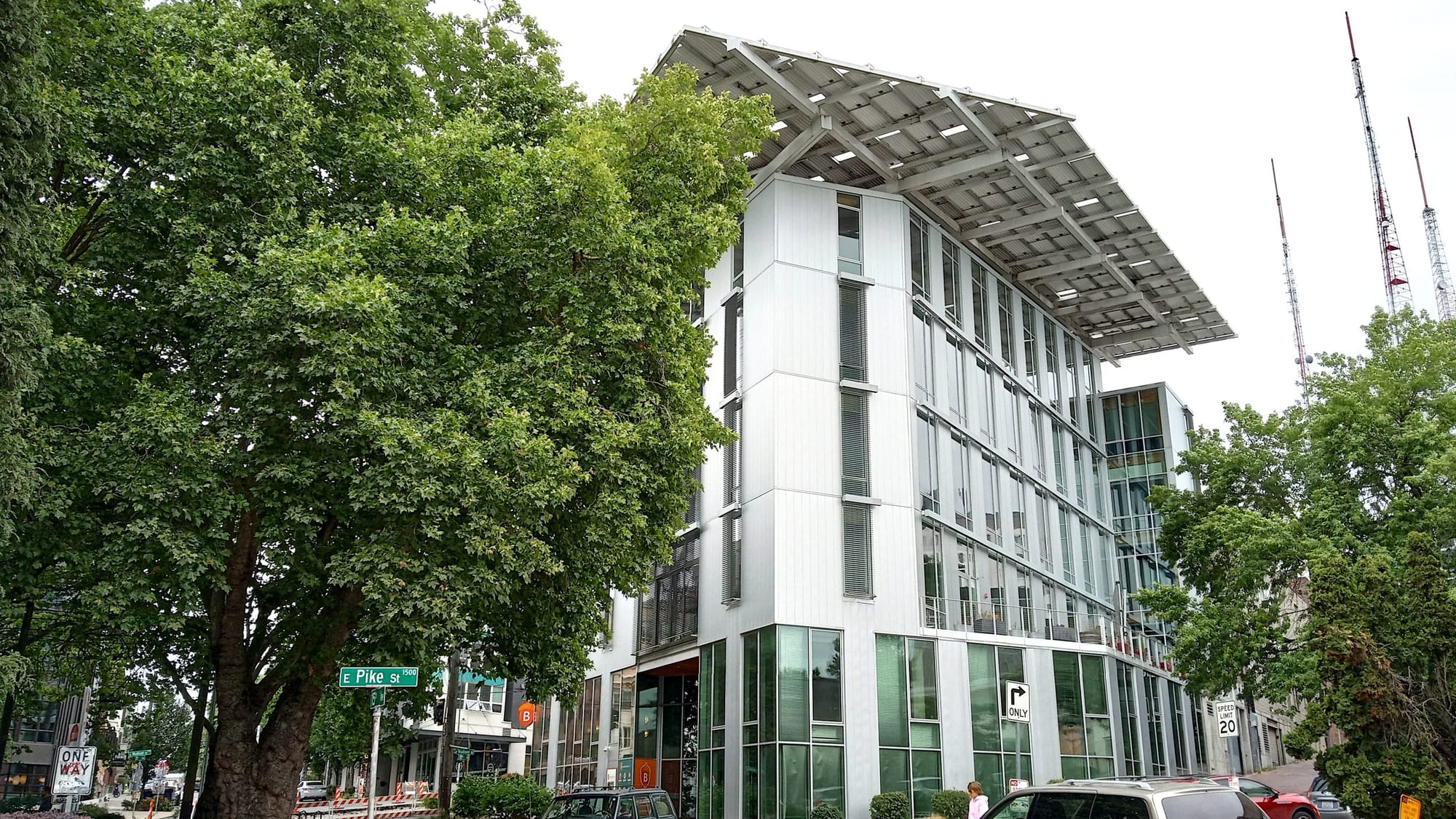
“Those who assume that a net-zero building like the Bullitt Center is either too expensive to be profitable or requires cutting edge technology are mistaken.” When the Bullitt Center – the world’s first commercial building to achieve net-zero use of energy and water – opened in Seattle in 2013, it was
The highly polluting airshow should be a relic of the past as we face the climate crisis. Dear Seattle, it’s time to be as brave as a mother. There’s one topic intruding into our thoughts this summer: When will smoke season in Seattle begin? Can we plan fall
My journey to urbanism took a twisted path. I grew up in rural Kitsap County, studied forest ecology, and worked in the woods of Alaska, Washington, and Oregon for 10 years in outdoor recreation and biology for the Forest Service, National Park Service, Fish and Wildlife Service, a public utility,
Tree activists rally, seeking to save a giant red cedar in Wedgwood from the ax. Luma is a healthy old growth Western red cedar in the Wedgwood neighborhood of Seattle with cultural and ecological significance, but it’s under threat of destruction. Luma is currently under an order for removal
A trip to Cedar Hills Regional Landfill shows garbage’s disappearing act is an illusion. There’s a great episode of 99 Percent Invisible that compares residential waste collection systems in Taiwan and the US. In Taipei, garbage and recycling trucks run their routes multiple times a day, playing distinctive
This weekend, Seattle’s Office of the Waterfront quietly opened a stretch of rocky beach in Pioneer Square, just south of Colman Dock. The small parcel of waterfront, which has been sitting behind a fence for more than two years so that the plants could fully develop in the space,
Summertime gets us thinking about a whole bunch of stuff, including grass. In cities across North America, grass yards are often a symbol of wealth and success and in many areas they have a cult status. But what are some of the pros and cons of covering land in a
Often after Rosa Lopez picks up her son from school, they walk under a highway and half a mile to the South Park Community Center. She pointed to their route on a wooden display of the western Duwamish Valley, a mapping tool designed by the University of Washington’s Department