Local Officials Share Transit Aspirations for World Cup
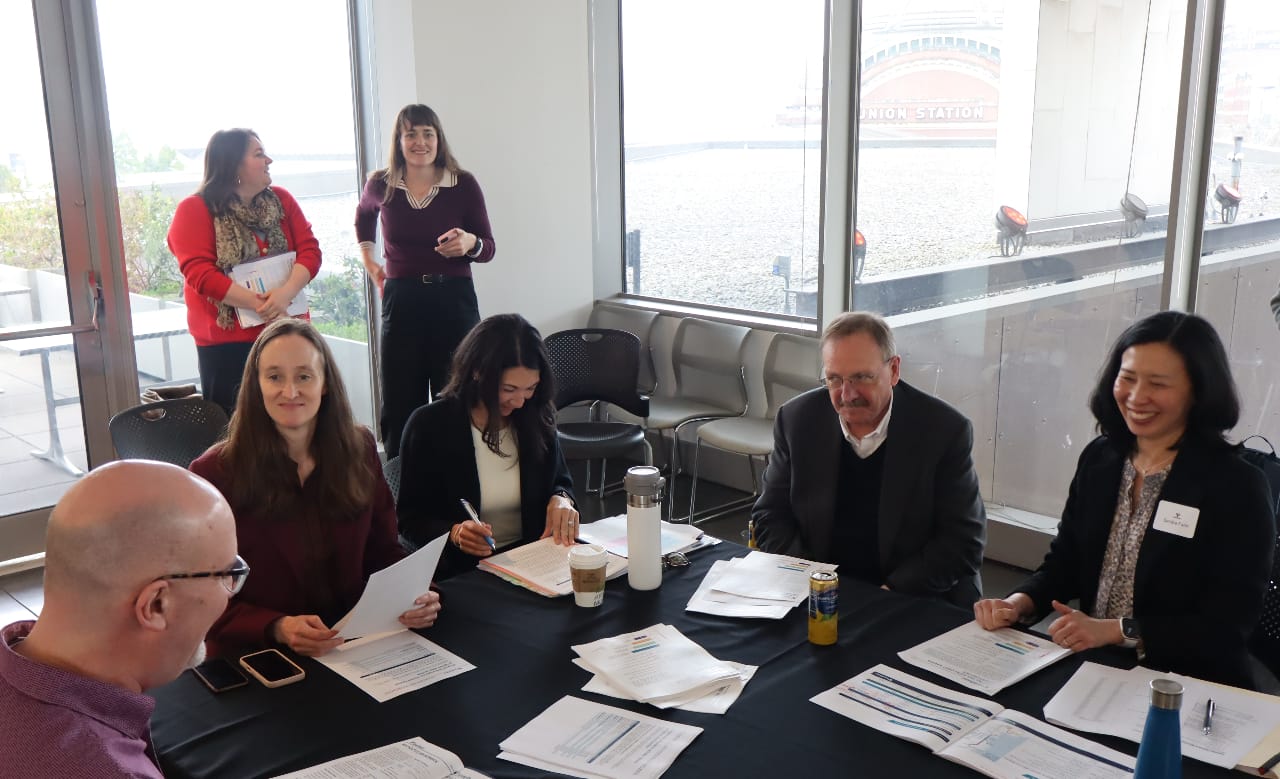
Local leaders plugged expanded transit options for Seattle's World Cup matches this summer and shared their goal for 80% of fans to arrive without a personal vehicle. Here's what is planned.
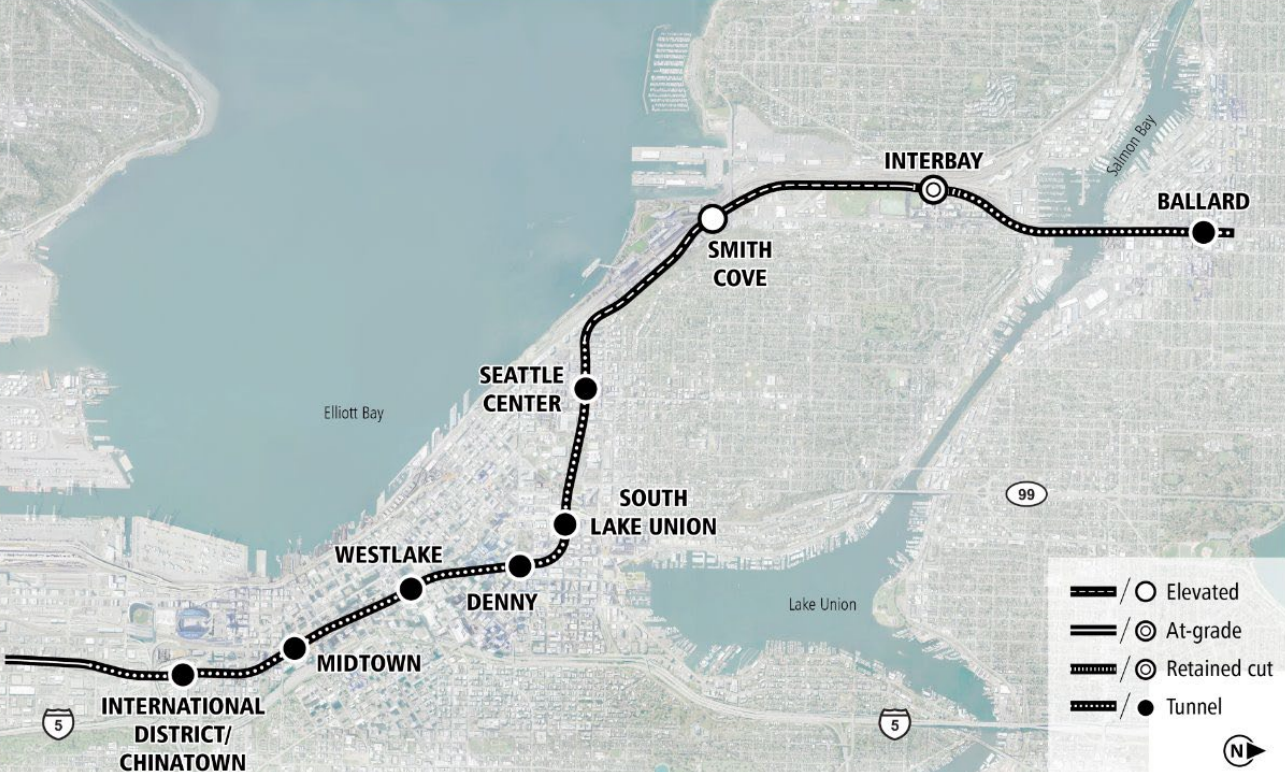
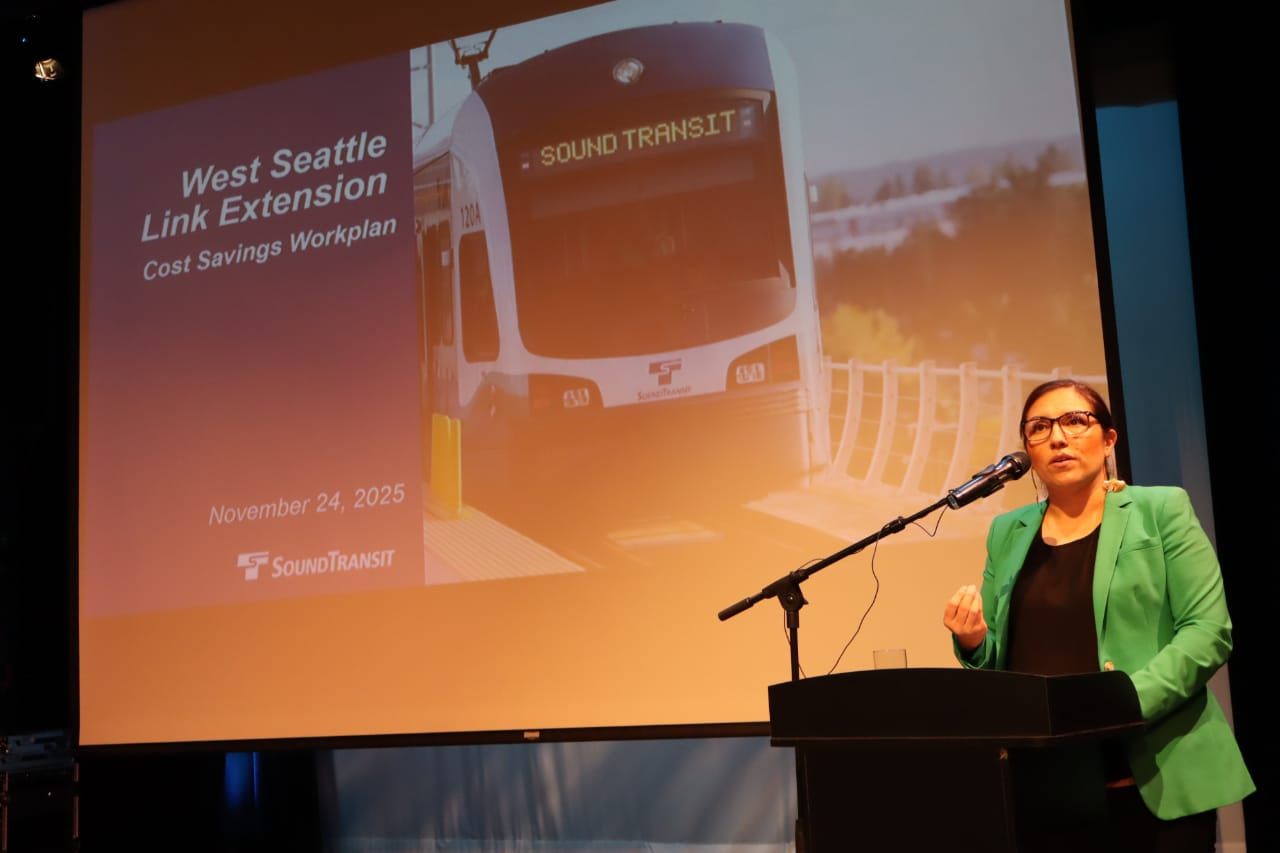
Seattle leaders have been urging Sound Transit to provide a date estimating light rail's arrival to Ballard in light of plans to defer the station indefinitely, but the agency is insisting it doesn't know. This has not sat well with advocates.
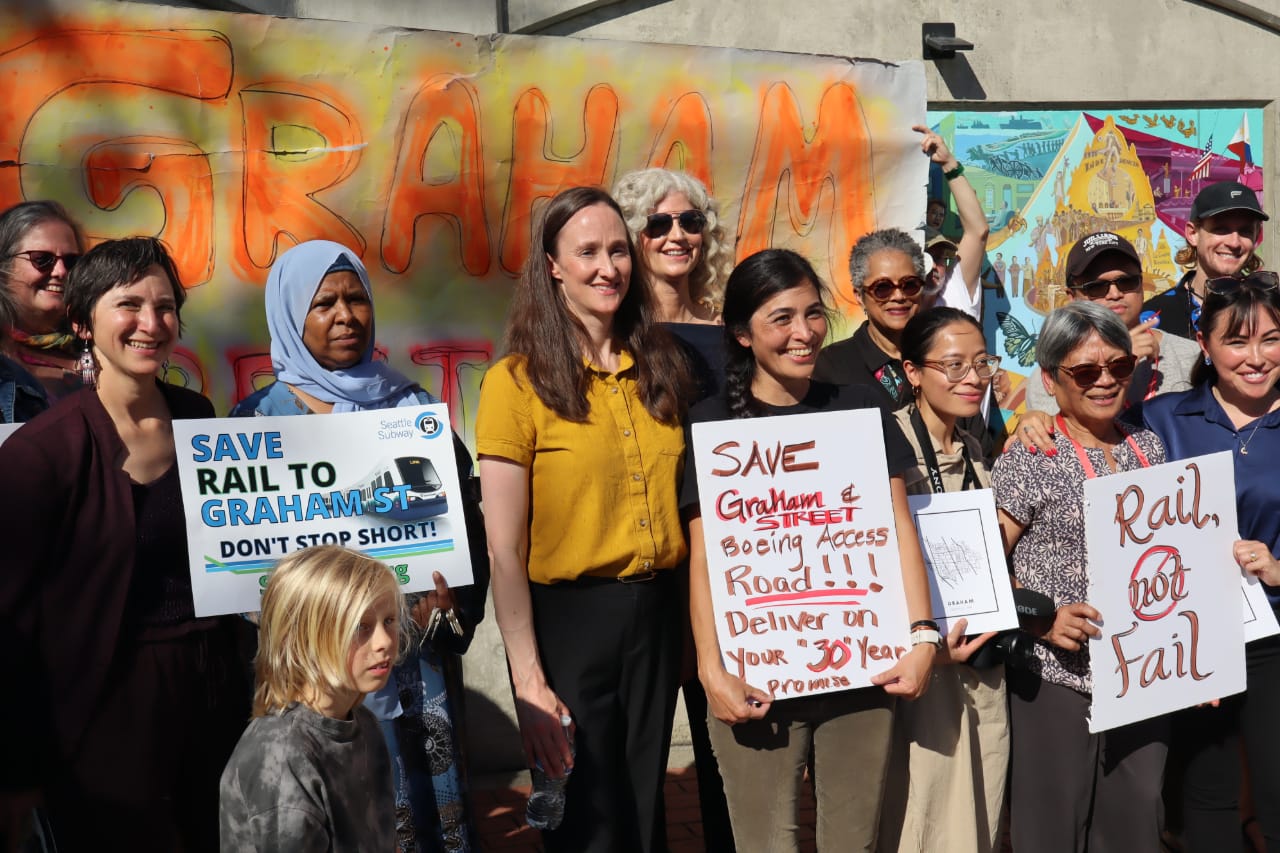
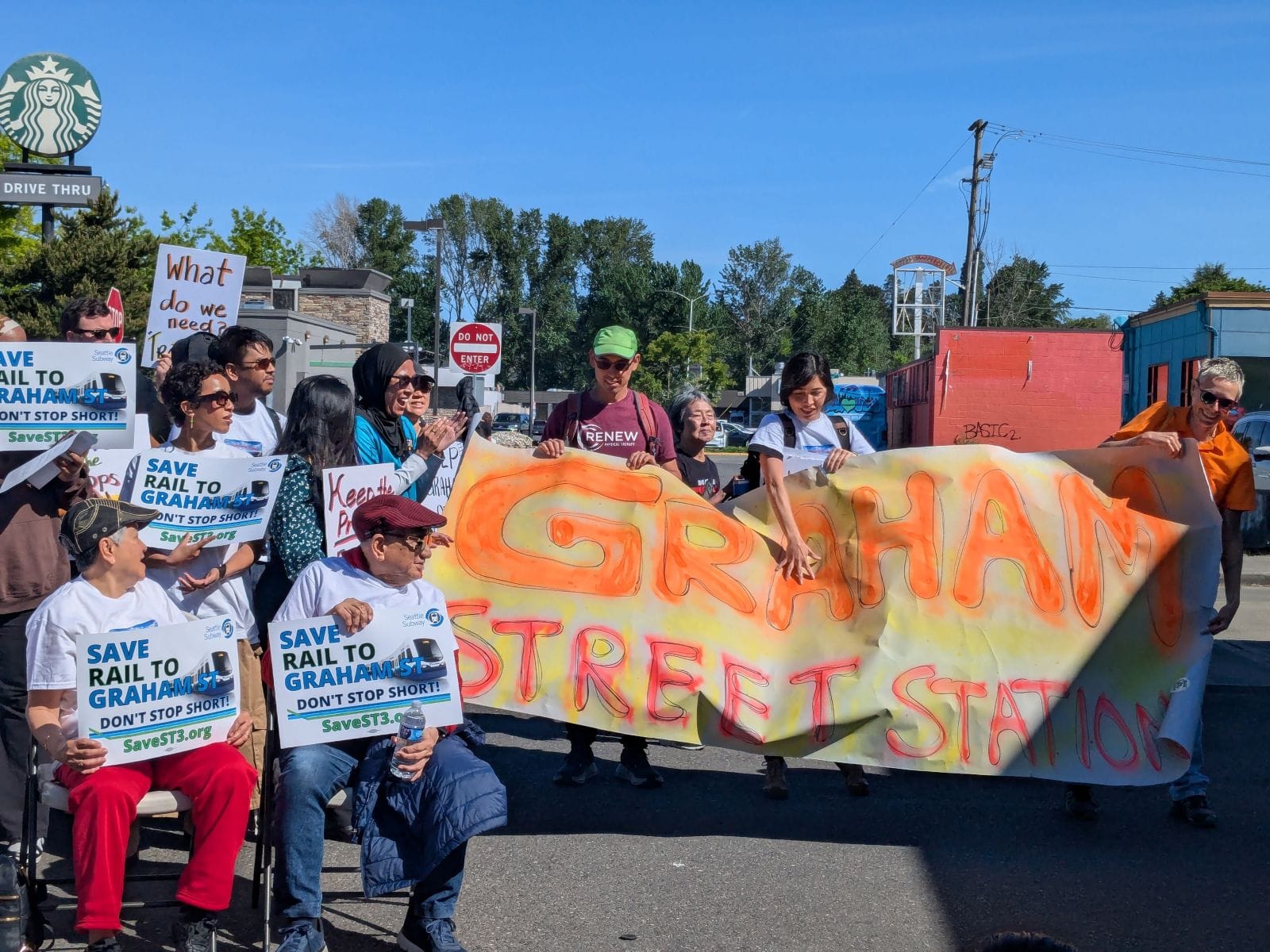
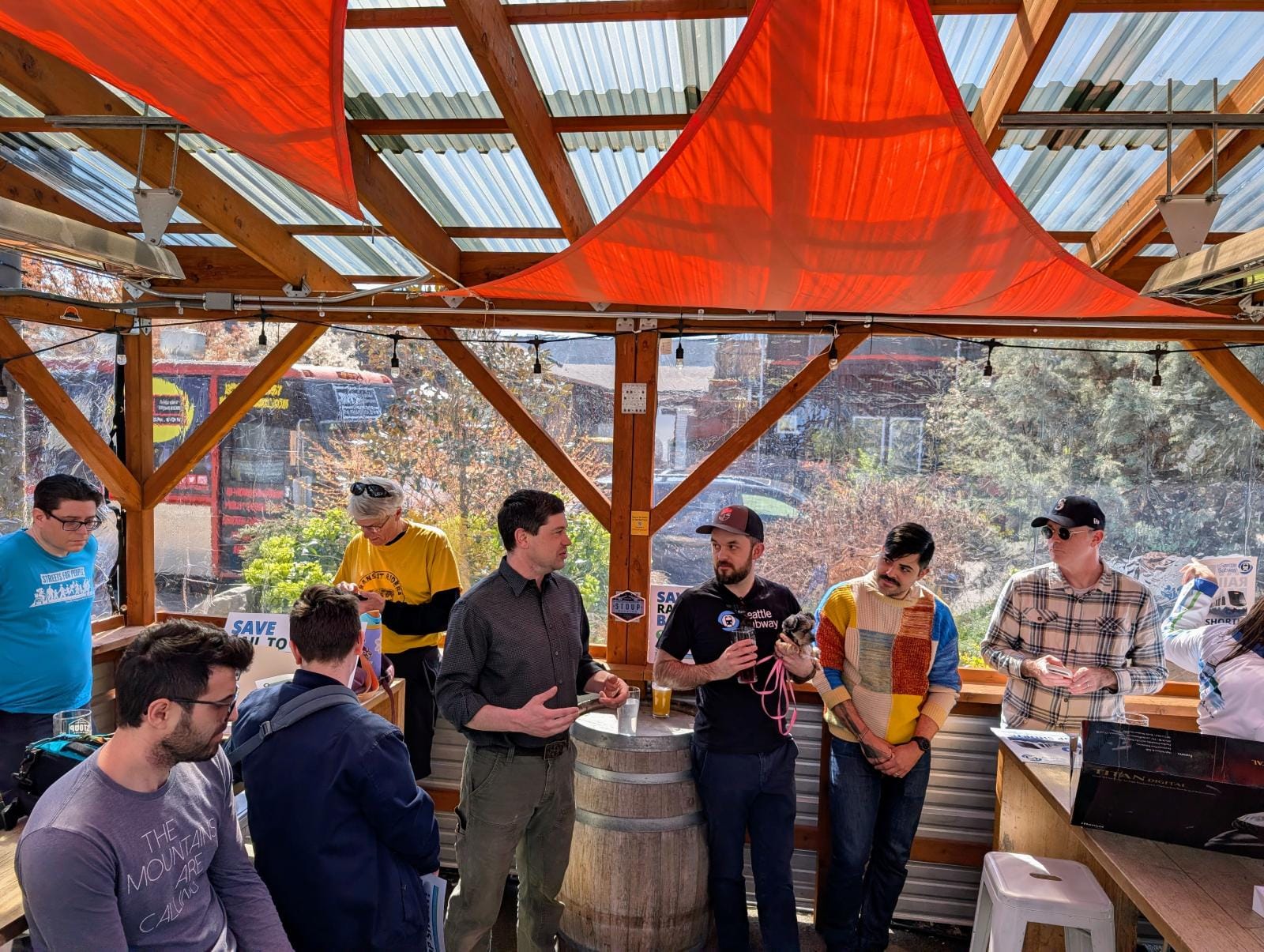
At a rally Monday near Seattle’s future Graham Street infill light rail station, advocates demanded Sound Transit not cut two long-planned infill stations as it rebalances ST3 plans. Speakers flagged issues with racial equity and restoring trust with voters.
The "affordable ST3" plan still leaves $11-$13 billion in projects unfunded, as Sound Transit board members vow to look for additional revenue and cost savings. With a May 28 board vote fast approaching, the rebalancing proposal looks mostly baked at this point.
Riding the bus regularly can help officials make better policy decisions. Nondrivers Alliance wants your help to invite them to participate in the annual Week Without Driving this fall.
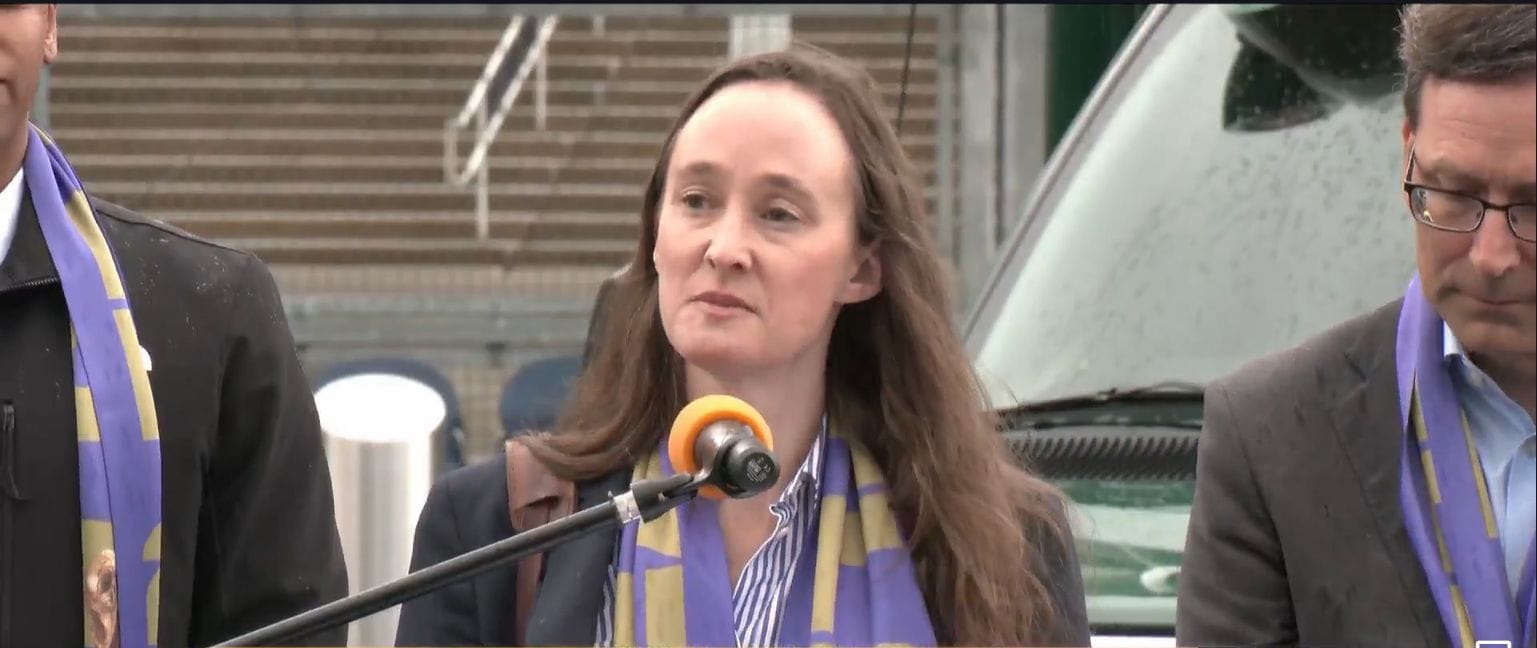
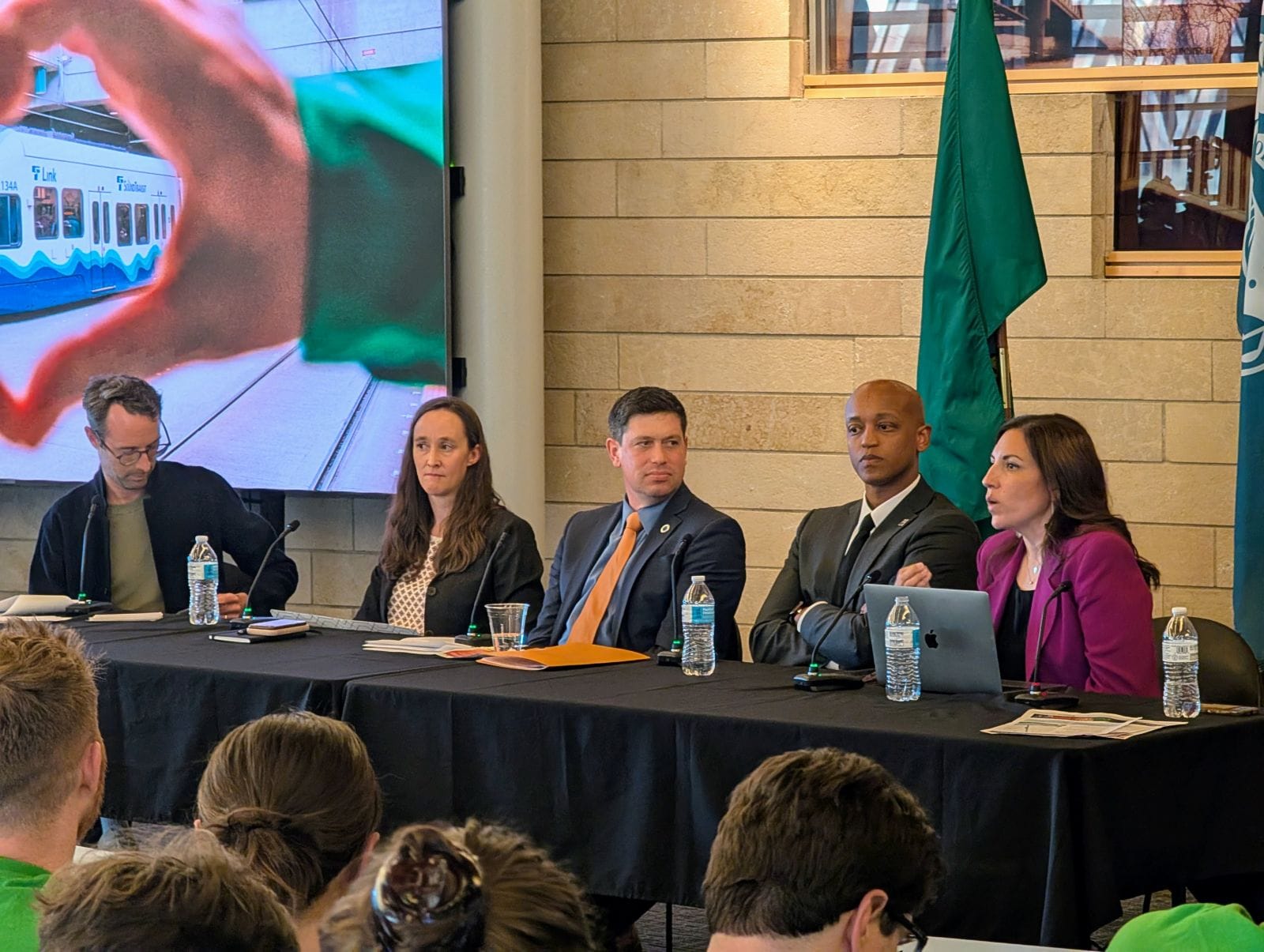
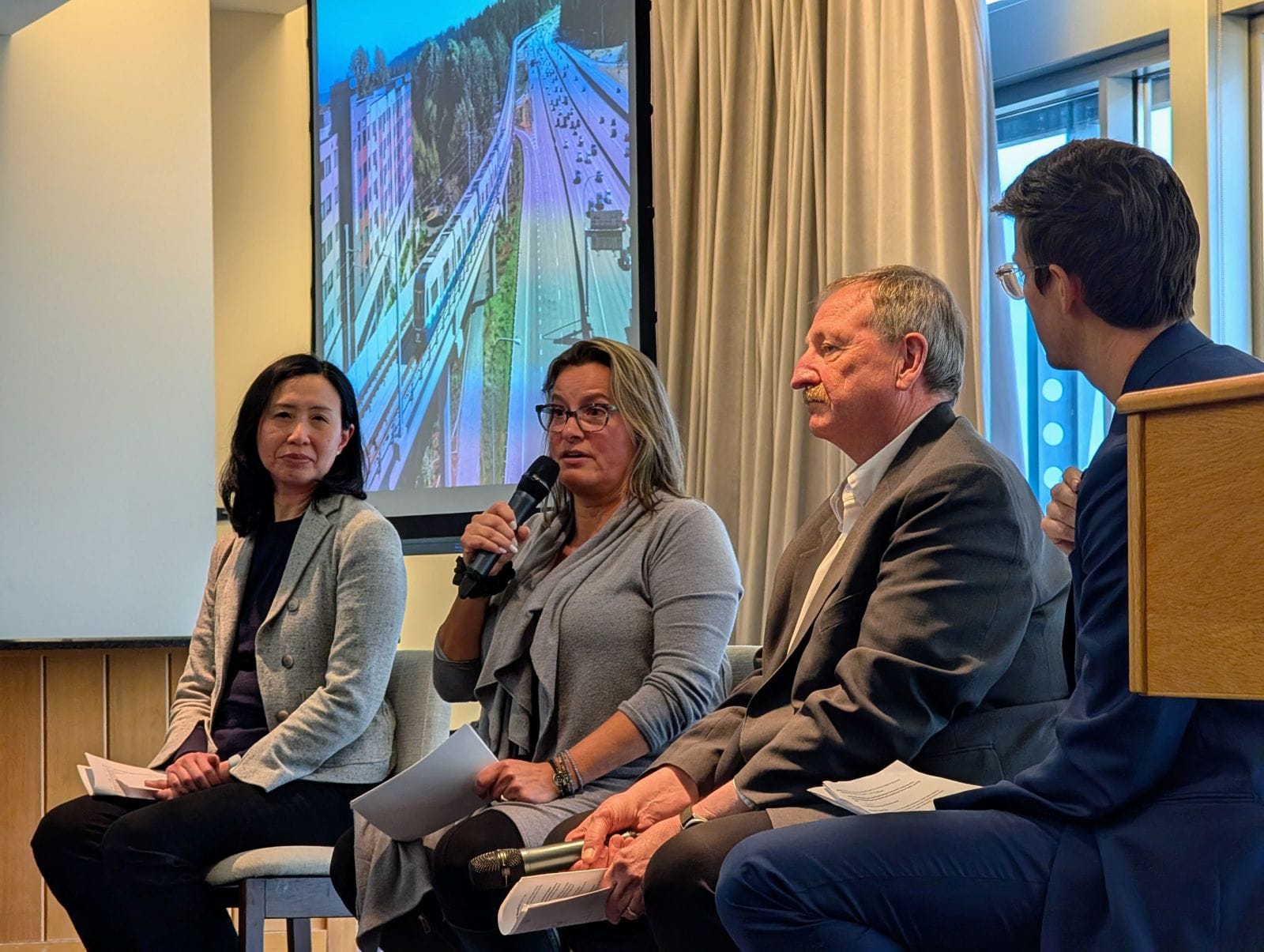
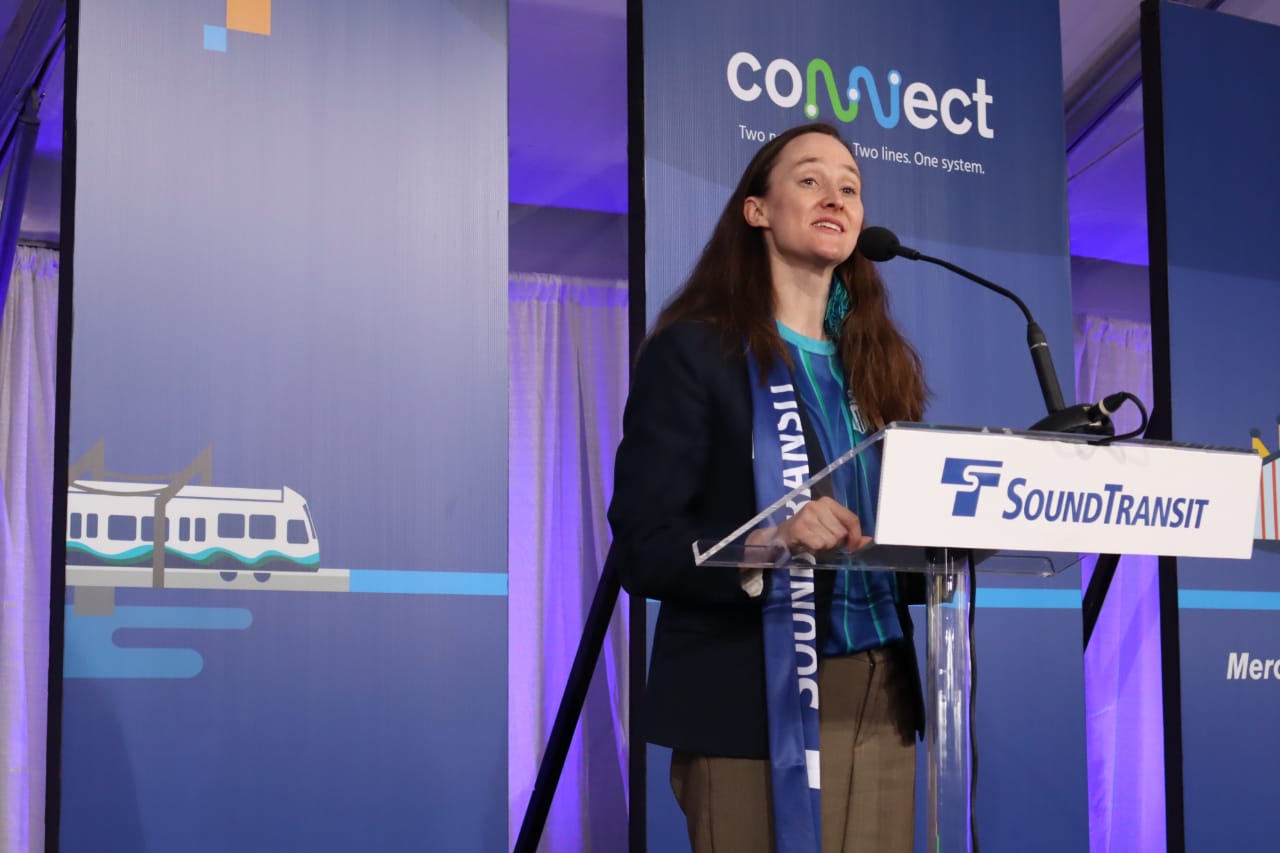
At a Tuesday forum, King County Executive Girmay Zahilay, County Councilmember Teresa Mosqueda, Seattle Mayor Katie Wilson, and Seattle Councilmember Dan Strauss pushed back hard against Sound Transit's proposal to defer Seattle light rail stations in Ballard, Interbay, and Hillman City.
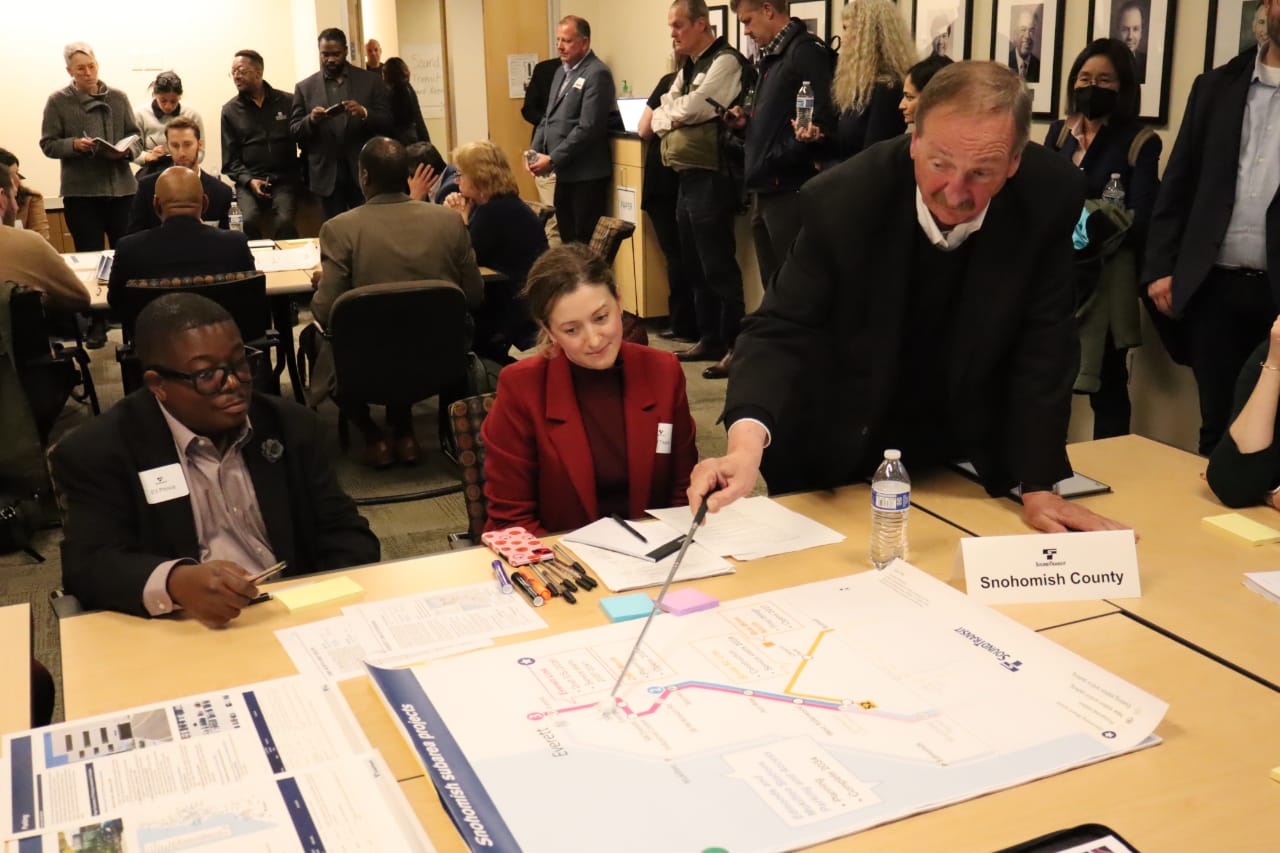
A proposal to close a $34.5 billion gap in the voter-approved ST3 plan is on a fast track to a Sound Transit board vote on May 28. Developed by Snohomish County Executive Dave Somers, it would prioritize completing the regional rail "spine" while deferring and delaying multiple other major projects.
"It may take a few generations to solve the problem," Walsh told his colleagues, seeming to blame people hit by drivers while walking in Federal Way. His comments are far from being an outlier in the pedestrian-hostile city.
Bellevue Transportation Director Andrew Singelakis told city councilmembers he'd like to see spending on vehicle mobility ramp up from 10% to 25% of the city's spending on transportation. That looks to be at odds with Council, which is focused on safety investments.
Facing a cost-cutting scenario from Sound Transit that may see trains stop short of Tacoma, South Sound leaders on the board look to be laser focused on delivering that light rail connection. The agency might need to get creative with other projects in South Sound.
The Draft Environmental Impact Statement for the biggest rail project in the Sound Transit pipeline is months overdue, with delays stemming from a Federal Transit Administration review to blame. Until that document is released, the board can't advance the project into final design.
A plan to add 21 on-street bike and scooter corrals in a joint effort to keep sidewalks clear and maintain visibility at intersections has been reduced to just 3 corrals. Neighborhood business advocates raised concerns around aesthetics and parking removal, despite a limited impact on legal spots.
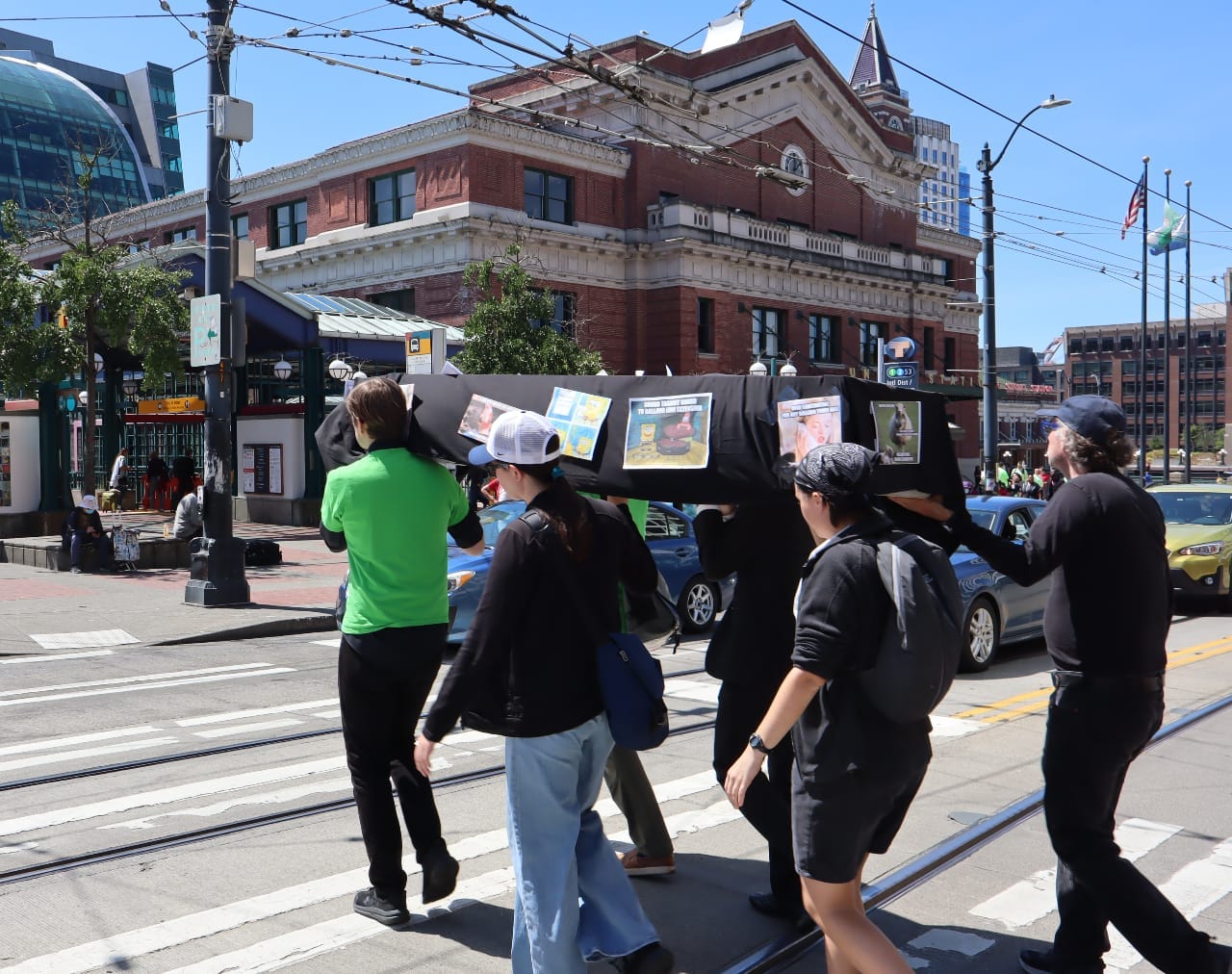
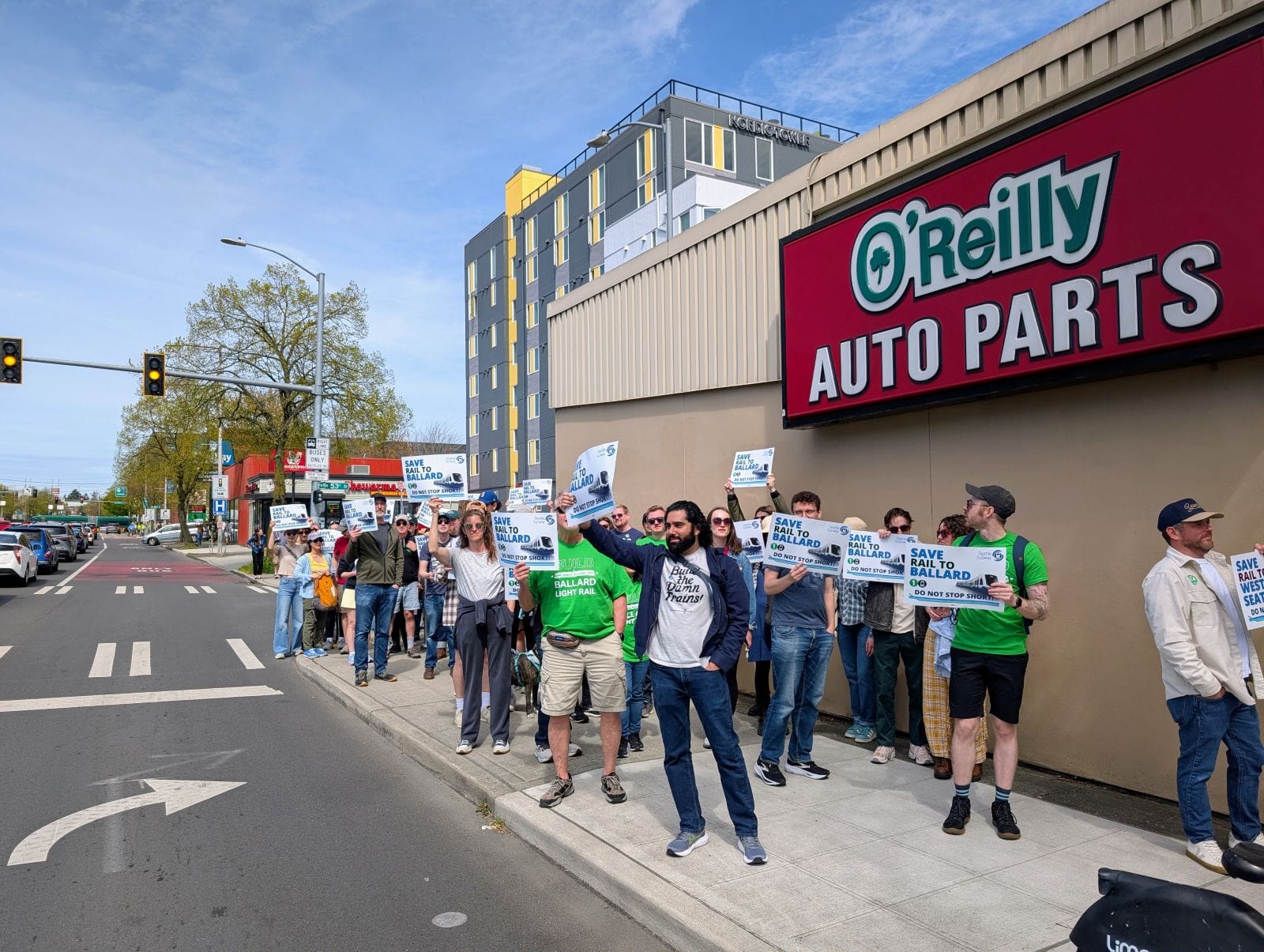
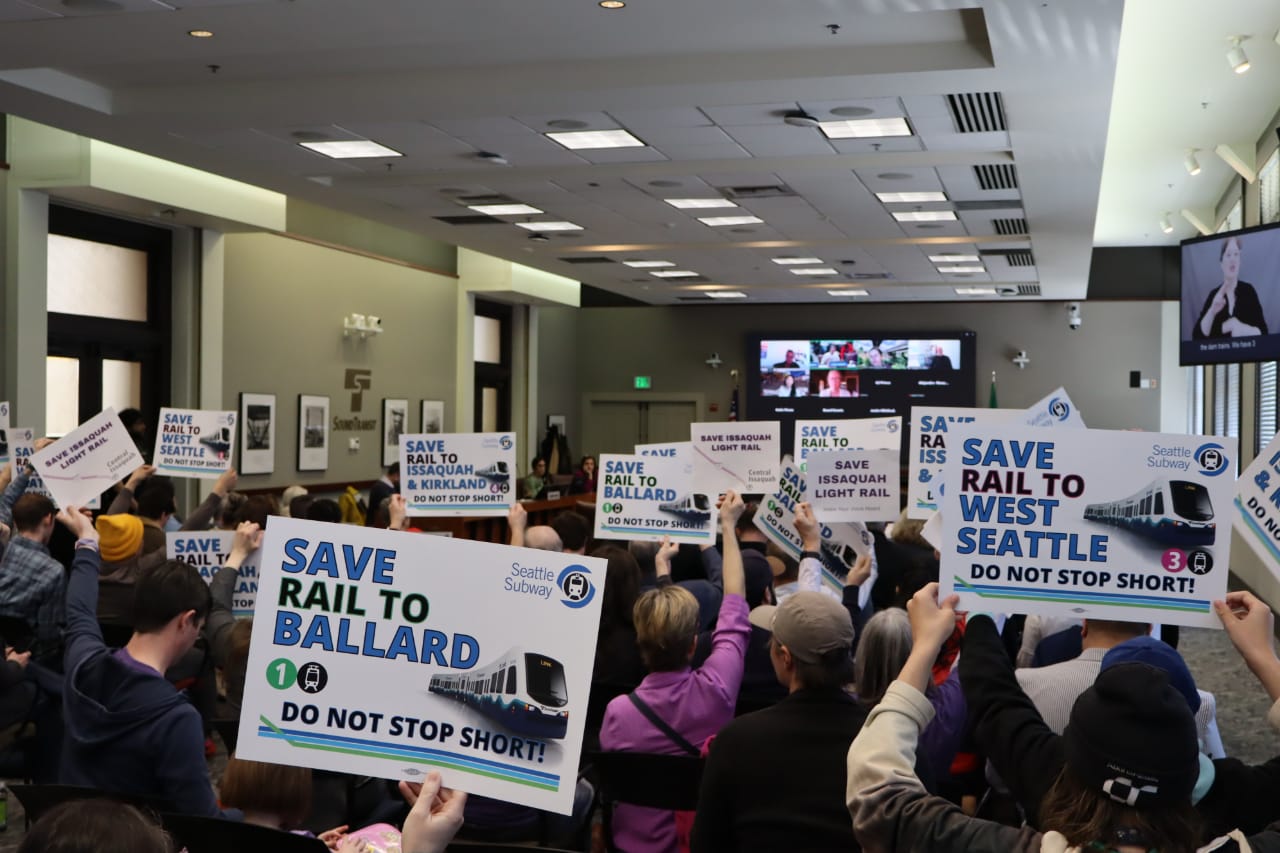
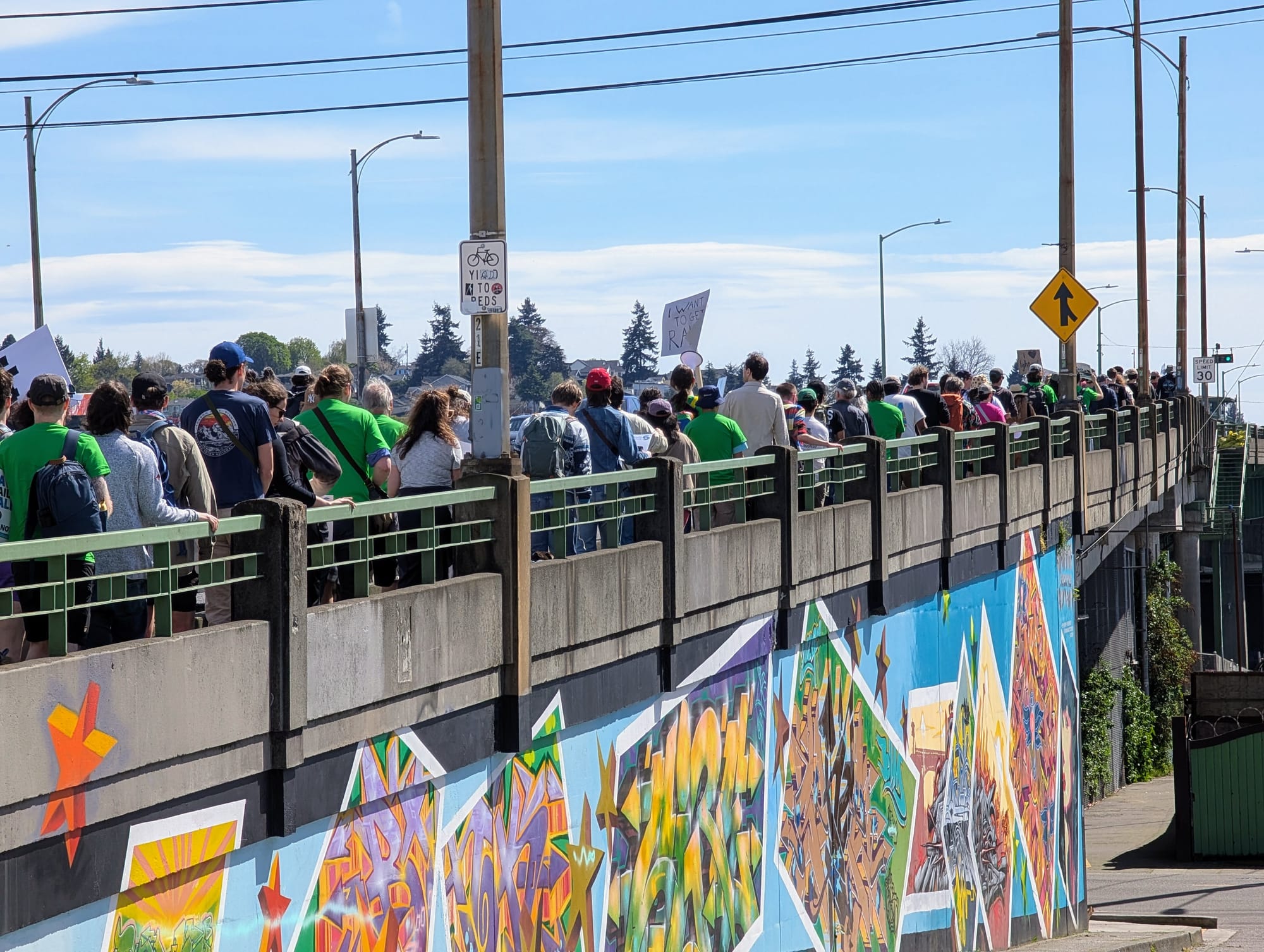
While on Sound Transit's chopping block, the Ballard and Interbay neighborhoods made it clear at a 300-strong rally and four-mile march Sunday they are not going down without a fight. Advocates wants to see all light rail projects promised in ST3 built.
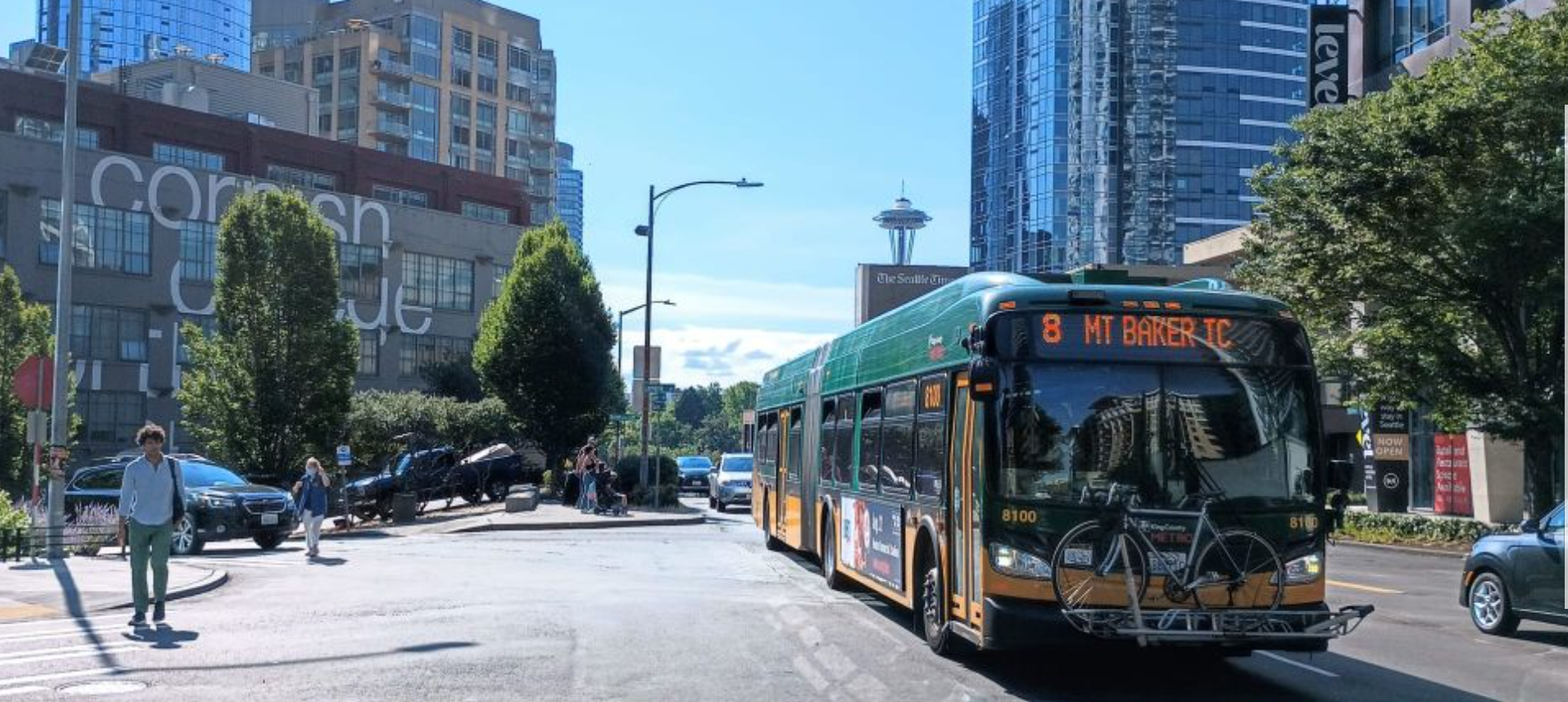
A new eastbound transit lane will go in on Denny Way between 5th Avenue and Stewart Street this August, in addition to a permanent closure of an infamously congested slip lane at Yale Avenue. The improvements are sure to bring joy to Route 8 bus riders.
At an April 14 rally in Everett, Snohomish County Executive Dave Somers and Everett Mayor Cassie Franklin repeatedly stressed that finishing the light rail "spine" to Everett and Tacoma would be their top priority, while backing a plan to defer getting to Ballard.
Despite committing to eliminate deaths and serious injuries on city roadways by 2030, the numbers in Seattle aren't declining. Though a recent call for a performance audit has attracted attention, it will ultimately fall to Katie Wilson to orient SDOT toward safety.
The Tacoma City Council voted Tuesday to put a new “Connect Tacoma" levy on the ballot. Scaled back from a proposal voters rejected last April, the package still aims to fulfill goals of safer, more pedestrian-friendly streets.
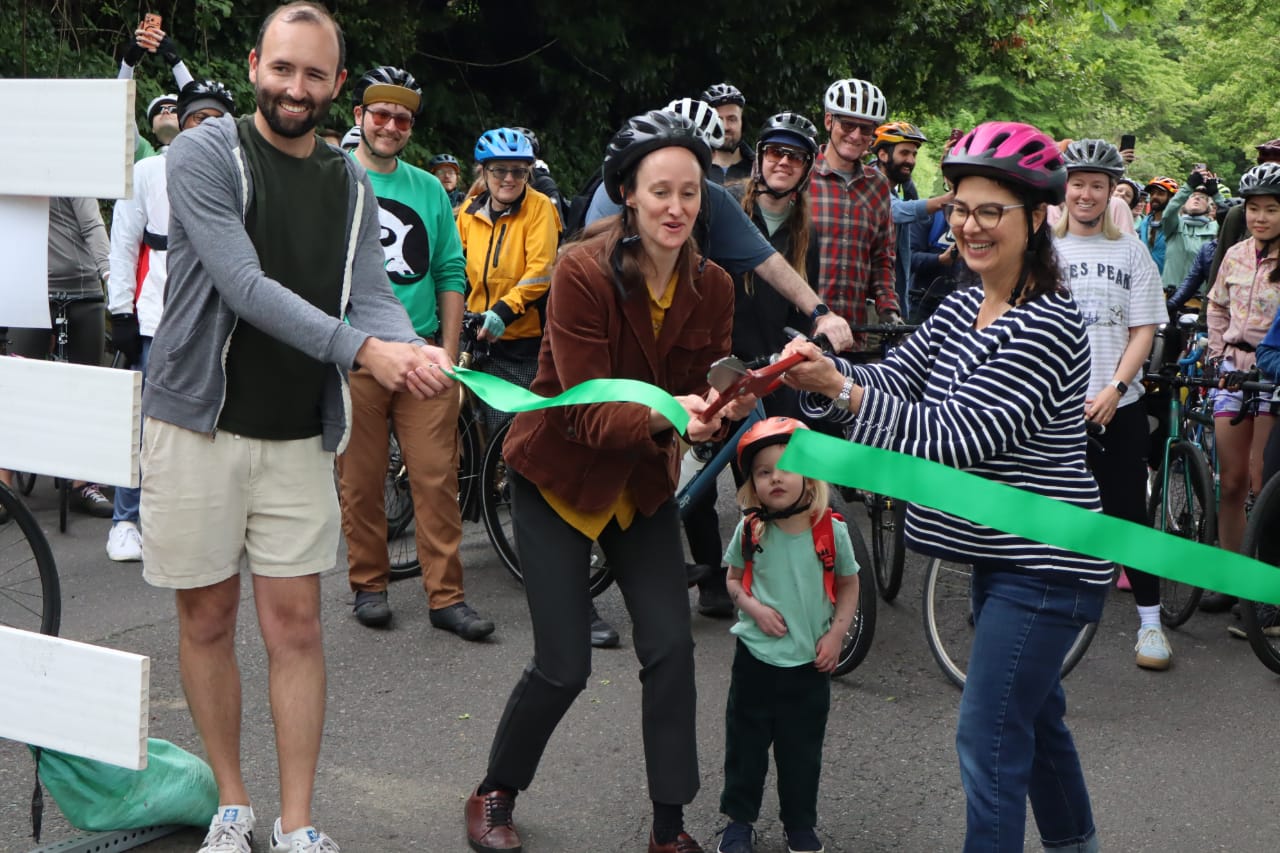
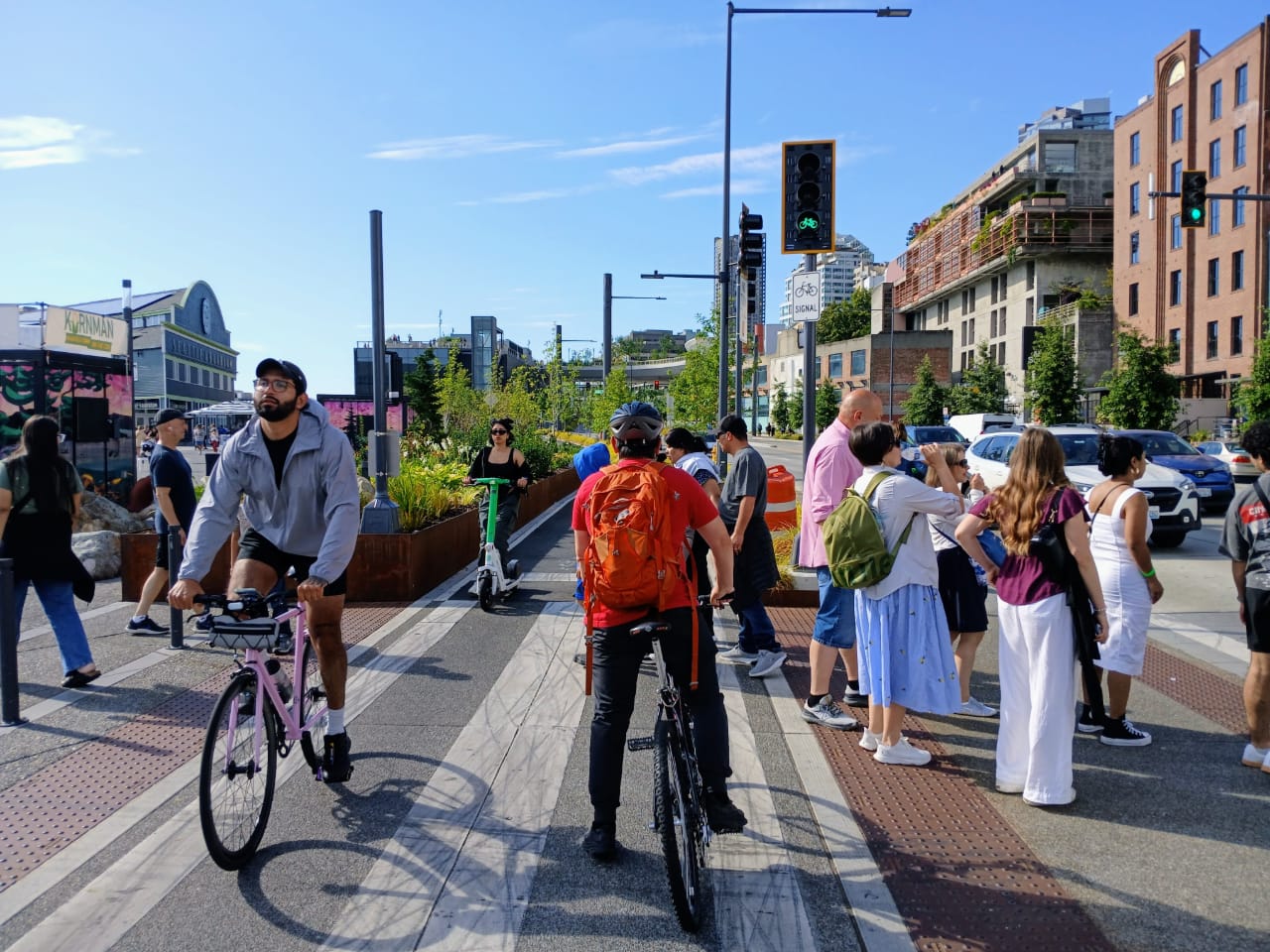
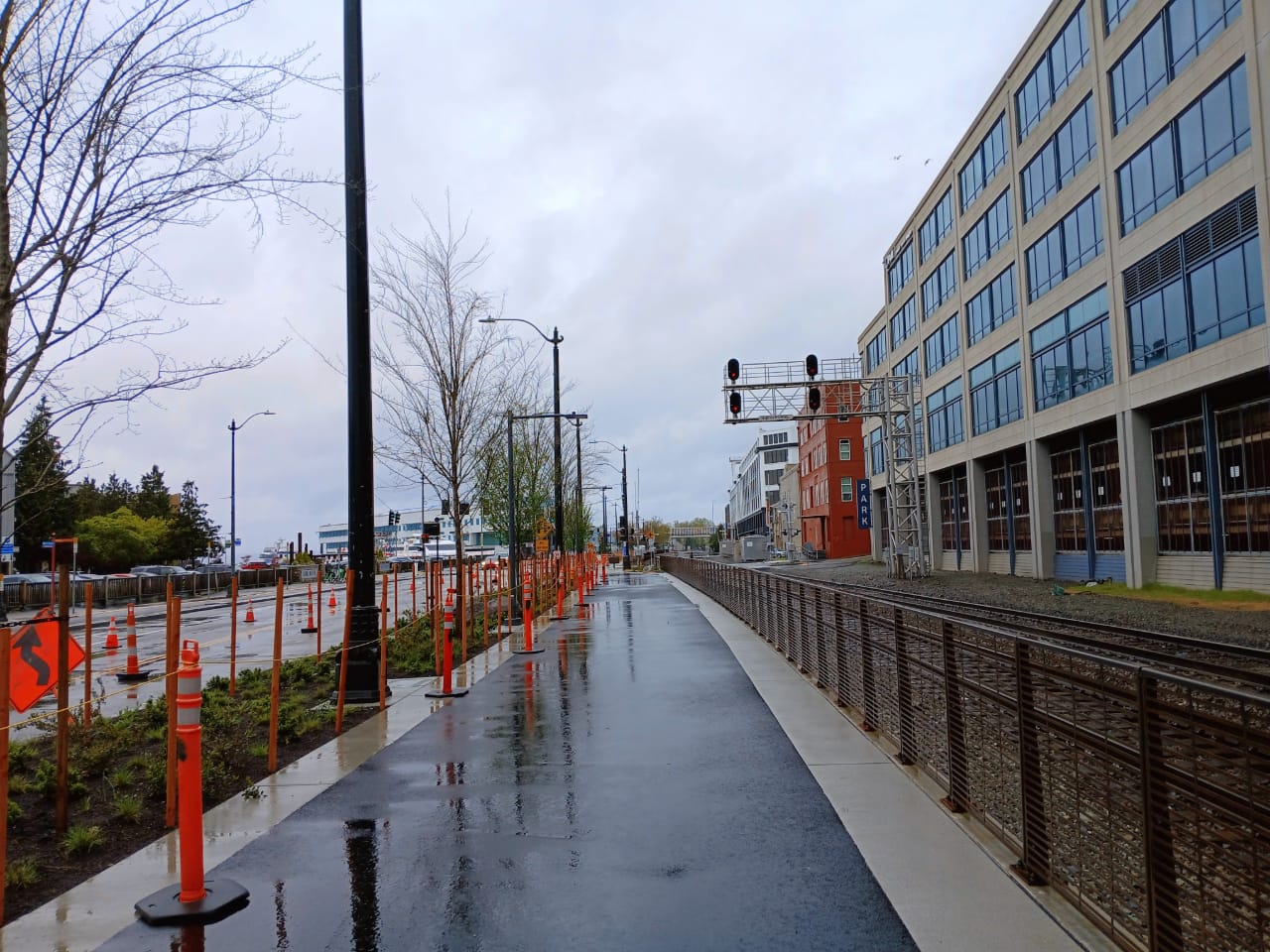
Riders will get a sneak peek of the new trail for a few hours on the first day of cruise ship season, providing a detour around Pier 66. The full stretch opens next Tuesday, providing a wide, comfortable path between downtown and the Olympic Sculpture Park.
Sound Transit can halve the cost of light rail to Ballard and West Seattle by building them as a connected automated light rail line with slimmer stations, according to two transit experts who have launched the Sound Transit Now campaign.
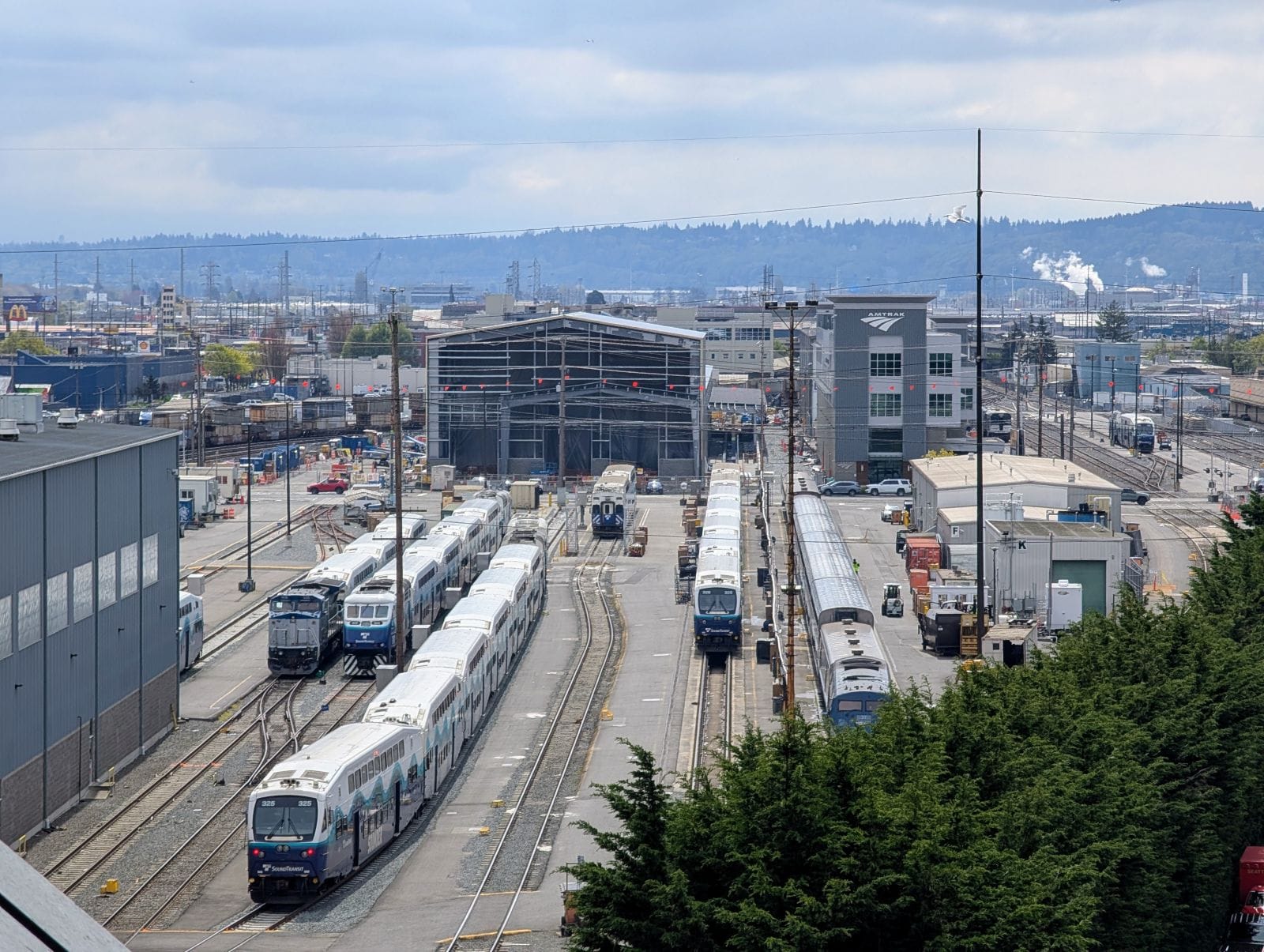
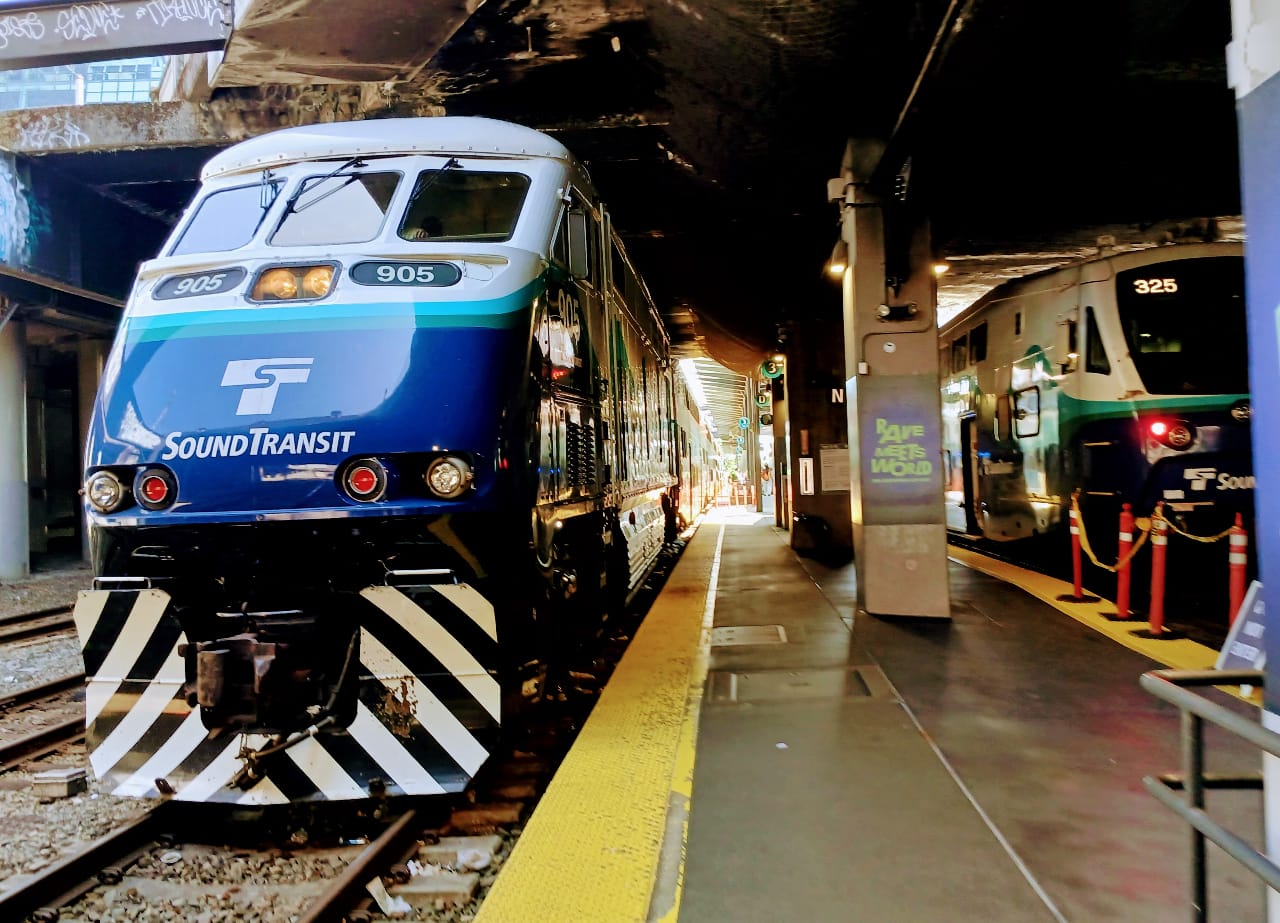
Amtrak's $300 million expansion of its SoDo trainyard hit the 50% complete mark this month and is on budget and on track to open in 2027. Officials welcomed local media for a tour of the facility on Thursday.
Seattle Mayor Katie Wilson and Tukwila Mayor Thomas McLeod have been sticking up for a pair of infill light rail stations that have been on the books for a long time, with a clear goal of making sure they don't fall through the cracks as Sound Transit makes budget cuts.
Transit advocates shared ideas to save Ballard Link light rail from being cut or severely delayed at a rally Saturday. A ballooning budget has Sound Transit considering drastic measures, but advocates see a path forward to get to Market Street.
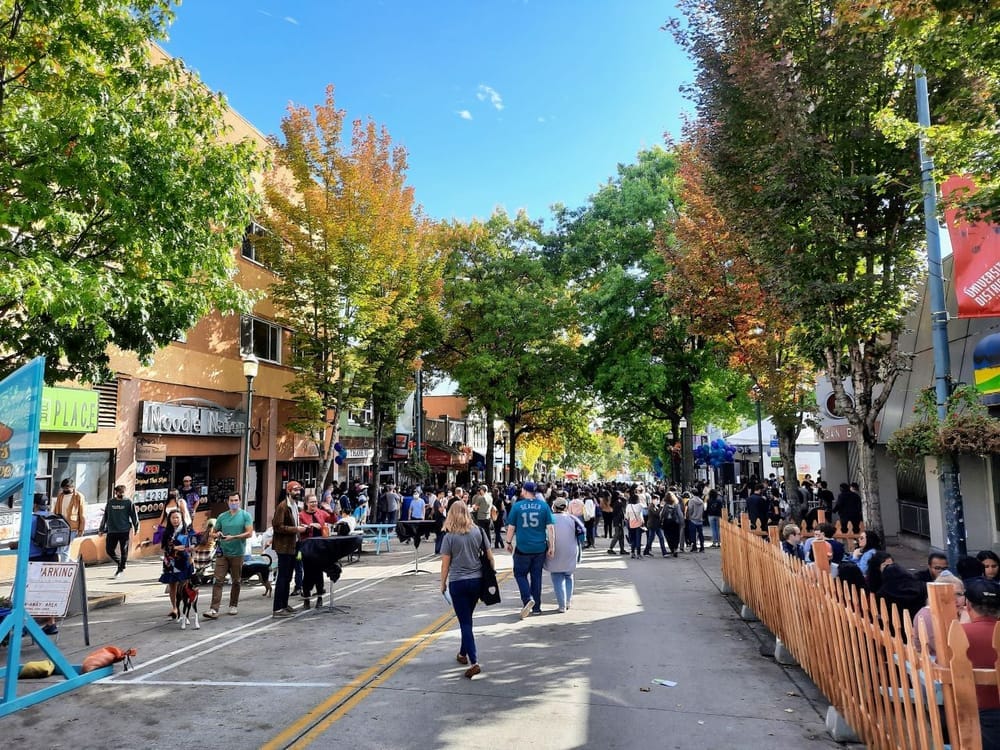
All day for three Saturdays in May and June, one block of Seattle's University Way NE will become pedestrian-only, as a first step toward implementing a goal that advocates have been pushing for decades.
While broad agreement exists over the need to provide funding for King County's Road Services division, the issue of kicking back a portion of a new 0.1% sales tax to local cities caused more consternation. A one month delay is set to translate to six months of lost revenue.
The Washington State Department of Transportation has a public survey out on the 2025 State Rail Plan through April 24. Let them know that improving frequency, reliability, and connections for Amtrak service is a priority.
A total of 205,000 transit riders hopped on light rail trains on the first day of full 2 Line service between Seattle and the Eastside. It was the second busiest day in Sound Transit history.
A safety project along a busy four-lane road in West Seattle would be a catalyst project for neighborhood accessibility. But it's run into significant push back from residents wary of losing a lane of traffic.
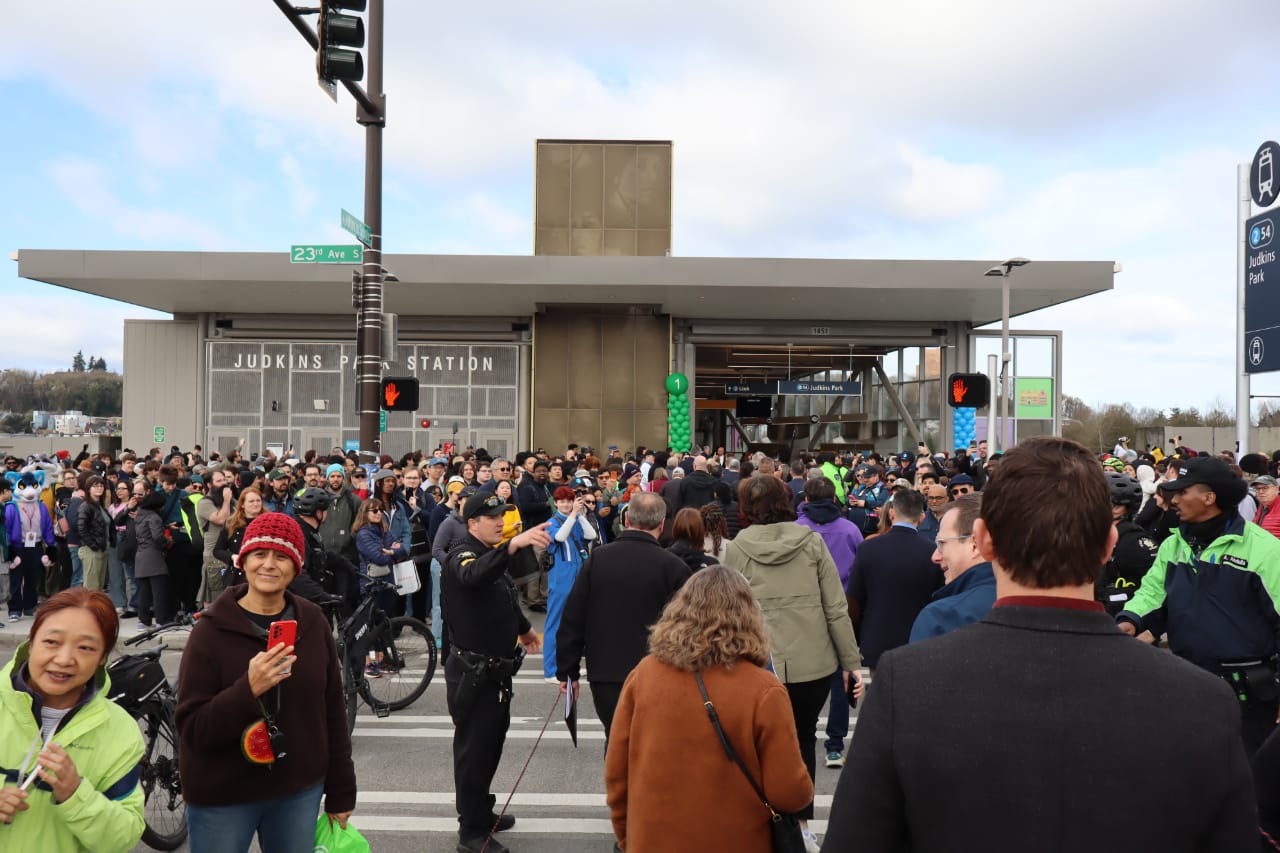
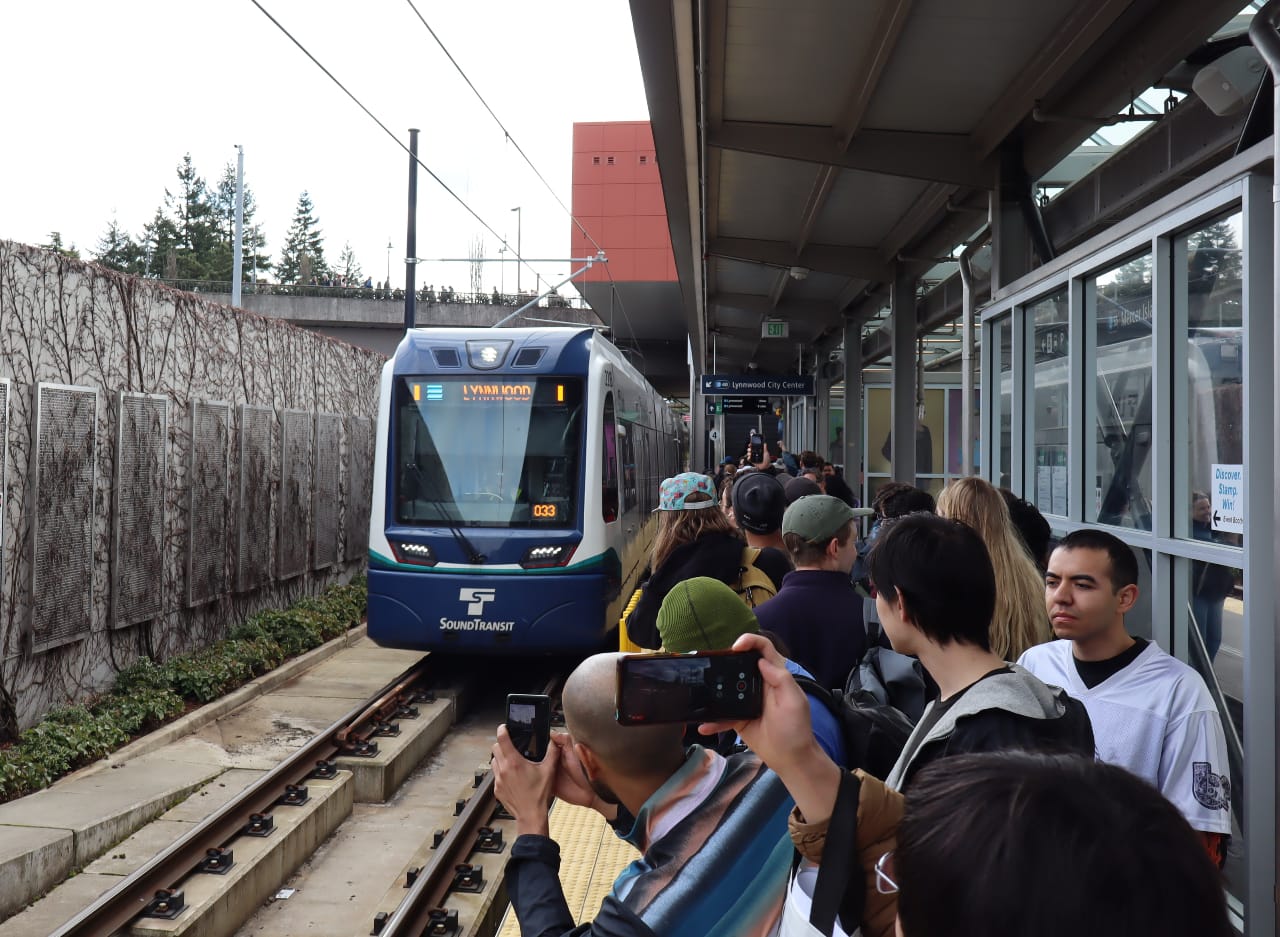
Tens of thousands of riders came out to ride the 2 Line across Lake Washington Saturday, as Sound Transit inaugurated the light rail link between the east and west metro.
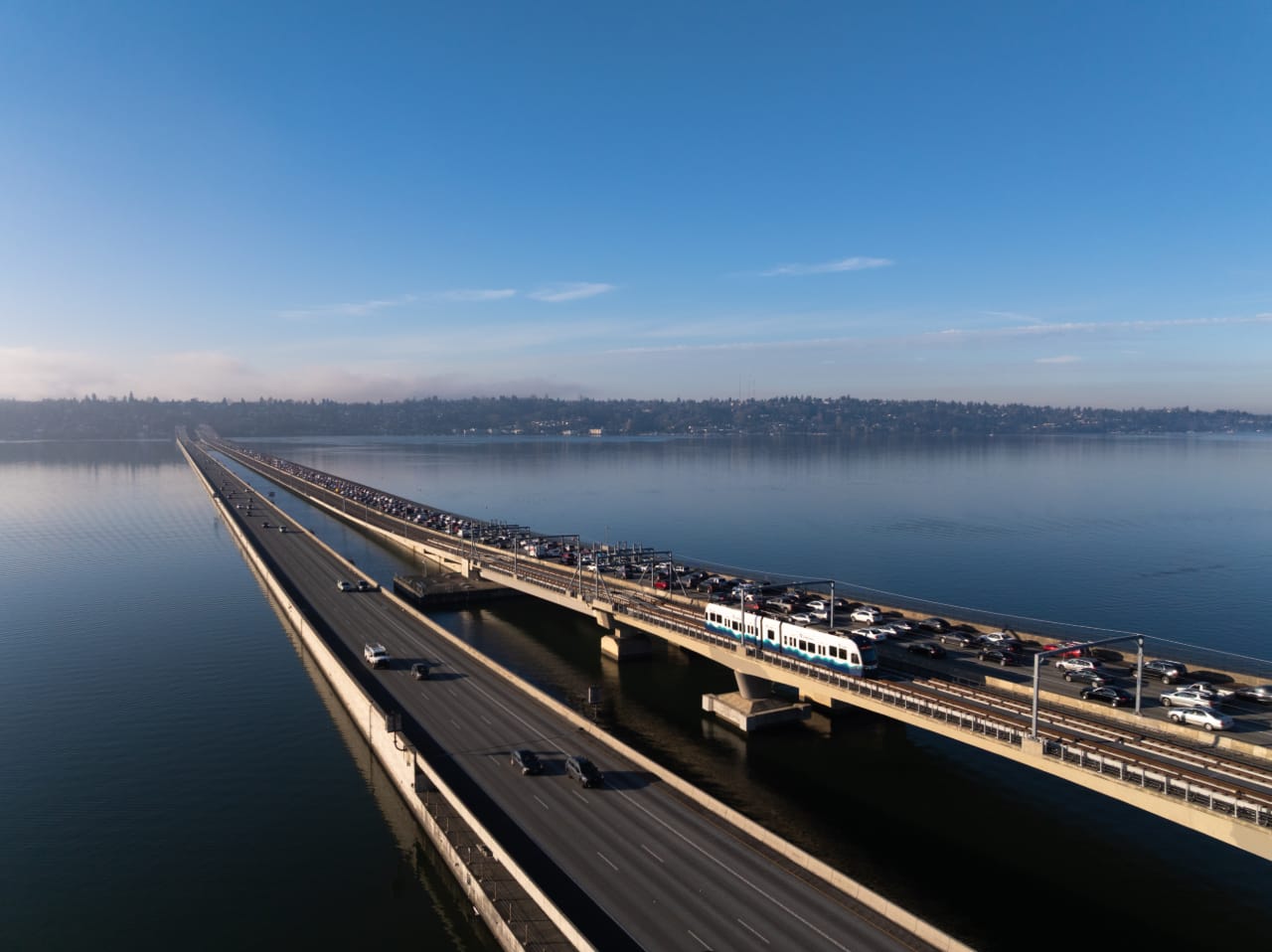
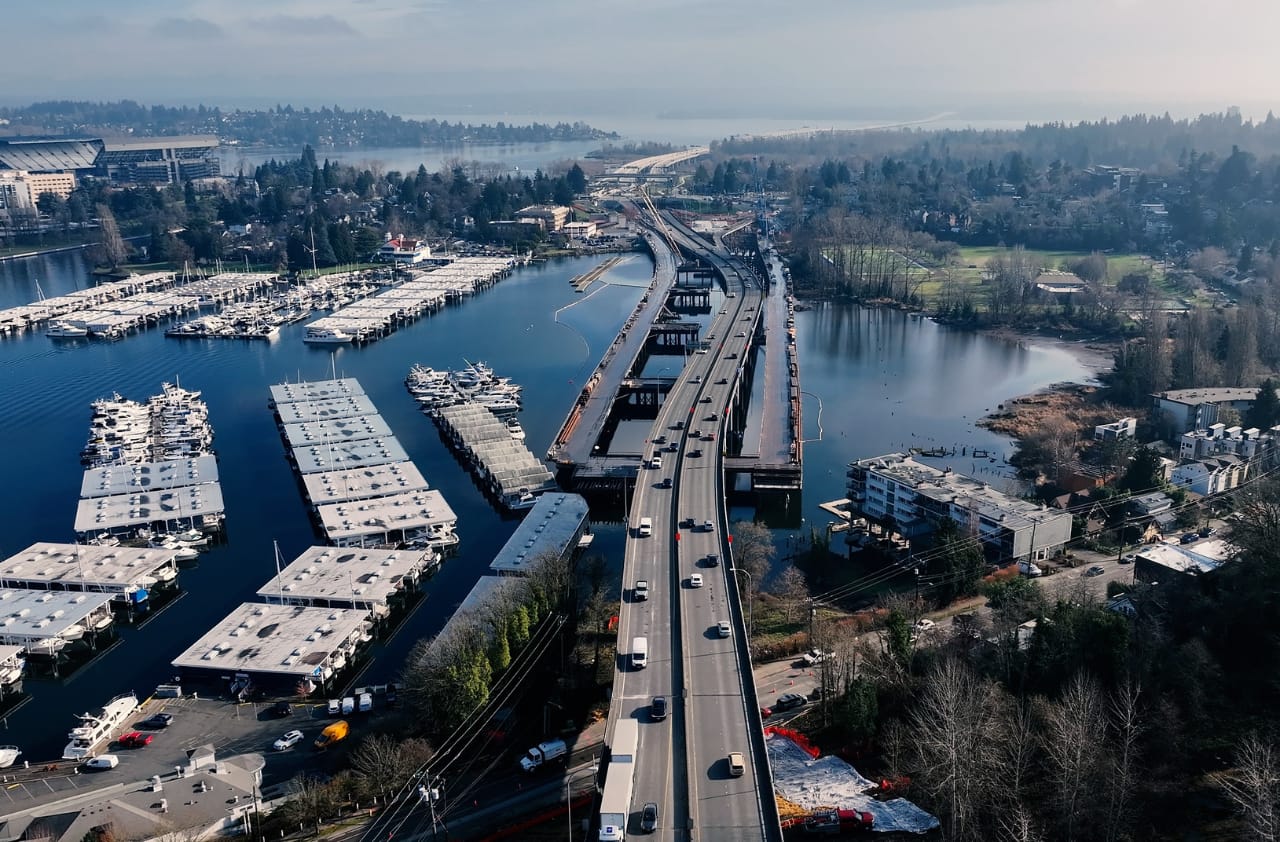
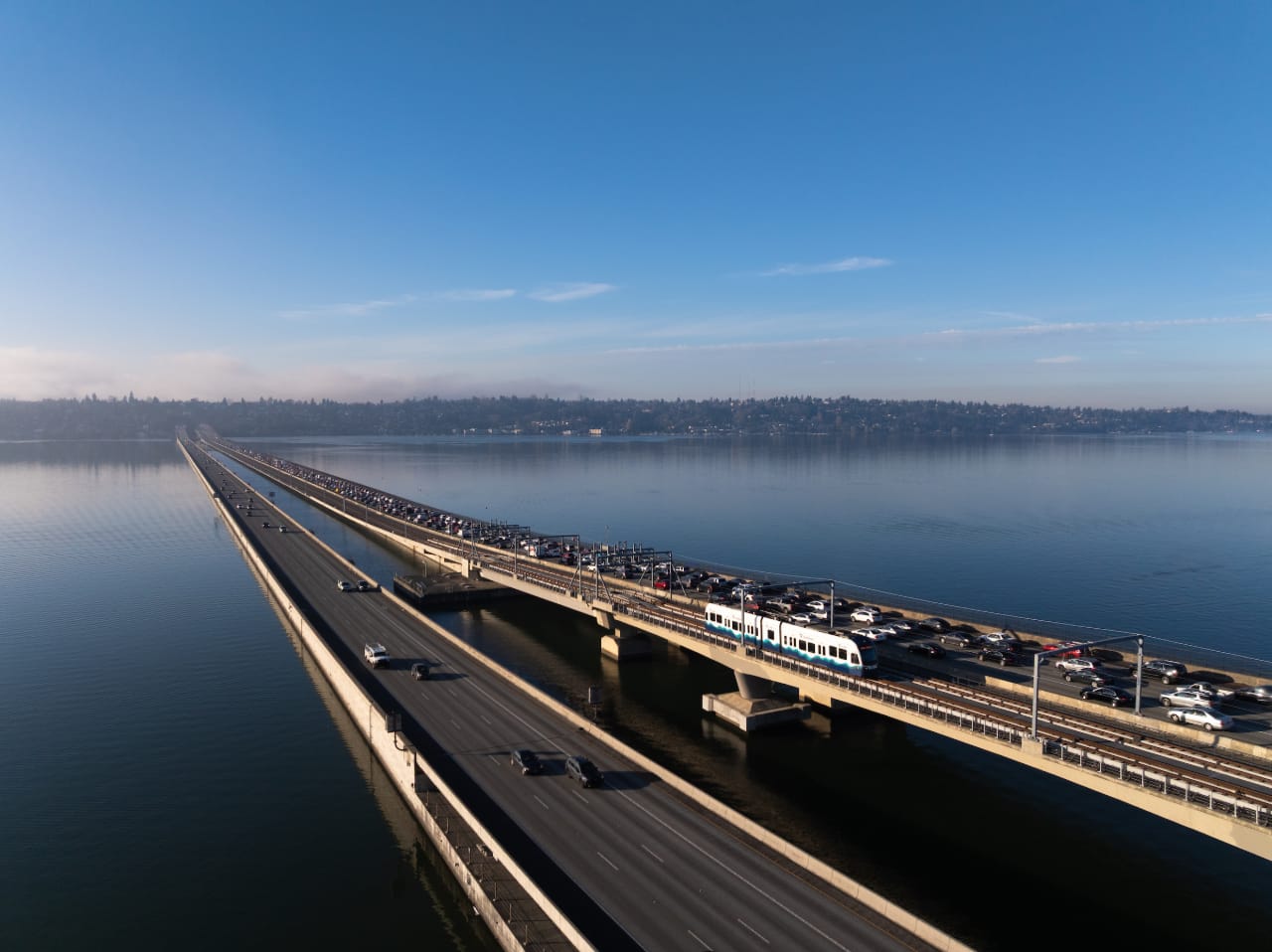
Today's events celebrating the region's newest light rail connection start at 9am, with the first train across I-90 taking off shortly after 10am. As the only light rail line to cross a floating bridge anywhere in the world, the full 2 Line is a major achievement.
The Seattle region will take arguably its biggest leap forward in transit connectivity ever on Saturday, with Sound Transit inaugurating crosslake 2 Line service. Here's how we got here.
The second opportunity for Washington residents to snag a $300 or $1,200 rebate for a new e-bike will last an entire year, with random winners selected monthly through next spring.
Lake City, Capitol Hill, Georgetown, and South Park will see upgrades intended to decrease air pollution and boost transit, walking, and biking, via $8 million in transportation levy funding. So far, proposals are still high level, with plans being developed over the rest of 2026.
While bleak news portending delays took center stage following the Sound Transit board retreat, the event helped get board members on the same page when it comes to a path forward. Here's what you need to know.
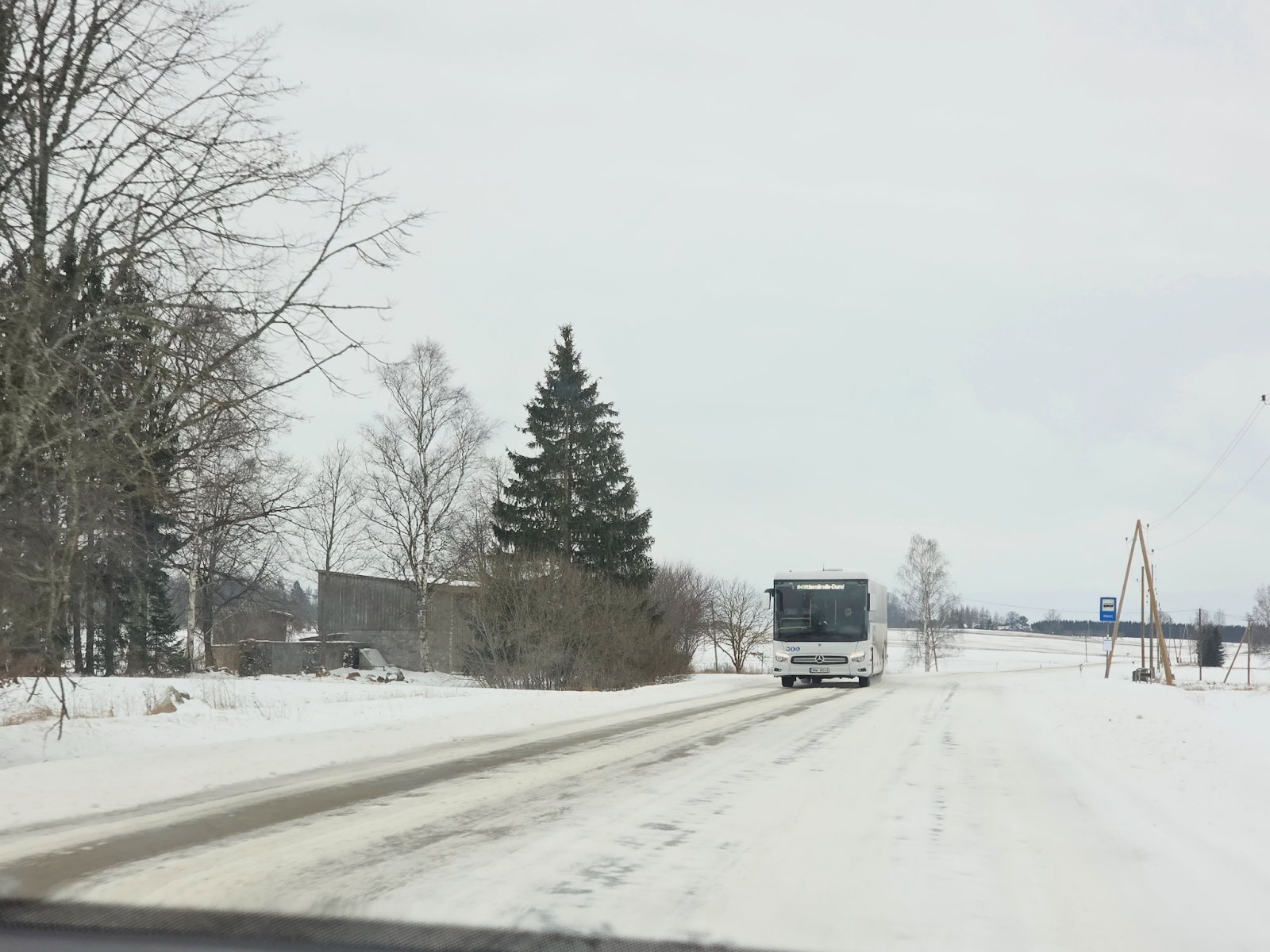
By framing a reduction of reliance on Russian oil as a matter of national security, Latvia offers a useful example of how to reduce car dependency and make real our climate goals. Latvia's ubiquitous and frequent transit network was on display during my recent visit.
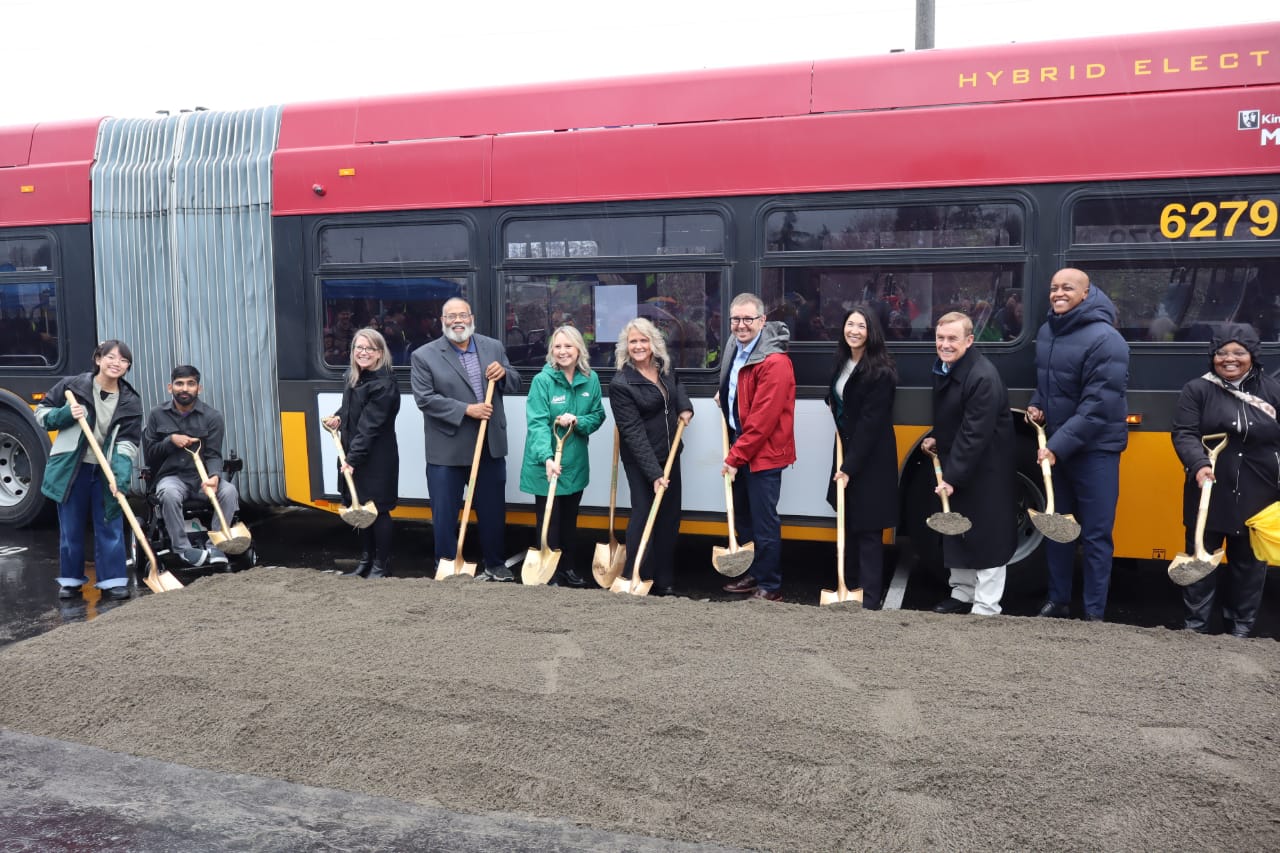
The first new RapidRide bus line in South King County in over a decade, the I Line will connect riders with some of the area's busiest transit hubs including Kent and Auburn Stations and the forthcoming South Renton Stride station. Construction is expected to extend through 2027.
At a board retreat Wednesday, Sound Transit weighed three cost-cutting approaches that all included deferring light rail stations in Ballard and Interbay to a later date when funding allows. Seattle Councilmember Dan Strauss pushed back against that approach.
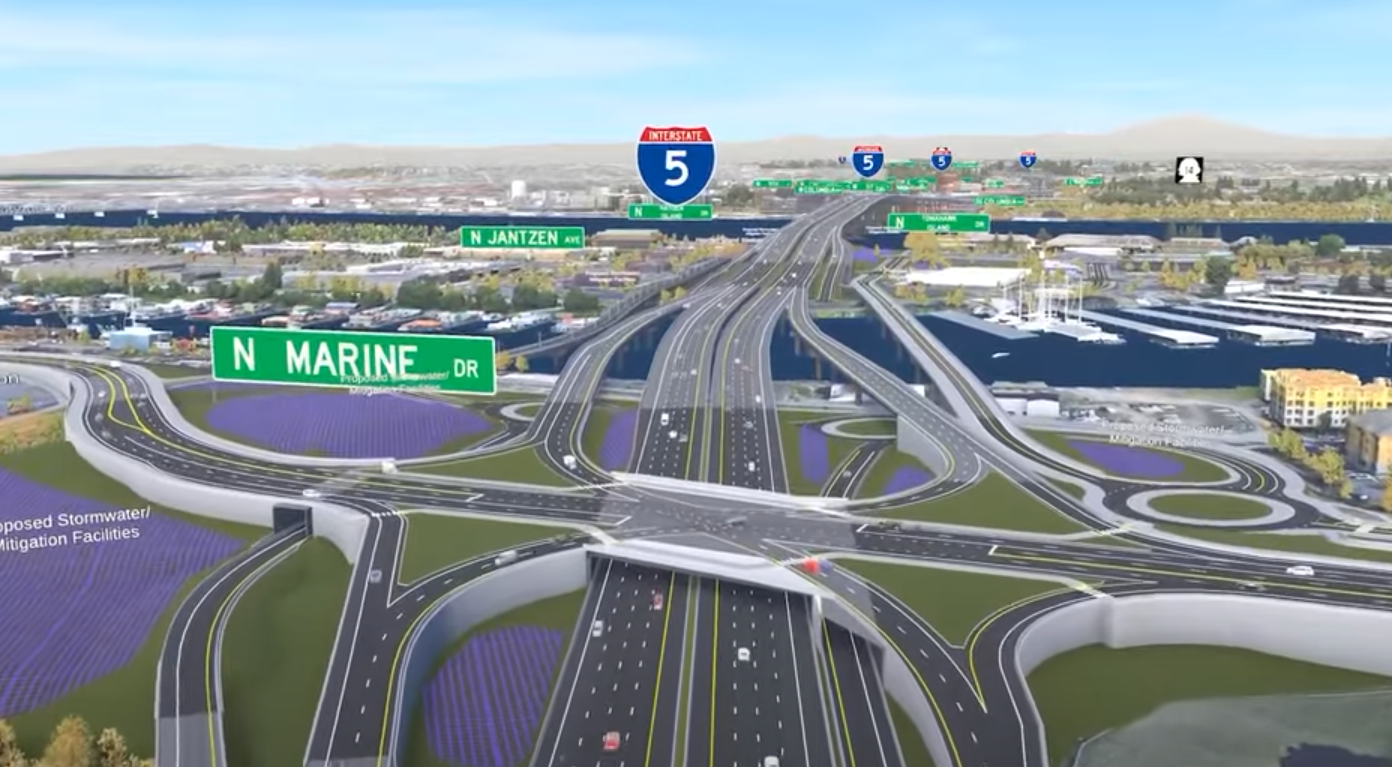
Washington and Oregon will focus on replacing I-5's twin Columbia River bridges with a new freeway bridge ready to carry light rail to Downtown Vancouver, Governor Bob Ferguson announced Wednesday. The project is still facing a budget gap that could stretch into the billions.
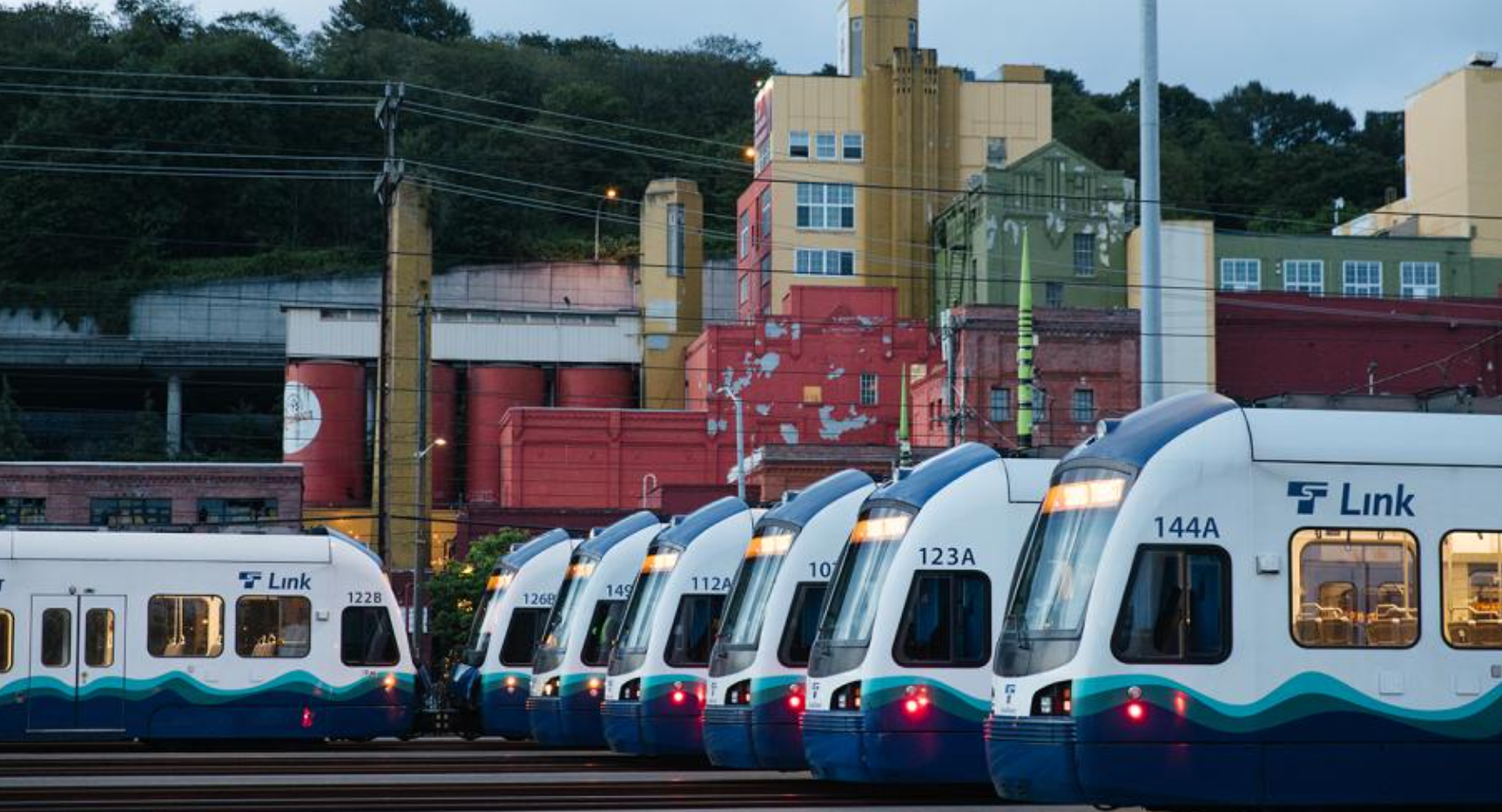
The $350 million contract with Hoffman Construction, expected to be approved later this month, sets up a major piece of Sound Transit's system expansion puzzle. "OMF South" will be the agency's third train base.
The pressure to invest in degrading state highways pushed legislators to turn to $1.3 billion in bonding, a move necessary due to so many dollars being tied up in highway expansion projects like the North Spokane Corridor and the Puget Sound Gateway.
State lawmakers declined to unlock a financial tool that Sound Transit sought to get through a coming financial crunch, and approved a tax package that is expected to bring the agency a big revenue hit.
Thanks to newly revealed cost-saving measures, the cost to bring rail to Alaska Junction is now just $700 million to $1.1 billion over the amount baked into Sound Transit's financial plan, a major change compared to where things stood just 18 months ago.
2026 had been an opportunity to get Seattle and King County on the same page when it came to sustainable, long-term funding for Metro. But King County leaders are signaling they need more time.
Ferry advocates had been hoping that expanded authority to create passenger ferry districts could allow them to supplement state ferry service in more areas. But changes to the bill in the state Senate could significantly undermine that goal.
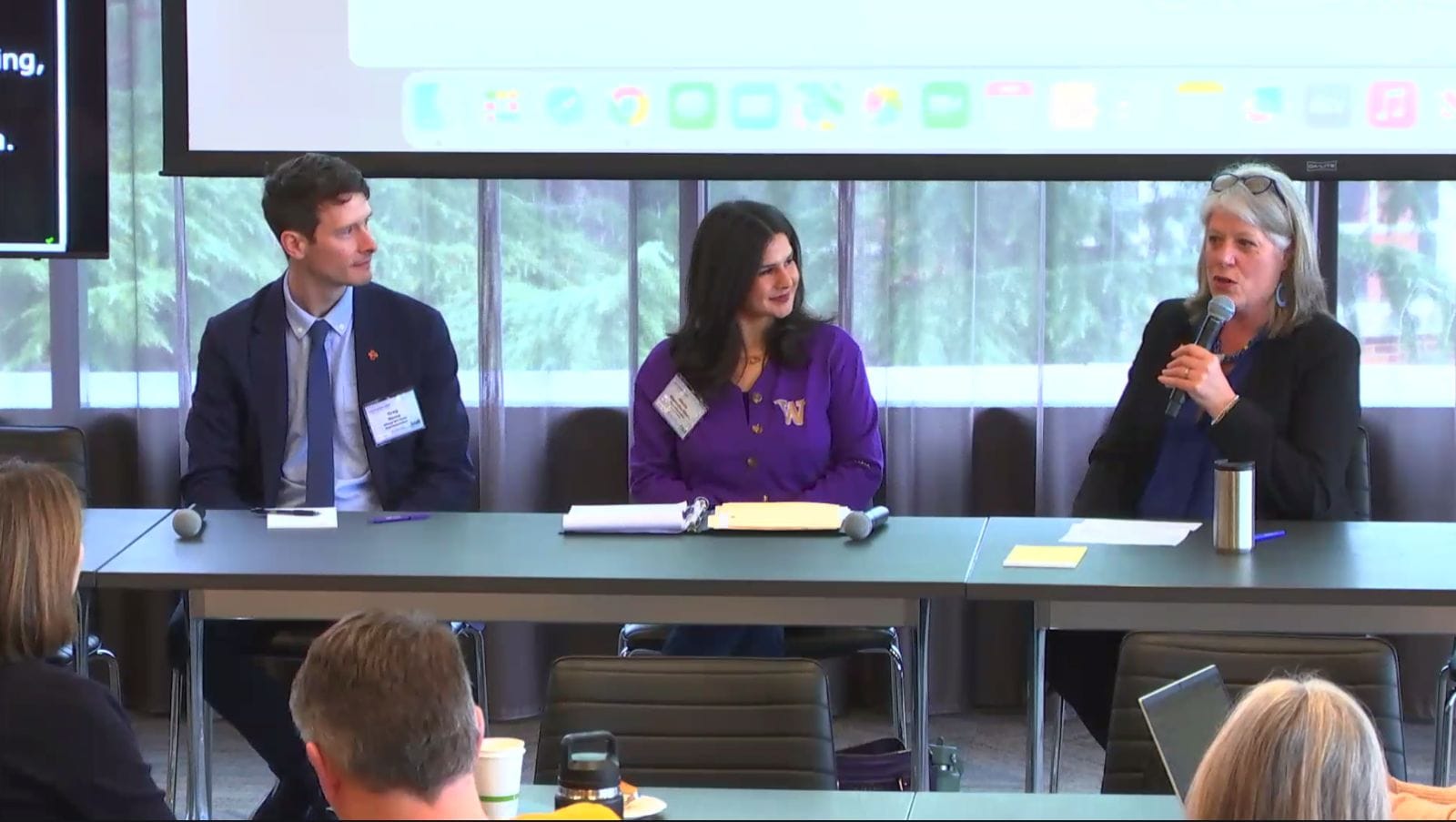
At UW’s OpenThePaths conference, elected officials, advocacy leaders, and researchers brainstormed strategies to transform streets to be safe, sustainable, and accessible for all. While overcoming decades of car-centric policymaking won’t be easy, speakers pointed to new momentum and advocacy tools.
After House transportation chair Jake Fey blocked a bill giving Sound Transit’s authority to issue longer-term bonds up to 75 years in length, the sponsor in the state Senate amended the provision into a different bill that remains alive, giving the effort a new lease on life.
Taking lessons from the YIMBY movement, Robert Cruickshank charts a path forward to build out the 116 miles of light rail promised to voters in the Sound Transit 3 ballot measure, leveraging popular support to press for additional funding and lasting reforms to control costs.
WSDOT’s concept would remove the northbound ramp from I-90 onto Rainier Avenue and improve safety at the other freeway ramps. A clear step in the right direction, the unfunded plan is not as bold as some transportation advocates would like to see near such an important light rail station.
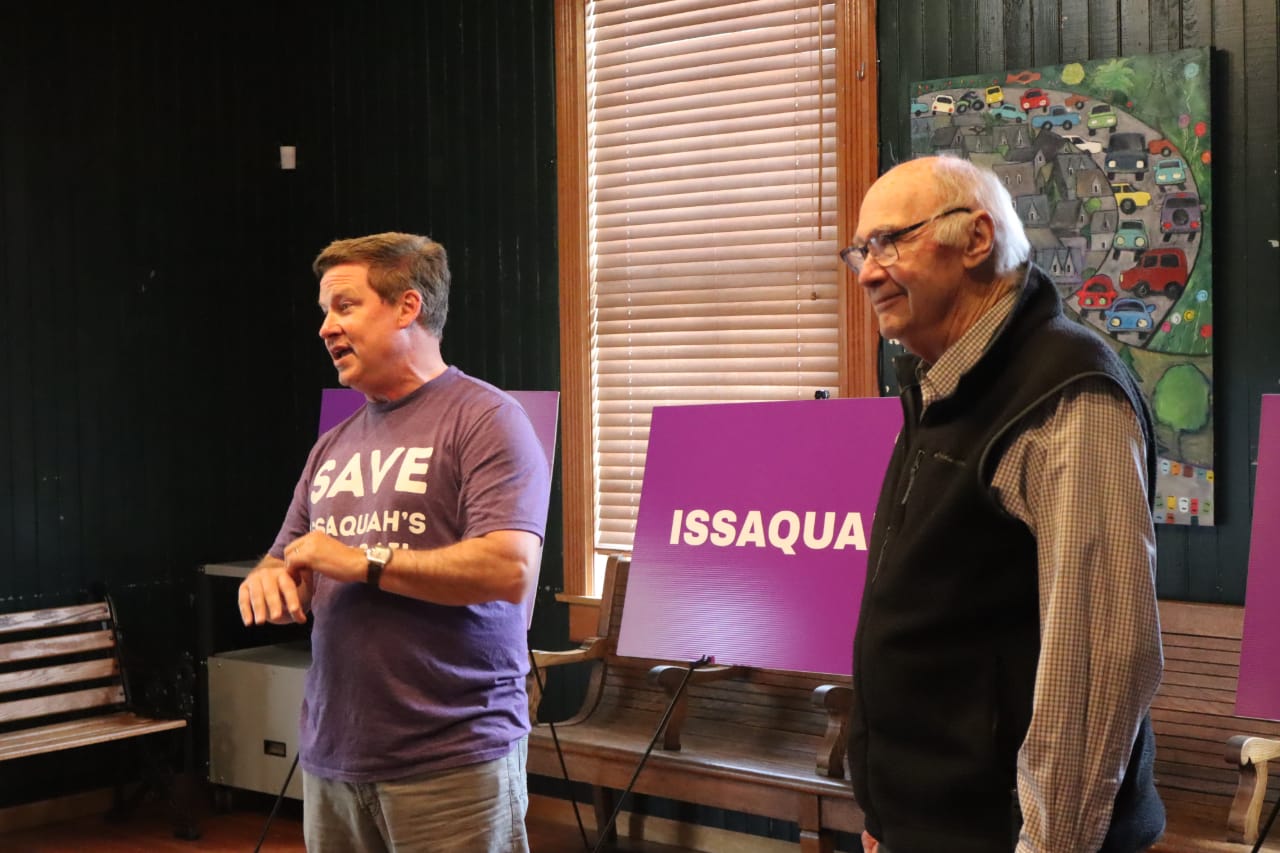
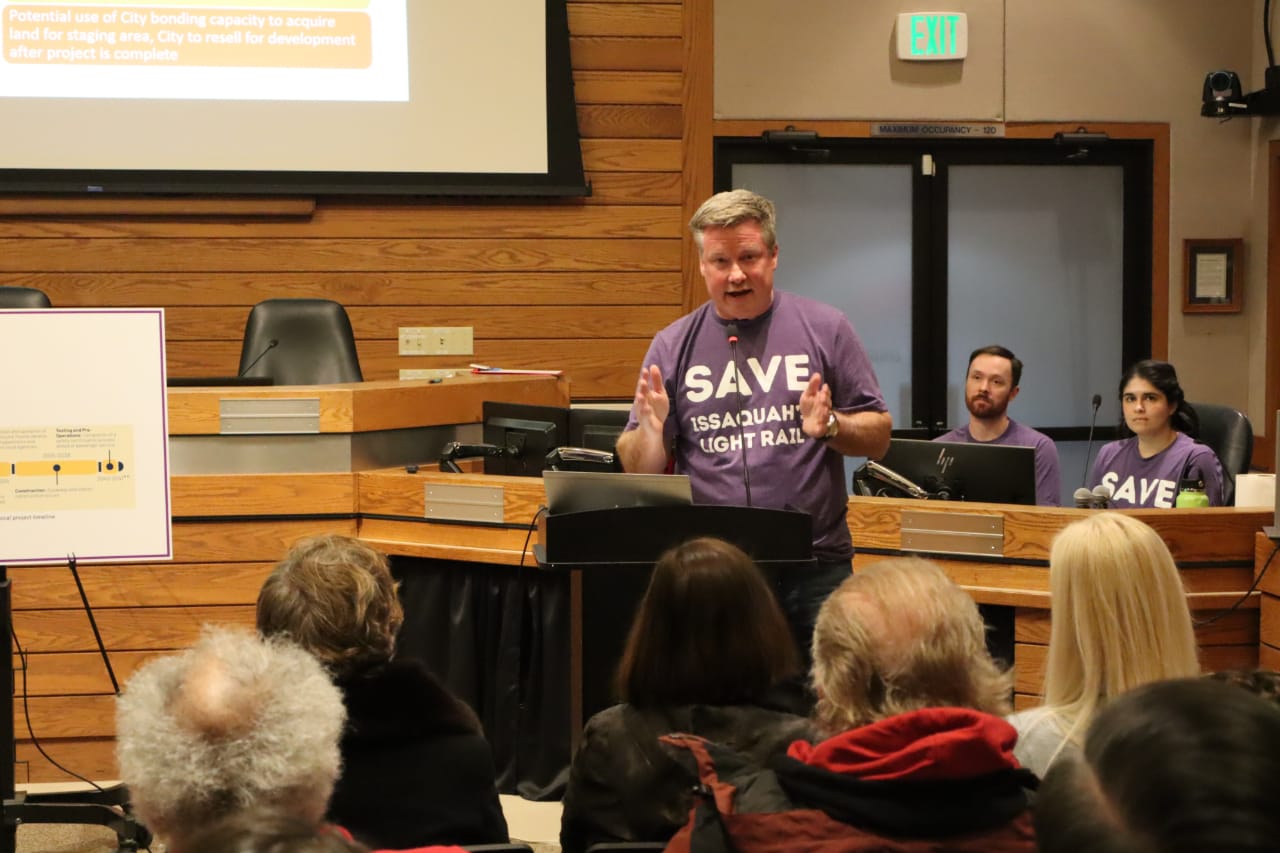
The crowded community meeting was the first step in an advocacy campaign intended to persuade members of the Sound Transit board about the value of continuing light rail expansion on the Eastside. Issaquah city leaders are bringing ideas to the table they say could cut costs.
Cities must commit to downsizing their highway networks if they intend to meet climate and livability goals and expand housing in a healthy and equitable manner. Seattle must lead the way.
The $2 billion in new bonding in the Senate’s transportation budget would help bolster the state’s highway and bridge maintenance spending, which has lagged due to longstanding prioritization of new highway projects. But the debt load could create problems for future budget writers.
The service boost will come in part from the restoration of 80,000 service hours that have been suspended since 2020. With the new network, Metro takes a big step toward a more frequent, all-day network in South King County.
The City of Seattle is planning 21 on-street bike corrals in place of illegal parking spots abutting intersections. But a debate over the aesthetic impact on Pioneer Square could overshadow the proposal’s benefits and derail the project.
Hoping to avoid simply delaying projects or shortening lines, Sound Transit has been looking high and low for potential cost savings. Those options are set to be contemplated at a March 18 board retreat that will set the stage for major decisions in the months ahead.
The proposal to empower local governments across Puget Sound to set up their own passenger ferry districts fell short in the Senate after passing the House last year. Its sponsor is pushing even harder this year, seeking to bolster the precarious state ferry system.
SDOT’s plan for adding barricades ahead of this summer’s World Cup leans heavily on planters and movable barricades. While the infrastructure could ultimately form a template for longer-term upgrades, these changes look to be quick and dirty and aimed at protecting pedestrians as Seattle opens itsel
The full list of 430 levy-funded projects across Seattle was mostly assembled before Mayor Katie Wilson took office. But it contains significant opportunities for the new administration to shape transportation investments over the years ahead.
Getting King County on board with going to the voters for a supplementary funding source for Metro bus service has long been a goal of regional transit advocates. But making it happen this year will likely be a tall order, given the need for intense coordination between two newly elected leaders.
A pair of bills advancing this week at the state legislature would finally allow Sound Transit to rise above the local permitting fray in several key areas. The reforms could save as much as nine months on key transit projects, according to the agency.
Revive I-5 is a once-in-a-generation opportunity to reduce car dependency and encourage transit, walking, rolling, and biking, but the Seattle region is letting it slip between its fingers. It’s not too late to fix that, opines Kadie Bell Sata.
Claudia Balducci, the second longest serving member of the Sound Transit board, will no longer be a member of the committee she’s lead since 2018. The swap out comes just as the board faces critical decisions around the future of the Sound Transit 3 expansion plan, work that will largely be hashed o
In this video, Ray Delahanty of CityNerd takes a dive into what “carbrain” is and how it affects how roads and highways are designed.
As the First Hill Streetcar celebrates a decade carrying riders, questions mount about the future of the Seattle Streetcar network as a whole. With a plan to finally connect the two existing lines being declared dead, the status quo is likely not sustainable.
With creative tools needed to get the entire Sound Transit 3 network across the finish line as planned, Sound Transit is turning to the idea of 75-year bonds. If the Washington State Legislature OKs the concept, the move would mean extending debt to finance light rail projects into the next century.
Late-night bus service starting March 28 will give riders with late flights at Sea-Tac more breathing room. The pilot is one element of Sound Transit’s planned overnight bus network queued to launch this fall.
New cost estimates on the long-planned Interstate Bridge Replacement over the Columbia River reveal a funding gap that could range from $5 billion to a staggering $13 billion, an amount that neither Washington nor Oregon is prepared to absorb.
Jason Slaughter of Not Just Bikes showcases what Cheonggyecheon Expressway is like today, after being converted back to a creek and pedestrian pathway, including newer improvements in recent years.
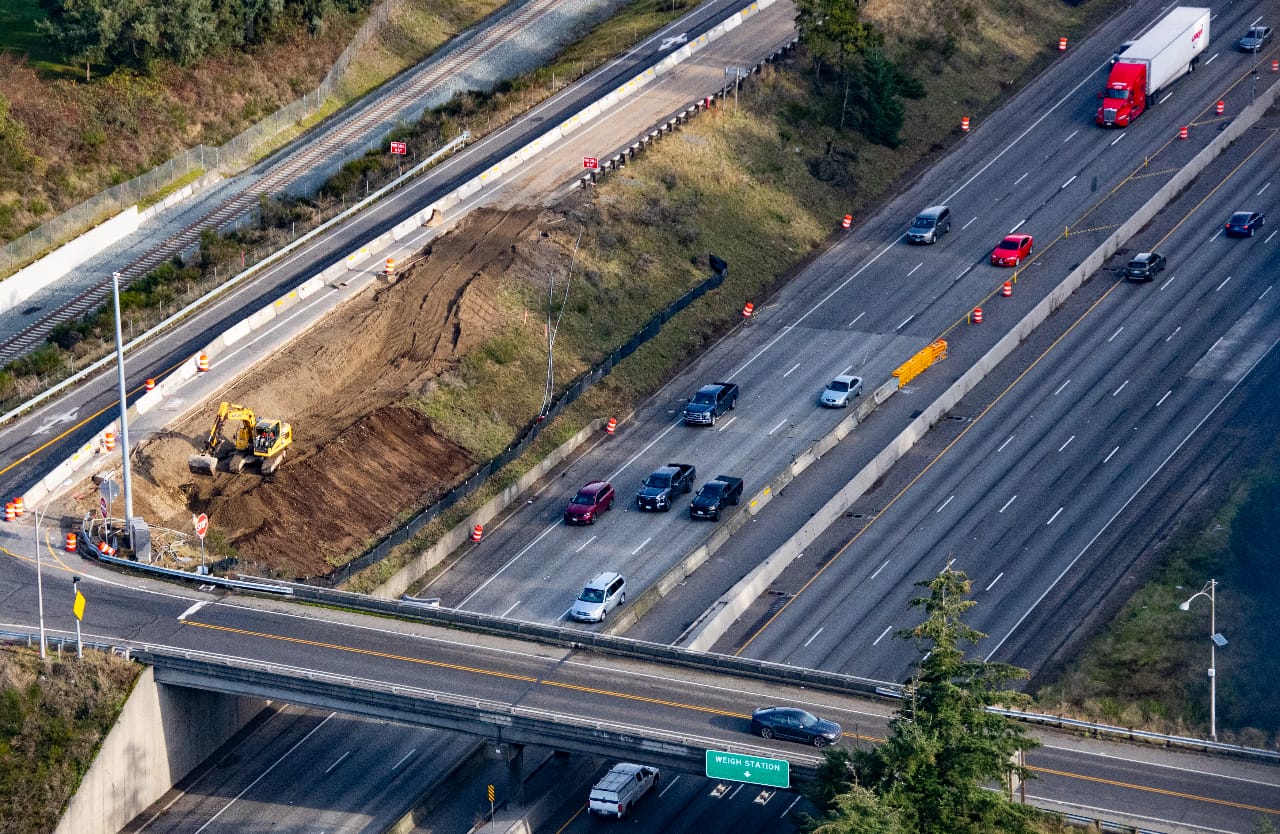
1 Line light rail service will be disrupted starting 10pm Friday through Sunday, January 11, as Sound Transit conducts signal work in preparation for the 2 Line extension. Stations from Capitol Hill to SoDo will be closed with replacement bus service offered. WSDOT is also launching Revive I-5 work
With simulated light rail service across I-90 less than a month away, Sound Transit appears poised to beat its deadline of opening the full 2 Line by May 31. Simulated service will also bring increased train frequency between International District and Lynnwood, a big boost for riders.
Washington State is forcing Kitsap County to re-do its Comprehensive Plan for lack of low-income housing, ignoring wildfire risk, and neglecting safe streets requirements. The do-over is a chance to turn away from sprawl, writes Travis Merrigan.
While the upgrades wouldn’t happen all at once, and would only go in as other maintenance work occurs, the proposed concept sets a strong baseline for one of the state’s most dangerous surface highways.
In remarks after being sworn in as Seattle’s 58th mayor, Katie Wilson painted a vision of improving the daily lives of residents that was explicitly urbanist: focused around livability and ensuring that no one gets pushed out of the city.
Tacoma’s new impact fee regime, which goes into effect next summer, will charge developers based on expected generation of car trips. Despite work to delicately calibrate the new fees, the proposal still drew criticism when it comes to adding costs to needed housing development.
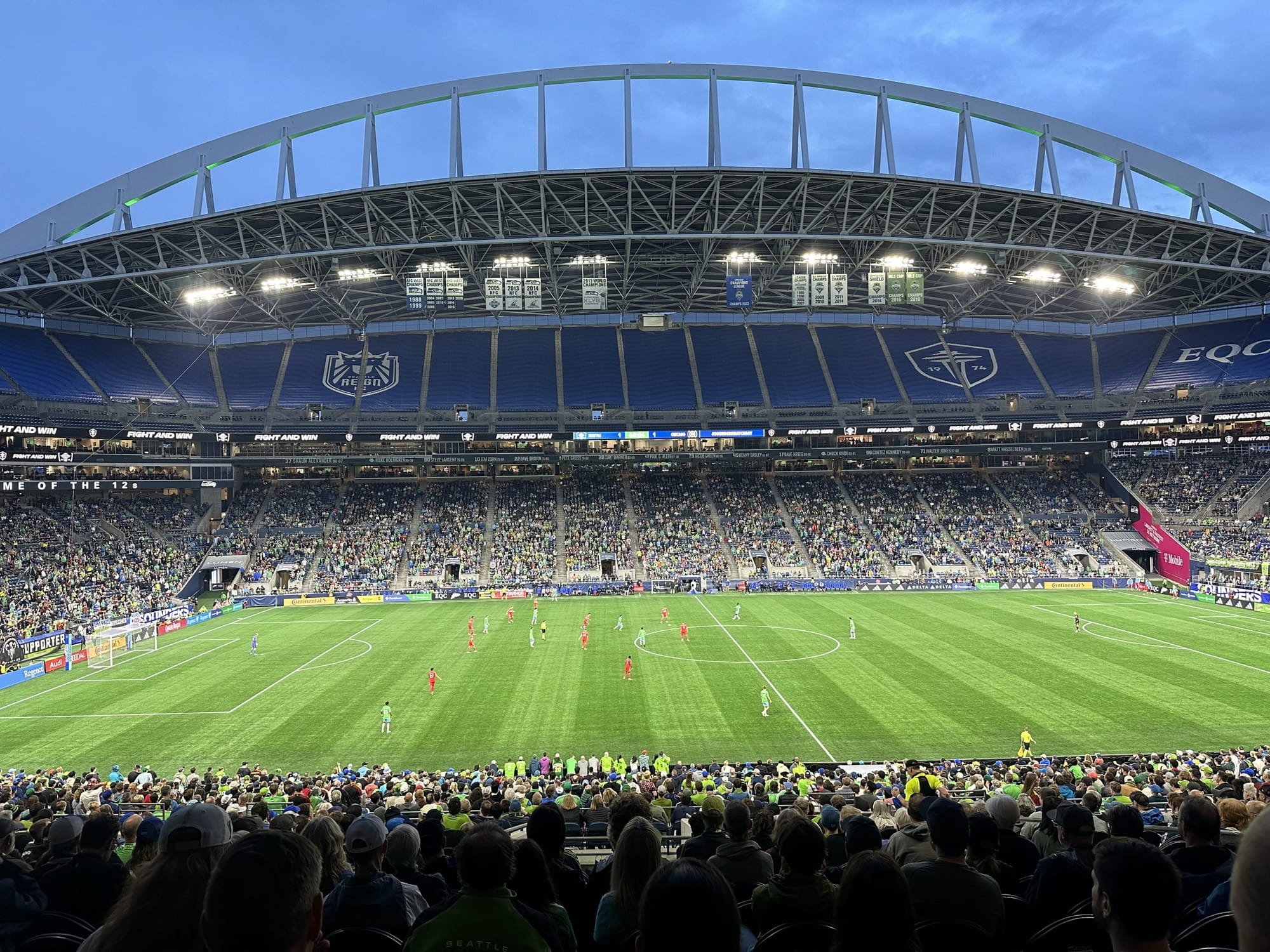
In time for the 2026 FIFA Men’s World Cup matches in Seattle, transit riders will have two new fare payment options, including a special three-day pass.
The governor’s proposed $3 billion in bonds would add onto a Washington state transportation budget that already allocates nearly 12% to debt service. With a 60% vote needed to authorize, the idea will likely face considerable skepticism at the state legislature.
The cost of additional delay and reduced resiliency in the light rail system were cited as reasons to set aside the idea of dropping Ballard Link’s planned tunnel under Downtown Seattle. But the discussion is likely to set up a broader debate of just who benefits from that tunnel — and who pays for
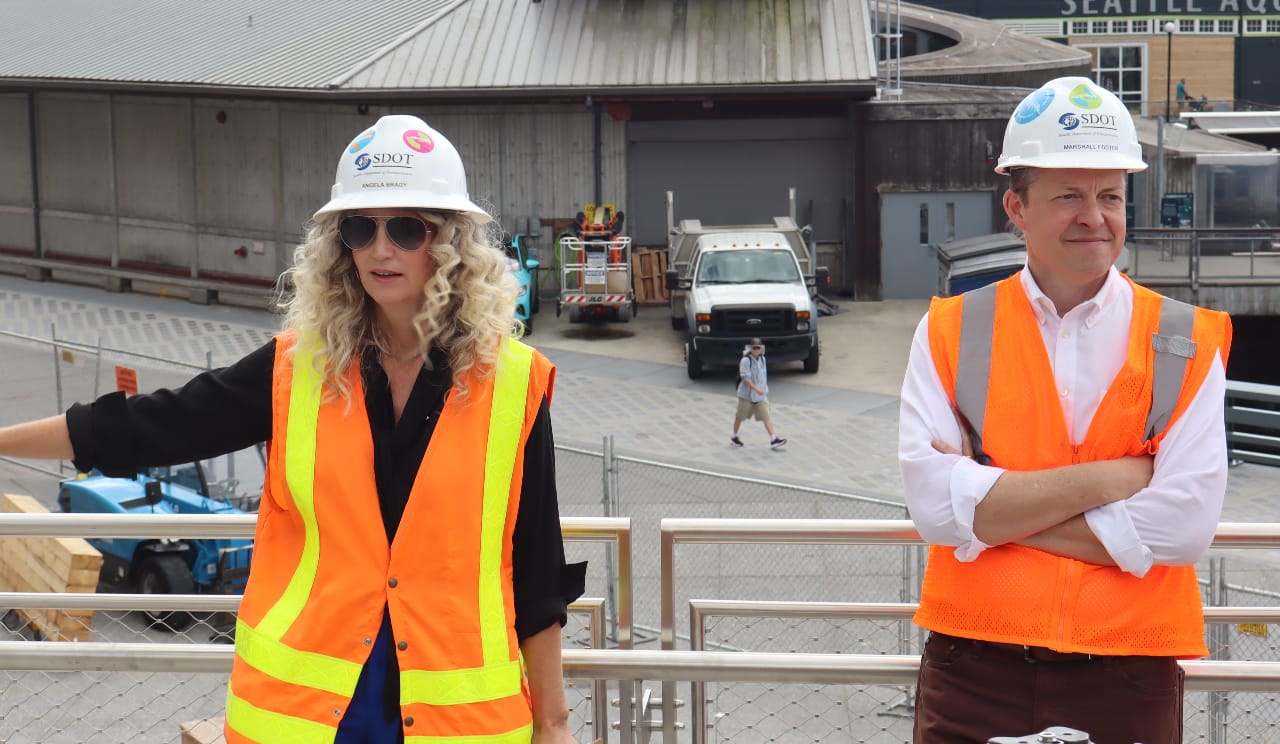
Waterfront revamp veteran Angela Brady is taking over as Seattle’s transportation department head, replacing Adiam Emery, who previously served as one of Bruce Harrell’s deputy mayors. The Wilson Administration will conduct a broader search for a longer-term SDOT Director in 2026.
Sound Transit’s analysis, prompted by a request from King County Councilmember Claudia Balducci, looks at ways to get to Ballard without a new tunnel under Downtown Seattle. While the potential cost savings could be as much as $4.5 billion in 2025 dollars, but staff is stressing delay and risk.
The board motion advanced this week asks for one final look at where fare gates would make sense in Sound Transit’s light rail system before implementing a potential pilot program before the end of 2026.
Seattle is missing thousands of blocks of sidewalks. But the lower-cost sidewalk alternatives being advanced by the Seattle Department of Transportation don’t always live up to what’s expected in neighborhoods that have lacked basic infrastructure for decades.
Beginning on January 1, Seattle’s monorail operator is ending free transfers to other transit services for riders who rely upon ORCA E-purse. The change could turn a $4.00 trip into a $7.00 trip for monorail riders deprived of the transfer credit.
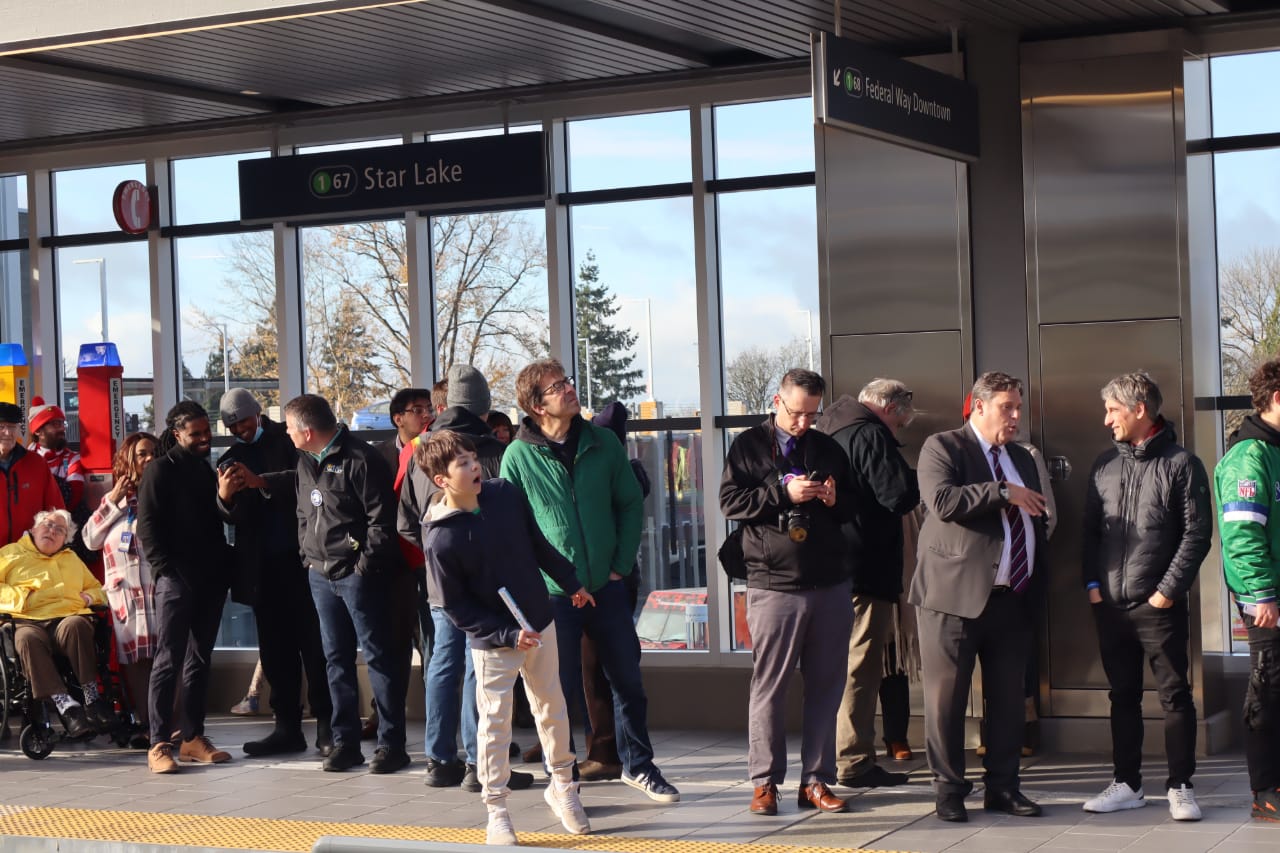
Transit riders and elected officials alike celebrated light rail’s arrival in South King County, as Sound Transit held a grand celebration to tout its three new stations and cut the ribbon in Federal Way.
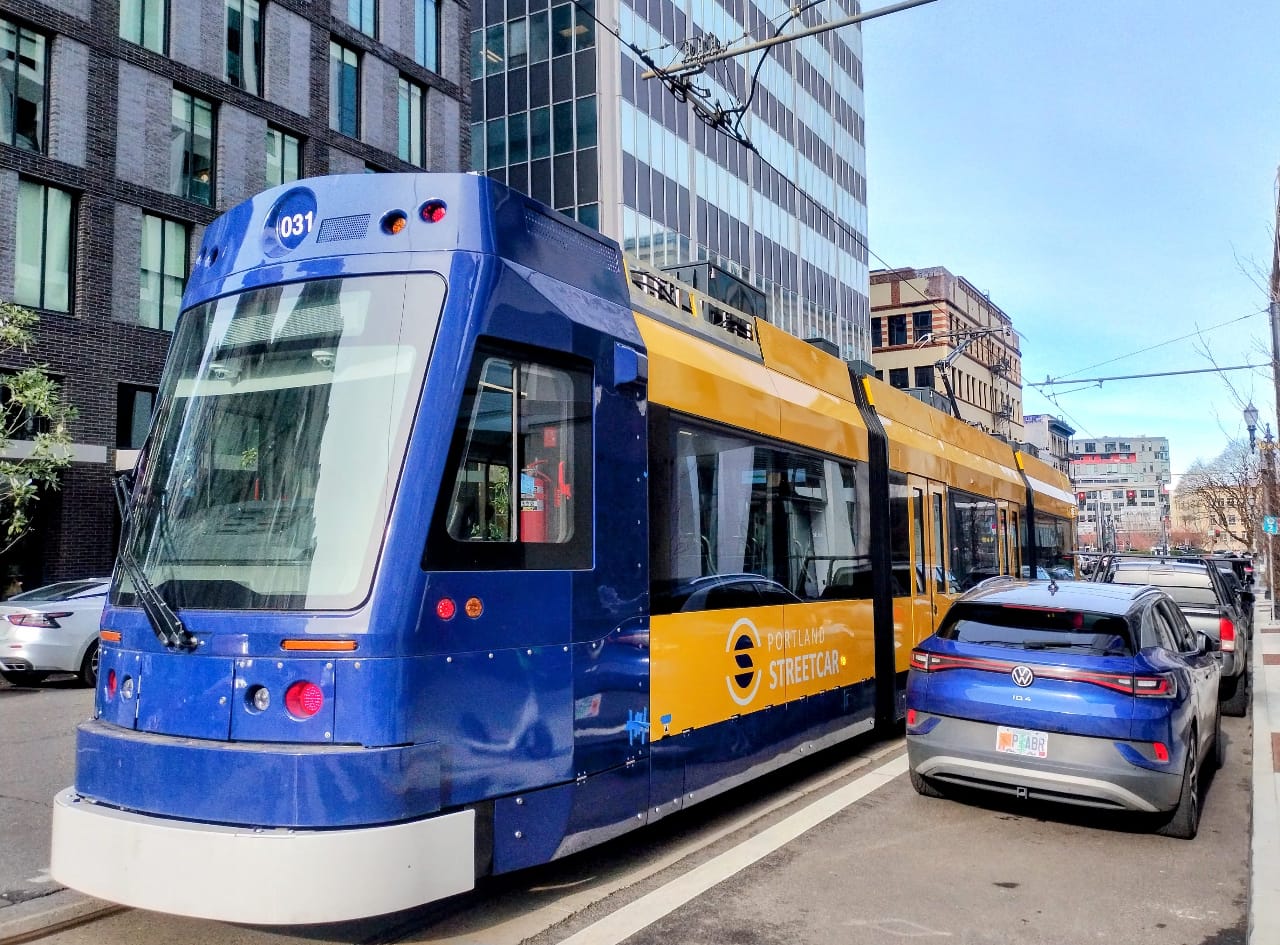
At first glance, the deal appears to be heavily lopsided in favor of Sound Transit, which will trade aging Skoda streetcars for ones that are essentially brand new. But the Brookville cars leaving Portland experienced significant issues that could follow them to Tacoma.
The three stations of the eight-mile Federal Way Link light rail extension open December 6. Here’s your guide to the new line and the opening day festivities.
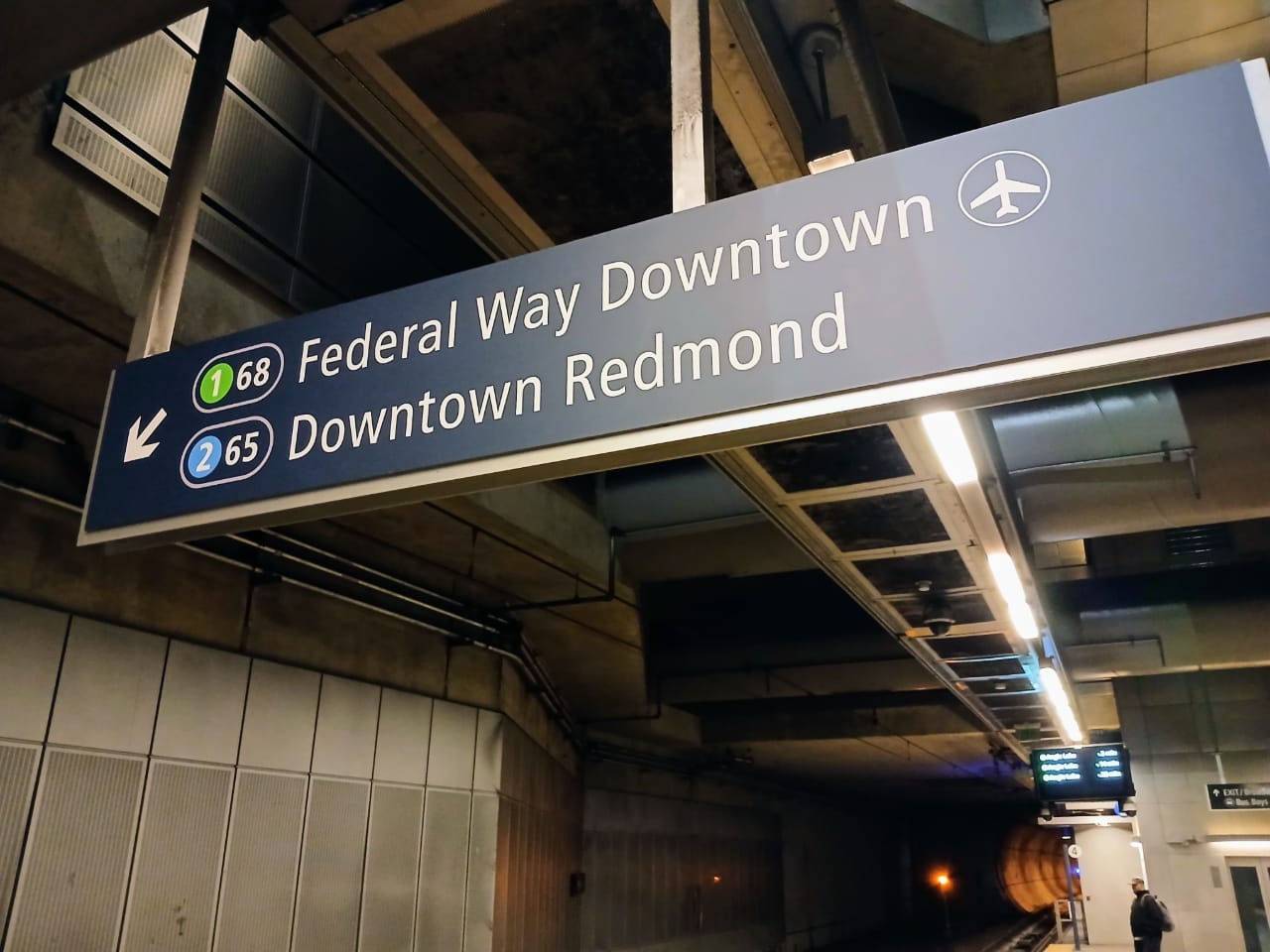
With three “downtown” stations and counting, Sound Transit must overhaul its station naming policy and name its stations less confusingly so that riders can easily navigate a growing system.
Sound Transit’s four new members join other reappointments and board members whose terms are not up for renewal. This new freshman class will not have much time to get adjusted before being faced with major decisions around the future of the region’s transit system.
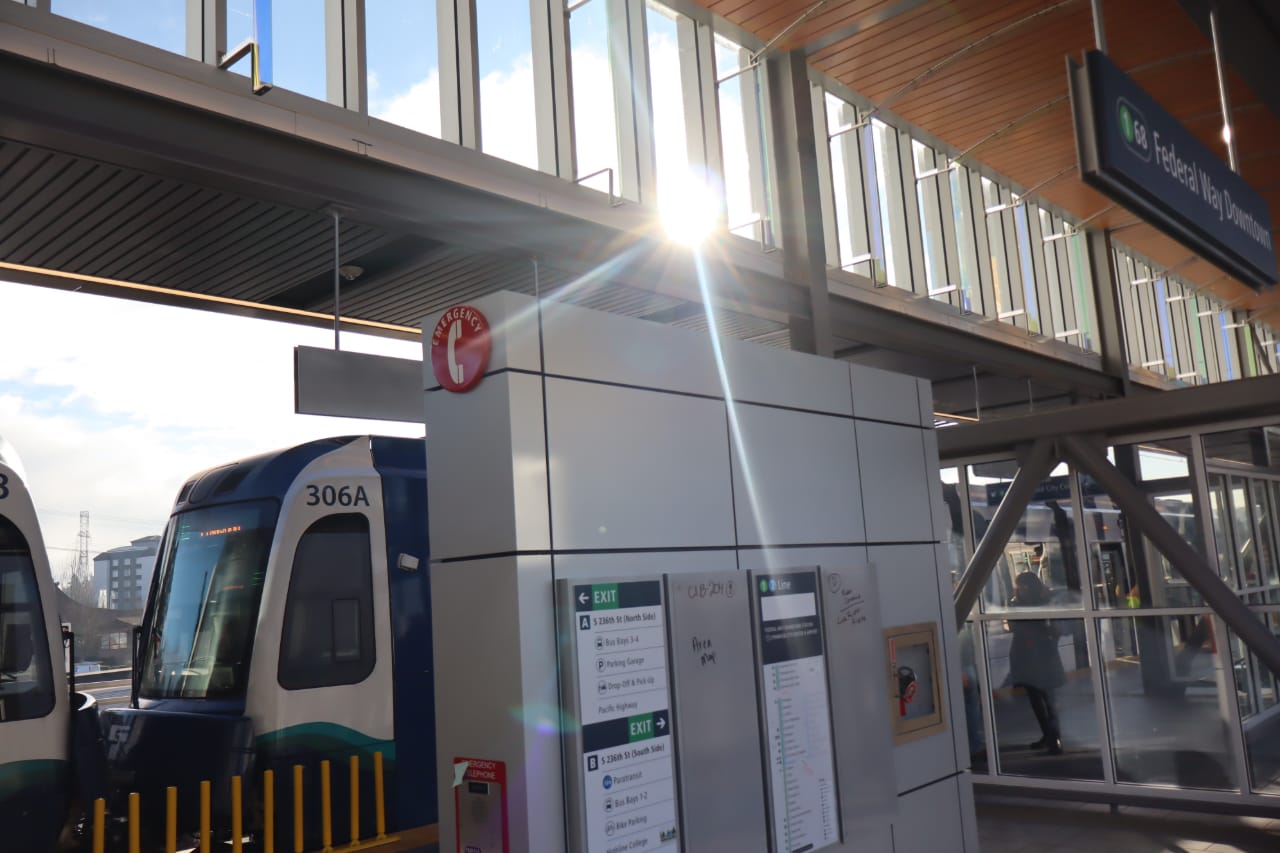
Sound Transit gave reporters a sneak peak at the three new light rail stations set to open in Kent Des Moines, Star Lake, and Downtown Federal Way. Check out the station designs and their custom artwork ahead of the grand opening Saturday at 11am.
Corridor-wide bus revamps have been hitting delays and are often taking ten years to deliver, or more. A new King County Metro report released this fall outlines the myriad reasons RapidRide lines fall behind, as the overall program faces an uncertain future.
With several vacancies opening up on the 18-member Sound Transit board, a West Seattle Link “visioning event” this week looked to many like an audition. Facing huge cost pressures, the project could use a champion among the board’s ranks.
Amtrak’s annual ridership was up 5%, hitting an all-time record high of 34.5 million rides nationwide over the last year. Amtrak Cascades also hit a record high, reporting 1.4% growth and coming in just short of joining the one-million-ride club.
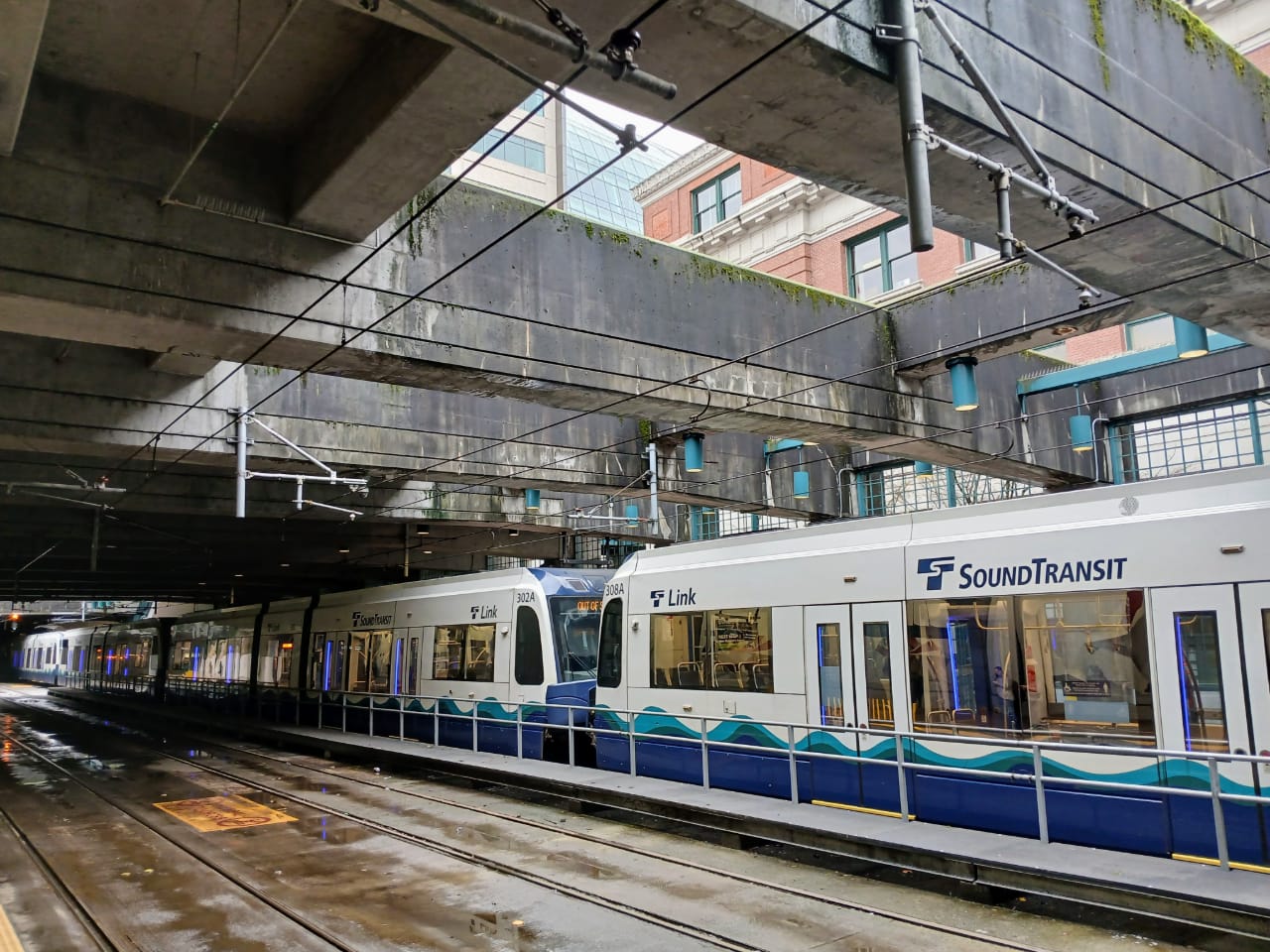
Light rail riders will see out-of-service trains running between International District-Chinatown and Lynnwood as the next major milestone for testing on the full 2 Line.
Long promised and approved by voters in 2016, the cost to build two deferred light rail stations in Seattle and Tukwila has jumped by more than two-thirds in just a few short years. The two projects are likely to be put under a microscope along with the big-ticket ST3 rail extensions.
Seattle’s scootershare and bikeshare program continues to boom, setting a new ridership record in 2025. At the same time, the program could be at risk of falling victim to its own popularity, with increasing calls to beef up regulations, particularly on scooters.
As the Sound Transit board approaches the point of grappling with how to rebalance the entire Sound Transit 3 package, transit advocates are urging them to look for new solutions outside of project delays or cancellations.
Lowering speed limits on residential streets to 20 mph has already been implemented in cities like Seattle, Portland, and Tacoma, and has been associated with a significant drop in high-end speeding. The Bothell City Council endorsed making the change citywide, pushing back on the idea of implementi
Leaders from across the Pacific Northwest recently gathered at the Cascadia Innovation Corridor Conference in Seattle and reaffirmed their commitment to building high-speed rail linking Portland, Seattle, and Vancouver, B.C. But Trump has created headwinds for the project by slashing transit funds.
Chicago has gotten a lot of national attention this year, but not for the reason we’d usually hope. Ray Delahanty of CityNerd, however, made a recent visit to check out what’s happening in the city and found that it was well and vibrant. Delahanty ticks through the L
The $433 million contract with MV Transportation extends through 2032, and includes full start-up costs for the three Stride lines. It’s the first time that Sound Transit has contracted with a private operator for core transit services.
Focused on transit and street upgrades, budget amendments this week will be the subject of behind-the-scenes wrangling as Budget Committee Chair Dan Strauss assembles an initial balancing package for the council to debate next week.
Before moving ahead with building a second Downtown Seattle light rail tunnel as planned, Sound Transit is taking a second look at putting a third line in the existing tunnel instead. Doing so would entail some major tradeoffs, which the agency intends to fully lay out in its study.
In four different races, Kirkland voters face a choice between pro-growth candidates interested in fostering additional types of housing throughout the city, and candidates looking for the city to be way less aggressive in fighting the region’s affordable housing crisis.