Seattle's Winding Path 20 Years into Its Global Climate Commitment
With Seattle's stated goal of cutting emissions by 58% by 2030 increasingly improbable after two decades of half-hearted measures, the City is revamping its climate action plan.
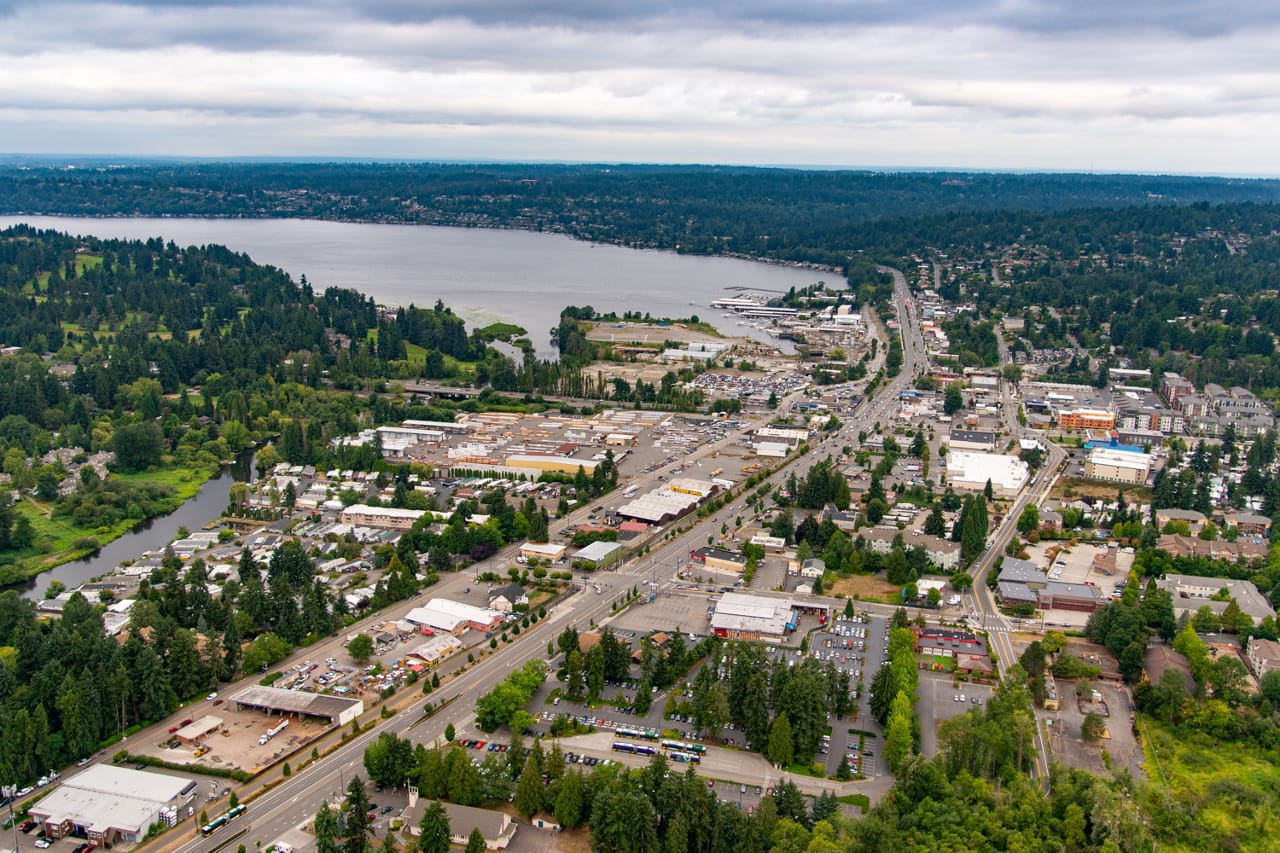
A Sightline Institute study quantified the impact of growing up, not sprawling out, estimating that the Seattle metro area’s slightly less-sprawling growth since 2000 was keeping 1 million tons of greenhouse gases out of the atmosphere every year, compared with what Seattleites would have been emitt
Seattle renters are largely locked out of cost-saving and comfort-improving clean energy appliances, like heat pumps, induction stoves, and solar panels. Sightline’s Emily Moore argues that newly inaugurated Mayor Katie Wilson could help change that, in part because Seattle owns its own electric uti

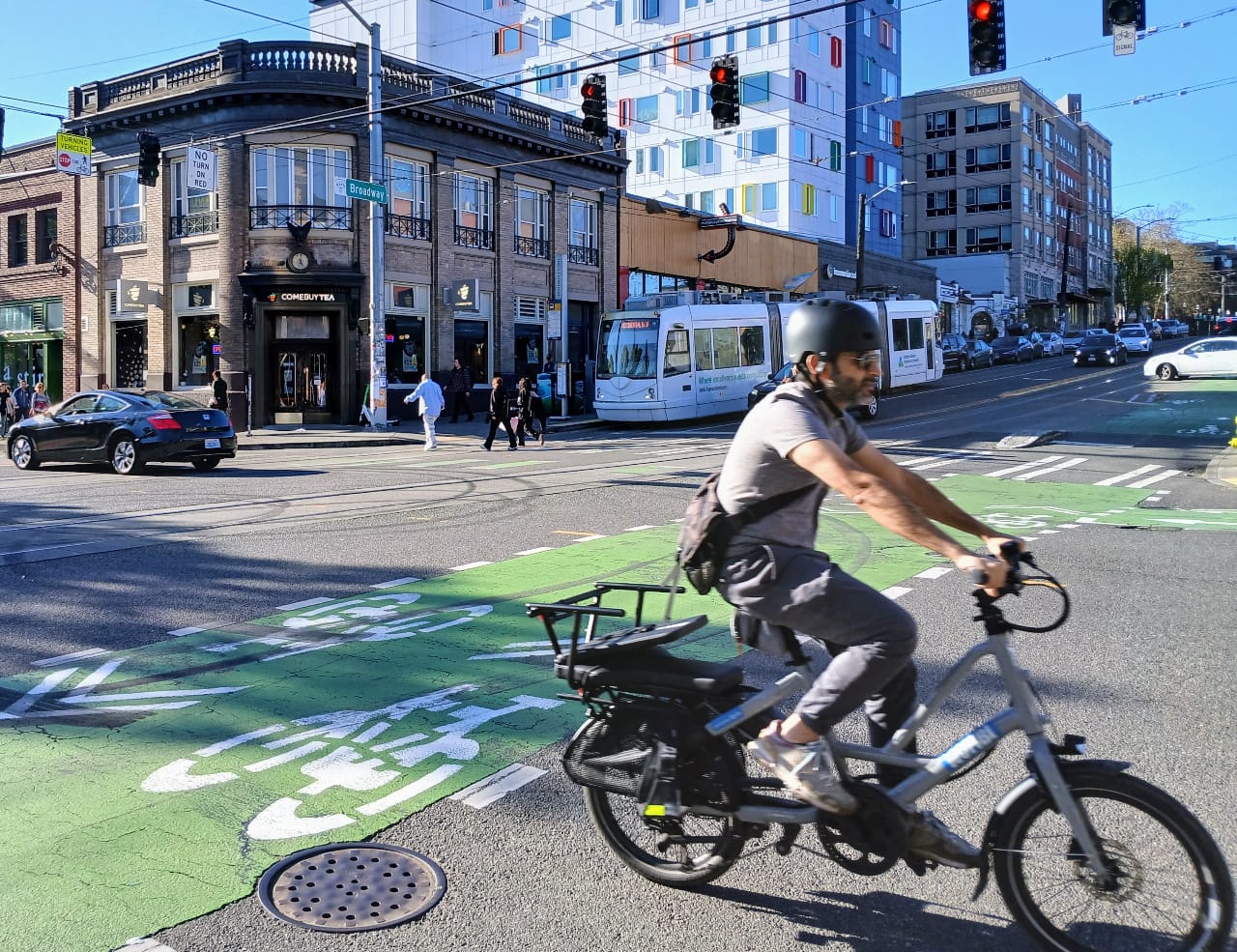
84% of Washingtonians offered a $1,200 instant rebate on a new e-bike this spring followed through and made a purchase, compared to just 24% of those who were offered a $300 rebate. The lessons learned during the first rollout of the program are likely to shape the next round of incentives.
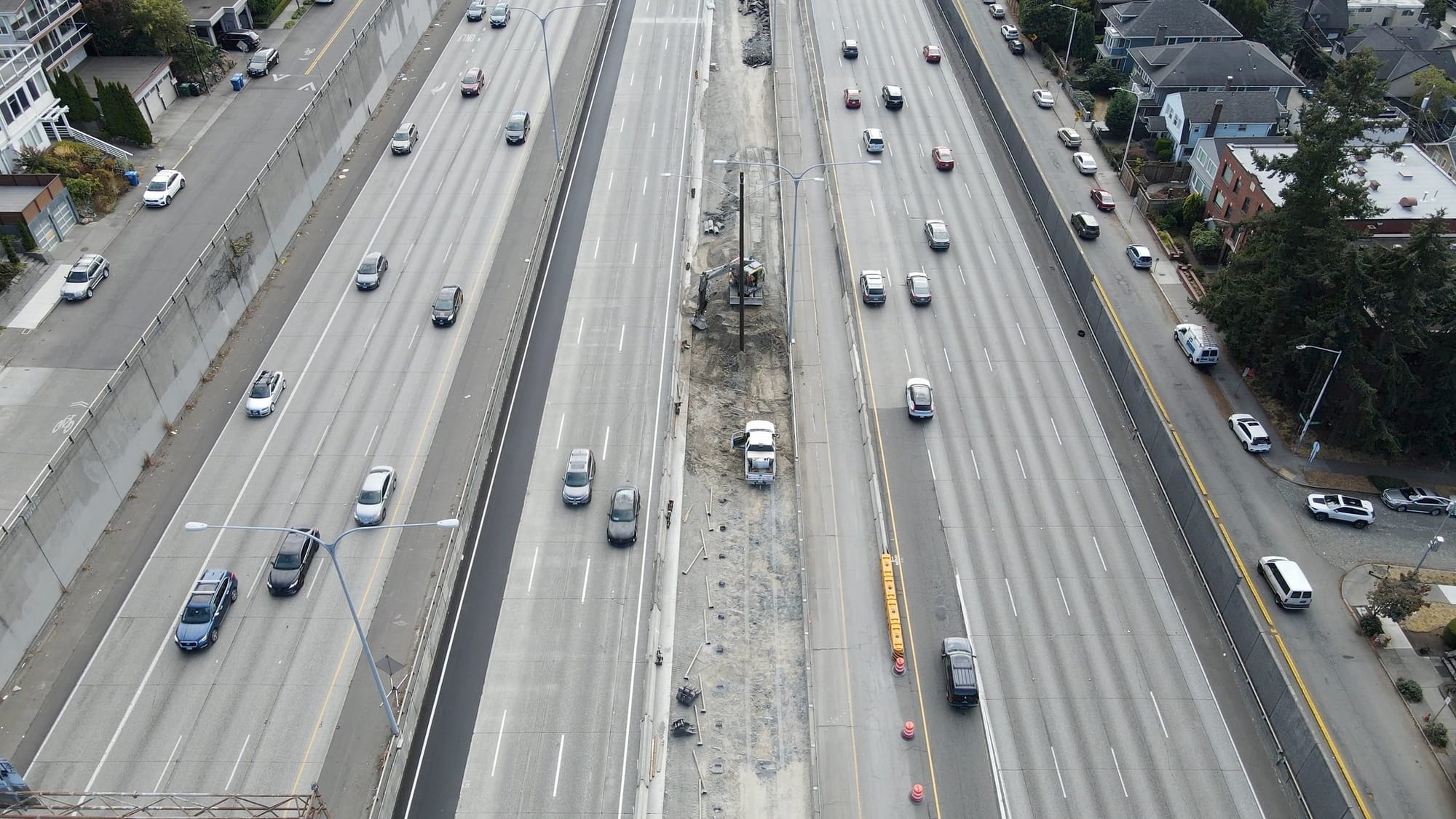
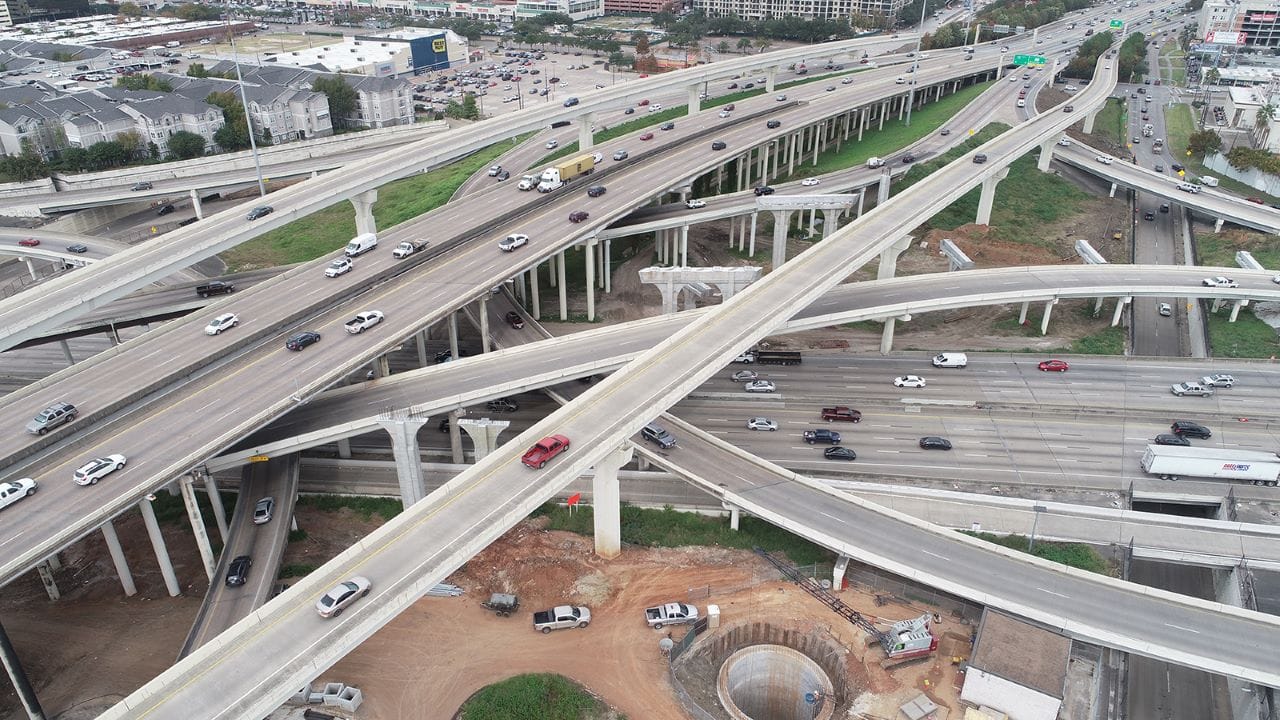
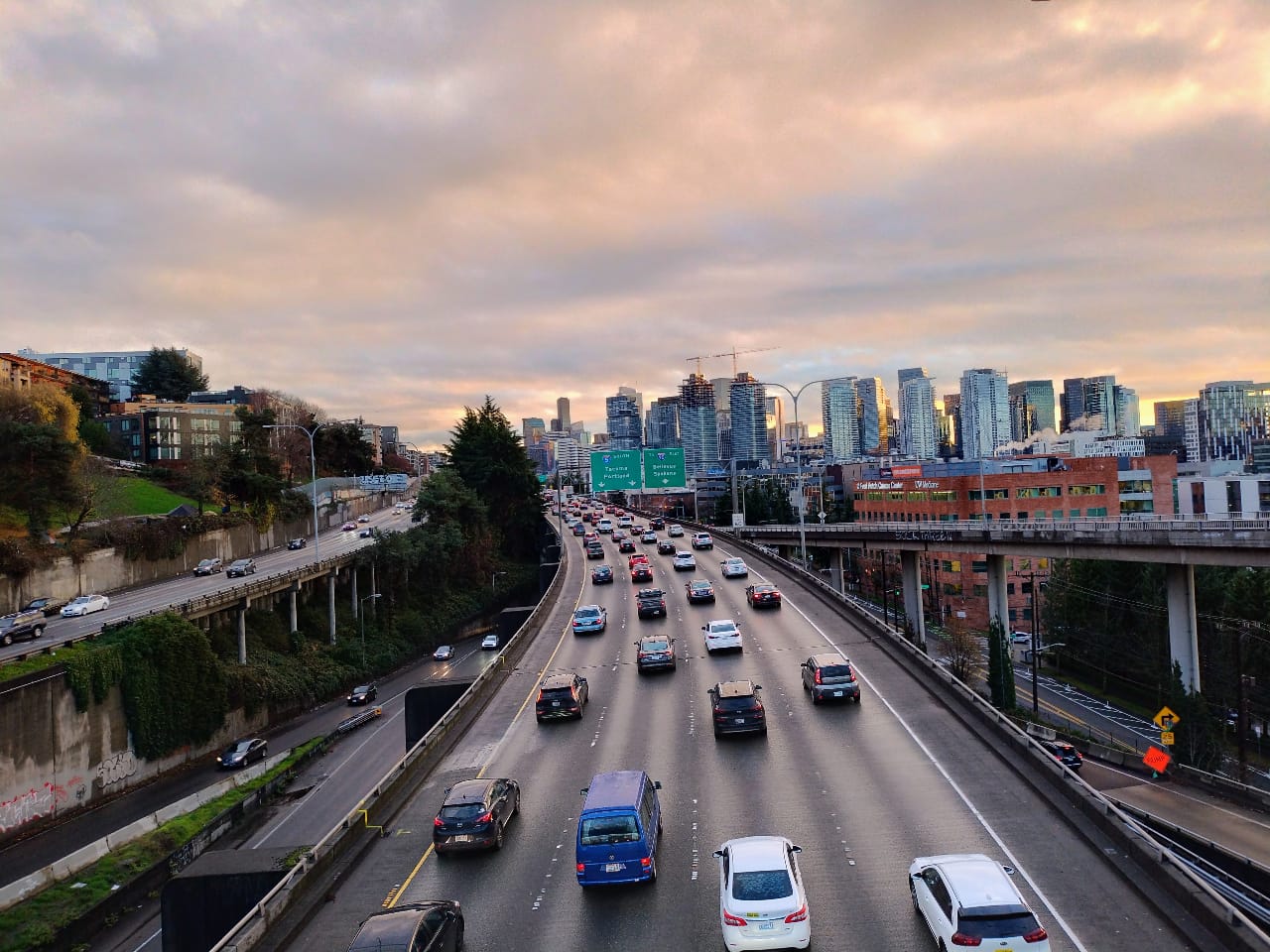
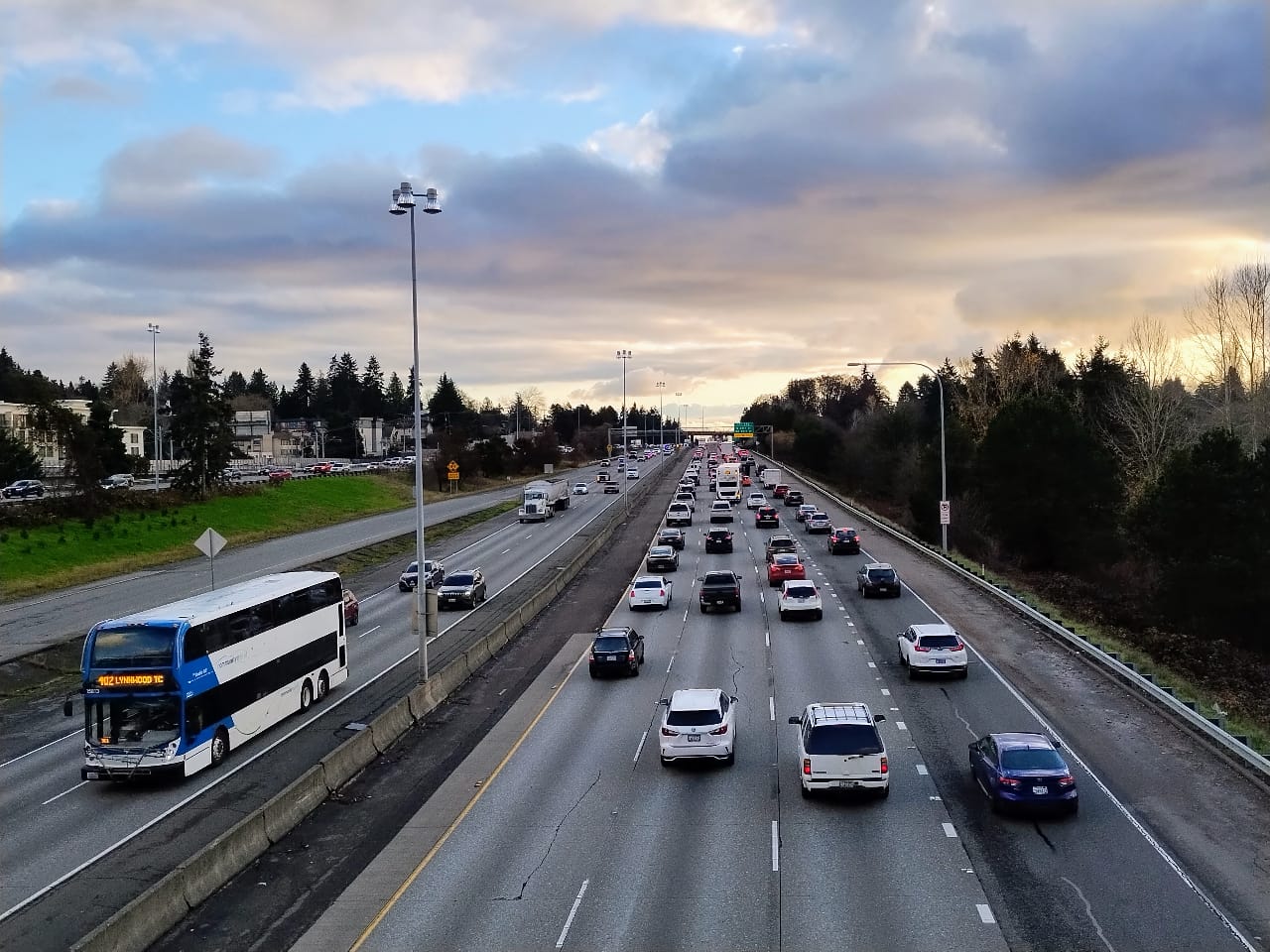
More than one-third of WSDOT’s two-year budget is set to go toward highway widenings and extensions, in the face of a significant maintenance backlog impacting Washington’s state and local roads.
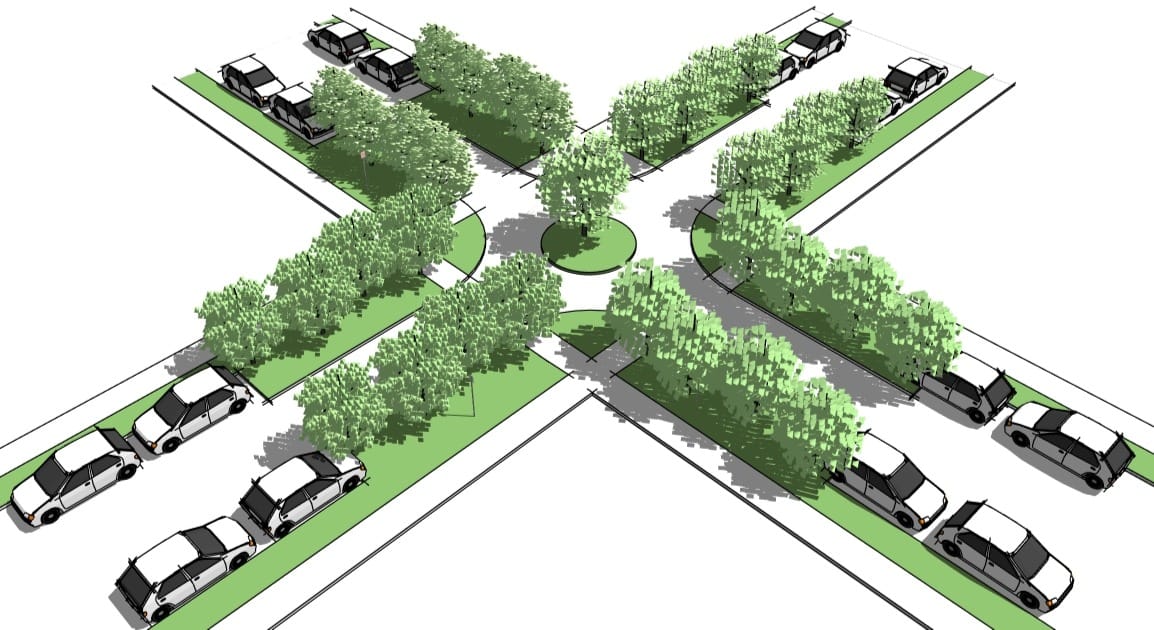
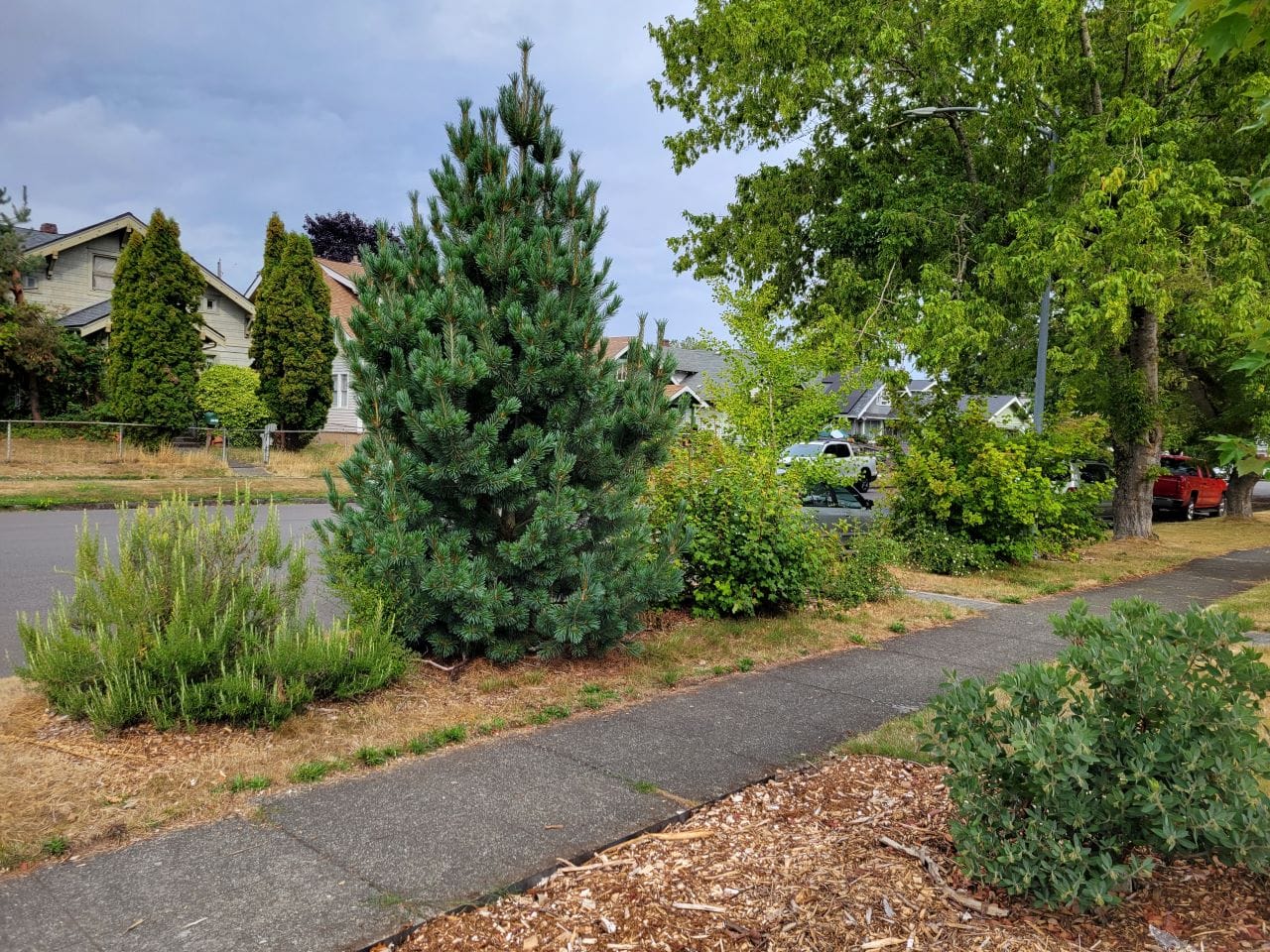
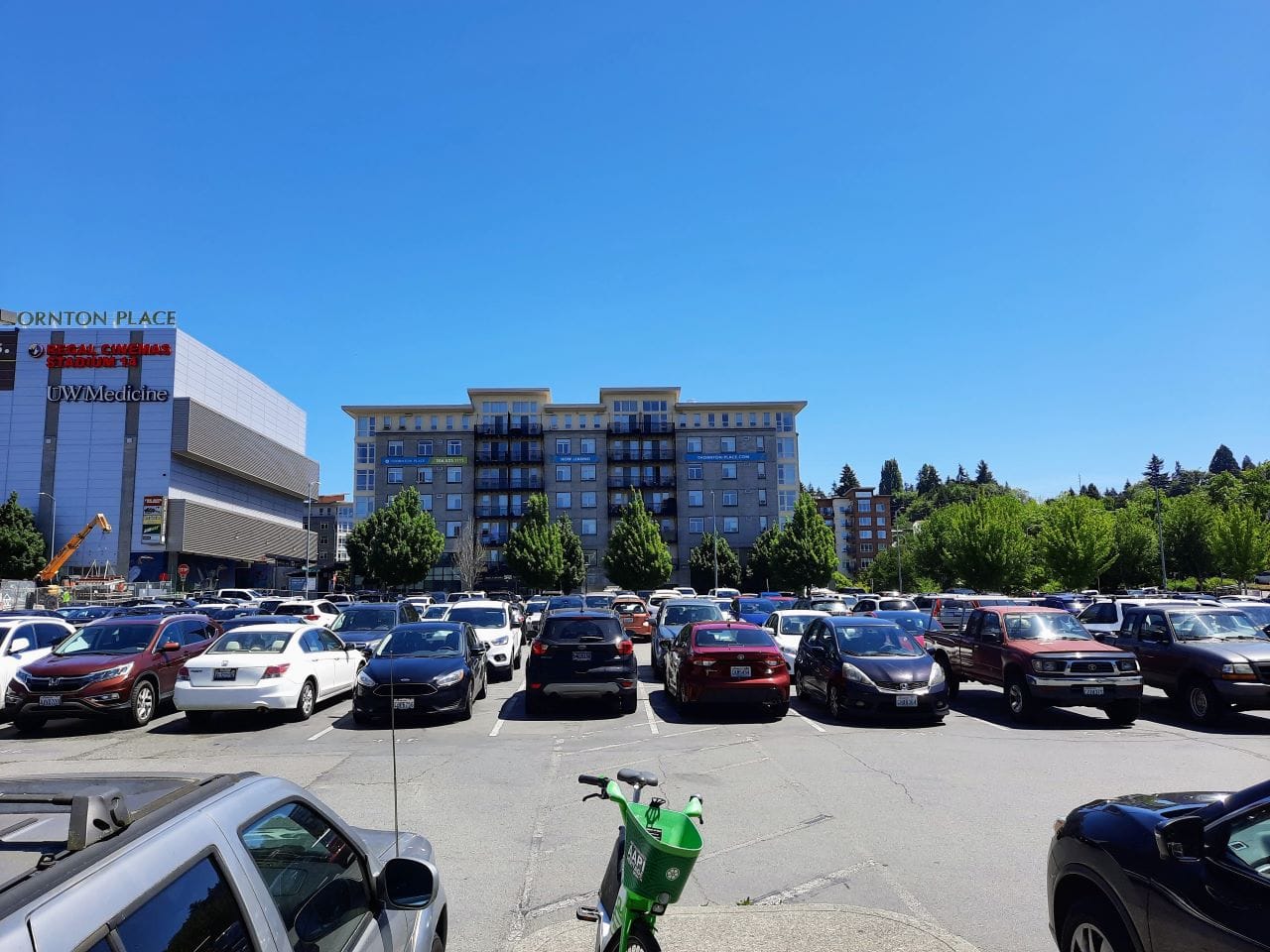
Seattle could meet its 30% tree canopy goal much quicker by converting a quarter of its 500,000 on-street parking spaces. The paving to planting conversion would convey many benefits, cooling neighborhoods and absorbing runoff.
The rents and temps are too damn high. Seattle’s social housing developer can help — with Prop 1A funding. Vote yes on Prop 1A by February 11.
As other states start to reassess their prioritization of expanding highway capacity in the face of ambitious climate goals and other transportation needs, Washington is still in denial mode.
A new report shows most states continue to funnel money toward highway expansion, locking in climate pollution, despite new tools to fund transit and other forms of climate action. This is a losing strategy for both the environment and increasing mobility options.
Bellevue, Seattle, and Tacoma are each working to expand tree protections, but all should go further to expand canopy and adapt to a warming climate.
If approved, Initiative 2117, repealing 2021’s Climate Commitment Act, would put $2.39 billion in funding for transit agencies across the state over the next 16 years at severe risk of evaporating.
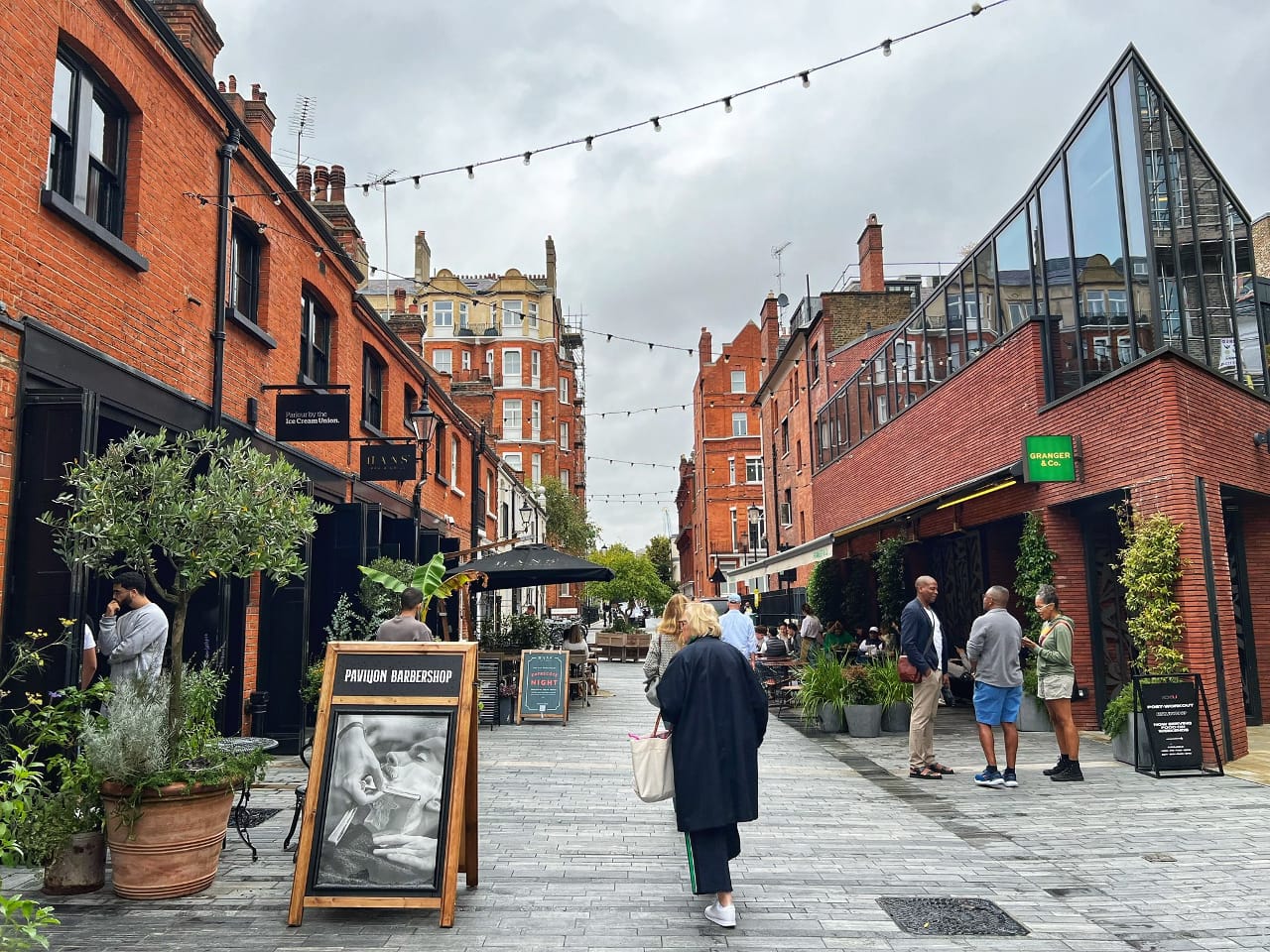
London’s Pavilion Road, fully pedestrianized in 2021, represents a strong contrast with Seattle’s plans to reduce pollution by transforming streets, still stuck in the planning stage despite nearly seven years of work.
Tacoma’s Green Blocks program is expanding into the Lincoln International District in October and looking for residents looking to help plant and care for trees.
The City of Kenmore was the first city to pass a resolution officially opposing Initiative 2117. Others have followed, but big cities like Seattle and Bellevue have not weighed in.
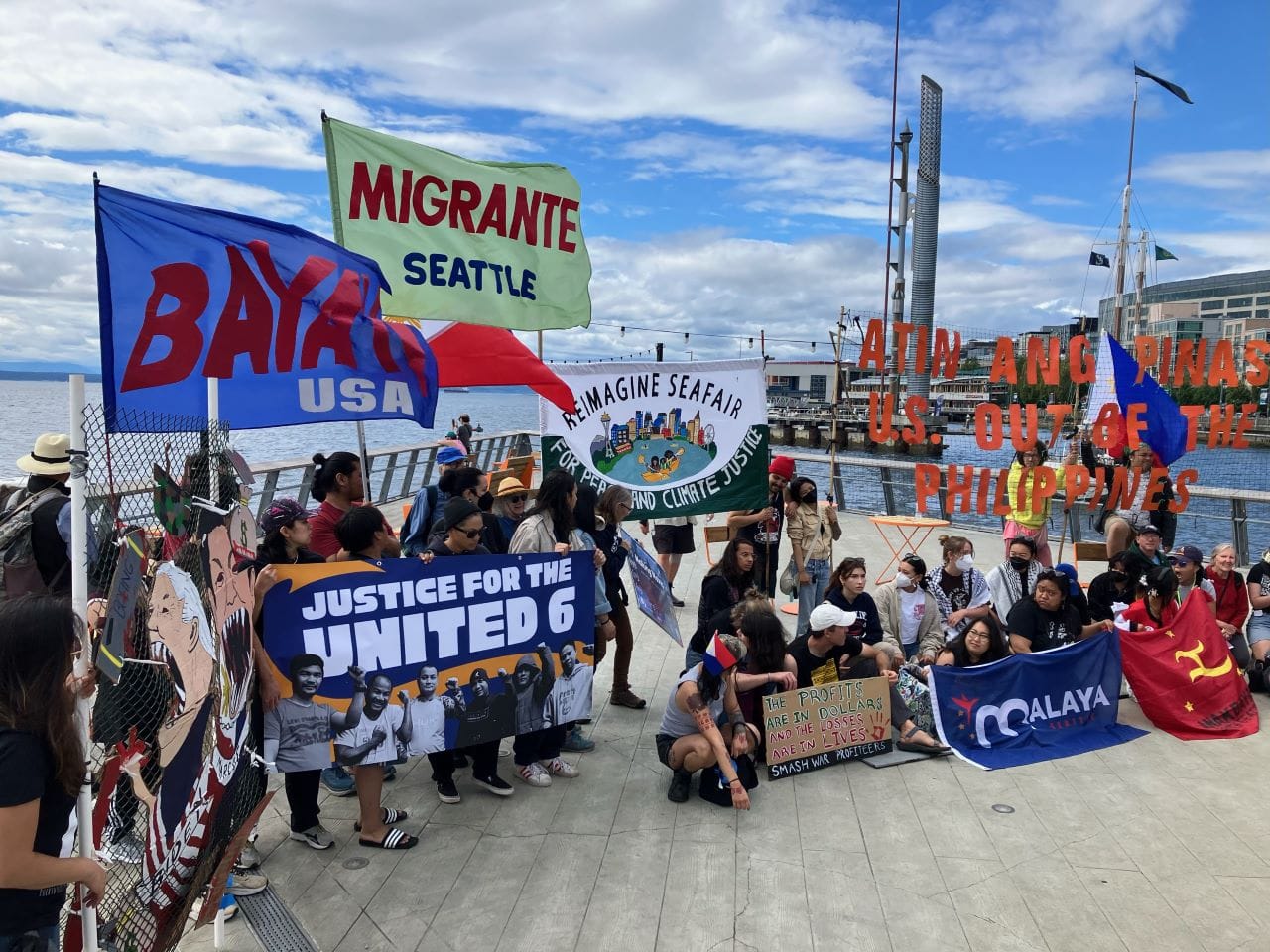
Environmental activists and critics of US militarism are joining together to protest against Seattle’s loud, polluting Blue Angels airshow. Here’s the case for having the courage to end this tradition.
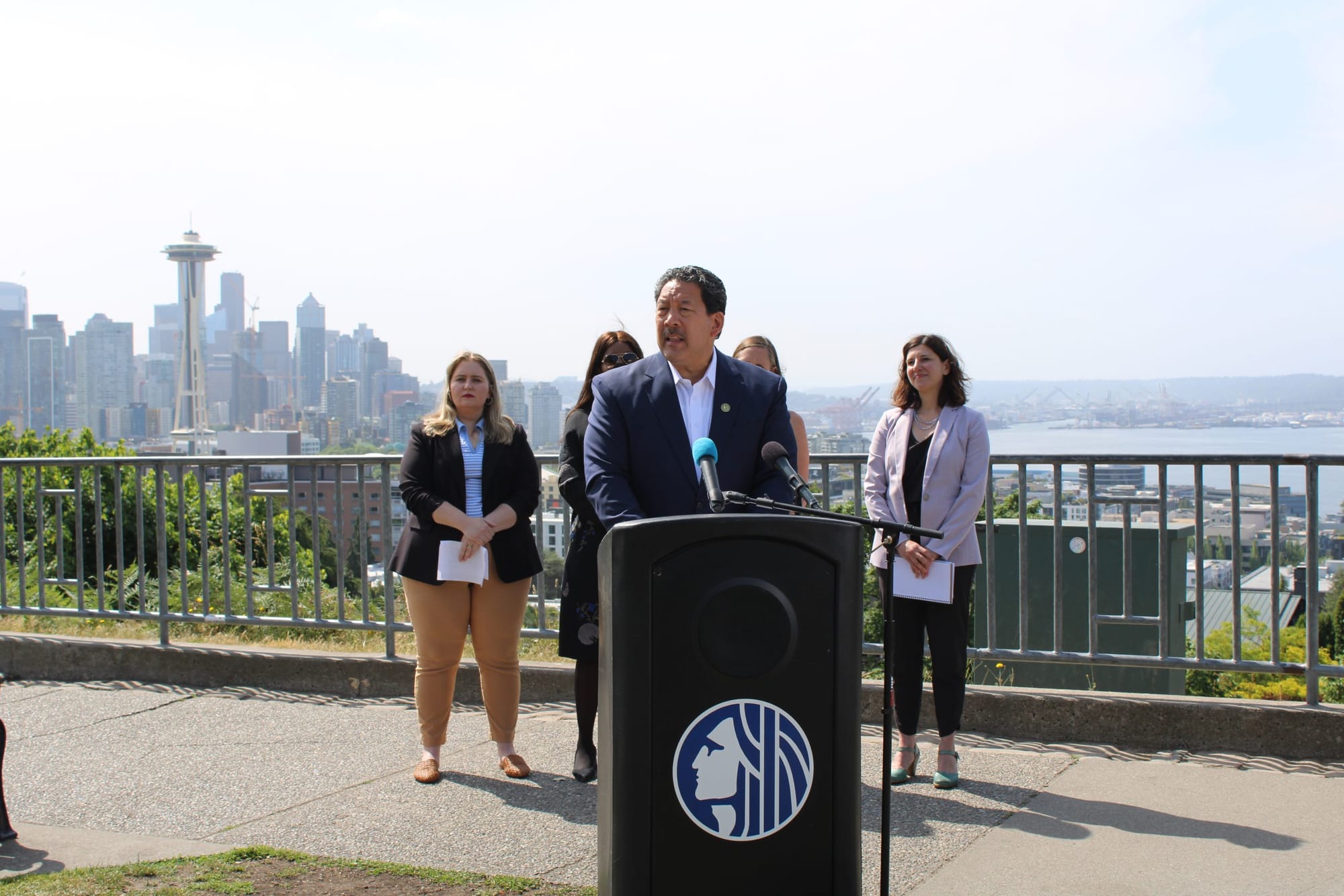
Mayor Bruce Harrell and Governor Jay Inslee were on Thursday’s program at Bloomberg Green Festival hosted at the Seattle Center. Both touted local leadership on environmental issues, even as that work remains tenuous.
Part 2 of this four-part series examines arguments against focusing on land use in climate policy and provides counter arguments. Ignoring land use changes and relying on electrification alone is a slower and riskier path to decarbonization.
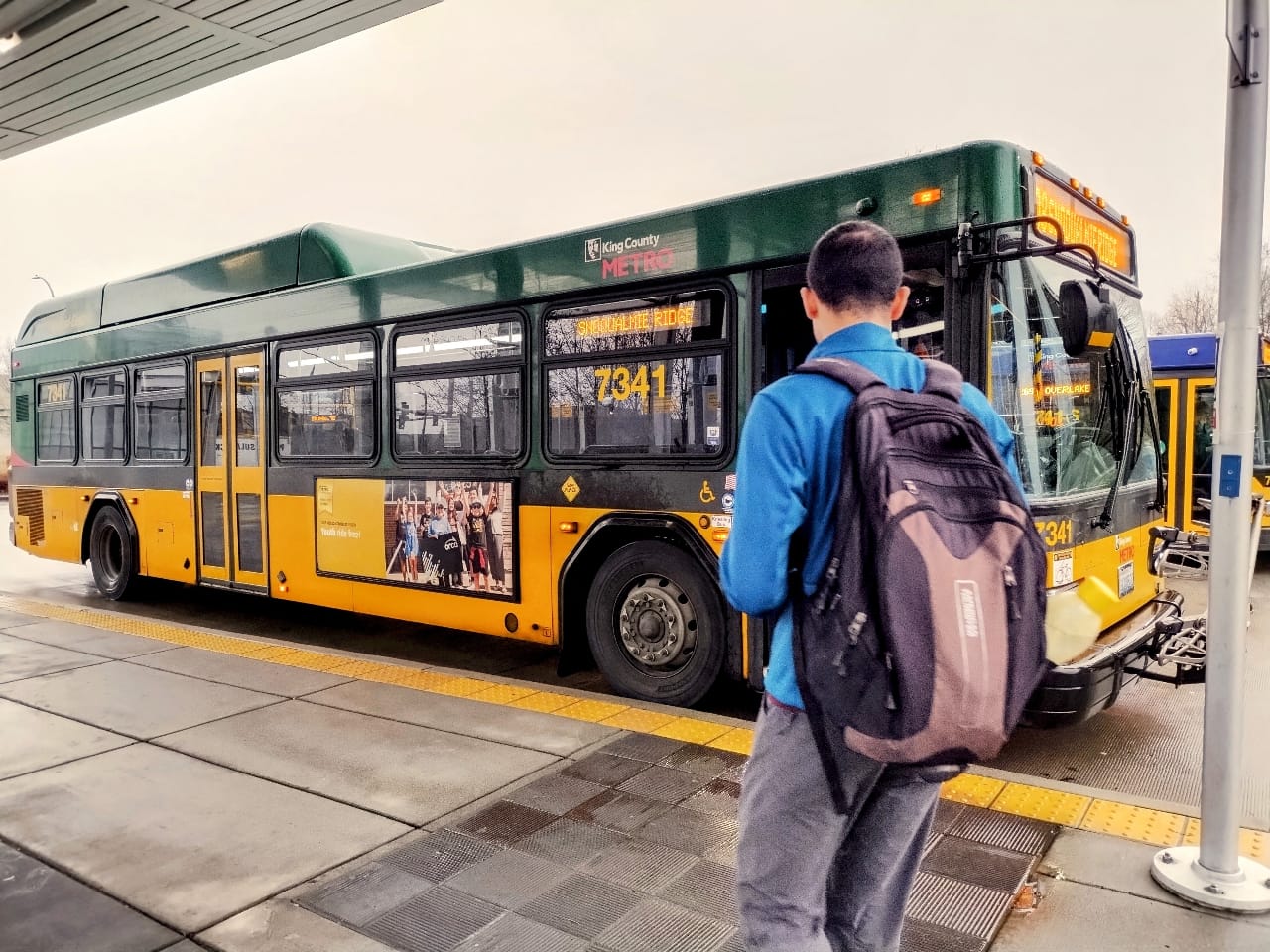
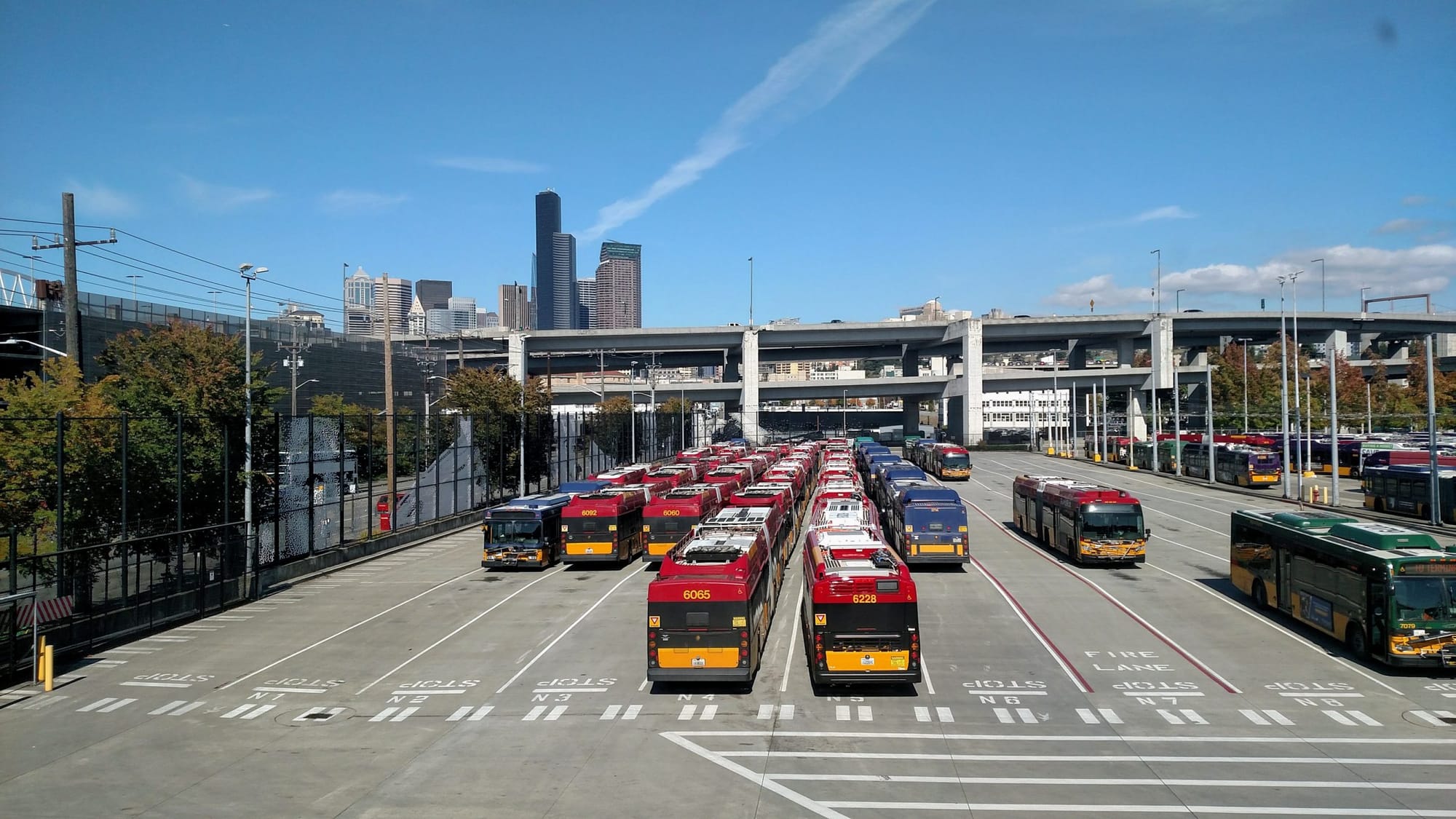
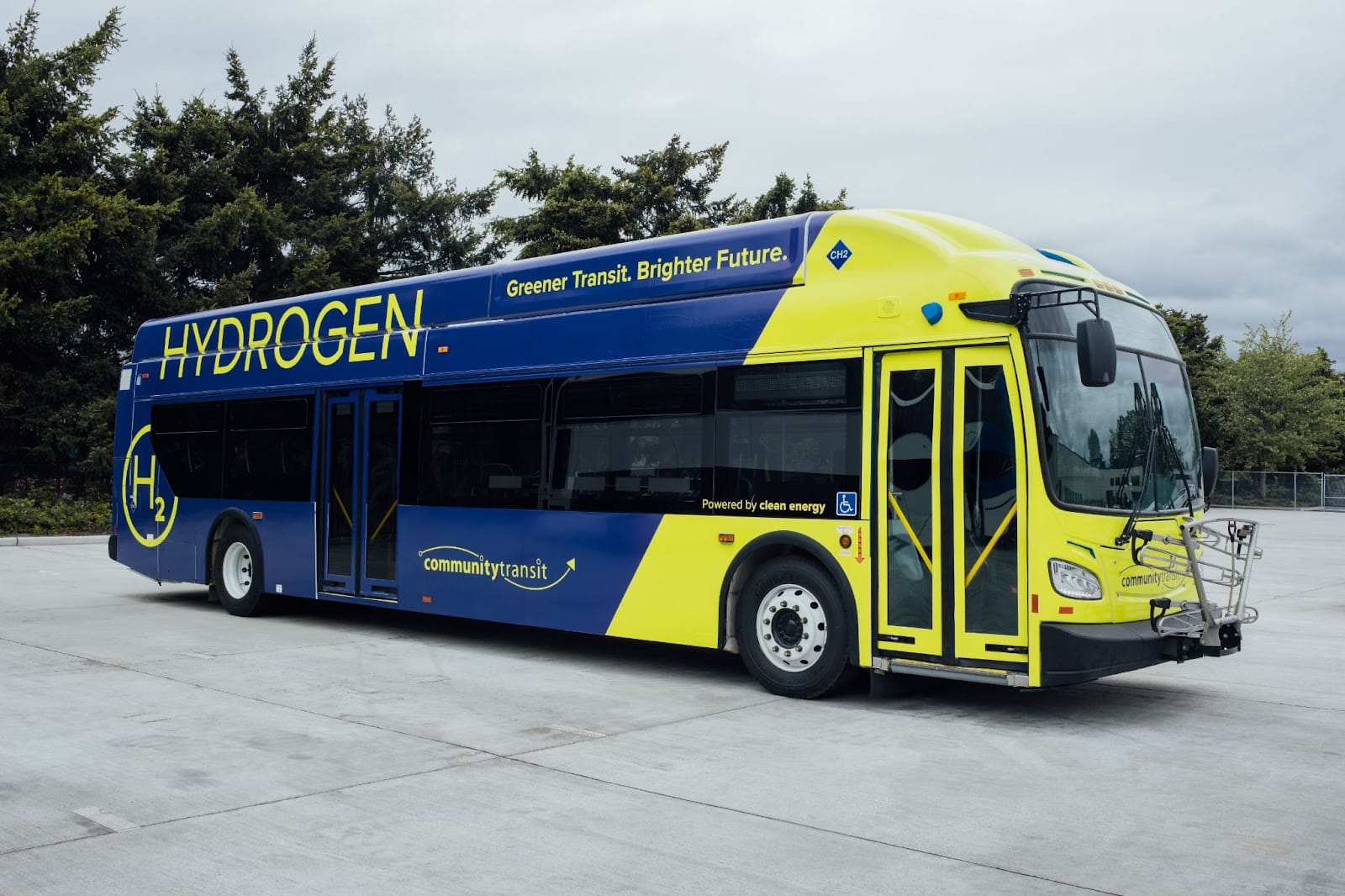
King County Metro unveiled plans to test out hydrogen-powered buses by 2026. The news comes on the heels of a King County Auditor report casting doubt on Metro’s plans to rely heavily on battery buses to meets its goal of a fully electric fleet by 2035.
New York had been all geared up to become the first American city to implement congestion pricing later this month until Governor Kathy Hochul announced a stunning reversal, saying she intended to shelve the program on Wednesday. Transit riders and climate advocates are fighting back and aiming to b
A new hydrogen fuel cell bus has arrived in Snohomish County, offering another path toward fleet electrification goals for the county’s main transit provider.
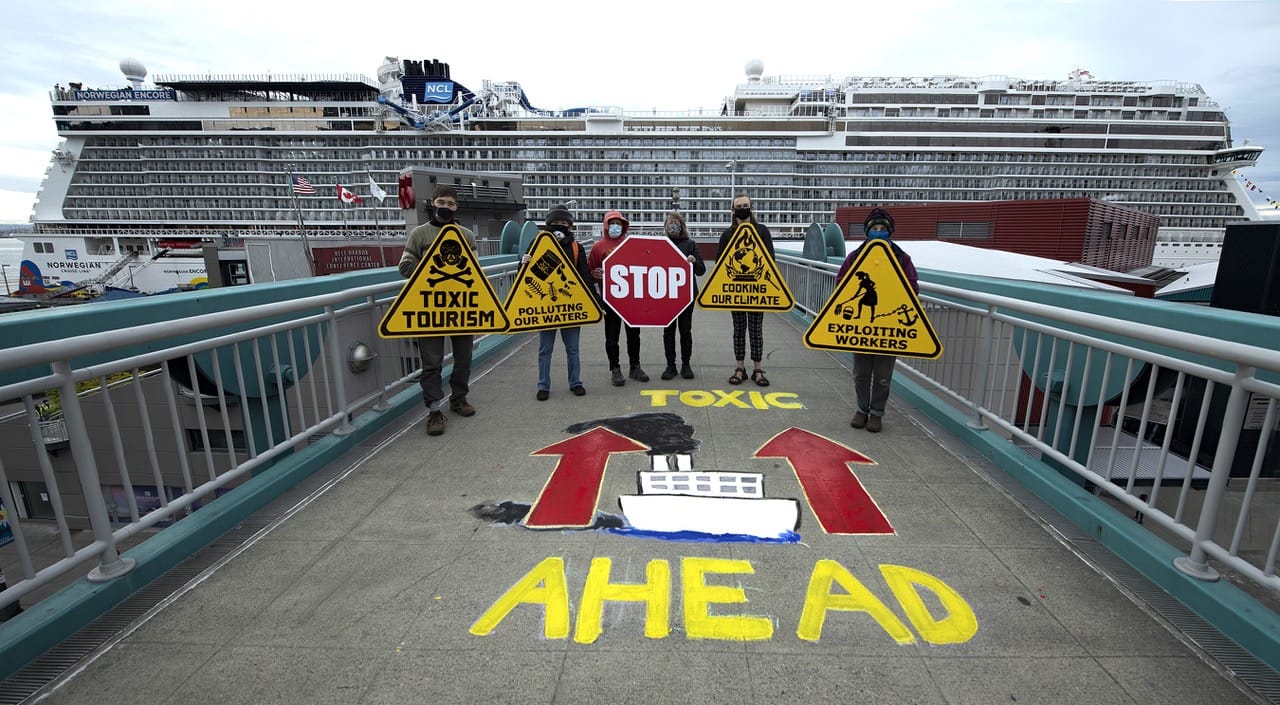
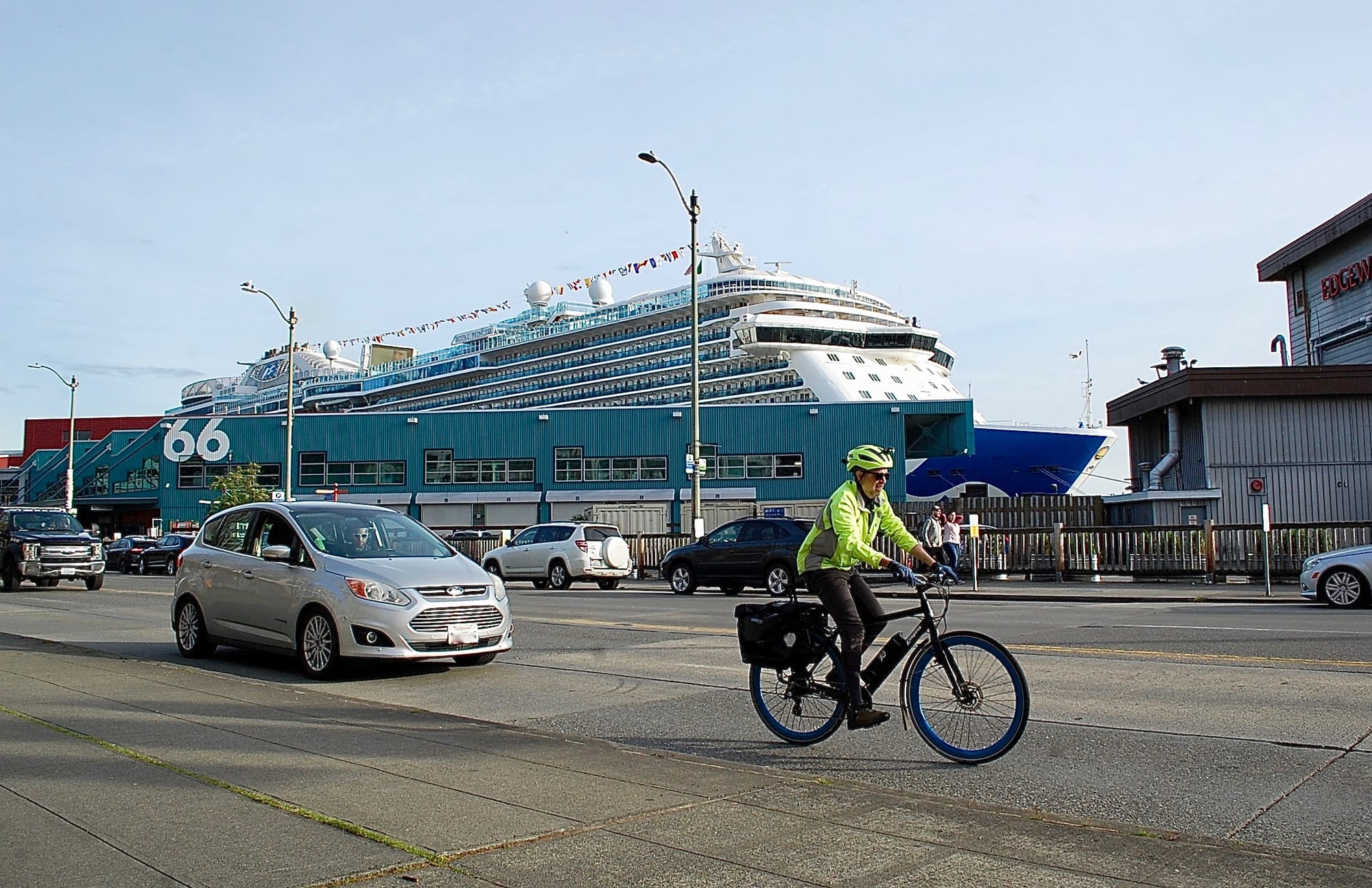
On Saturday, April 6, as the first cruise ship of the season boards, Seattle Cruise Control and two dozen partner organizations will stage a family-friendly rally at Pier 66 to protest the pollution and exploitative practices of the cruise industry.
Even in the face of ambitious greenhouse gas emissions goals that remain out-of-reach, elected leaders in central Puget Sound aren’t ready to rethink the process around how federal dollars are used to boost local transportation projects and de-prioritize projects that increase driving and pollution. This week, members of the
A small change around regional grant funding criteria could prove a bellwether for transportation policy in Puget Sound. Everywhere from Lynnwood to Puyallup, from Auburn to Silverdale, the long-range transportation plan for central Puget Sound calls for a significant expansion of the region’s roadways over the coming decades, even
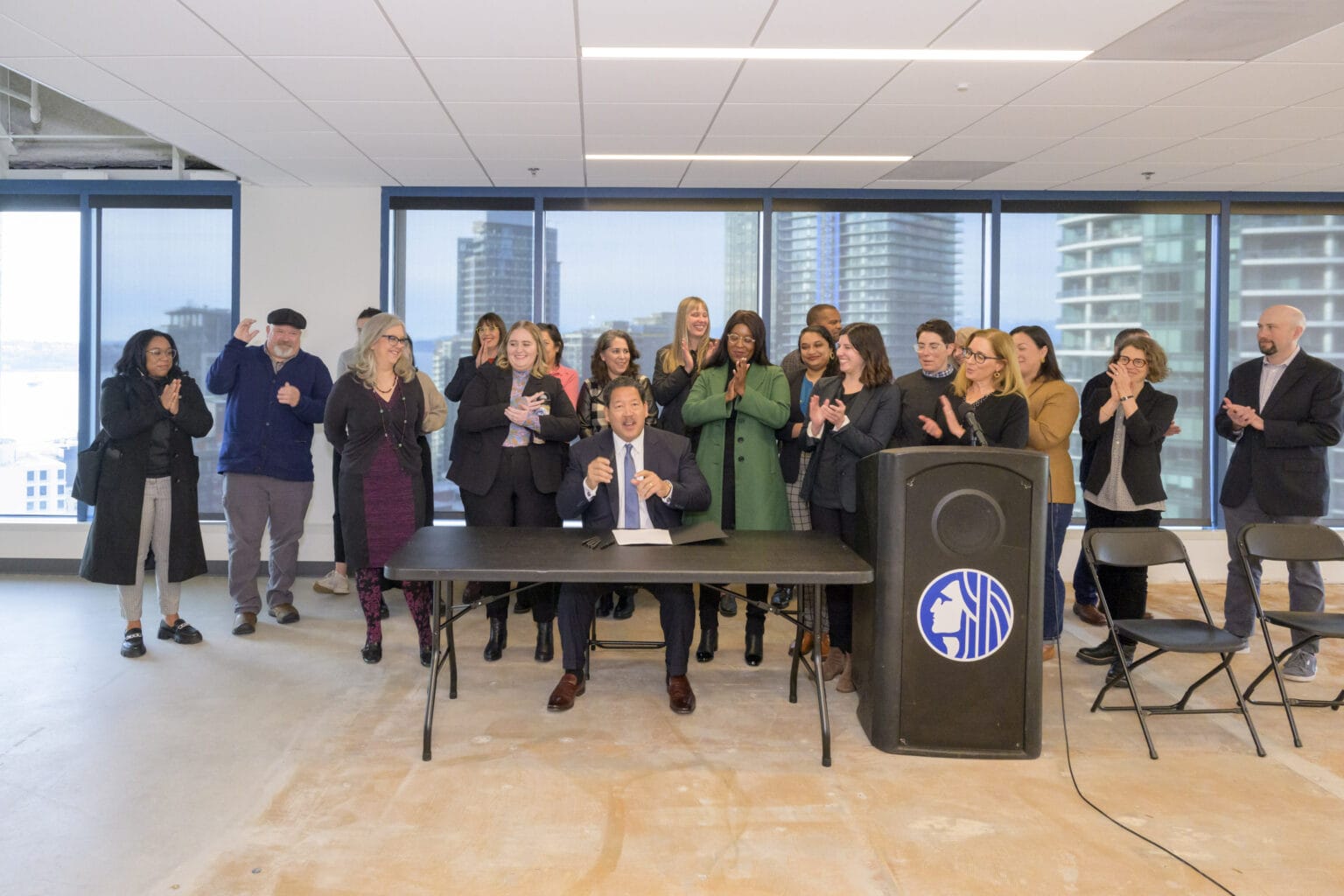
On Wednesday, Mayor Bruce Harrell signed legislation that promises to eventually reduce Seattle’s climate emissions by 10%. Passed unanimously by the Seattle City Council on Tuesday, the new Building Emissions Performance Standard will require that existing buildings take significant steps to curb their emissions. It also provided some funding
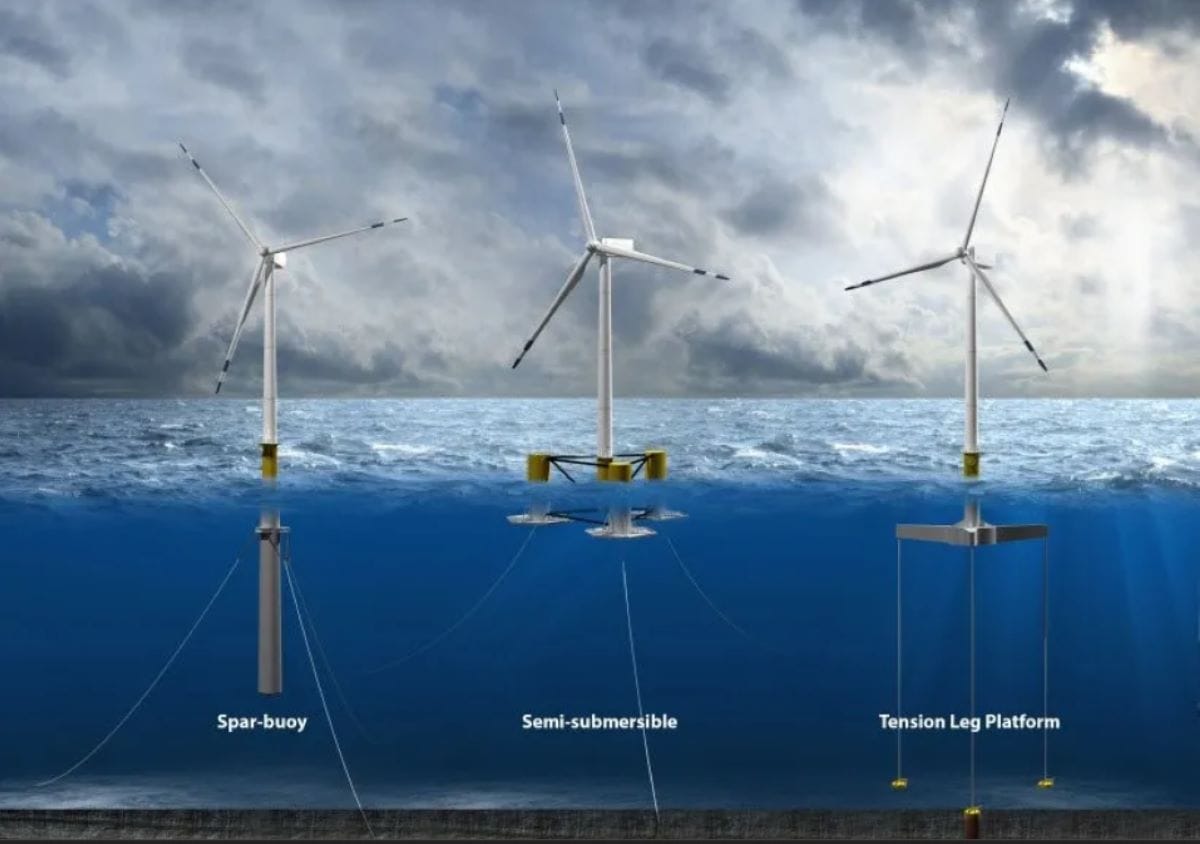
Facing record-breaking demand, offshore wind could balance the state’s clean energy portfolio, covering gaps in peak winter months. When Governor Jay Inslee announced the Blue Wind Supply Chain Collaborative alongside local industrial and port leaders in October, it was clear Washington State wanted offshore wind manufacturing jobs. What was
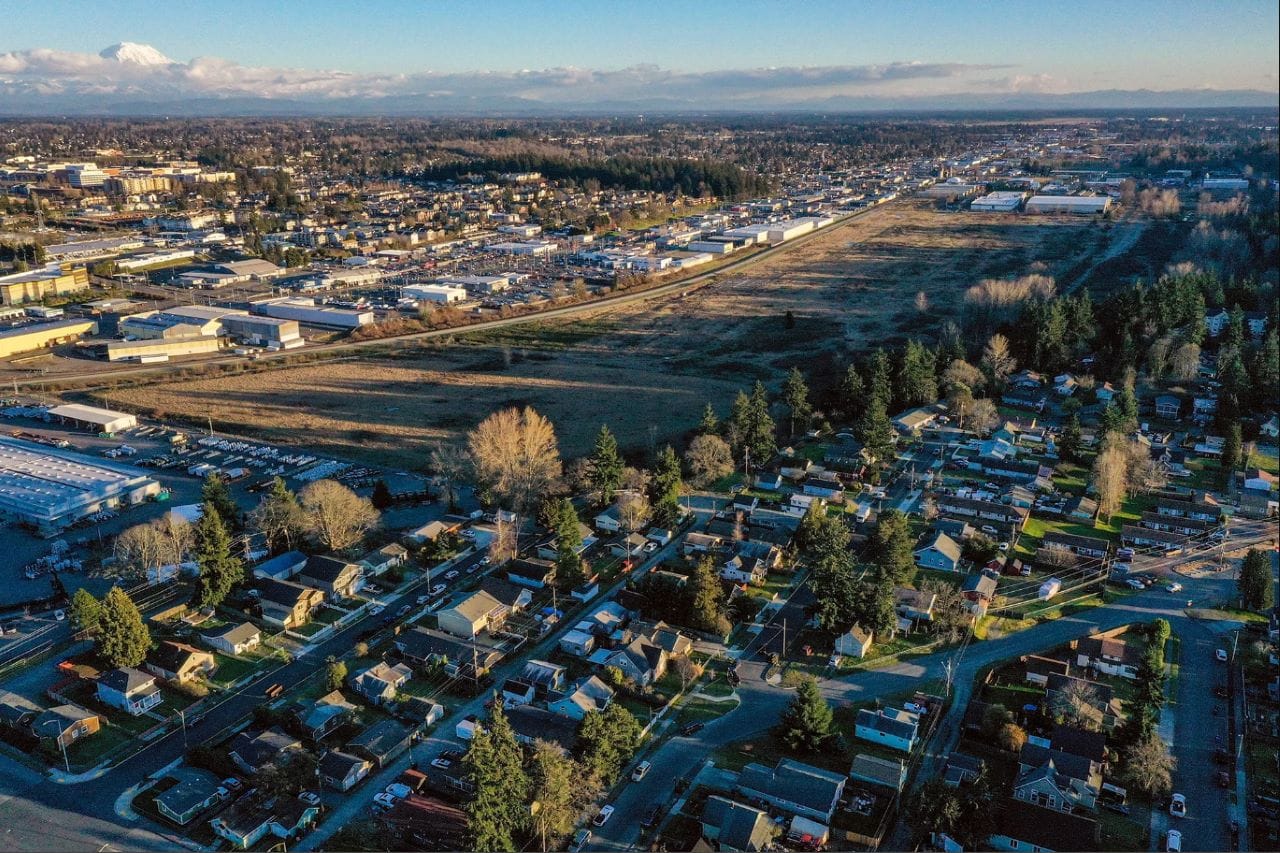
South Tacoma faces the threat of a warehouse complex that would exacerbate air pollution, extreme heat, and violent crime. It’s no coincidence that the already overburdened community of South Tacoma is the planned site of a warehouse complex that would pave more than 125 acres of its remaining wetlands.
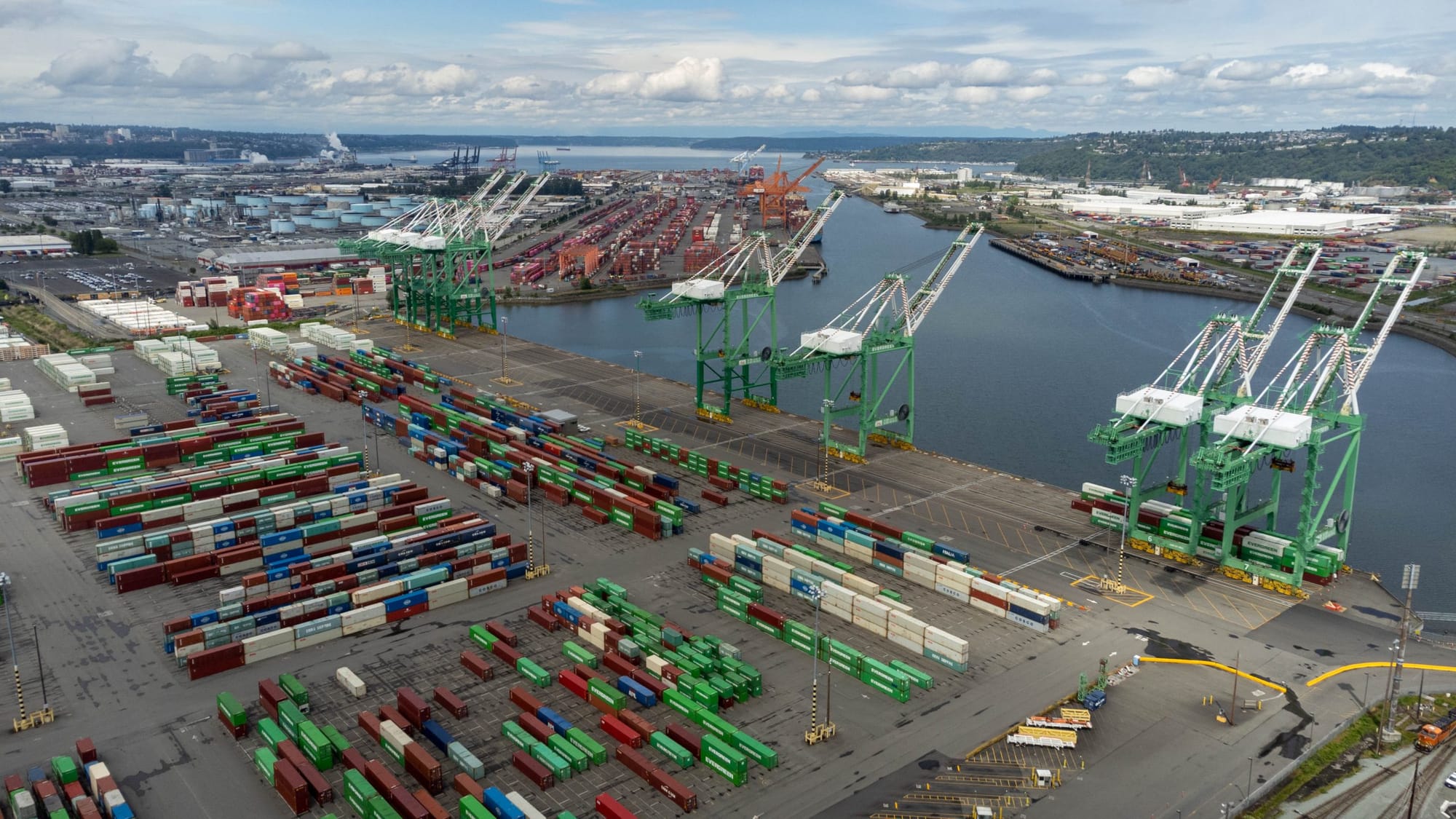
The State has a role in defining the market for freight and charting emissions reductions with a shift to rail. When the Washington State Legislature passed the Climate Commitment Act (CCA) in 2021, it codified economic decarbonization as the government’s priority. To this end, the law created an ambitious
The City is working to implement resilience hubs, which advocates have pushed to be community-led. Anticipating climate change’s impact on residents, the City of Seattle is planning the implementation of resilience hubs in various neighborhoods around town. With priorities set for overburdened communities, the creation of these new community
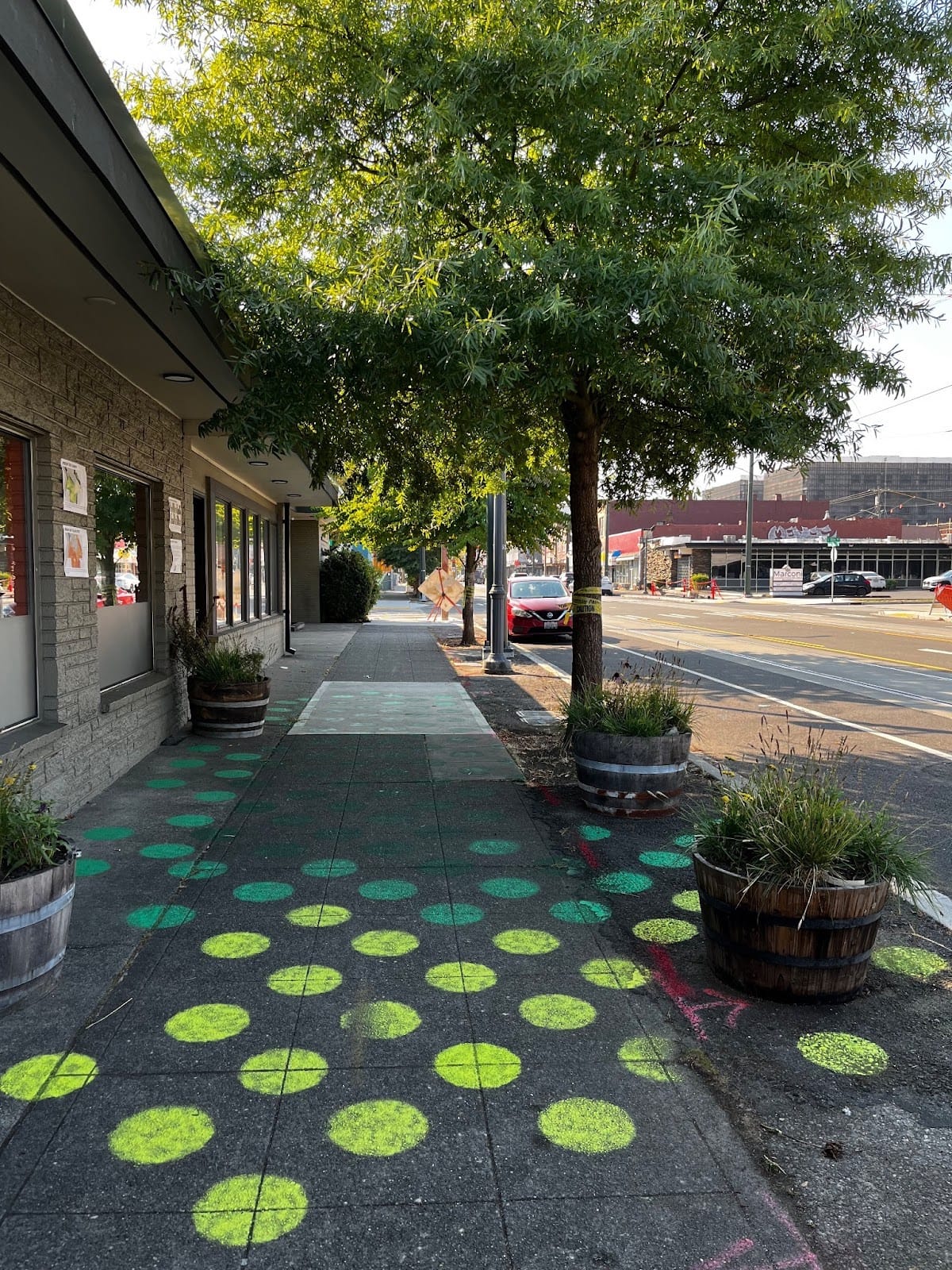
Tacoma has the least tree canopy in the Puget Sound Region. Residents experience this reality in higher average temperatures and poor air quality. On a recent walk through the Hilltop neighborhood, I came across a stretch of sidewalk decorated with polka dots, each about a foot in diameter and spaced
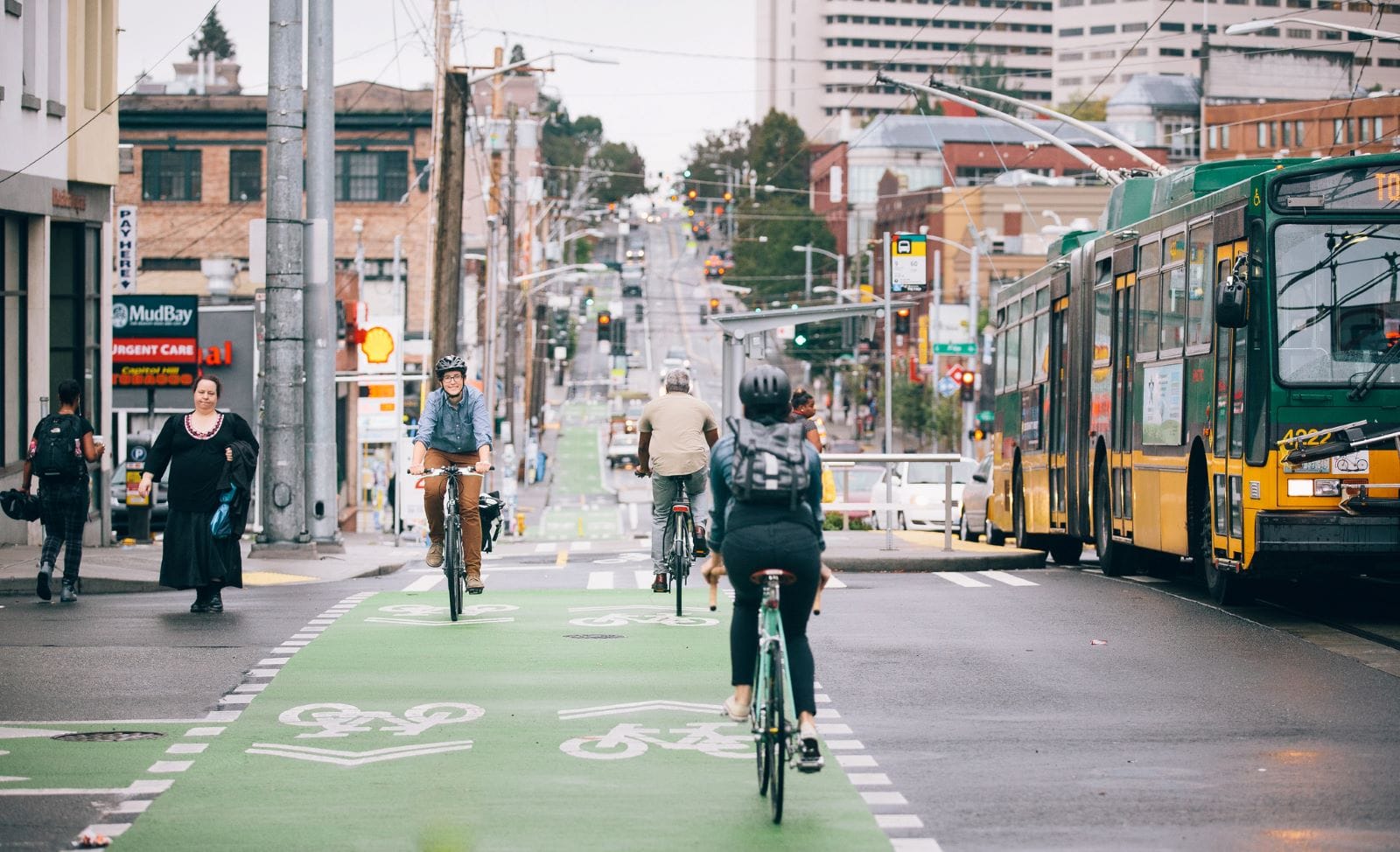
Questions remain about how the City will get there and how committed it is to overcoming obstacles. Transit would jump from 11% of trips to 24% of trips by 2030 if Seattle is able to meet the goal set in its recently released “Climate Change Response Framework.” Walking, rolling, and
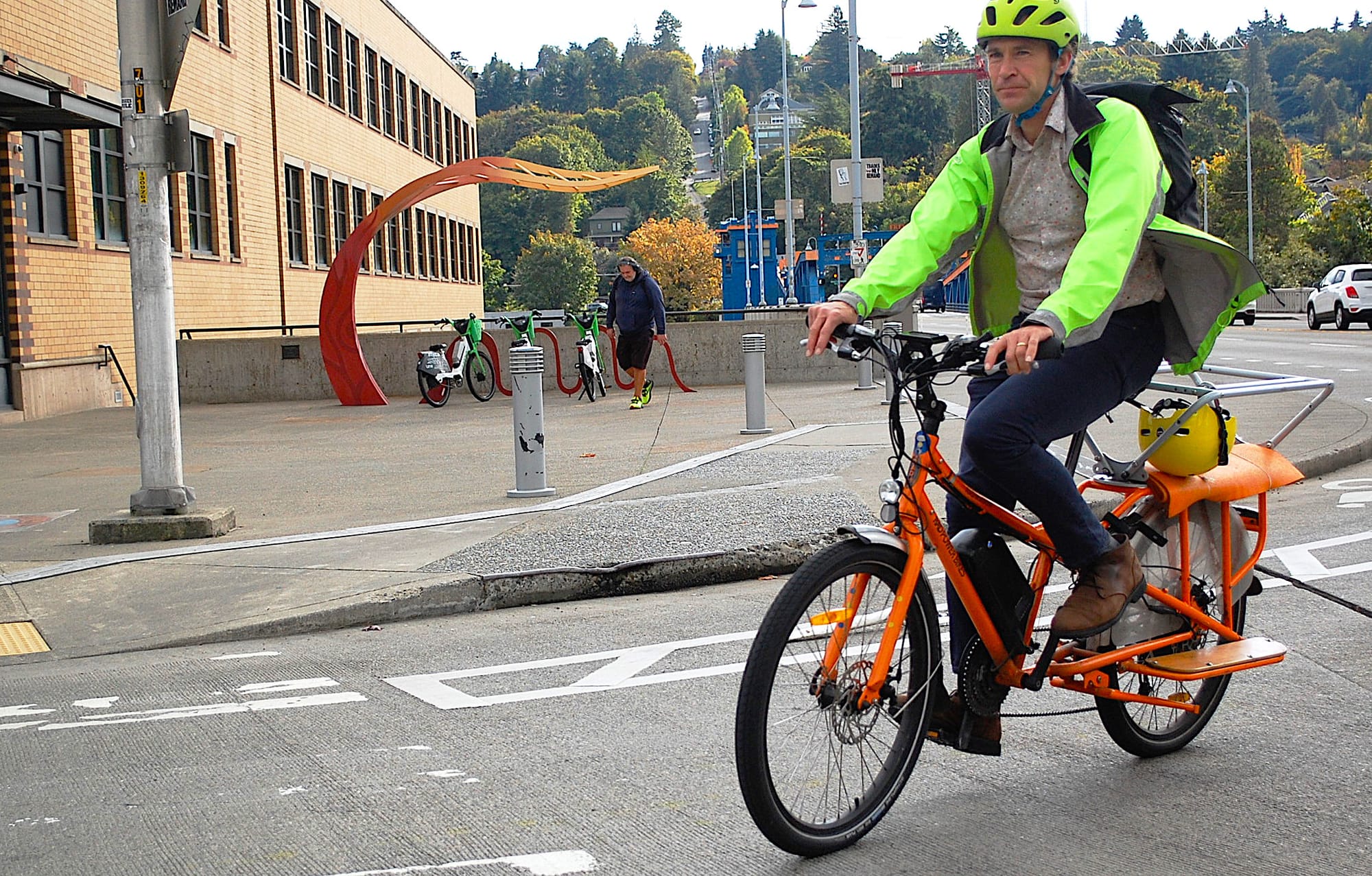
With prices dropping and a state rebate coming soon, e-bike sales are booming. Here are tips for those looking to hop on the e-cargo wagon. E-bikes are having a moment in Seattle and beyond. Prices are dropping, sales are climbing, and more and more people are discovering that electric-assisted bicycles
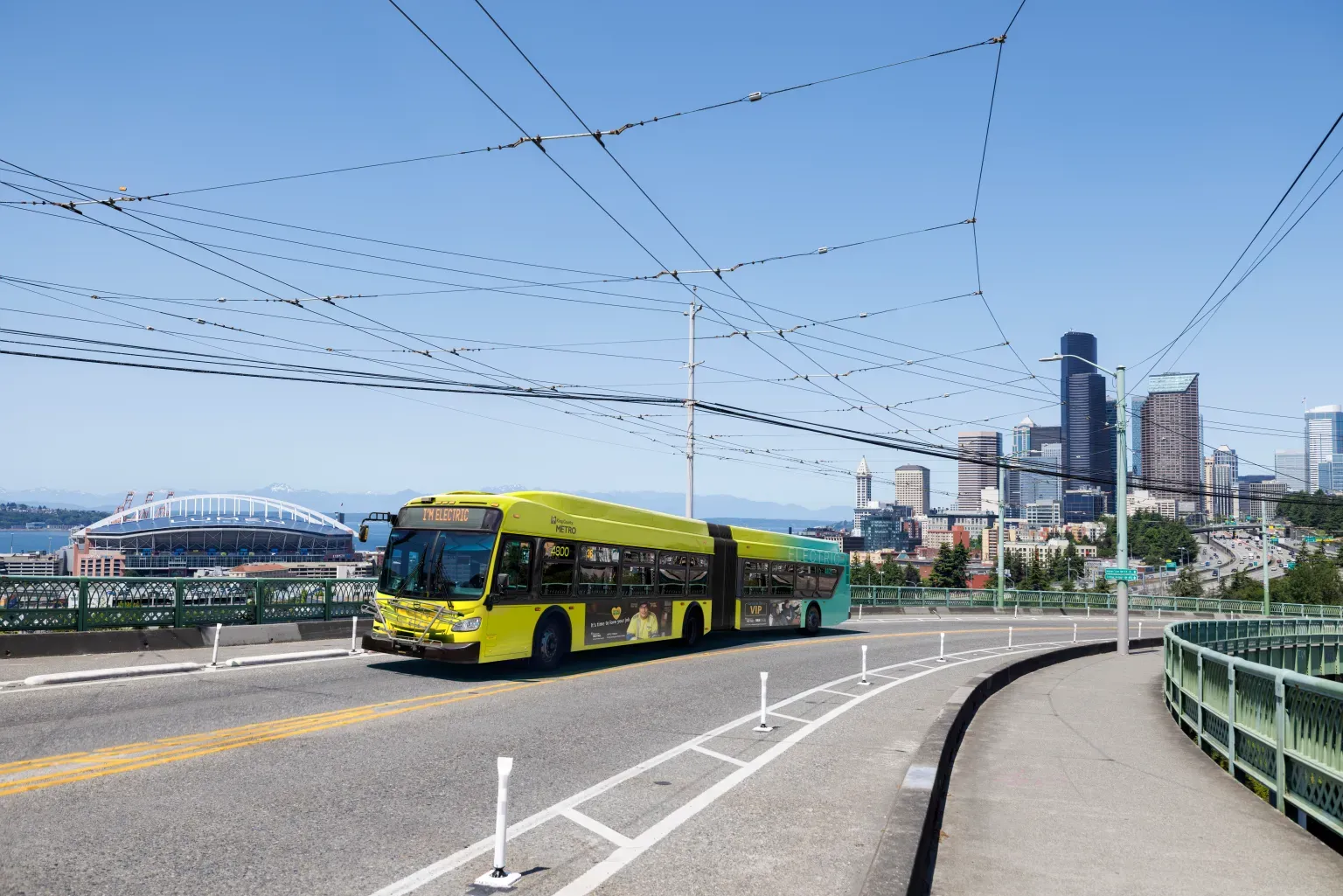
The County’s cringeworthy move suggests more attention is needed on boosting service and electric trolleys. King County Metro will roll out new light yellow paint jobs to differentiate its new battery-electric buses from the rest of its fleet of older hybrid diesel buses and electric trolleys. The yellow branding
Like a giant overhead bin full of cookies and cash, Alaska sits for many as potential salvation. Quietly looming above, it waits as a refuge for the smart and mobile who can escape the inevitable collapse of climate and economy. Too many people think they’re going to see the
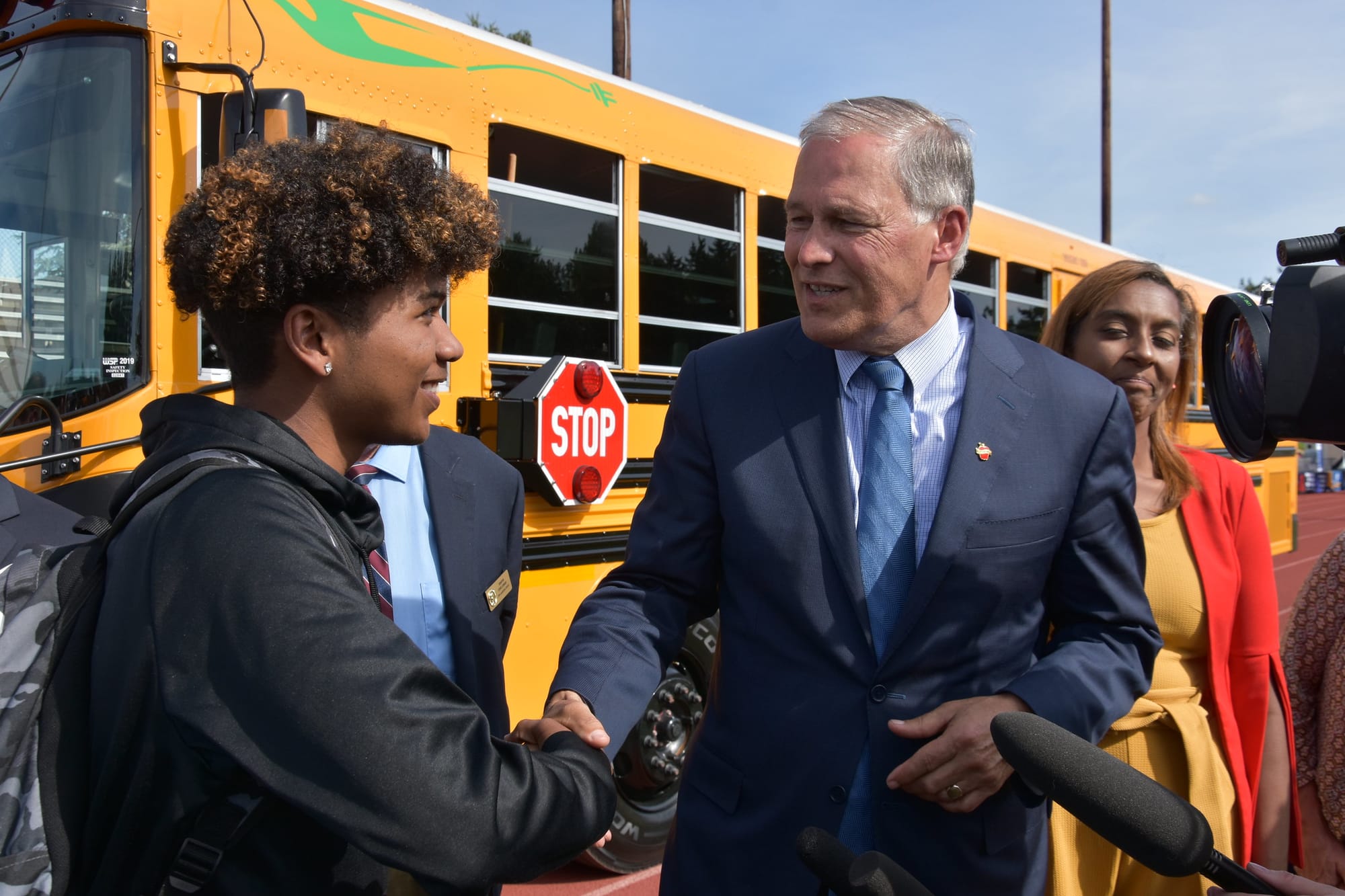
Washington State has 40 electric school buses so far — but big plans to change that. Meanwhile most parents drive their kids to school. That is the sentiment Vice President Kamala Harris expressed to a handful of Seattle students, educators, and leaders in October when announcing $1 billion for electric school
Landlords are pushing to delay implementation schedules and lessen fees. When asked about the causes of climate change, most may picture cars, coal mines, and power plants. But fewer consider the buildings we occupy. Yet, our buildings represent a sizable portion of planet-warming emissions. Nationwide, residential and commercial buildings account
Twenty degrees. That’s how much higher temperatures in Seattle were during a heatwave this week compared to what we usually experience this time of year, according to the National Weather Service (NWS). The increased frequency, duration, and intensity of heatwaves are indicators of climate change – the result of human
Whether pushing for a car-centric waterfront or failing to deliver on electric shore power, the Port of Seattle’s commitment to sustainability is an open question It’s impossible to ignore a cruise ship docked on Seattle’s waterfront. Recently, a behemoth Princess Cruise ship bound for Alaska – the Ruby
Last week The Urbanist took a peek at how the Seattle’s Council District 1 race is shaping up, and former Amazon tech worker turned climate organizer Maren Costa is among the crowded field trying to win over voters. All are competing to replace retiring Councilmember Lisa Herbold, who has
WALeg Wednesday considers the housing package that passed, led by HB 1110. As the legislative calendar winds its way to adjourning sine die (until next year) on Saturday, it’s easy to focus on issues that were lost in the process or ideal bills that did not get out of
Just a few months after adopting a long range transportation plan intended to guide investments through 2050, staff at the Puget Sound Regional Council (PSRC) have revealed that the plan is not ambitious enough to guide the four-county central Puget Sound toward its adopted 2030 climate target. At a meeting
To be honest, it’s a little difficult to decide whether this is a food review, a hockey game report, or a look at the ongoing issues at Seattle’s new arena. Bear with me, it was a fun, if difficult, hockey game. There was some testing of the batch
Mayor Bruce Harrell was in Buenos Aires yesterday attending the C40 Climate Summit. Back at home, Seattle’s air quality was rated “very unhealthy” and its index climbed into the 200’s due to smoke rolling in from nearby Bolt Creek wildfires. Ratings on the Eastside (closer to Bolt Creek)
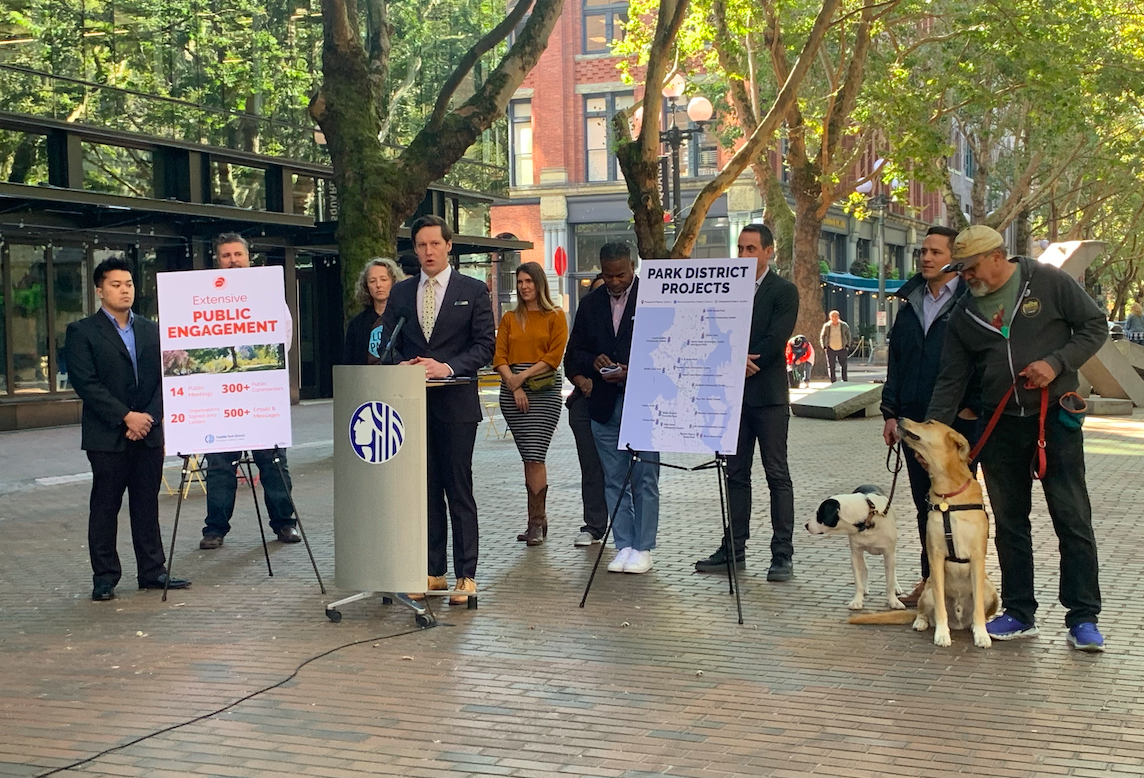
Councilmember Andrew Lewis (District 7) has released his six-year funding plan (2023-2028) for the Seattle Metropolitan Park District, the third funding plan made public following the proposals put forward by the Seattle Parks District Board and Mayor Bruce Harrell. Of the three, Lewis’ proposal is the most ambitious — and expensive
In just a few days, world leaders will gather in Glasgow at the United Nations Climate Change Conference, where they will discuss how to accelerate emission reduction targets. This month also marks an anniversary for Seattle’s climate change commitments: four years ago Seattle was one of a small group
Today the West Seattle Community Bridge Taskforce will meet, inching the city further toward a decision that will impact everyone who uses transportation in Seattle, particularly in the southwest quadrant. Will the West Seattle high-rise bridge be repaired or replaced with a new bridge? Last week, SDOT released a cost-benefit
We’re seeing homes and lives being destroyed as over five million acres burn between Northern California and Oregon by deadly wildfires. At the same time, states along the Gulf Coast are being hammered with flooding and winds that leave people without power for months as parts of the energy
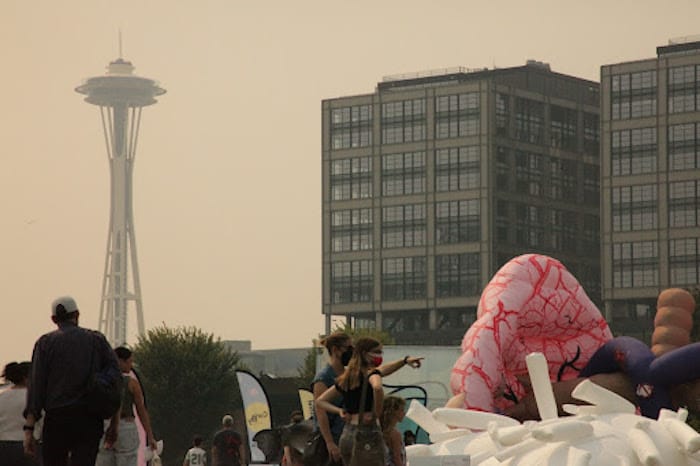
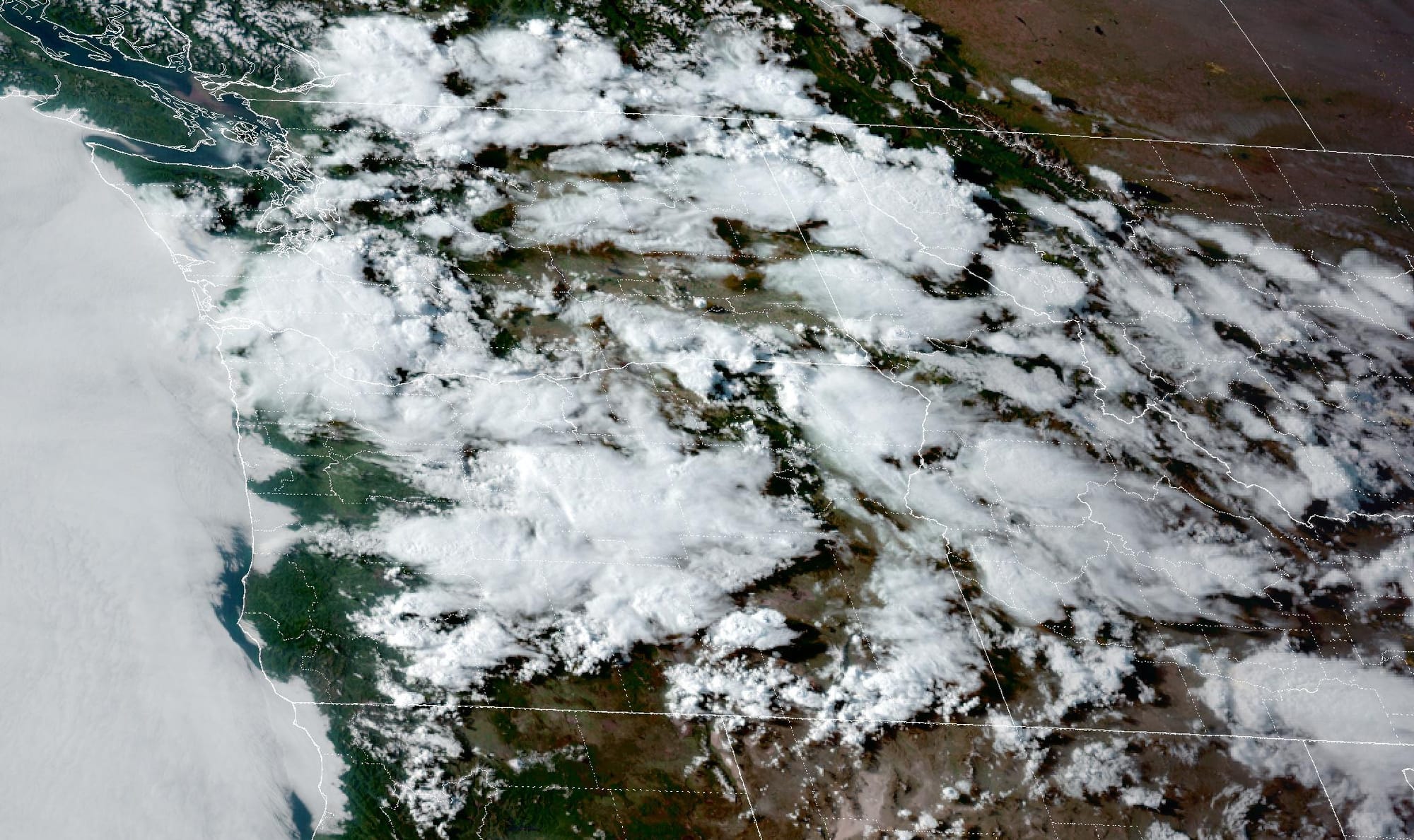
How have you been breathing lately? Not well I’m guessing. The last few weeks have seen Seattle, along with cities up and down the West Coast, choked in a surreal, oppressive smoke. For the last six months, it seemed that the outdoors was the only safe haven from Covid-19.
Rejecting inaction: In Phoenix, complete streets volunteers resigned en mass in response to inaction by city officials. Paris Accord in 2018: The United States is pulling out of the Paris Accord at the behest of the White House, but who is still staying in? Dismayed: Community advocates are dismayed over
Cape Town’s Day Zero, the day that most water taps in the city will be turned off, has been pushed back to 2019, but the name remains ominous enough. Day Zero. Simultaneously the day of nothing and the day of a new era. Cape Town’s water crisis connects
Editor’s Note: In response to President Donald Trump’s active choice to work against fighting climate change, we are reposting our article on “The Coming of Climate Change and Mass Inundation of the Puget Sound” from two years ago with a reflective foreword by its author. Foreword: On Thursday,
Fight climate change: A recent poll of Americans shows that a strong majority–regardless of political affiliation–believe that transportation departments should take carbon pollution into account in making policy decisions. The perfect car park: Love them or hate them, parking lots and garages are a thing–but there’s
Scientists tells us that global temperatures are likely to rise somewhere between 2.7°F to 8.6°F by the end of the century. It’s a bit of a spread to be sure, but the increase in global temperatures will be not equal. As a recent report suggests,
After reading Kristin Ohlson’s The Soil Will Save Us, I was tempted to pack up and head for the countryside to become an organic farmer. The promise of restorative no-till agriculture is so great that it could fully offset all human sources of carbon emissions with as little as
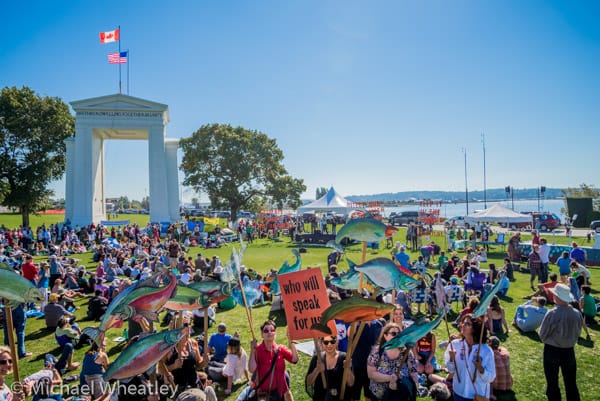
Over 700 citizens from both sides of the U.S./Canadian border met in Peace Arch State Park in Blane on Saturday for the “Climate Change Knows No Borders: Defense of the Salish Sea Is Without Boundaries” rally, which was sponsored by 350 Seattle, Georgia Strait Alliance, and the Wilderness