Housing wonks around Washington state are rejoicing.
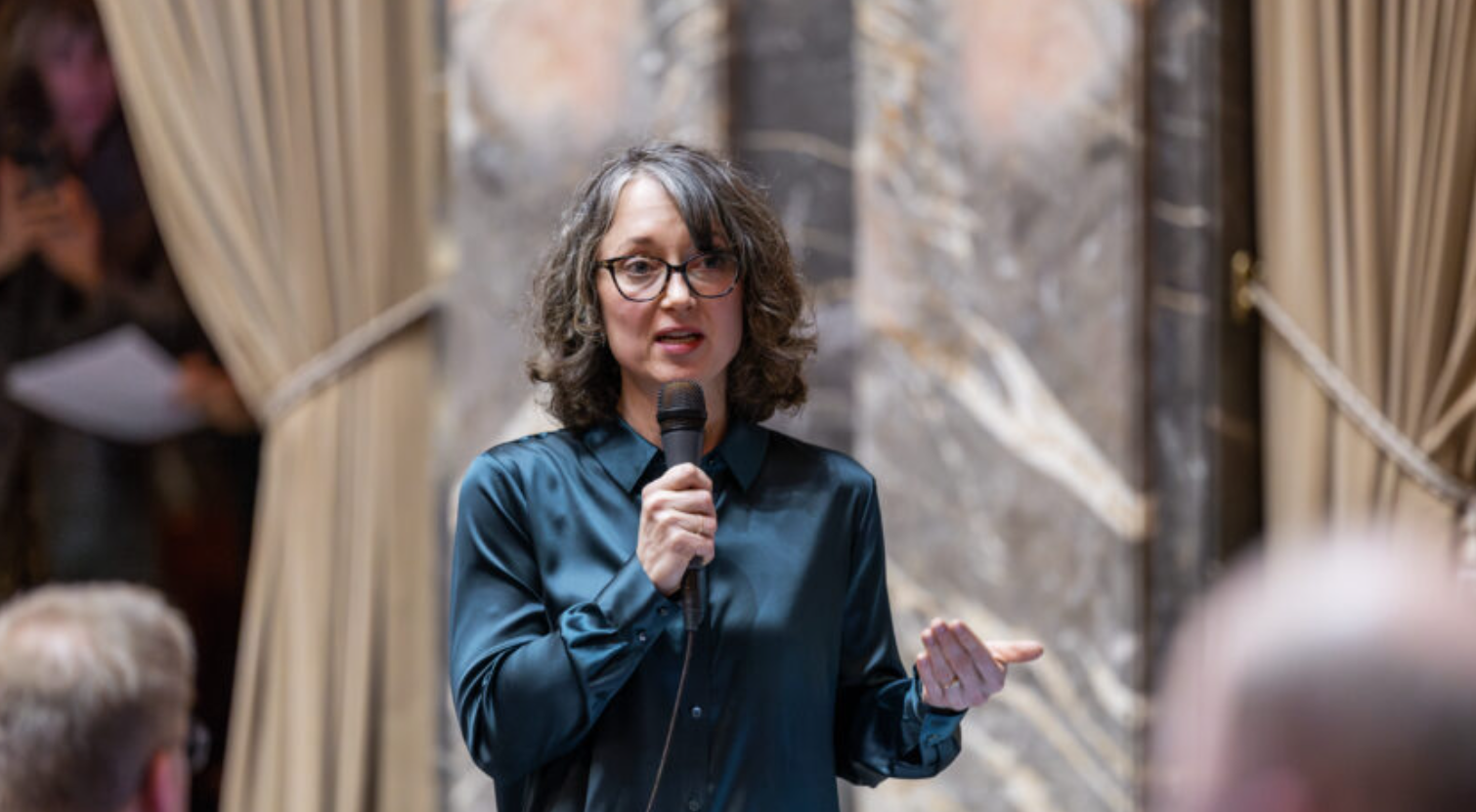
In preparation for the 2027 legislative session, Senate Democrats have rolled out committee assignments that consolidate two existing committees tasked with dealing with land use issues. The new Housing & Local Government Committee will be chaired by Senator Jessica Bateman (D-22nd LD, Olympia), the author of some of Washington's most substantive supply-side housing laws including 2023's Middle Housing Law and 2025's Housing Accountability Act.
Bateman, who joined the state Senate in 2025 after four years in the House, was already chair of the standalone Housing Committee. But this new committee structure means most urbanist policy proposals introduced in Olympia will fall under one umbrella on the Senate side, sidestepping the old Local Government Committee that had become infamous as a place where legislation gets watered down or dies.
One of the highest-profile examples of that dynamic was the push to legalize neighborhood cafes and corner stores, with a bill from Rep. Mark Klicker (R-16th LD, Walla Walla) failing to advance out of Senate Local Government earlier this year, the third year in a row that the idea has died. Jesse Salomon (D-32nd LD, Shoreline), the current Local Government chair, lost his seat in November to Rep. Cindy Ryu and won't be returning to Olympia next session.
Joining Bateman in the Housing & Local Government Committee will be Senators Emily Alvarado (D-34th LD, West Seattle), Liz Lovelett (D-40th LD, Anacortes)sand June Robinson (D-38th LD, Everett). Alvarado will be vice-chair for housing, while Lovelett – a former Anacortes City Councilmember – will be vice chair for local government. Senate Republicans have not yet announced who will take the remaining three seats on the committee.
With many big-ticket housing policies ticked off the legislature's to-do list in recent years – heavy lifts like transit-oriented development, rent stabilization, and parking reform – the next few sessions will likely be focused around how to tweak existing frameworks to maximize the number of housing units that get built.
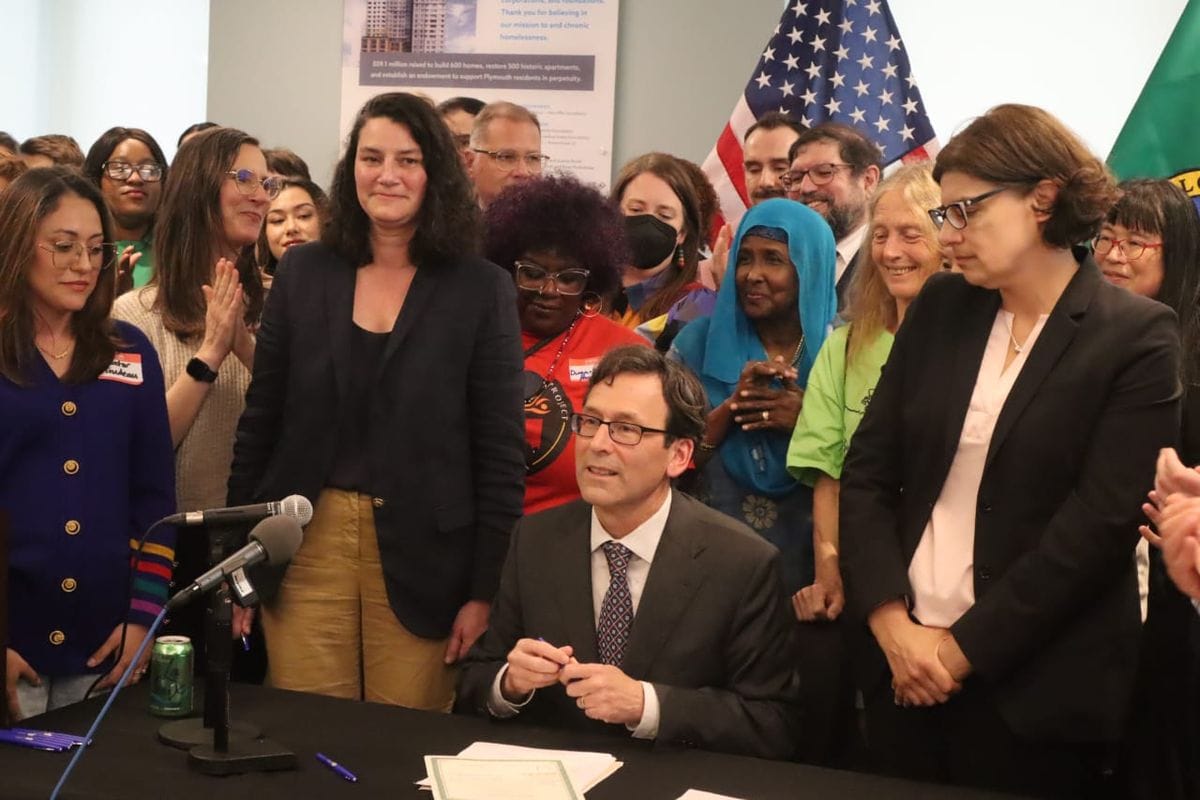
One item certain to be on the agenda is the creation of a standalone housing department in state government, a recommendation bolstered by a taskforce assembled by Governor Bob Ferguson that wrapped up its work a few weeks ago.
“This unified committee will help Washington lead the way in expanding our housing supply and making our cities livable, vibrant, and more affordable places where workers, families, businesses, and communities of all types can thrive," Bateman said in a statement timed with the release of a full slate of Democratic committee assignments.
She noted rprogress on housing issues, while acknowledging that obstacles remain that need to be cleared to ensure ample homebuilding.
"The work we have already done is bearing fruit, with more new homes being built every day," Bateman added. "However, new permit filings for the homes that will be completed in years to come are not rising as quickly as we need. We must be diligent in our efforts to make it feasible for homes and businesses of all shapes and sizes to be viable in communities across the state. Washington policymakers will continue our work to make our cities and towns the best places they can be, with abundant housing, and this committee will be at the center of that effort in the 2027 session.”
Among the legislative battles that likely lie ahead this session when it comes to housing: reforms to how cities implement affordable housing mandates via inclusionary zoning, potential changes to how cities are required to accommodate future residents across income levels as part of 2021's House Bill 1220, and likely the return of a bill legalizing mobile dwelling units statewide. 2027 might even see the introduction of a land value tax.
But as Democrats continue to battle bleak budget forecasts even after voters provided them with a clear mandate to tax state residents earning more than $1 million annually, housing is unlikely to garner most of the headlines next year.
Lawmakers have definite momentum on their side heading into 2027. The incoming state Senate's Democratic caucus will be more static than the House caucus, which will have 20 new members next year including 10 seats flipped from Republicans. Though the size of the Senate majority remains fully unchanged, at 30 D seats to 19 R, there is some notable turnover within the ranks.
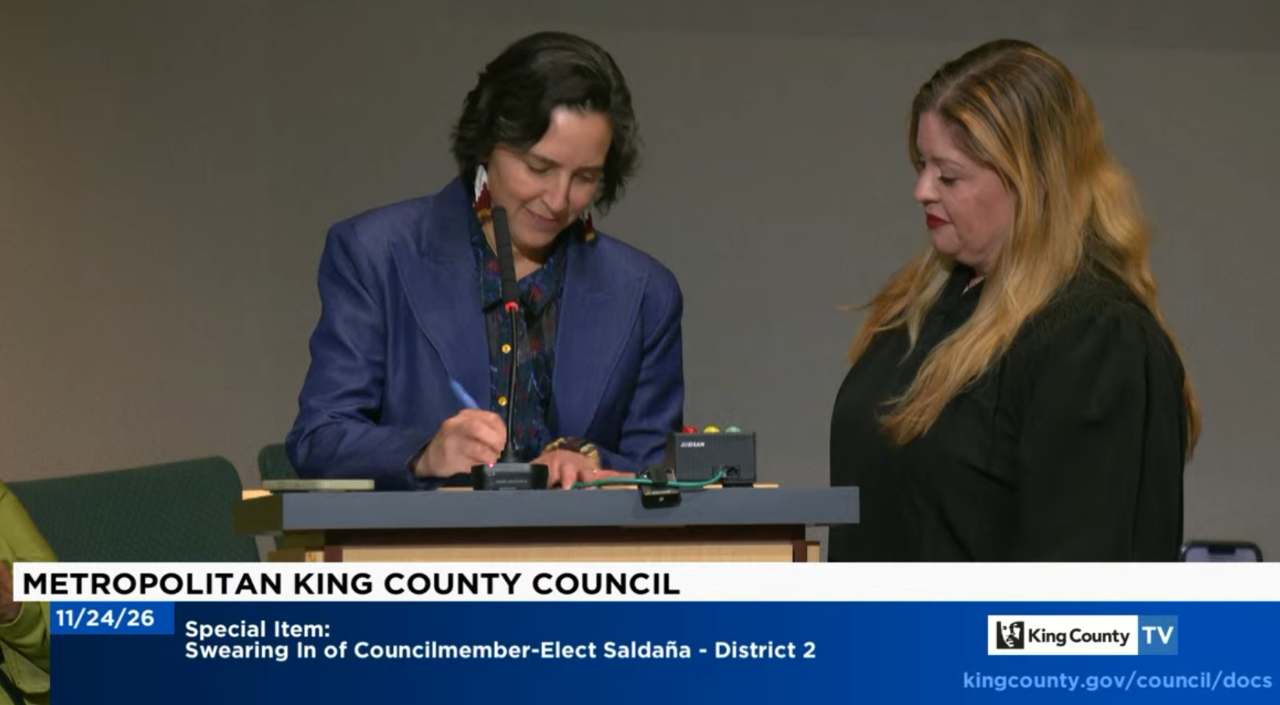
Along with Ryu joining the upper chamber, Rep. Chipalo Street (37th LD, Rainier Valley) will replace Rebecca Saldaña (now a member of the King County Council), Rep. Sharlett Mena will replace retiring Steve Conway (29th LD, Tacoma), and newly elected Michael Shepard (42nd LD, Bellingham) will replace Sharon Shewmake, also retiring.
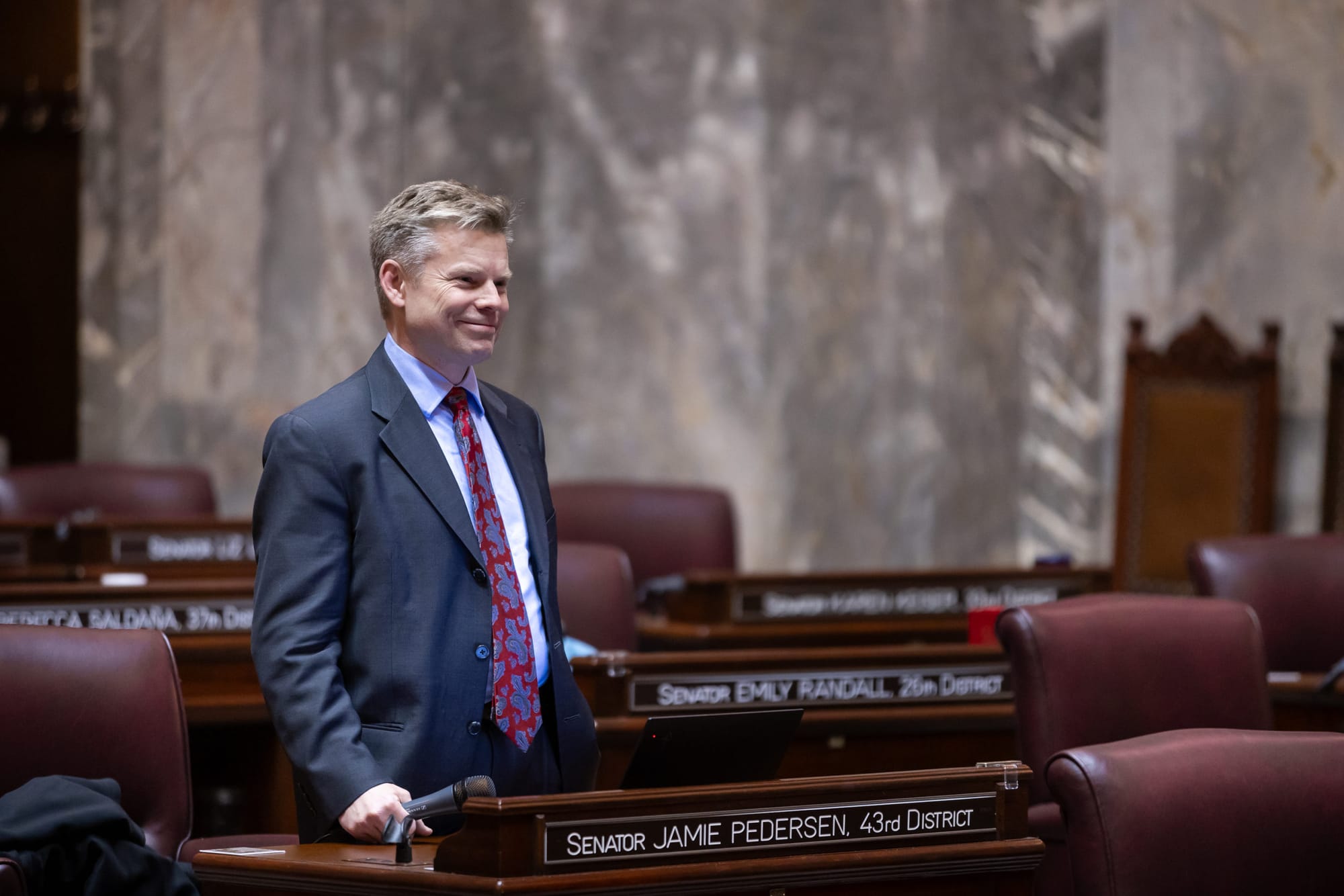
Among leadership, there aren't as many changes heading into 2027, with Jamie Pedersen (43rd LD, Capitol Hill) returning as Majority Leader after easily fending off a left-wing electoral challenge from urbanist labor organizer Hannah Sabio-Howell. Vandana Slatter (48th LD, Bellevue) will replace Shewmake as assistant floor leader and Lovelett will become the caucus chair, but all other leadership positions remain unchanged.
The 105-legislative session kicks off on January 11, with pre-filed bills starting to drop on Monday, December 7.
 Ryan Packer