Seattle Times opinion columnist Alex Fryer is back at it with some deep housing thoughts. His Sunday column titled "How to fix Seattle’s ‘middle housing’ mess" piece is a mess in its own right.
Whether through willful ignorance or sincere befuddlement, Fryer is pretty lost when it comes to middle housing. He gets the basic timeline correct: state lawmakers passed a middle housing law in 2023 setting a minimum standard that that had to be in place by July 2025 for major cities like Seattle.
Seattle used an interim ordinance to enact middle housing zoning changes to beat the clock after the Harrell administration struggled mightily to put together a Comprehensive Plan and keep it on schedule. The last-minute route Harrell chose means zoning changes have been in place just over a year, and Fryer is ready to begin drawing sweeping conclusions with one year of data.
"The early results of HB 1110 are in, and they are not good — for affordability, the environment or Seattle’s once-vaunted quality of life," Fryer writes. "Construction permits filed with the city since an interim middle housing ordinance went into effect in July 2025 show that four freestanding houses on a single lot is the predominant type of what Seattle City Hall calls middle housing."
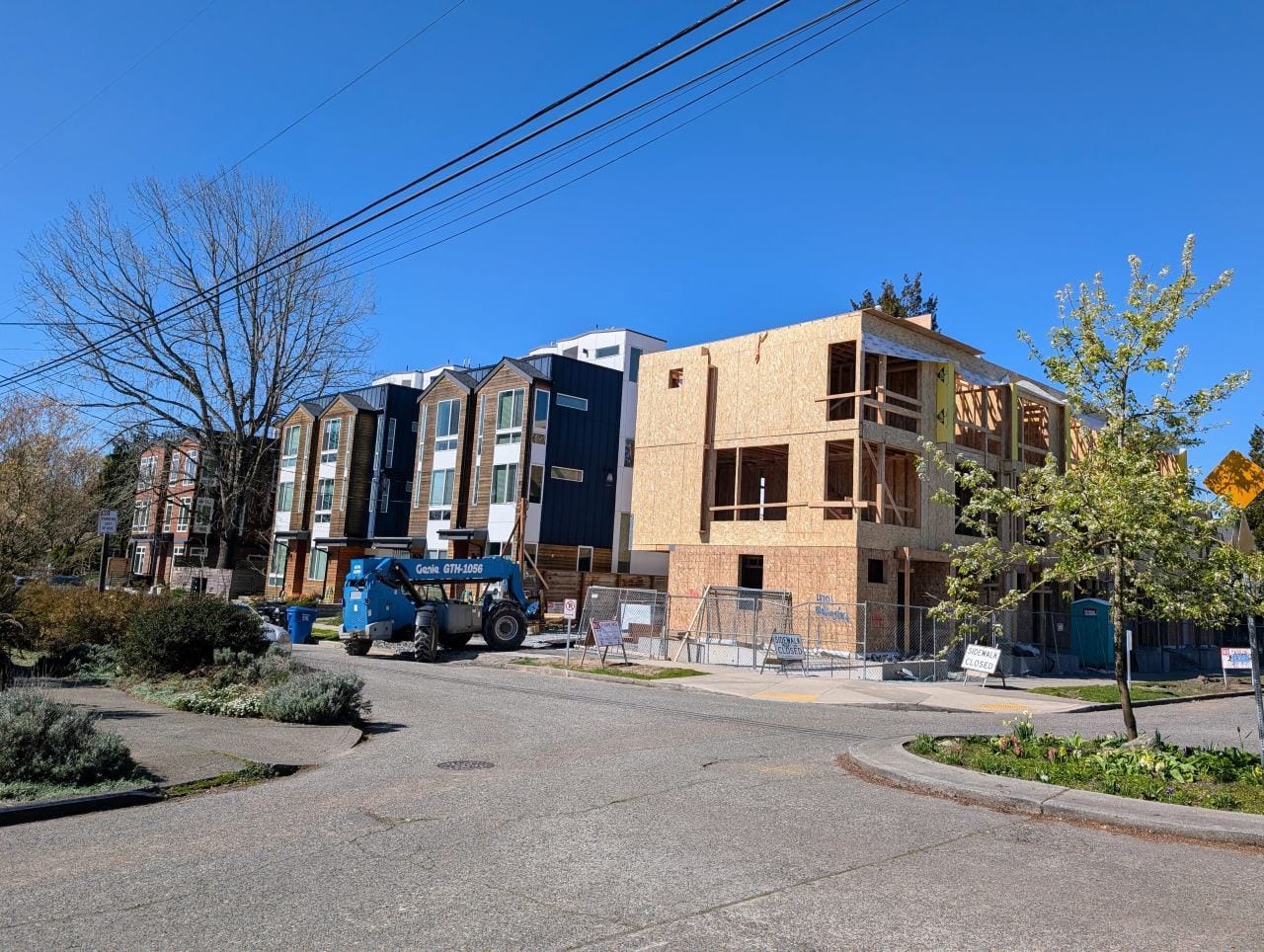
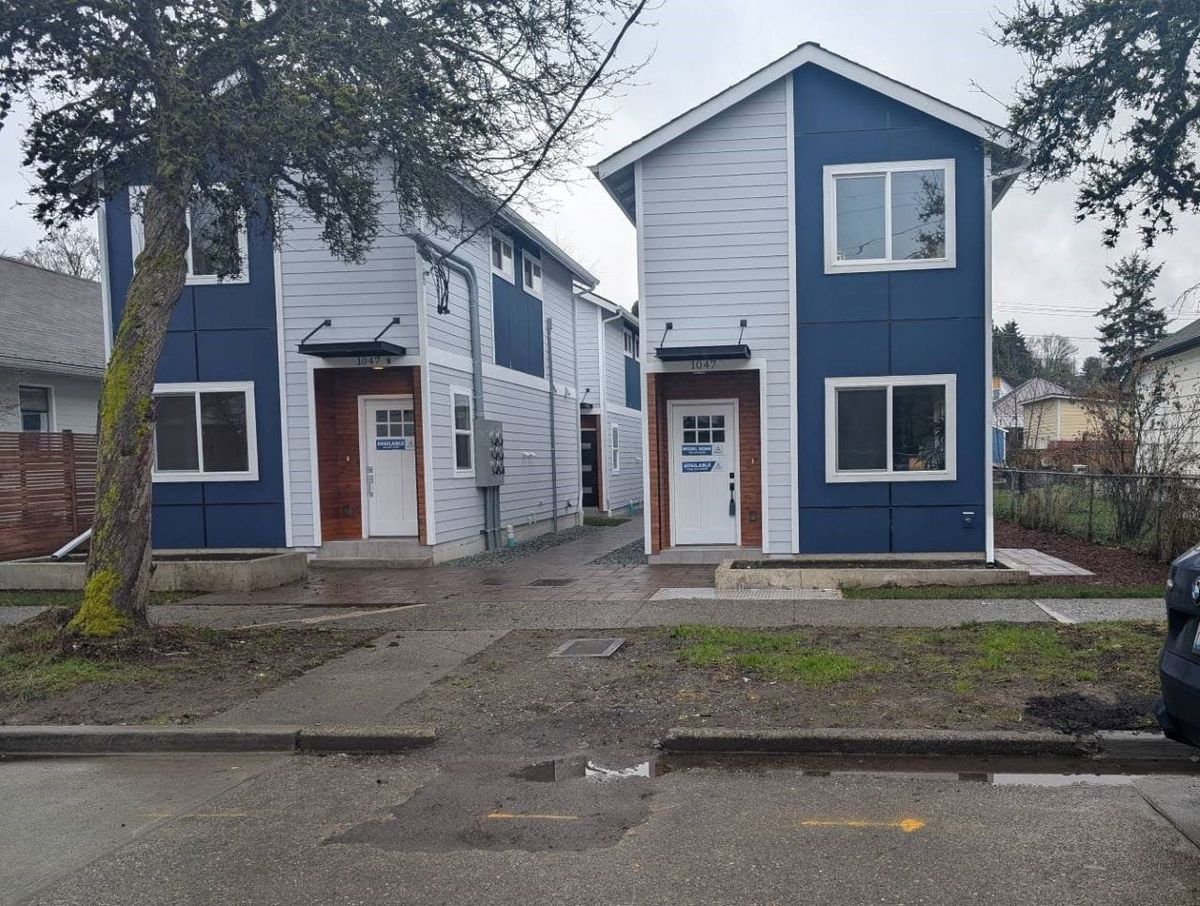
The one-year snapshot of data presented by the Seattle Times shows 65 projects that add four freestanding homes on one lot, 52 projects that add a pair of duplexes, and 30 projects that add a duplex plus two freestanding homes. That's 588 homes in all, on 147 lots that typically only would have had a single home.
While some of those lots might have added a backyard cottage of basement apartment under previous zoning, the fourplex reform appears to have been an incentive for more projects to break ground, and add more housing in doing so.
So far, fourplexes are a small piece of Seattle's overall housing production – which delivers around 10,000 new homes in an average year – and that's not likely to change drastically. That said, it's an important housing option for a certain contingent of people in need of family-sized housing, trying to leave the rental market, or looking to downsize from larger homes.
Fourplex zoning leads to fourplexes, shocking some
Enacting fourplex zoning and seeing an uptick in fourplex construction is basically what the law was designed to do. Fryer has fixated on the idea that the fourplexes should be attached rather than freestanding, which he never fully explains.
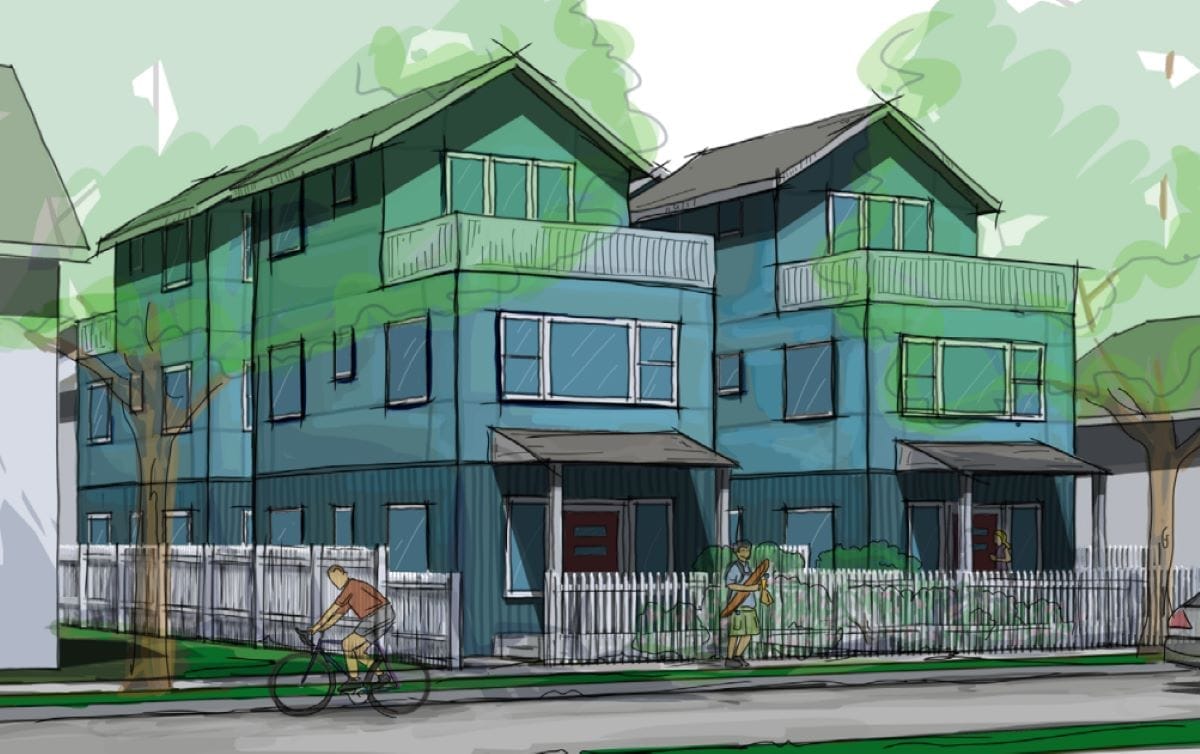
"Older homes purchased and then razed. Entire lots bulldozed and scraped of every living thing," Fryer writes, melodramatically. "Although the language of HB 1110 promised buildings that are 'compatible in scale, form, and character with single-family houses …,' the result so far has been architectural gigantism: Tall, bulky homes that take up every allowable inch of land and often sell for more than a million dollars."
Reading between the lines, Fryer's argument seems to be that attached housing would be cheaper, less carbon-intensive, and create more space for trees and greenery. However, a fourplex taking the place of a oneplex or duplex is going to increase housing access and moderate prices regardless of whether the walls touch or not. Anyone who has browsed housing listings recently can see why: similar townhomes command similar prices whether their walls touch or not.
Another key fact Fryer overlooks: a townhome is almost always cheaper than a single family home in the same neighborhood. Fryer's is an argument by lazy anecdote; he does not cite anything approaching a comprehensive analysis of new house prices. In fact, the only specific project he cited was the same South Park townhome project he wrote about last year, which despite all Fryer's snobbish fretting about aesthetics and tree canopy, sold for less than $500,000 each, as The Urbanist pointed out in a rebuttal.
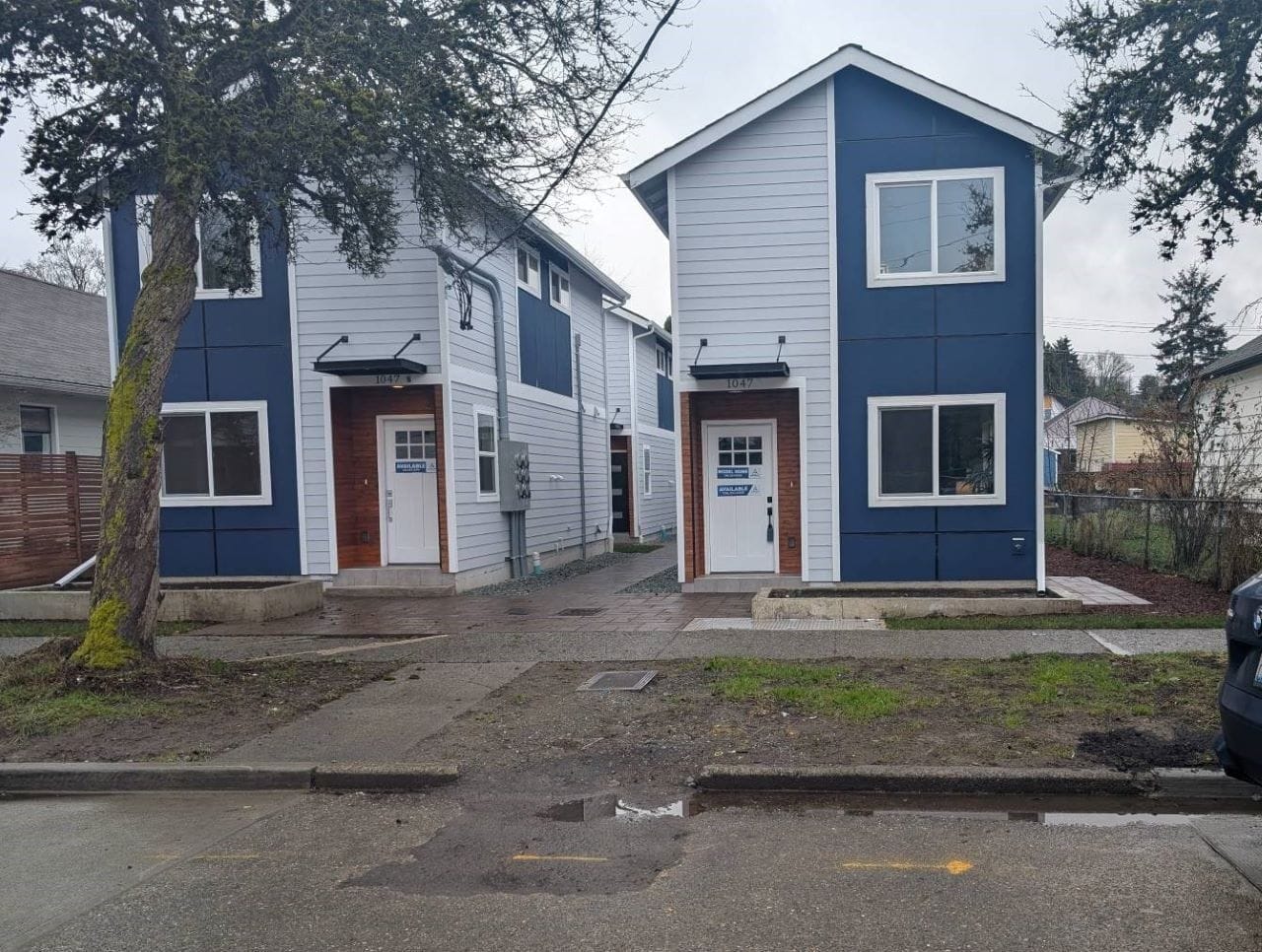
The phenomenon of single family tear downs was longstanding and not invented with the middle housing law. The difference is now some teardowns result in fourplexes rather than almost exclusively larger single family homes. The status quo before the law was not good for affordability.
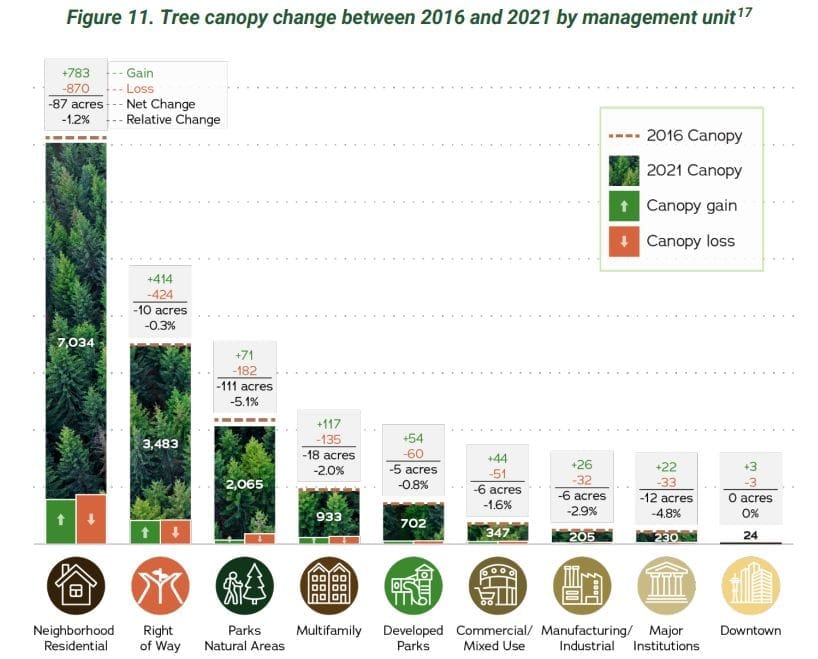
The previous status quo came with no guarantees around tree canopy either. In fact, single family zones lost tree canopy even in periods when fourplexes were banned, accounting for 87 acres of net canopy loss from 2016 to 2021, according to the City's official tree assessment. Far denser multifamily and mixed-use zones accounted for almost all of Seattle's considerable housing growth over that period while essentially treading water on canopy, losing just 24 acres on net, as more than 40,000 new homes went in.
The holy grail for urbanists and others focused on housing affordability was never simply to unlock fourplex townhomes alone. Many had an eye toward denser housing forms, like stacked flats, in formerly single family zones. Fryer briefly brings up that the middle housing reform also allowed for sixplexes within a quarter mile of frequent transit or if two homes are built as affordable housing. That undersells the multiplex possibility.
Thanks to density bonuses for tree preservation and/or adding affordable homes, 12-unit stacked flat complexes are a possibility on some lots. That segment from sixplexes to 12-plexes are likely to be even more affordable than fourplexes and open up formerly single family neighborhoods to renters in a far bigger way.
Architects like Matt Hutchins publicized this burgeoning opportunity, but even Hutchins admitted stacked flats would be a bit of unicorn, with townhomes the workhorse bulk product.
“We’re talking about like maybe 5% of the townhouse projects become stacked flat projects,” Hutchins told The Urbanist in 2025. “There’s still significant headwinds that are going to drive people into the safe harbor of four townhouses. However, there are now avenues, I think, for more ambitious developers who want to take advantage of these [stacked flat] incentives that, really have the right site, and have the right mission.”
But rather than focus on reforms to make tree-preserving stacked flats more of the norm, Fryer bought into a far-fetched preservation-focused idea from the slow growth crowd. The latest get-off-my-lawn coalition has branded themselves Seattle Residents for Thoughtful Growth, and their idea is divide up existing large single family homes to create more housing, rather than focusing on new construction.
"Here’s their concept: Take an existing house and split up each floor. Add a kitchen and bath in the rear on each level, and you have two, three or four new units," Fryer wrote. "Construction is fast, they say, because the existing foundation and structure remains."
That "concept" is a red herring – almost never practical and rarely feasible for the vast majority of properties. Fryer grants that reforms to development standards would be needed, suggesting the City "mandate smaller spaces, which would be cheaper for homebuyers." He doesn't explain how that would work, exactly. Hutchins called it a "wishfully naive idea" – adding turning houses into triplexes "is legal today, but not economically viable, otherwise it would be happening."
Dividing existing homes is expensive and complicated. It entails moving walls and adding bathrooms, kitchens, laundry spaces, and new secured entries and stairs – all of which is pricey. No one from Fryer's camp has demonstrated this will result in affordable housing, especially when factoring in the high cost of procuring a single family home. To make home subdivision practical, an especially large house is needed, which is usually priced accordingly.
Fryer's Million-Dollar Blind Spot
Fryer's blind spot around housing seems to tied to his own experience as a Seattle homeowner. Fryer and his spouse own a nearly 2,400-square-foot home valued at more than $1.1 million per RedFin. The Fryers bought this 1946-built Admiral District home in 2005 for $438,000 according to King County property records. Now, 21 years later the house has nearly tripled in value, making them the owners of a million-dollar asset thanks to the dysfunctions of the Seattle housing market.
Unlike a renter, Fryer has a financial incentive for Seattle's housing market to stay overheated, and he lacks the same visceral urgency to solve the problem. His mortgage payment is still locked in at 2005 bargain prices regardless of what direction the housing market takes.
While Fryer was able to get in while Seattle home prices were still fairly attainable for the median-income earner, that's not the reality for first-time homebuyers today. The gain for homeowners like Fryer has been everyone else's pain. And to add salt in the wound, they claim new housing is the problem and cry crocodile tears for million-dollar house prices when that's exactly what is propping up their personal fortunes.
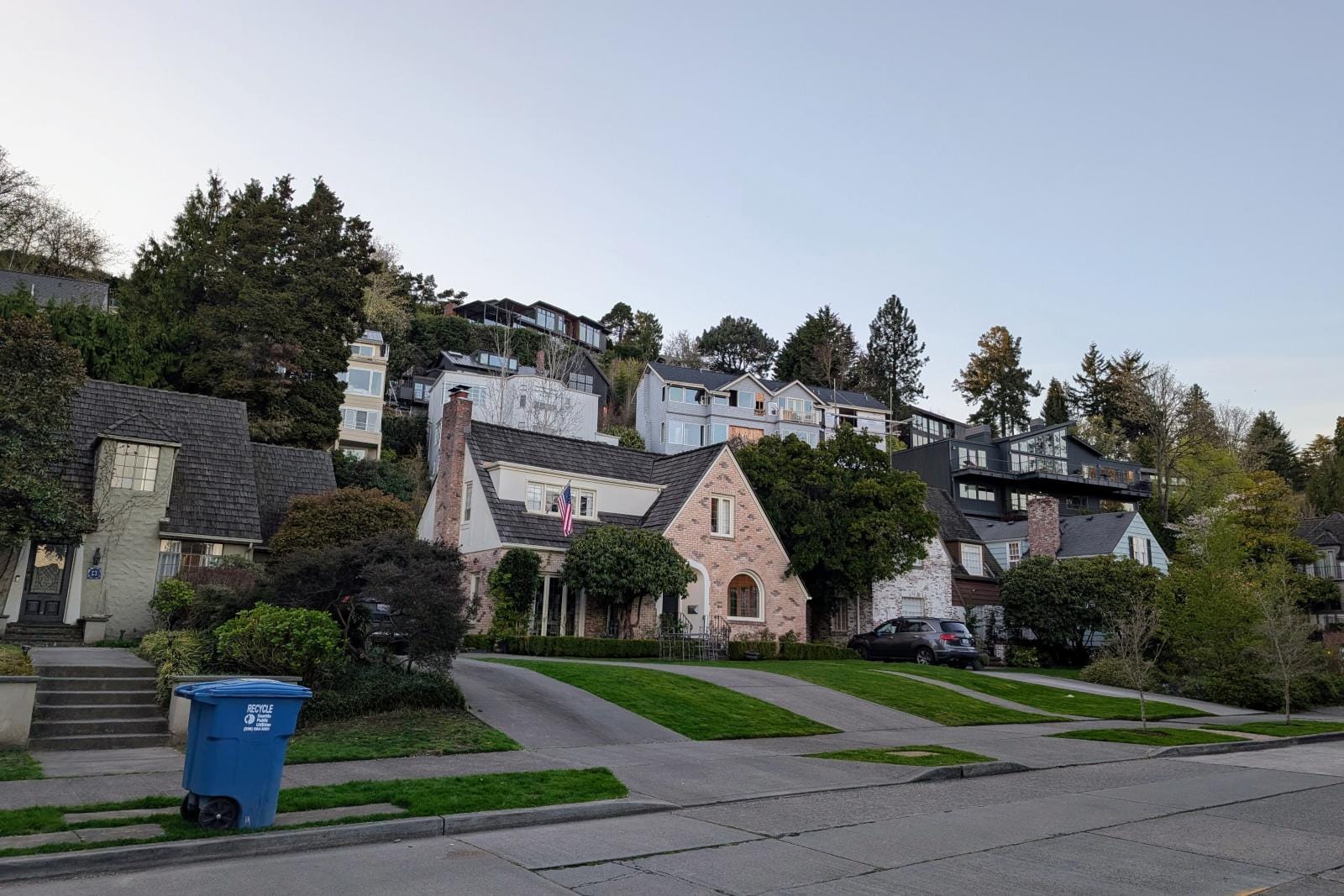
Fryer is happy to mandate smaller homes carved out of aging housing stock for new buyers while living in a spacious 2,400-square-foot home himself. He didn't say if he would volunteer his own home for this cellular division treatment.
The famous proverb applies to housing policy: People who live in glass houses shouldn't throw stones, especially when that house is worth more than one million dollars.
Fryer is not just some guy. In addition to having a regular column in the region's largest paper, he sits on the Seattle Times editorial board, which issues one of the most influential set of endorsements in the Puget Sound region and often backs more conservative candidates and causes. They typically oppose new tax measures, even when they fund transit or housing investments that lower cost of living for working class Seattleites. For example, the editorial board opposed the successful 2025 ballot measure funding social housing via a high earners tax.
Earlier this year, the board dubbed The Urbanist a "builder's mouthpiece" while complaining about the composition of an internal meeting at city hall to discuss how to advance bolder zoning changes.
Simply put, Fryer is out of touch, and it shows. While Fryer and friends are keeping close tabs on tree removal permits and each "bigleaf maple" that bites the dust, the number of renters and first-time homebuyers being priced out of Seattle does not seem to faze them or grab their interest in quite the same way.
Millennials and Zoomers are in a tough position when it comes to housing, and the policy changes and cultural norms Fryer is pushing would add fuel to the fire. Seattleites deserve a real variety and abundance of housing options in every neighborhood, not vague promises of divvying up old homes because we are too scared and architecturally picky to build anything new.
On one issue Fryer is right. Housing affordability is likely to be a huge issue in next year's election: "Next fall, seven Seattle City Council positions are up for grabs. Middle housing — real middle housing — ought to be part of the campaign."
Voters, however, are likely to see through flimsy ideas that have no real shot at moving the needle on affordability.
 Bryan Kirschner
 Ryan Packer
 Ryan Packer
 Doug Trumm