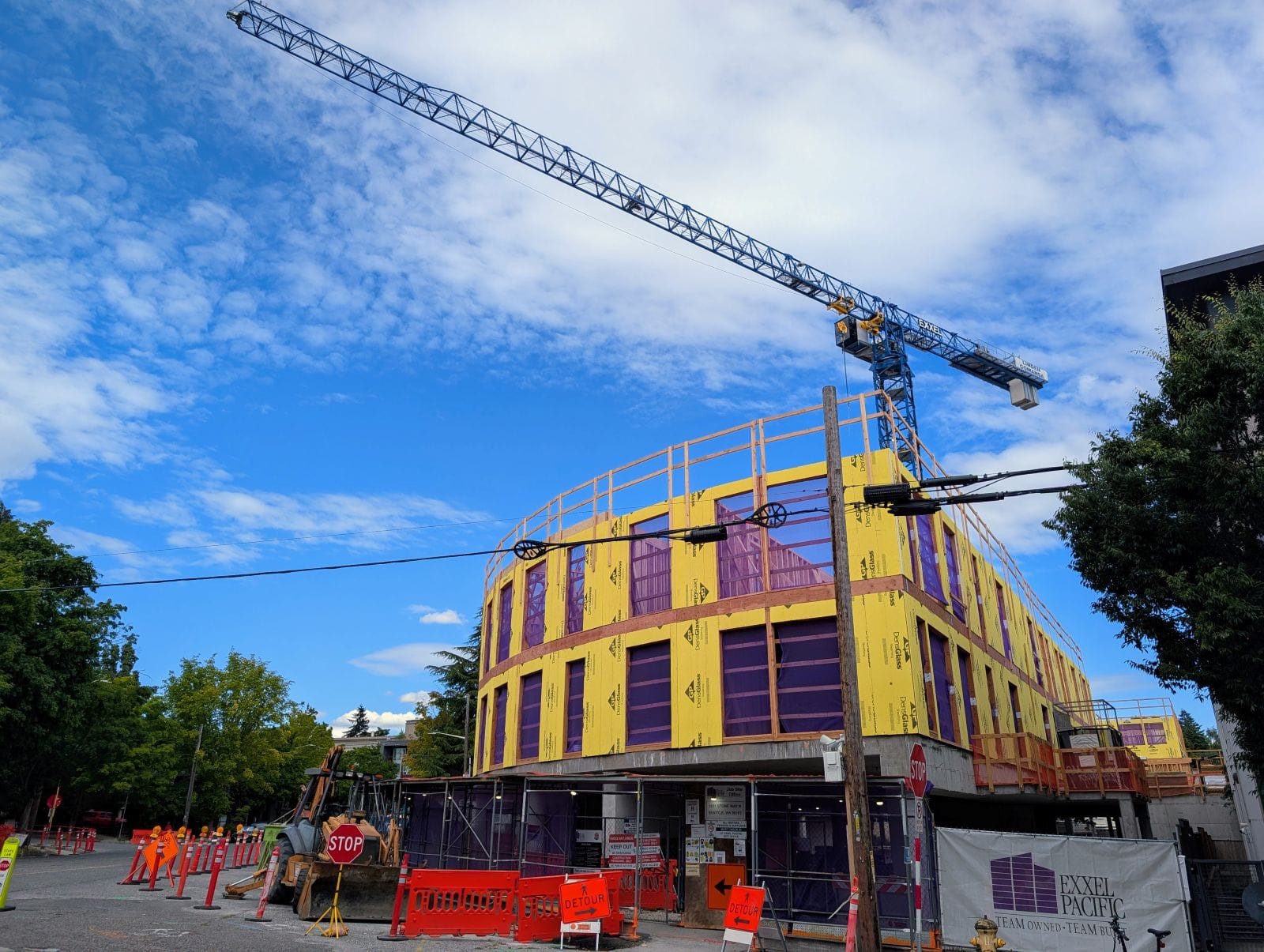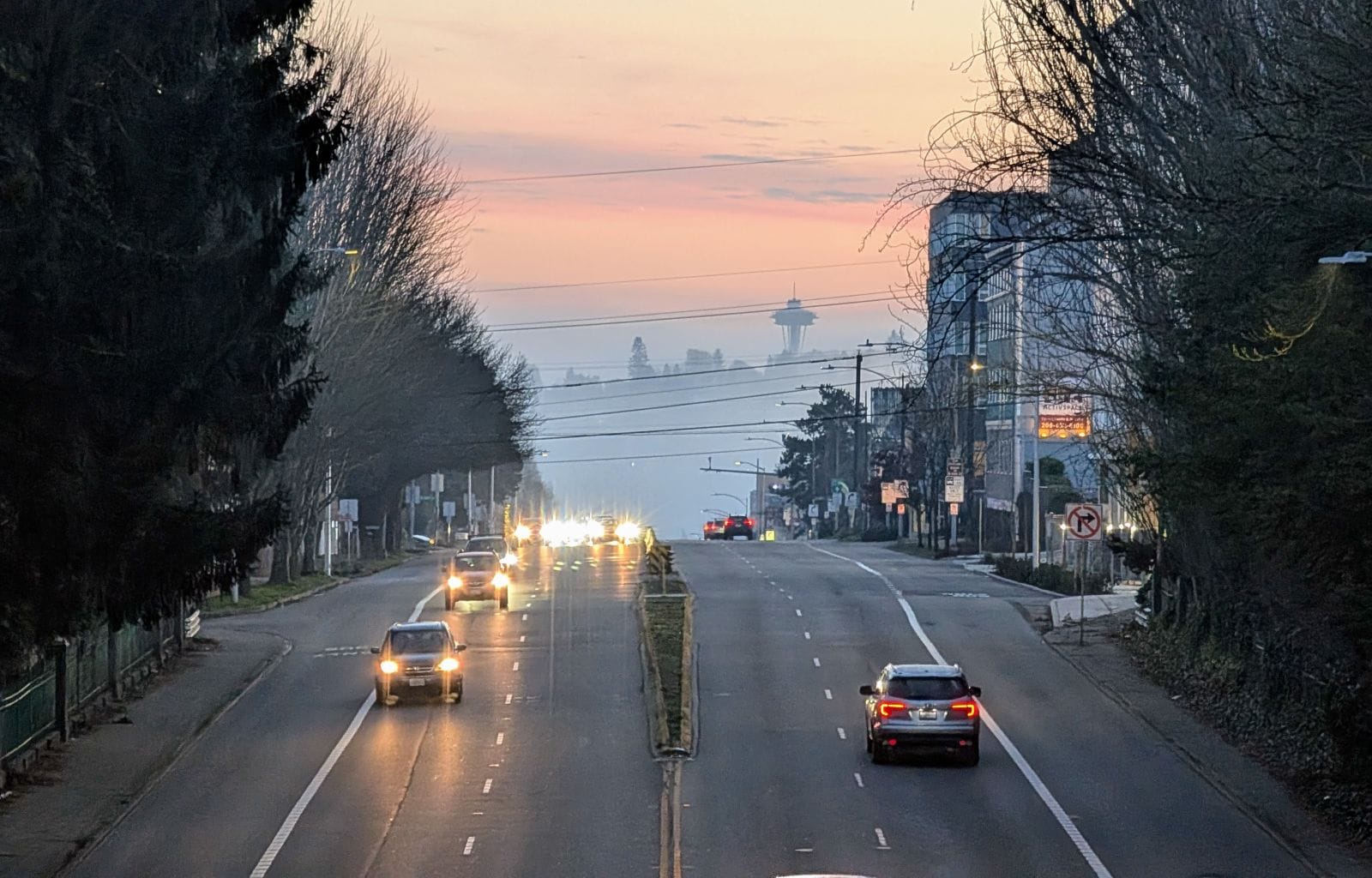
Op-Ed: Building Toward a Greener, Housing-Abundant Seattle
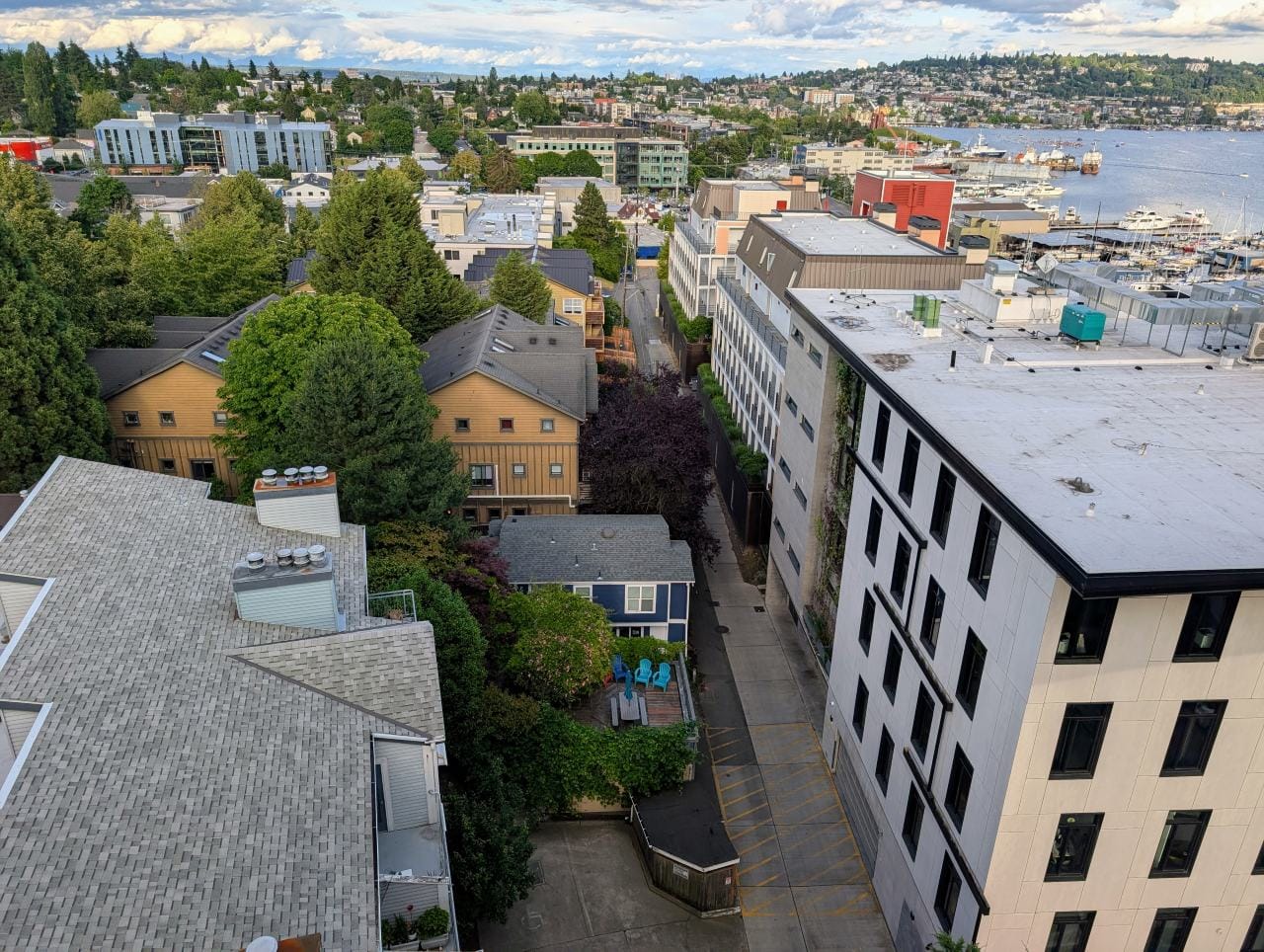
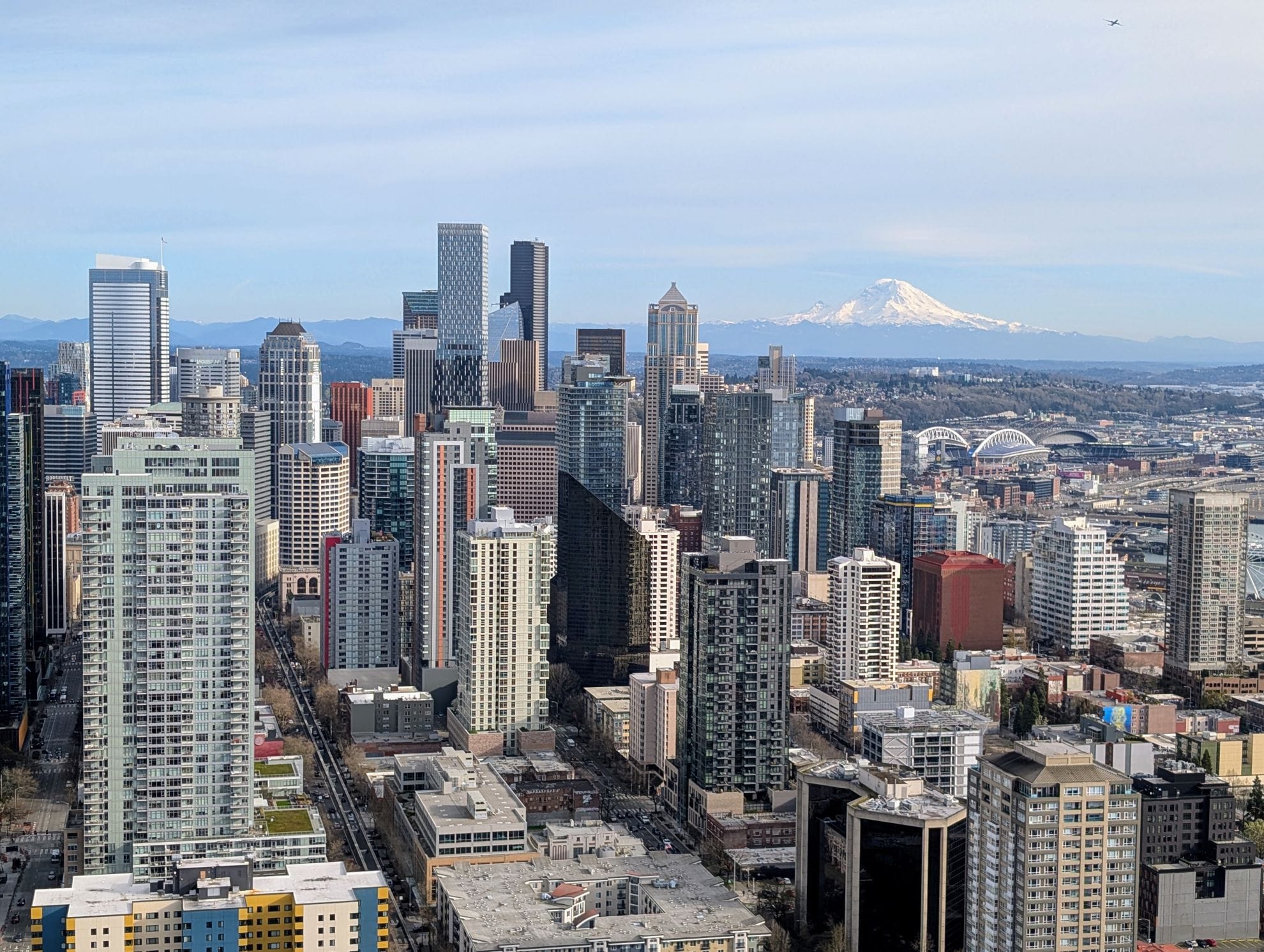
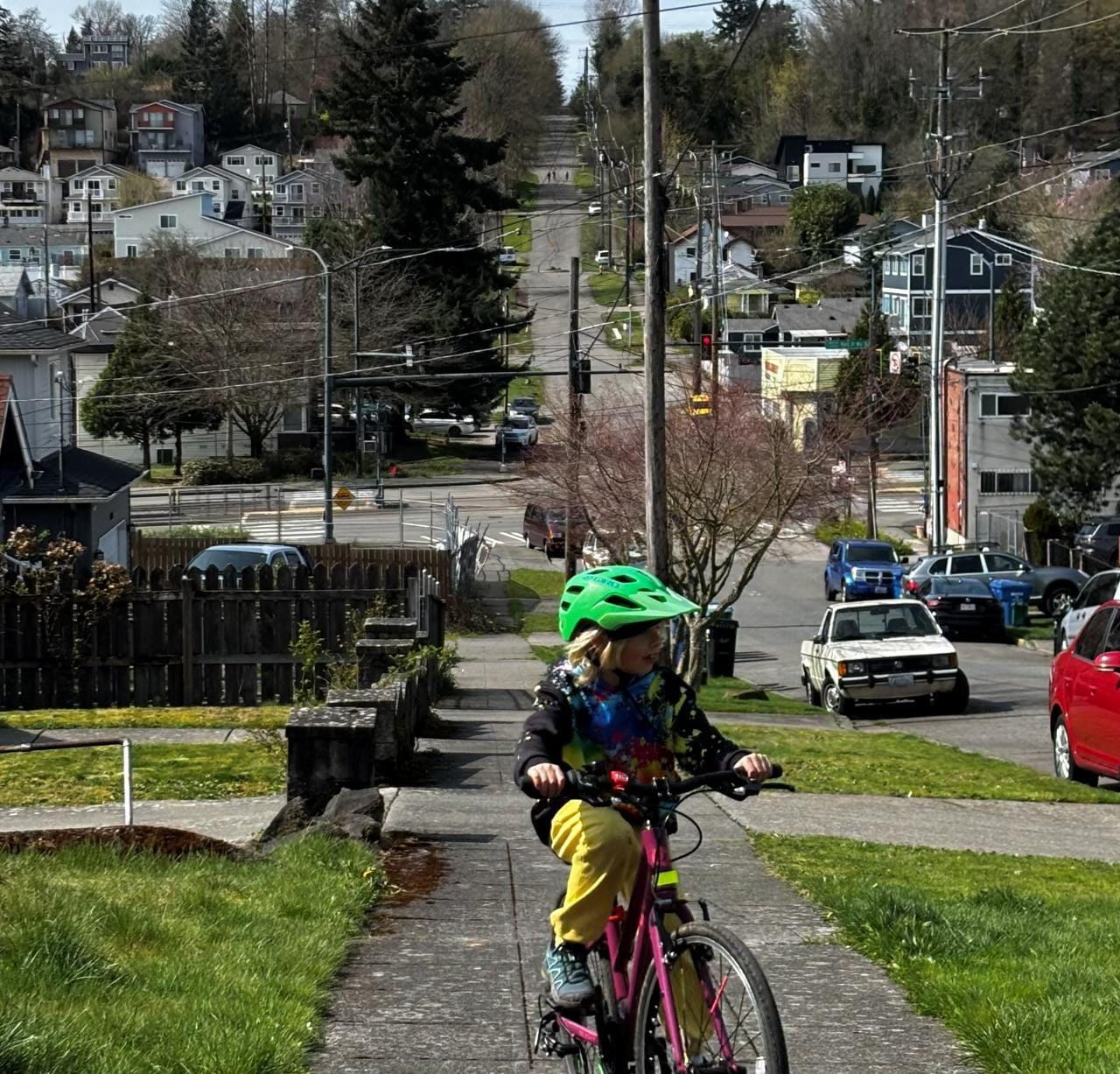
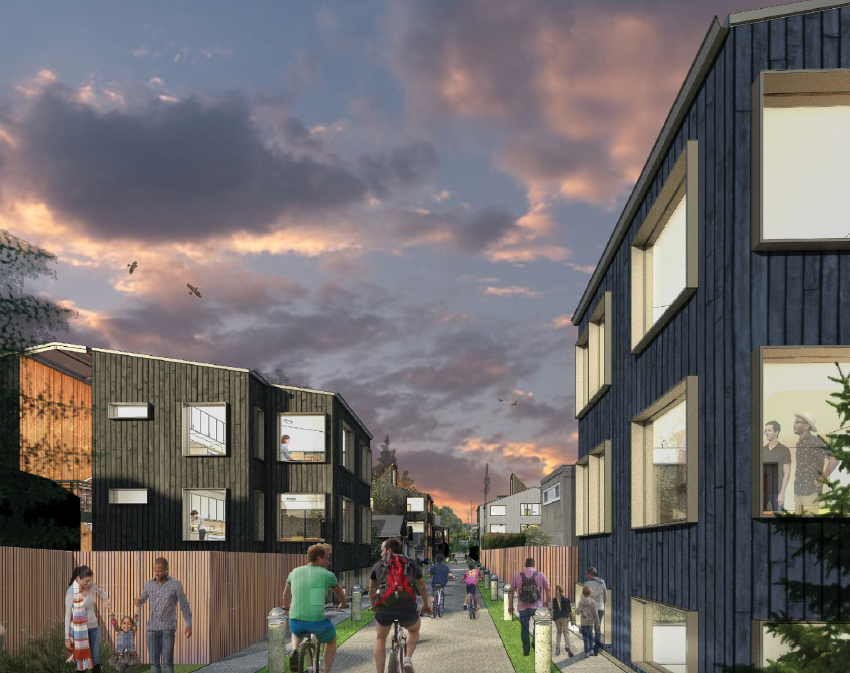
Housing growth and tree canopy growth can go hand in hand. In fact, a closer look at Seattle's recent history shows they often do. Here's how to build on that trend.
Two 2026 charter amendments are at the heart of a Republican megadonor's plan to take over Snohomish County. If they pass, it would have rippling impacts on transit expansion, housing growth, and safe streets investments, making it easier for Republicans to block progress.
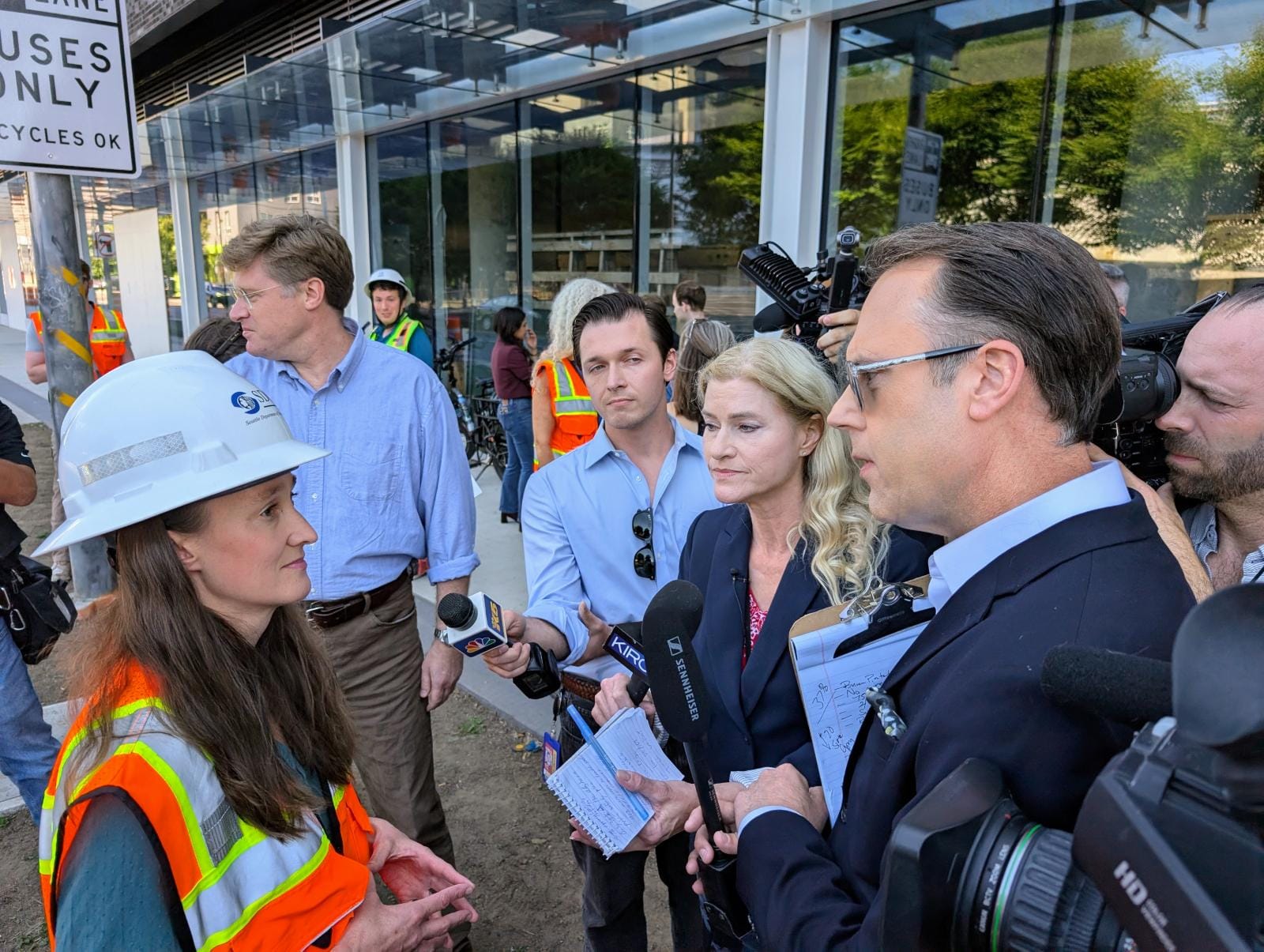
Whether a doomed recall effort or a delayed press conference, mainstream news outlets like KOMO and KIRO keep giving oxygen to dead stories in an effort to smear Seattle Mayor Katie Wilson. Don’t fall for the spin.
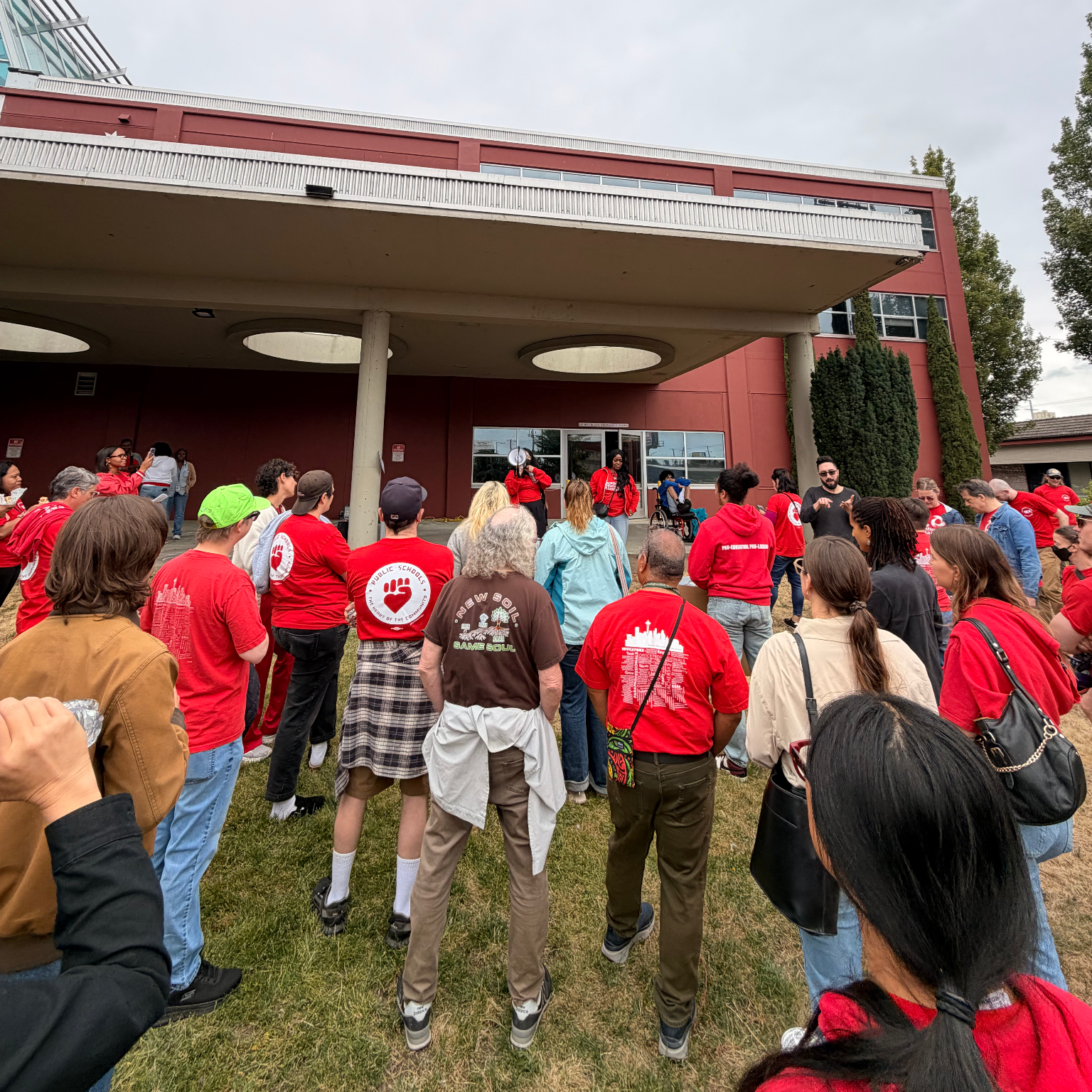
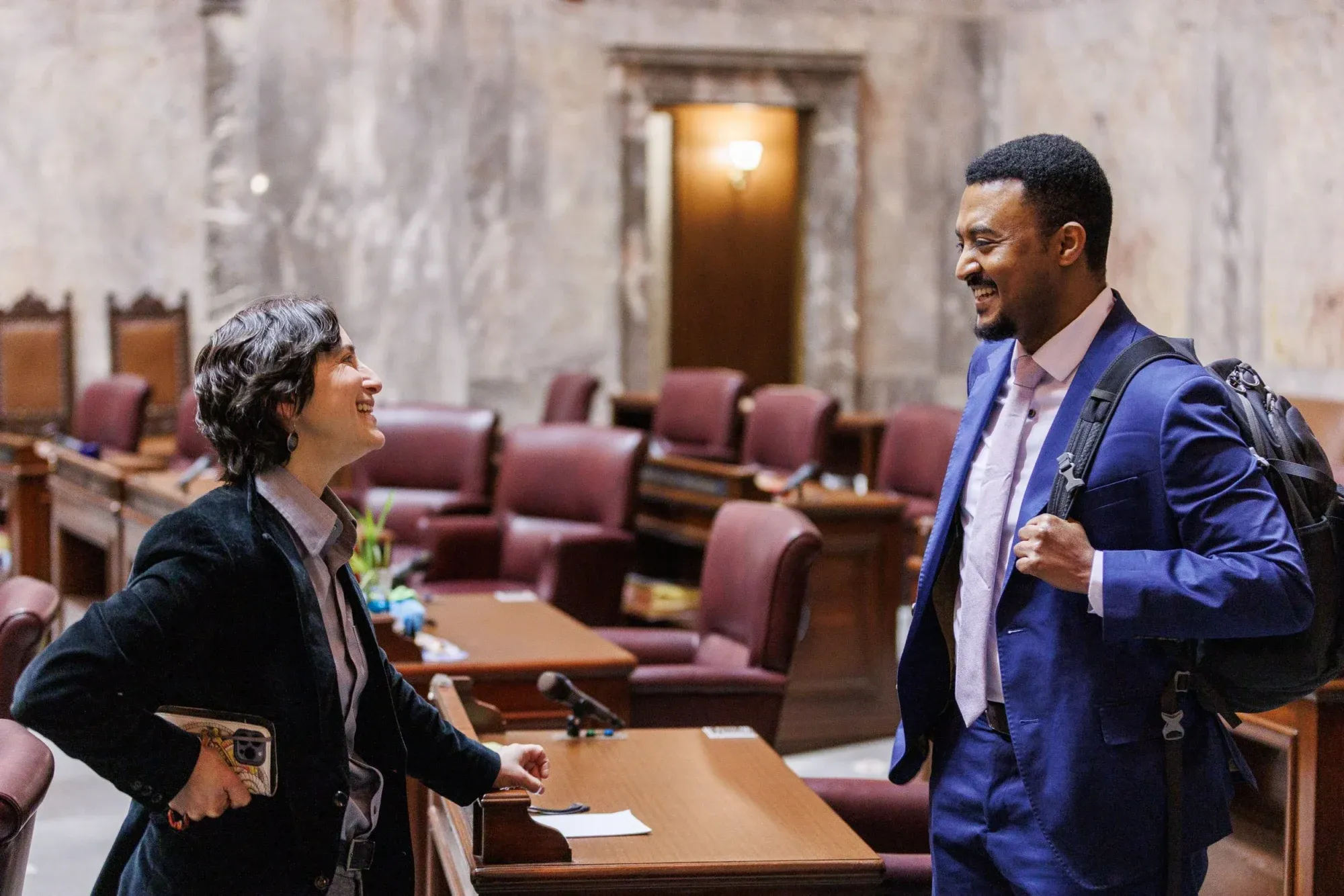
Seattle's teachers union is fighting for a better contract, with reducing class sizes and preventing special education cuts among top aims. It's an issue state legislators have long let fester, says Kelabe Tewolde, an educator and state House candidate in the 37th LD.
Primary results show Washington voters don’t like the two-party system. With proportional ranked choice voting, Washington voters could have a multiparty system.
Seattle reformed SEPA land use appeals, but more work remains to clear obstacles at the project level. Patrick Taylor lays out some further reforms for state legislators to pursue.
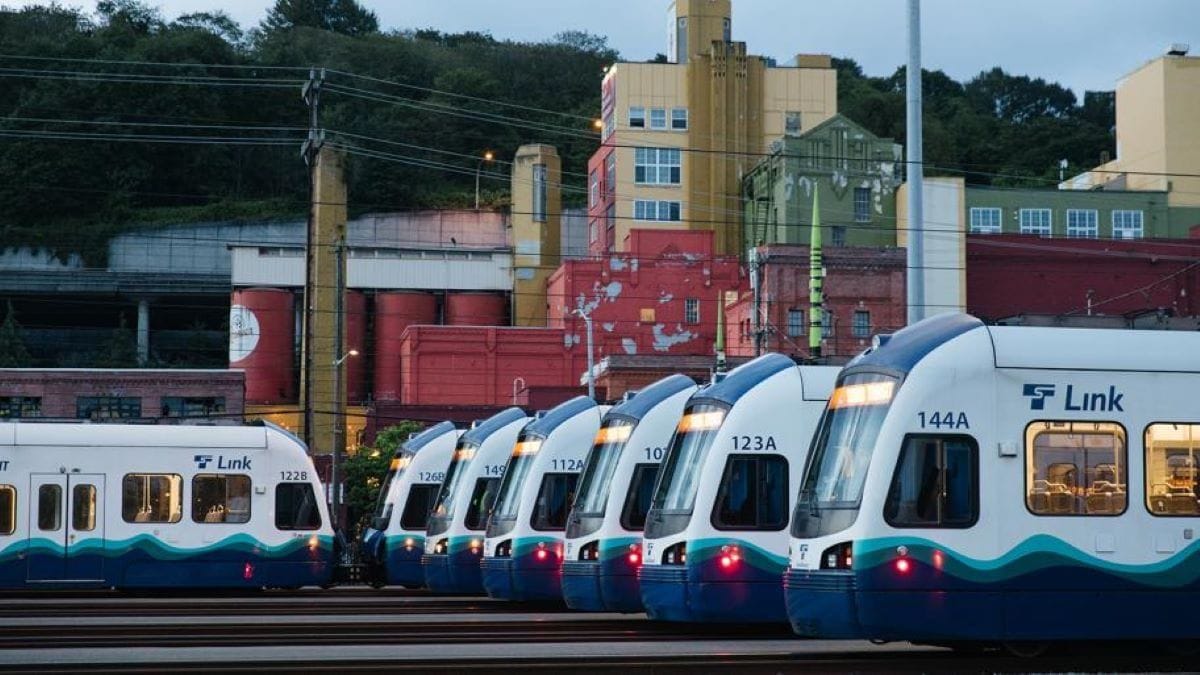
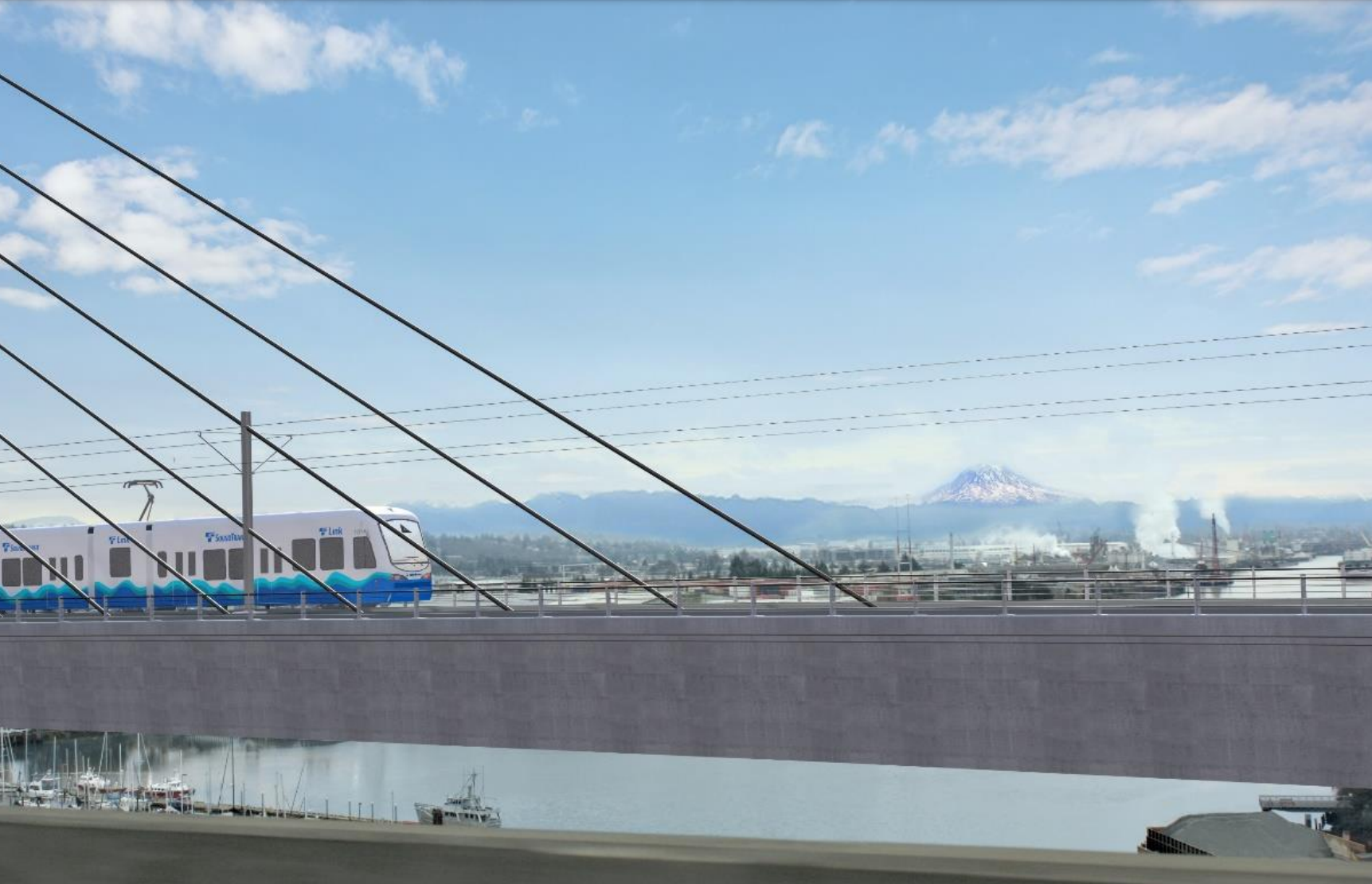
Ballard Link faces a multi-billion-dollar budget shortfall, but one revenue tool could help get the project back on track: a value capture strategy using tax-increment financing. Here's how that would work.
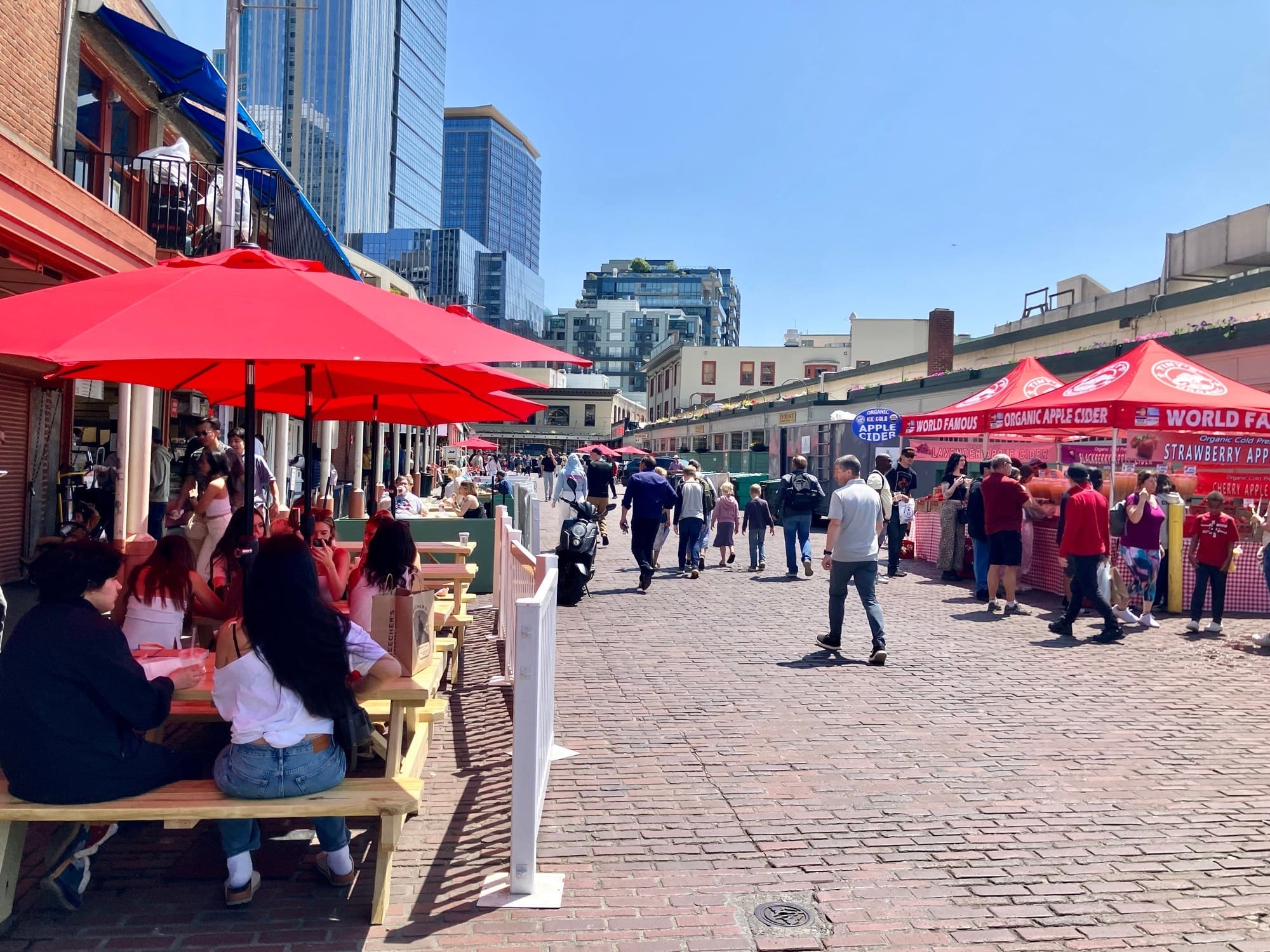
SDOT is weighing a plan that would fully reopen Pike Place to cars Monday through Thursday from October to March. Here why that approach is wrong and how the Market will thrive with year-round pedestrianization.
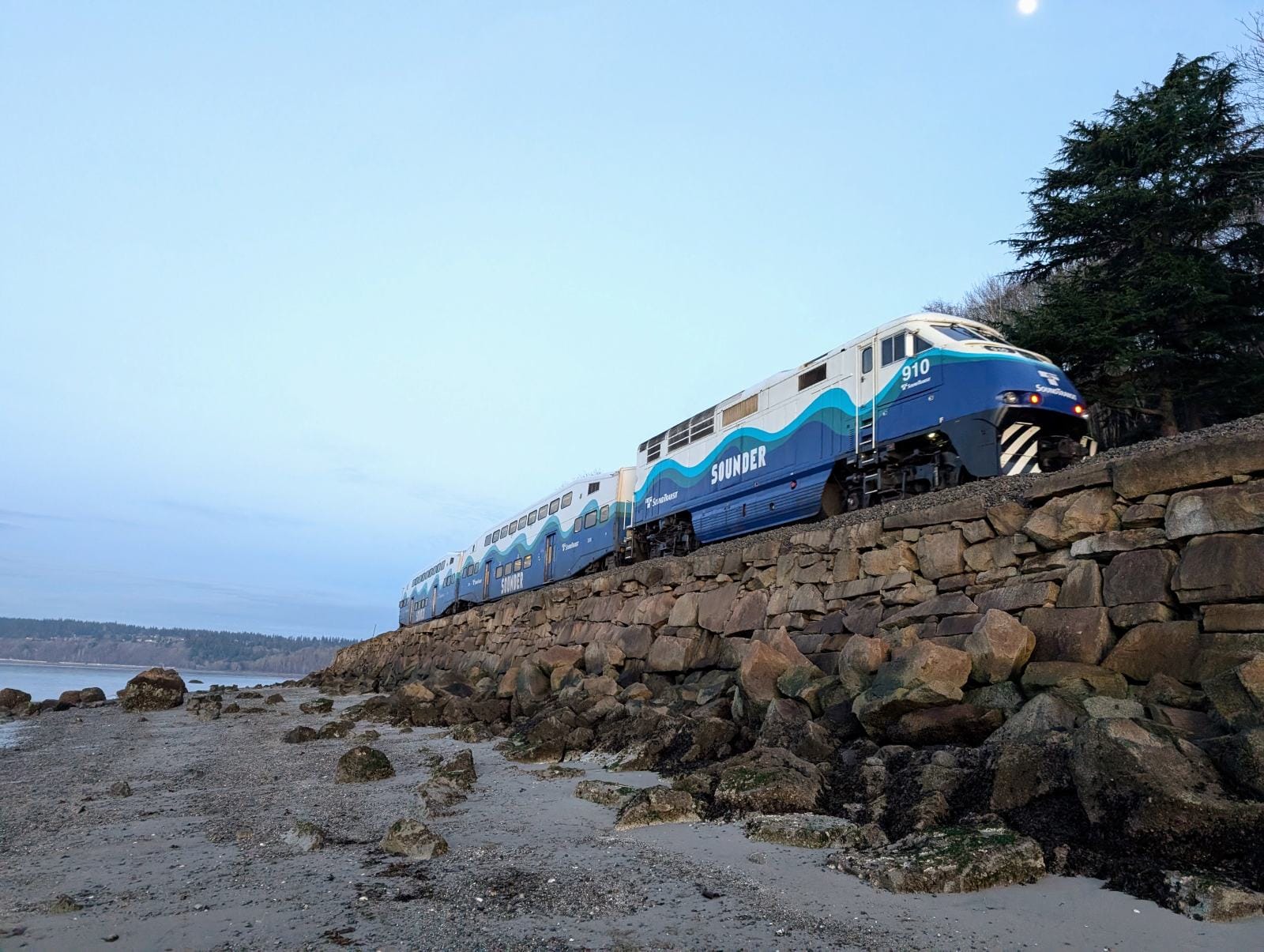
With Sound Transit's failure to deliver light rail to Ballard by 2035 as originally promised, now is the moment for Sound Transit and Seattle to build a no-frills, quick-build station near the Ballard Locks to connect people to Sounder commuter rail service that’s already up and running.
While a tabled effort to reform Mandatory Housing Affordability fees has stolen the limelight lately, reforming utility fees to ease the burden on builders would have the larger stimulus on homebuilding. Parker Dawson lays out why.
While Seattle Times columnist Danny Westneat claims progressives “fizzled” in Washington state because a few primary challengers trailed, Kamau Chege argues that analysis is flawed, ignoring other wins that show the left is wresting control of the party.
Much more work needs to be done to keep Washingtonians safe from forest fires. State Rep. Shaun Scott shares his plan, building on his recently passed Wildfire Alleviation Support Act.
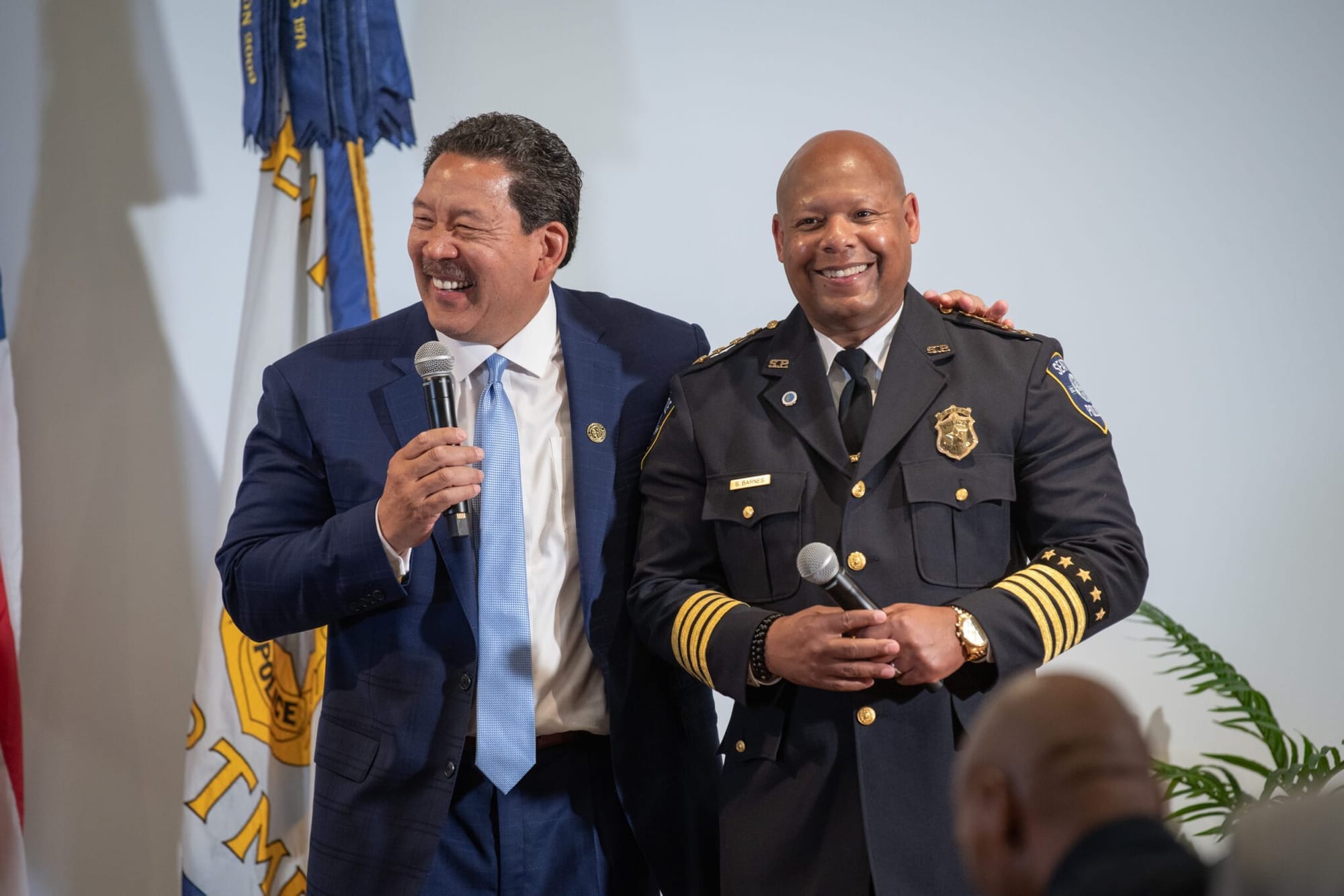
Seattle Police Chief Shon Barnes wasn’t a martyr; he embodied the status quo, and Mayor Katie Wilson was right to oust him and push for true police accountability, argues Cliff Cawthon, a longtime community advocate in Seattle.
Sound Transit recently revealed light rail won't reach Ballard until "around 2060" without further intervention. Seattle Subway lays out a path to greatly accelerate this delivery date, which they call “wildly unacceptable.”
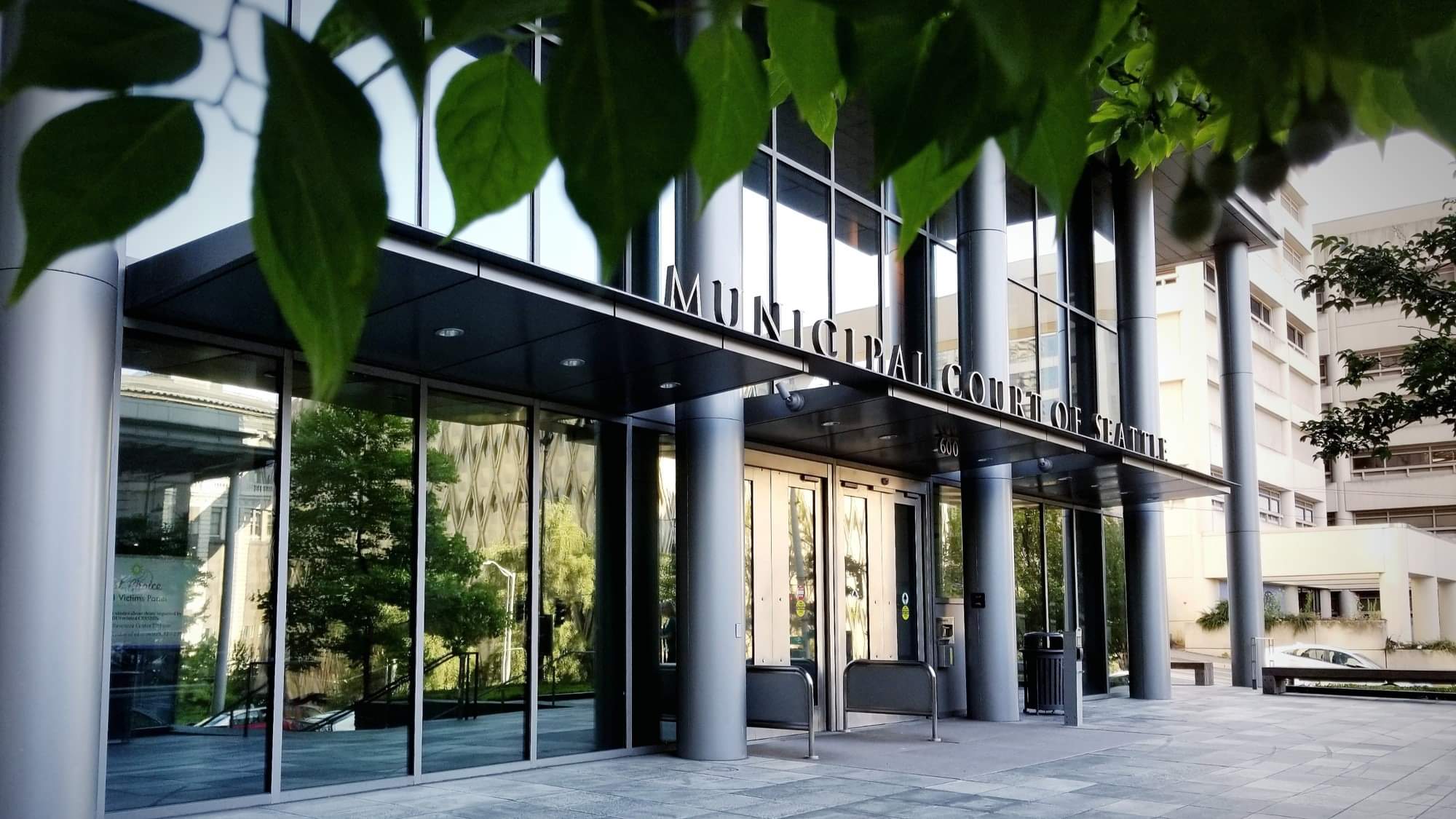
Seattle voters have an opportunity to reform one of the state's most powerful and dysfunctional courts: Seattle Municipal Court. Voters should seize this opportunity and elect Gabe Rothstein, a career public defender with significant judicial experience.
America Walks is urging Congress to block federal transportation funding reauthorization until the Whitehouse can prove that it is following the law and disbursing funding Congress has allocated to transit, bike, and pedestrian projects.
Public schools, early learning, and child care have suffered deep cuts in recent sessions, and Washington State continues to face a major budget shortfall. A new coalition lays out the case for a pro-kids majority that will protect the programs families rely on.
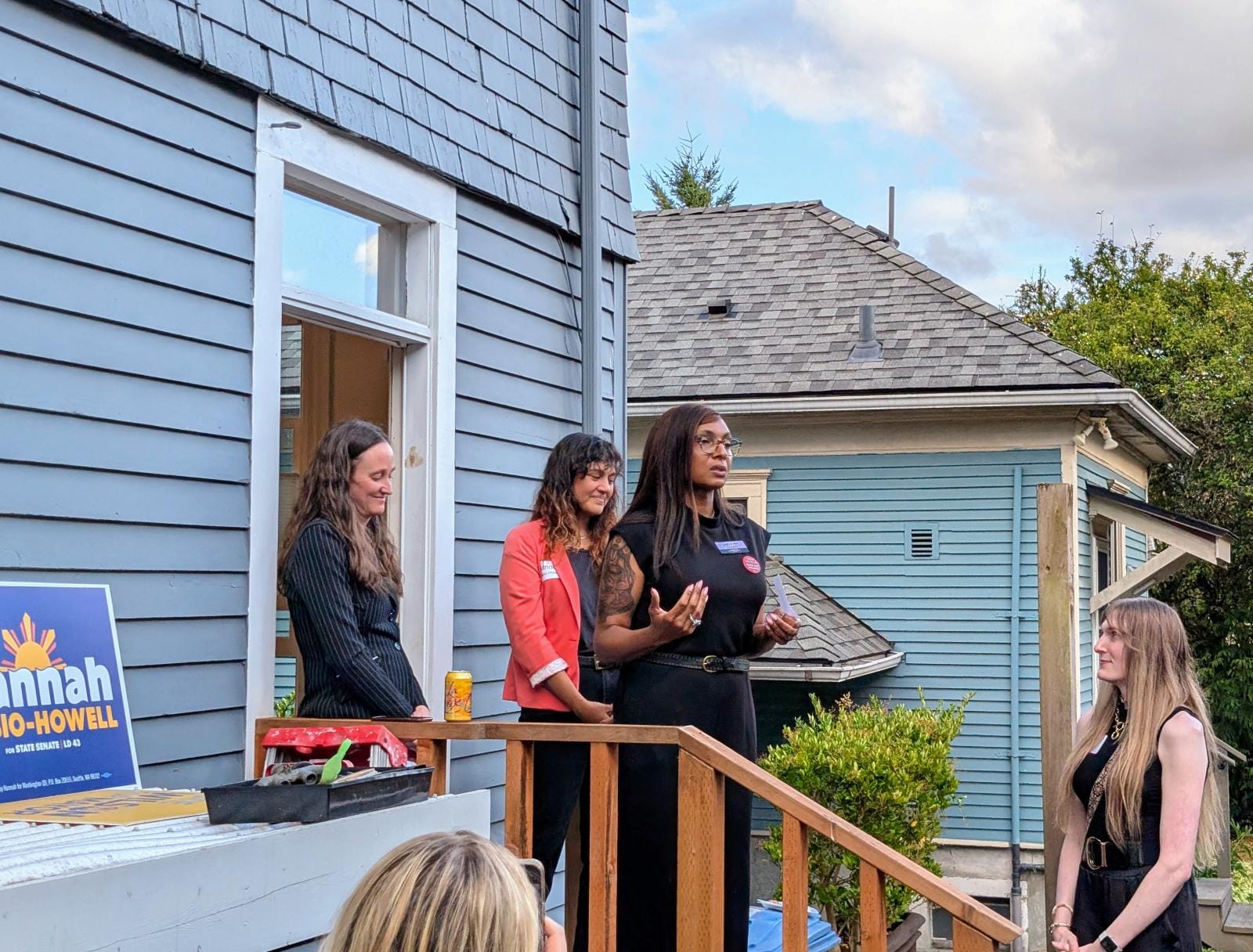
State Representative Shaun Scott and Seattle Councilmember Alexis Mercedes Rinck explain why they're voting for Hannah Sabio-Howell for state Senate.
Some have suggested that King County Best Starts for Kids grants are too easy to obtain, which overlooks the bureaucratic burden the process already places on small nonprofits, which is only getting worse with new stipulations.
Multiuse paths can provide safe bike and pedestrian access to the broad areas of our cities lacking basic sidewalks. Travis Merrigan lays out their advantages, which includes being quicker and cheaper to deploy.
Join the SAFE Bellevue Coalition in sending a letter to city leaders to show your support for a future-focused Bellevue budget that is committed to reducing the high rate of serious injuries on our streets.
The Downtown Seattle Association recently released a “report” that was meant to convince us that taxes on high earners are smothering the Seattle economy. Here’s why their analysis is flat wrong.
Join transit advocates rallying to defend the Seattle Transit Measure proposal from cuts at a public hearing on Monday, July 13. Attend the rally or send in a letter ahead of the big vote to send the package to voters.
Spokane County voters have an opportunity to fund transit service with a 0.2% sales tax renewal on their August 4th ballot. Here's how you can help put the measure over the top.
Transit Riders Union's survey of nearly 500 people showed the importance of investing in transit and can help guide investments to maximize benefits from the expanded Seattle Transit Measure going to voters in the fall.
The state passed a shared streets law in 2025, and it's time for Seattle to seize the opportunity and reclaim streets for people. Half measures aren't cutting it.
The tragic death of elementary school teacher Christian Salyer underscores that the City has neglected the safe bike network in South Seattle too long. It’s time to change that.
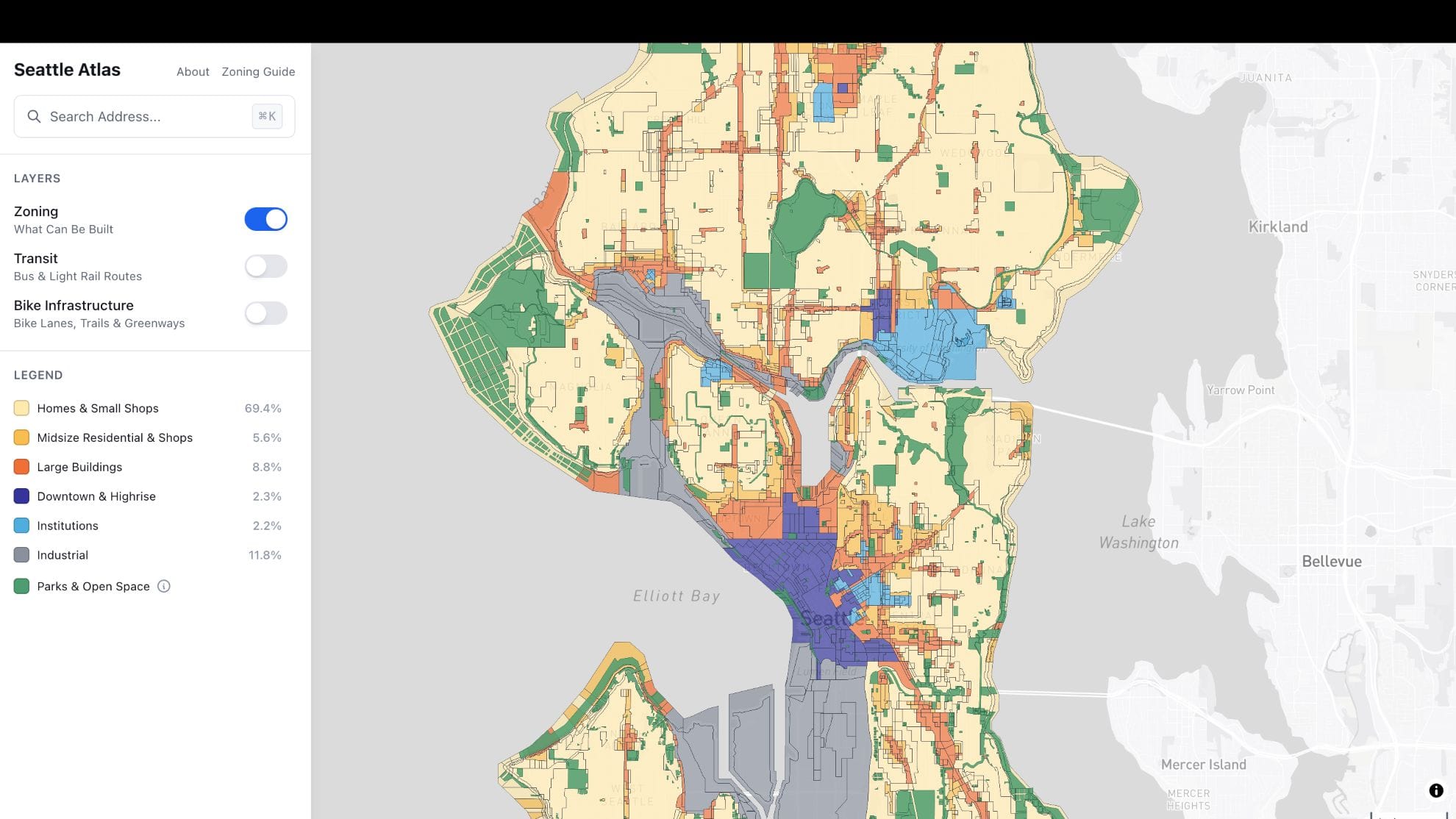
Seattle Atlas is an interactive map that shows zoning, transit infrastructure, and bike lanes, so Seattleites can see for themselves what our city is doing well and where we are lacking.
The Move All Seattle Sustainability Coalition is calling on City Council to approve Mayor Katie Wilson's proposed Seattle Transit Measure renewal to fund vastly more bus service and expand fare subsidies to the lowest income Seattleites. Here's why.
Seattle’s pace of new protected bike lane openings is too slow. Cascade Bicycle Club is launching a campaign to urge the mayor and SDOT to jumpstart the pace of investment.
Nonprofit housing leader Patience Malaba makes the case that a temporary, two-year recalibration of Seattle's Mandatory Housing Affordability program is critical to unfreeze the stalled-out housing pipeline, generate needed affordable housing revenue, and save MHA's very legitimacy.
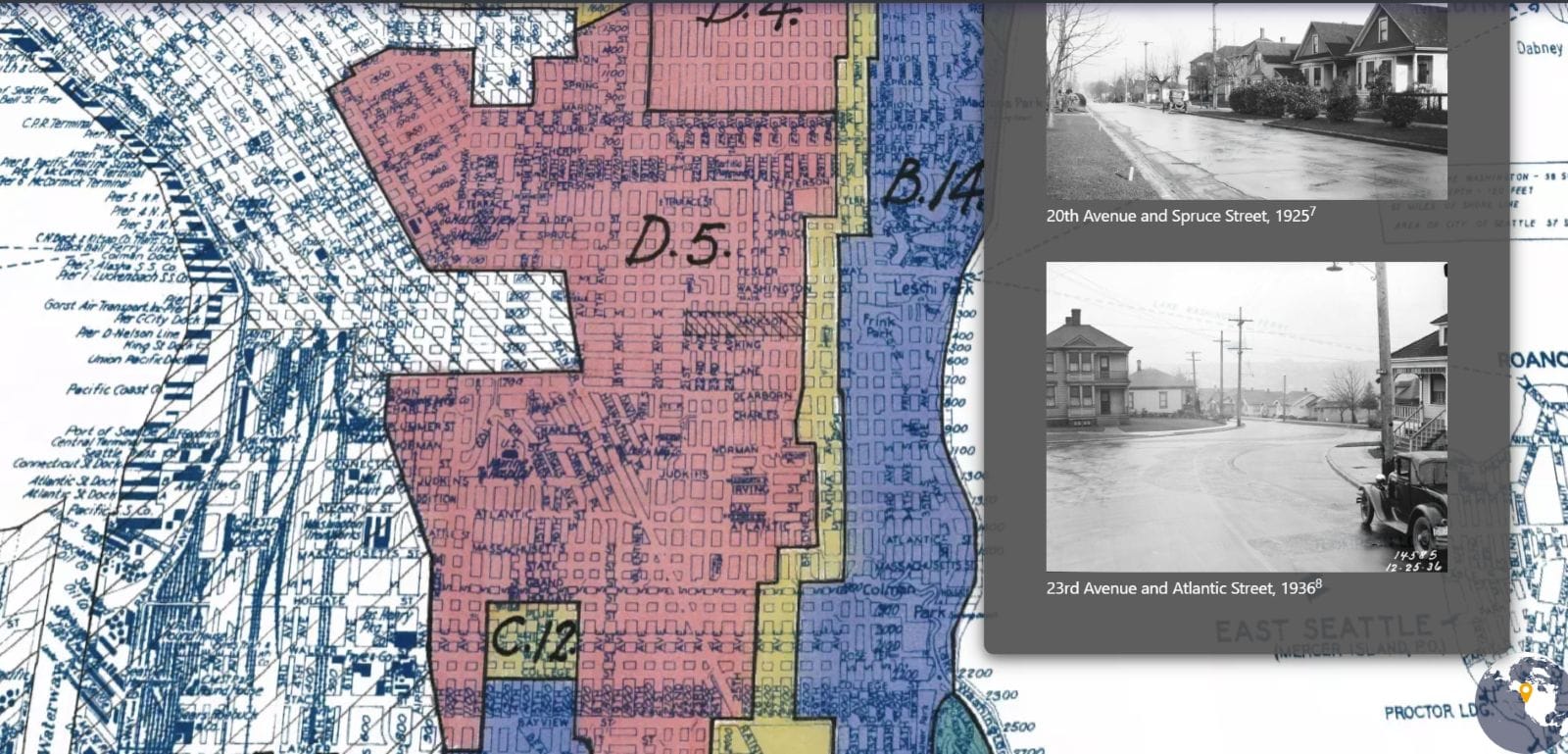
Racist maps that U.S. federally backed banks used to deny mortgages to communities of color have a long legacy. Elijah Wright's Redlining Reimagined project seeks to lay bare that sordid history.
Seattle's property tax system has serious shortcomings, but Aaron Schechter explains how shifting to a land value tax could address them and encourage homebuilding.
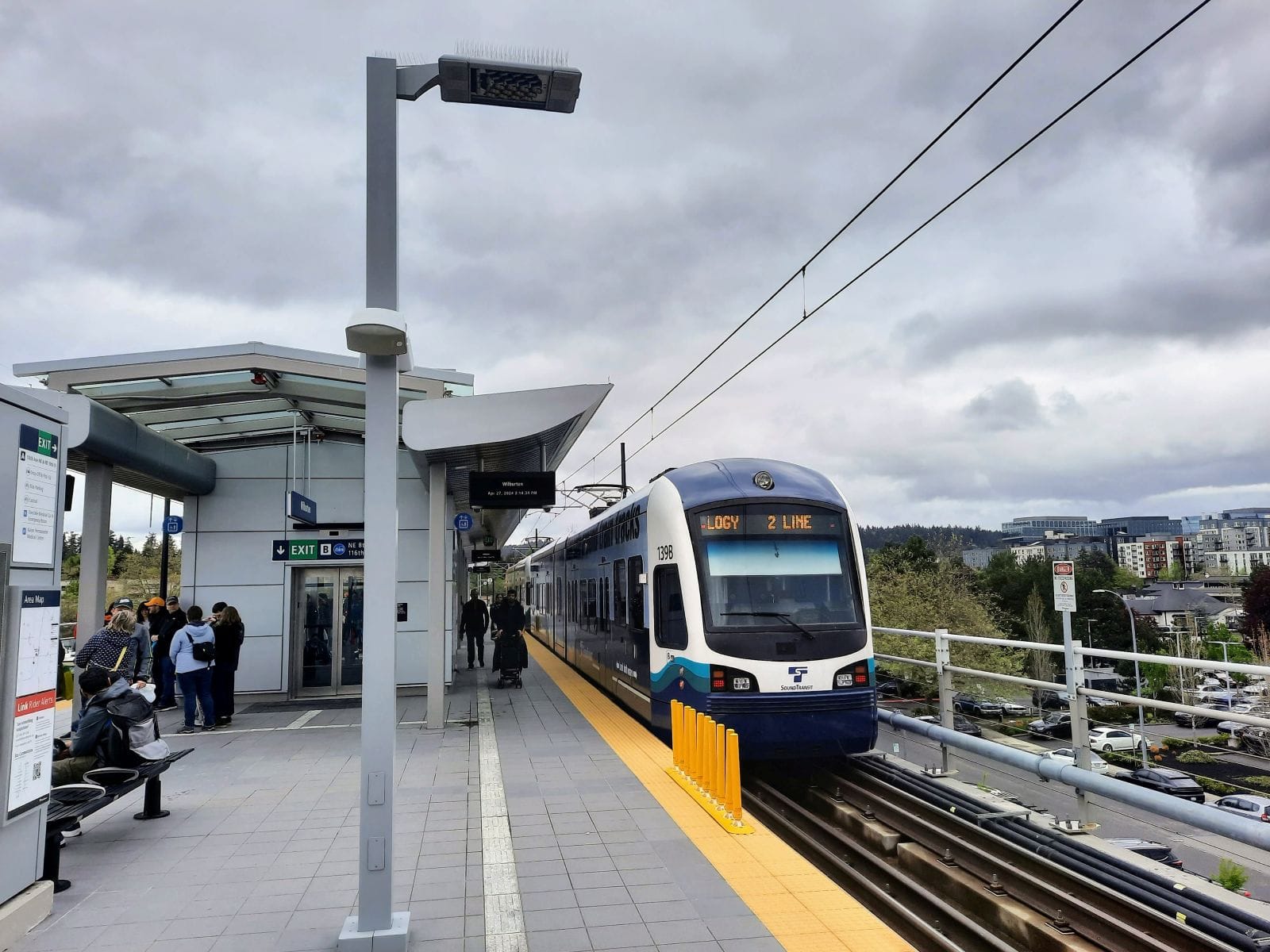
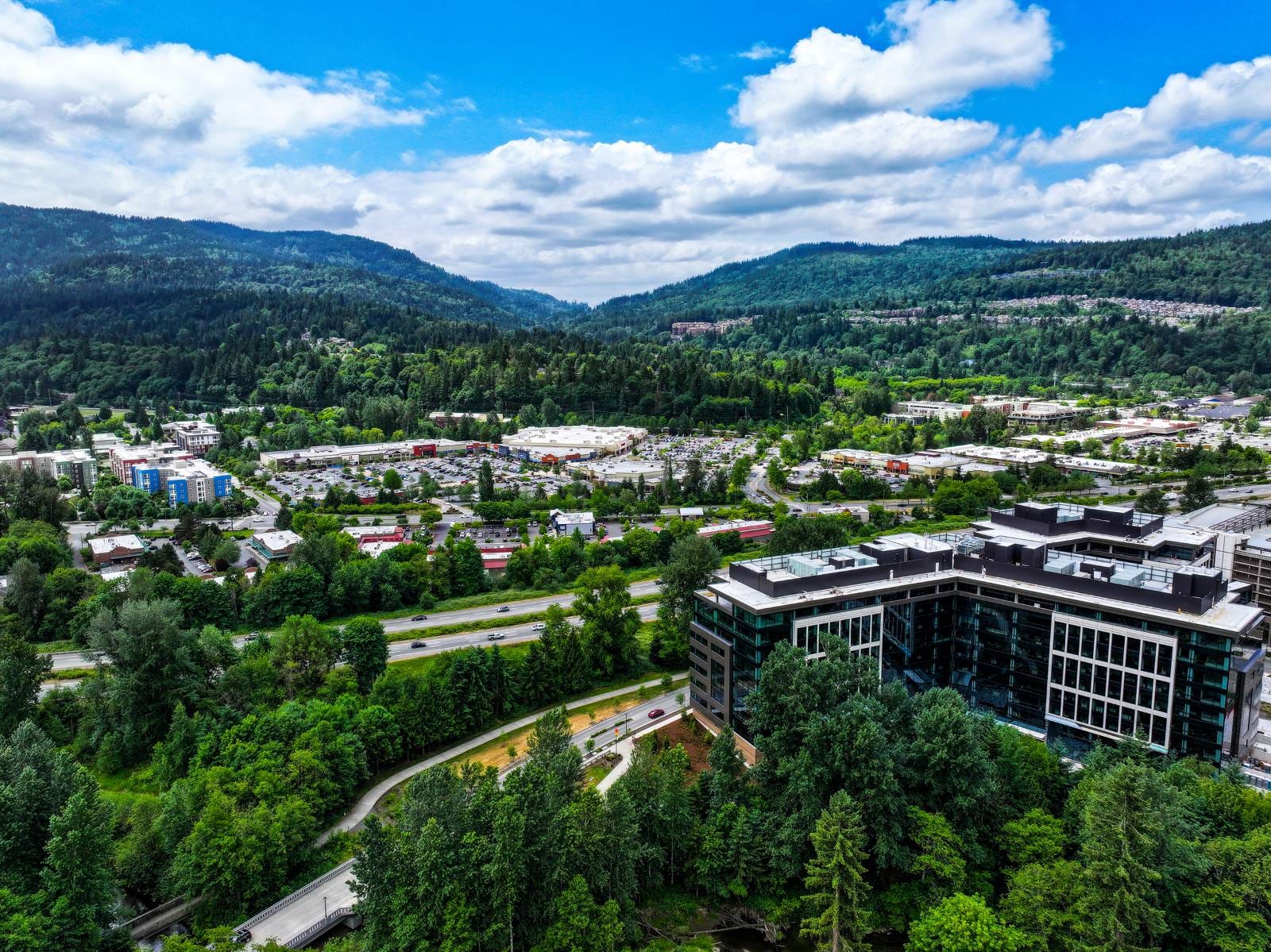
One year in, the Wilburton rezone is becoming a regional model. Thanks to a funded inclusionary zoning program, Wilburton attracted applications for more than 2,300 apartments, more than Seattle logged citywide in 2025.
Robert Cruickshank explains the ballot initiative he has filed to reform Sound Transit's board governance, arguing the overhaul is needed to ensure ST3 rail expansions are delivered as promised.
Most transit systems across the world have integrated retail within stations. It’s time for Sound Transit to join the party by streamlining its fledgling vendor program.
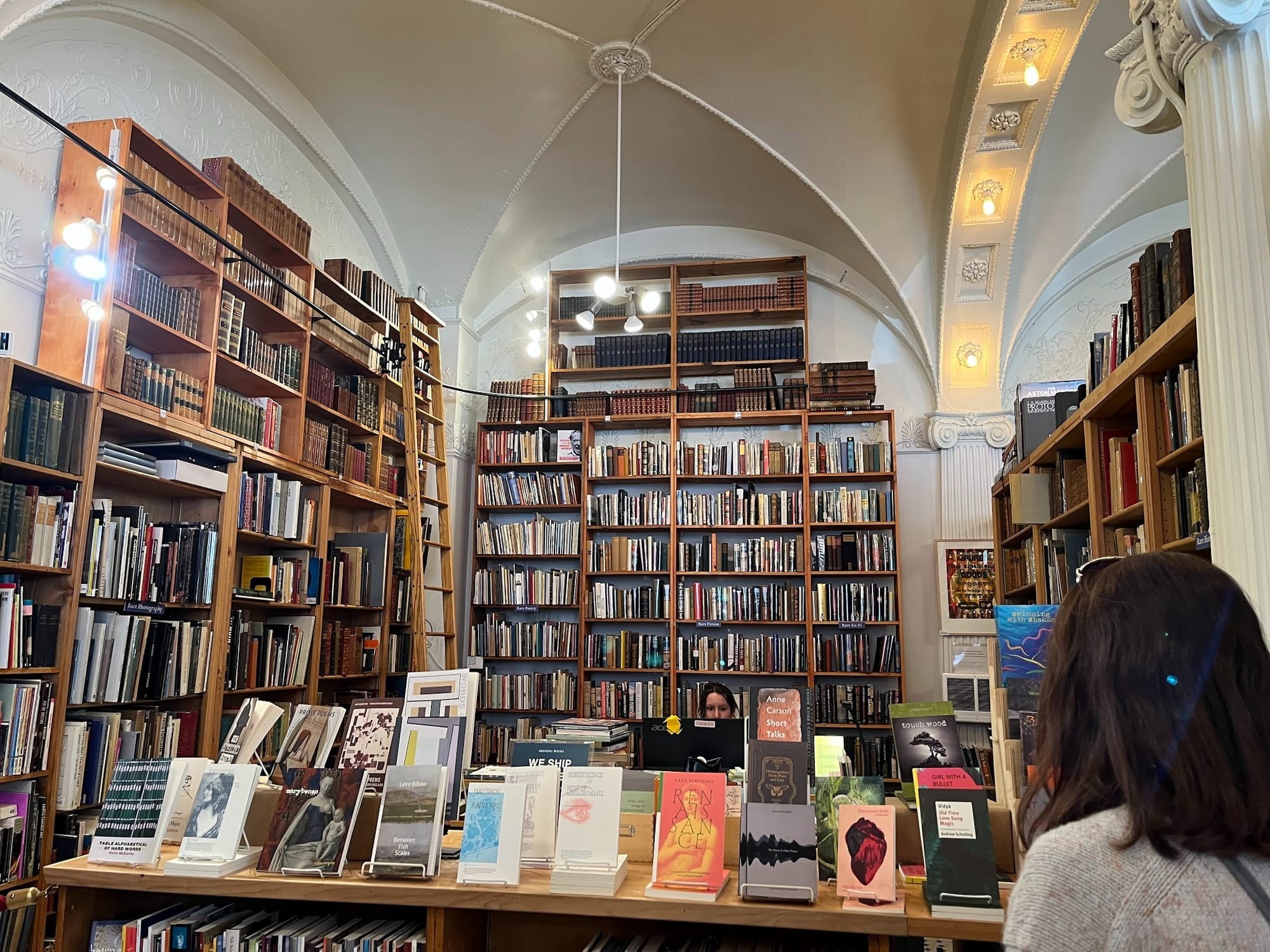
To meet the Independent Bookstore Day challenge, two book worms used transit to visit 33 bookstores scattered around the Puget Sound region in just 10 days. Here's how they did it and what they learned.
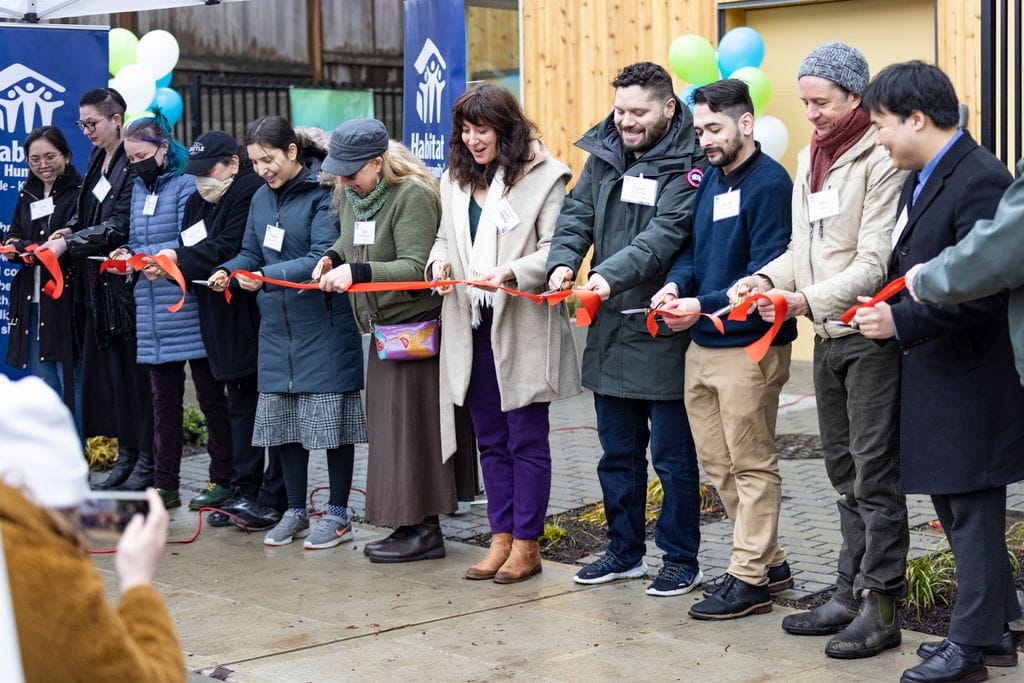
Habitat for Humanity’s Ryan Donahue opines against the proposal to temporarily slash builder fees in Seattle's Mandatory Housing Affordability program, arguing housing solutions can't come at the expense of low-income folks.
Seattle activists trying to block growth incorrectly blame new housing for the threat to orcas, instead of the biggest culprit: cars and the sea of pavement carrying them. Paul Beard lays out how they went wrong.
Given obstacles from the Trump administration, West Seattle Link will not break ground anytime soon. Before any vote overhauling the Sound Transit 3 plan, the board owes the region revised, evidence-based dates for every project, Trevor Reed contends.
The Sound Transit Board will soon decide whether to deliver on the decades-old promise to South King County to build light rail stations at Boeing Access Road and Graham Street. They should not break their promise again, writes King County Councilmember Rhonda Lewis.
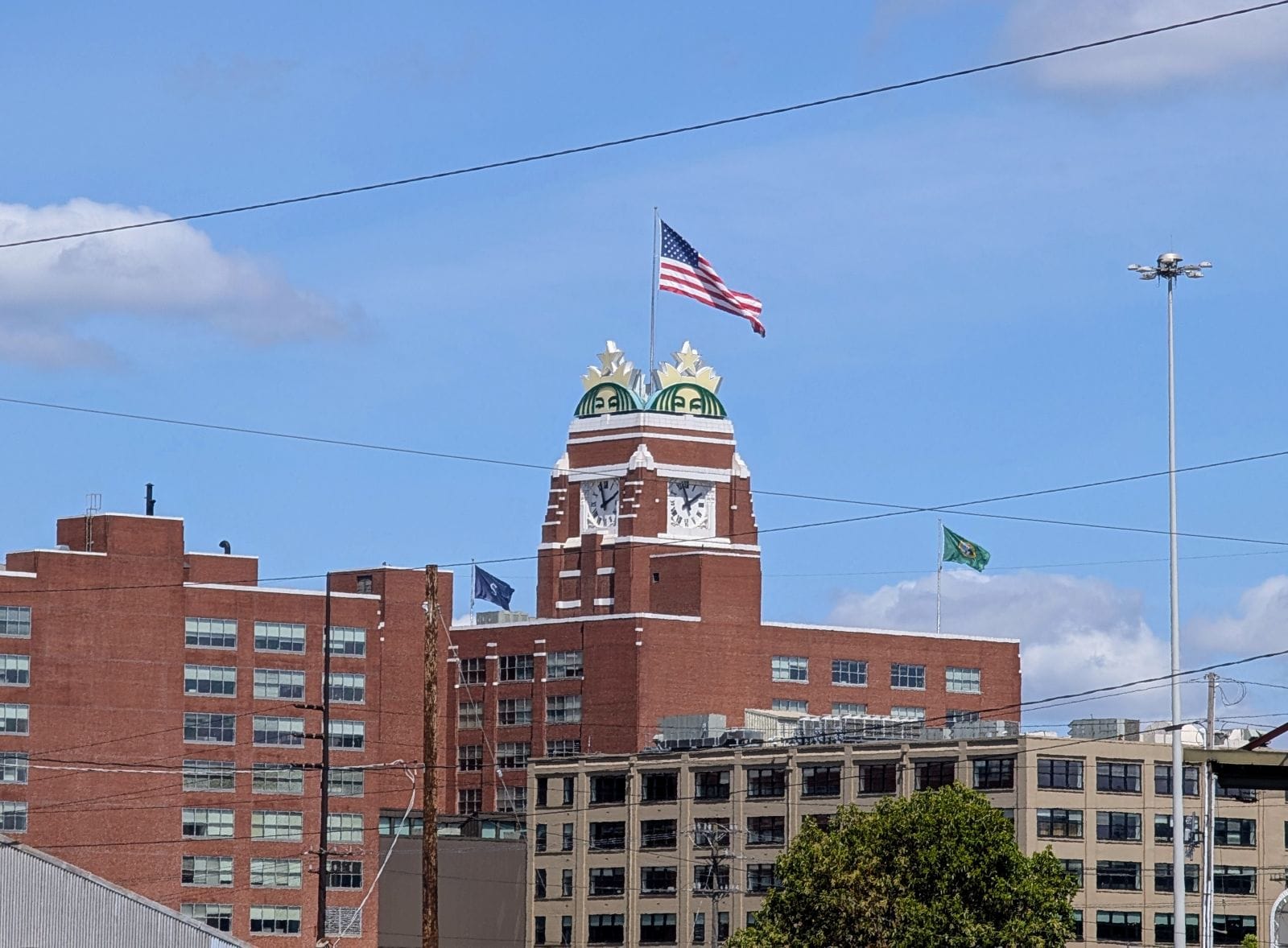
“What’s Nashville have that we ain’t got in Seattle?” New Jim Crow, strict abortion ban, union-busting, low wages, unchecked poverty, and gun deaths in spades. Just what Starbucks was looking for, John Burbank opines.
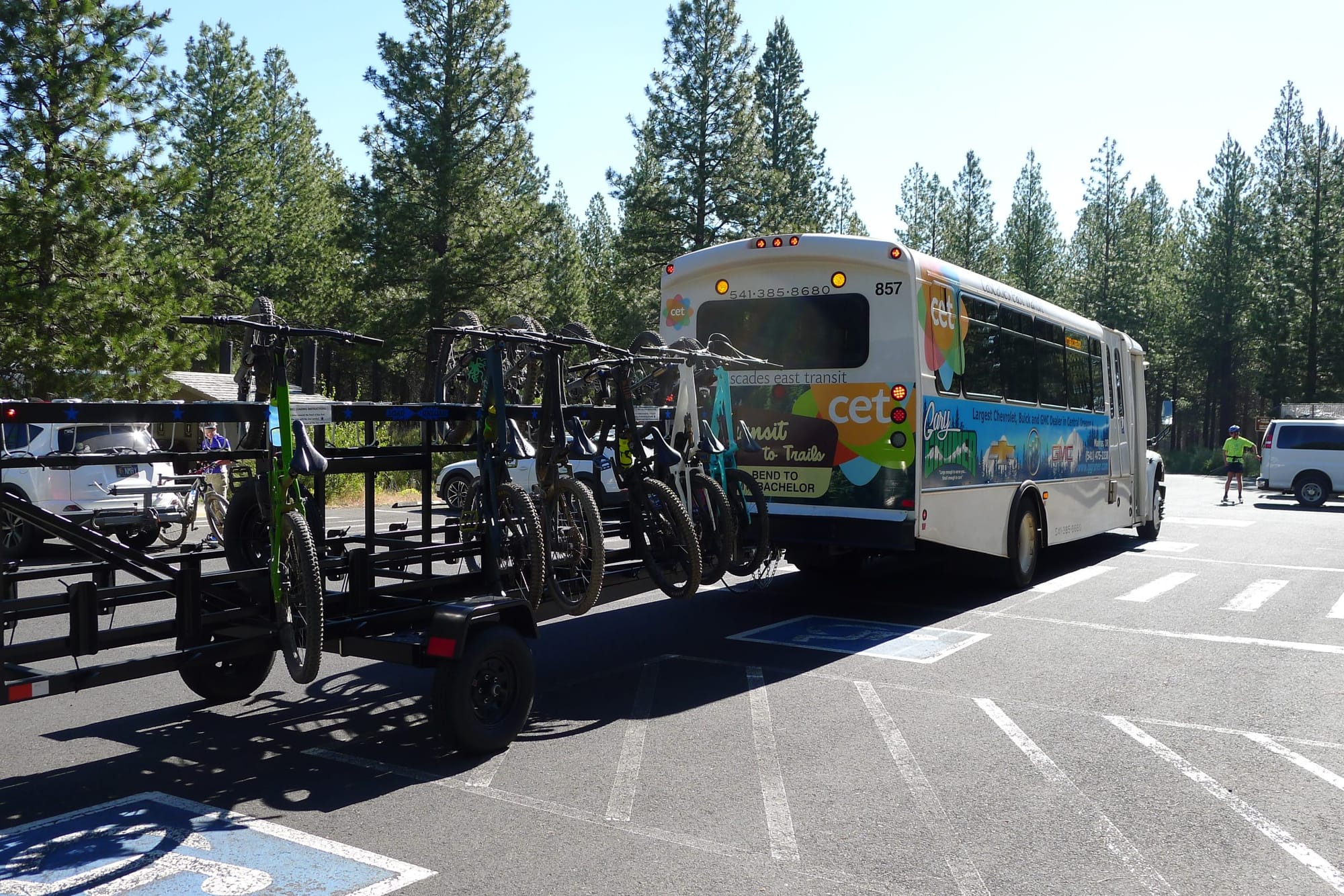
King County should expand its wildly popular Trailhead Direct transit shuttle service. Here are a handful of ways to enhance service and get even more hikers and bikers to regional trailheads.
Riding the bus regularly can help officials make better policy decisions. Nondrivers Alliance wants your help to invite them to participate in the annual Week Without Driving this fall.
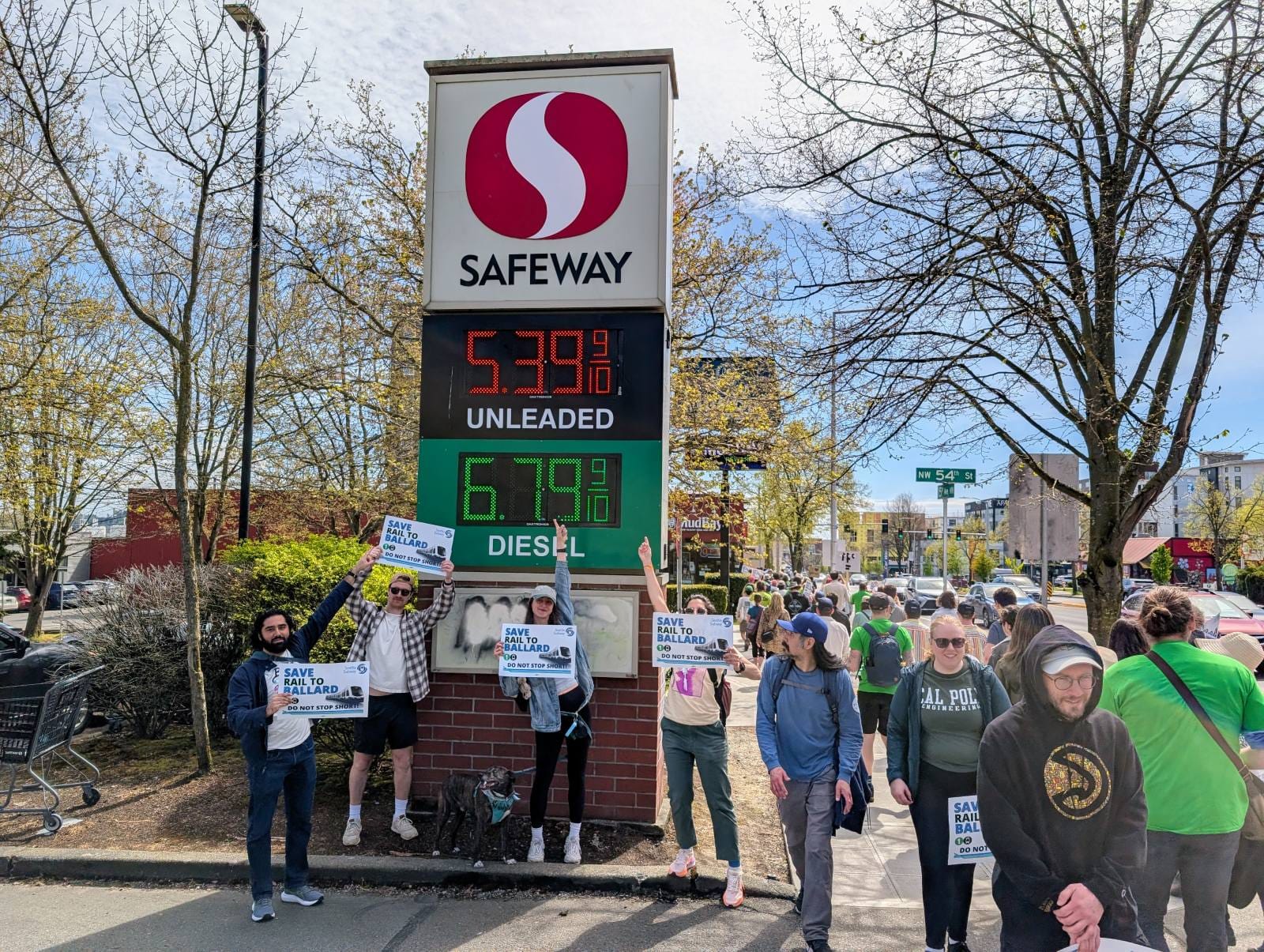
With the price of a gallon of gas jumping two dollars in Washington state over the last few months, John Burbank argues it’s high time to institute a windfall profits tax on Big Oil, as they profiteer off Trump’s war in Iran with record revenue.
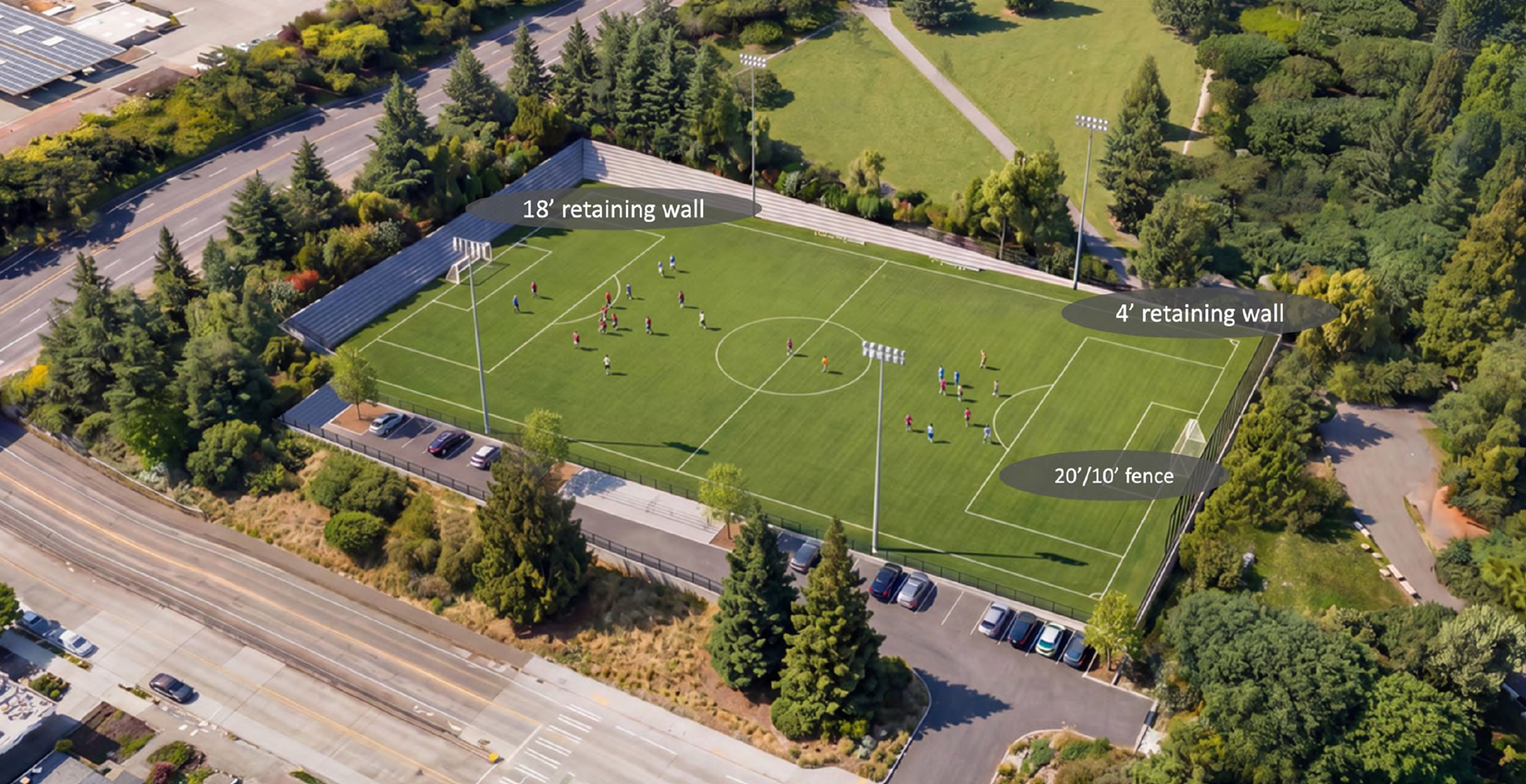
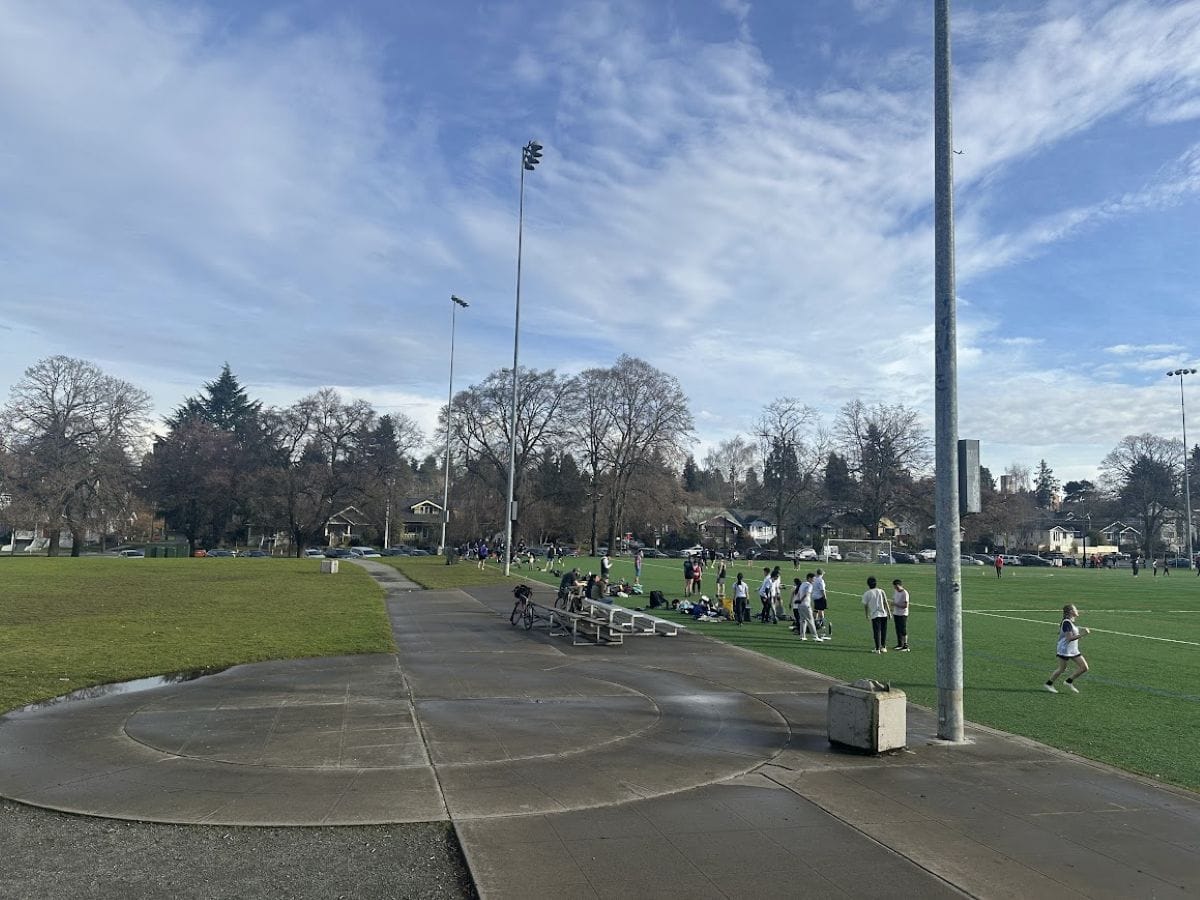
Seattle Public Schools' options to expand athletic fields at Woodland Park all have major drawbacks, and neighbors are pushing a “Community Alternative” repurposing a gravel parking lot. Weigh in via SPS’s public survey by May 9.
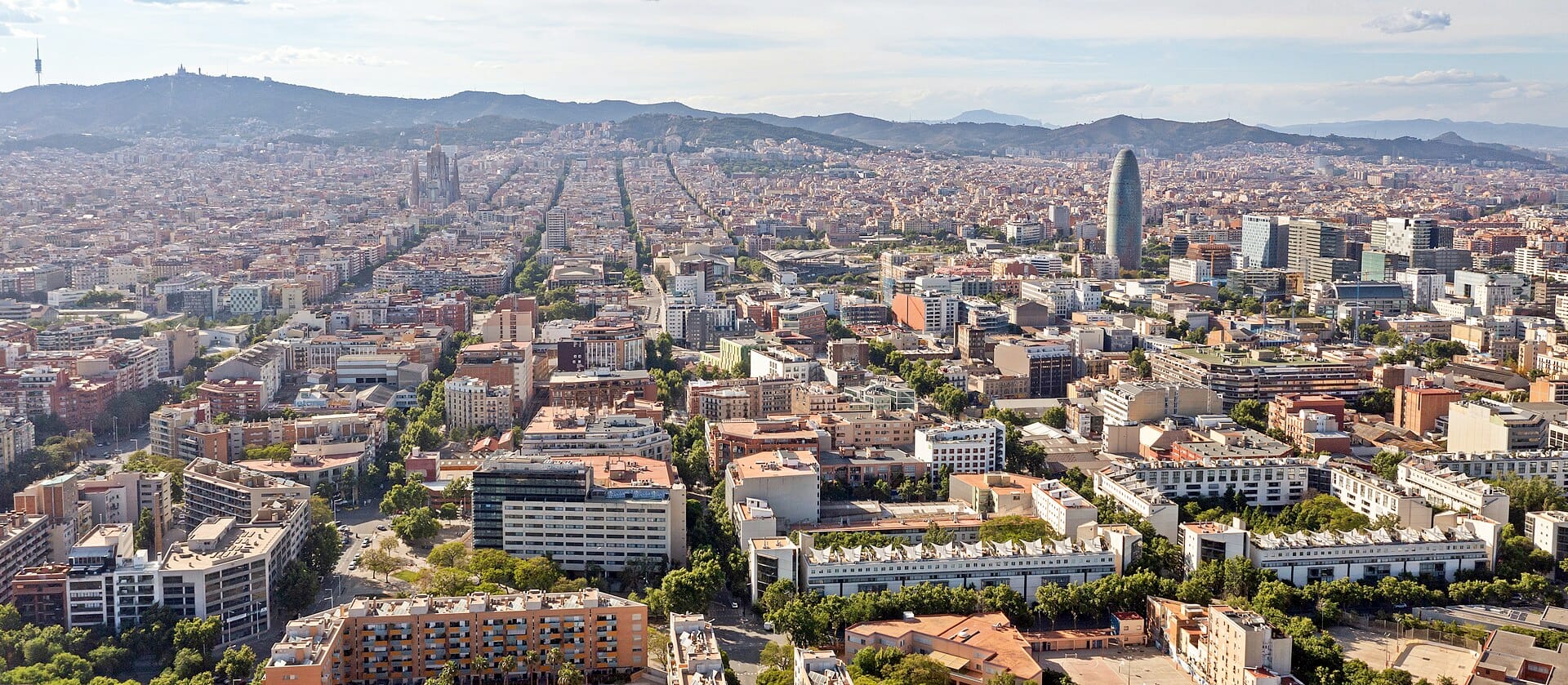
From pedestrian superblocks to a betterment tax, proven policies from Barcelona to Bogotá could help the Seattle region maximize communal benefits of light rail buildout.
Seattle should convert its Arch Convention Center to a public commons where residents can gather without the need for an overpriced ticket and box lunch. With convention business limping along, the city must get better use out of this space.
Seattle YIMBY lays out the case for overhauling Seattle's MHA inclusionary zoning program, with funding to offset builder costs in high-density zones, and a repeal of the affordability requirements in lowrise zones.
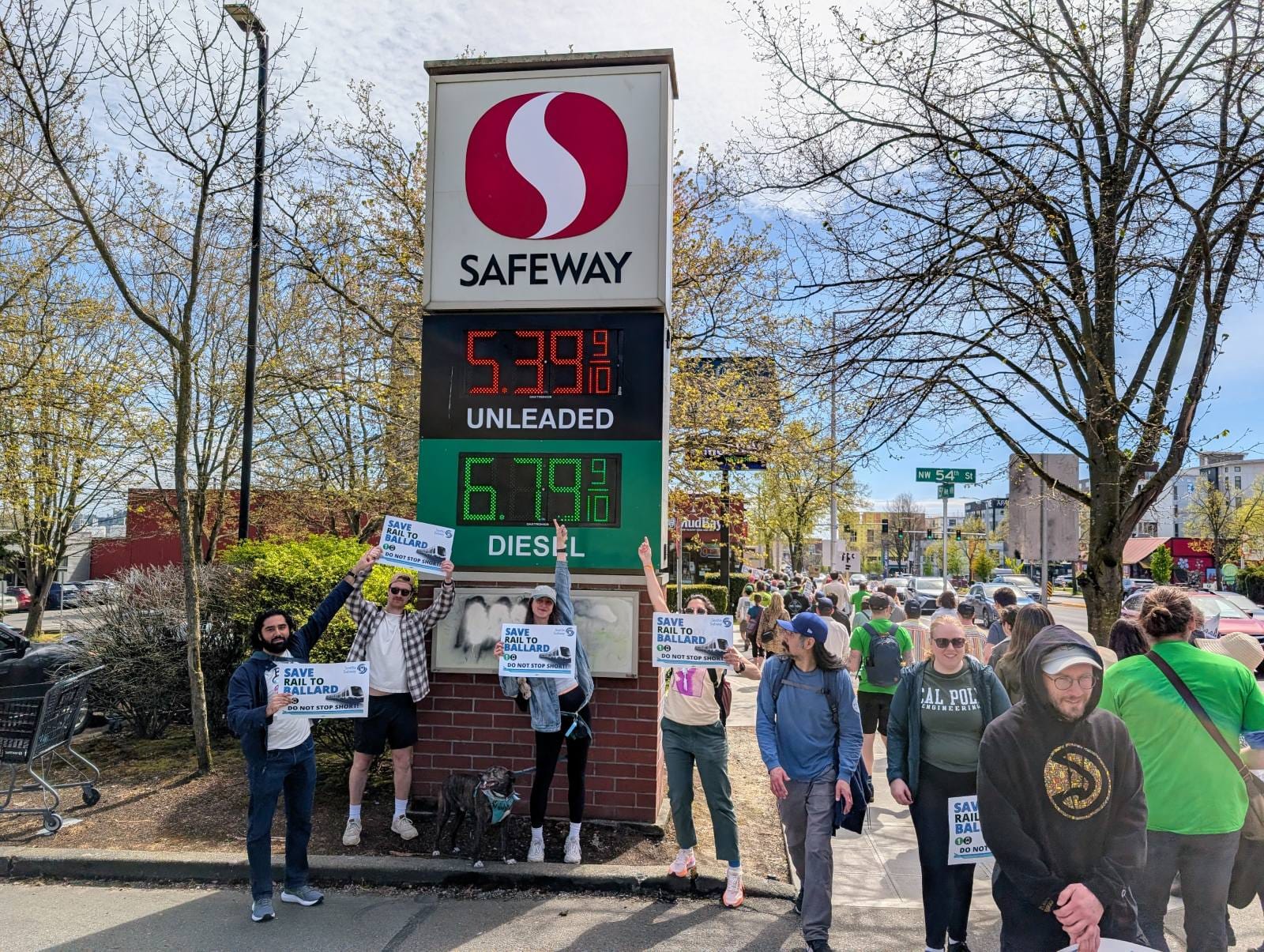
Transit advocates will march from Ballard to Smith Cove to draw attention to Sound Transit's plans to jettison this section of light rail, promised in the ST3 ballot measure.
Sound Transit can halve the cost of light rail to Ballard and West Seattle by building them as a connected automated light rail line with slimmer stations, according to two transit experts who have launched the Sound Transit Now campaign.
Seattle’s courts face a simple challenge: the number of cases far exceeds available courtroom hours. Night court could help move cases more efficiently, improve access to justice, and ensure compliance with Washington’s strict speedy-trial requirements.
John Burbank argues Governor Bob Ferguson should call a special session to ensure universal health care and child care in the face of Trump’s devastating federal cuts. Taxing corporate oligarchs could provide the revenue necessary.
Here's the case for lifting Washington state's 1% lid on property tax levy hikes while at the same time implementing a homestead protection for primary residences and a renter's tax credit to shift the burden away from working families.
The Washington State Department of Transportation has a public survey out on the 2025 State Rail Plan through April 24. Let them know that improving frequency, reliability, and connections for Amtrak service is a priority.
Join advocates for a housing rally at noon Monday, April 6th before City Council’s first public hearing on Phase 2 of Seattle’s growth plan. Here’s how we can improve the plan to promote housing affordability and abundance.
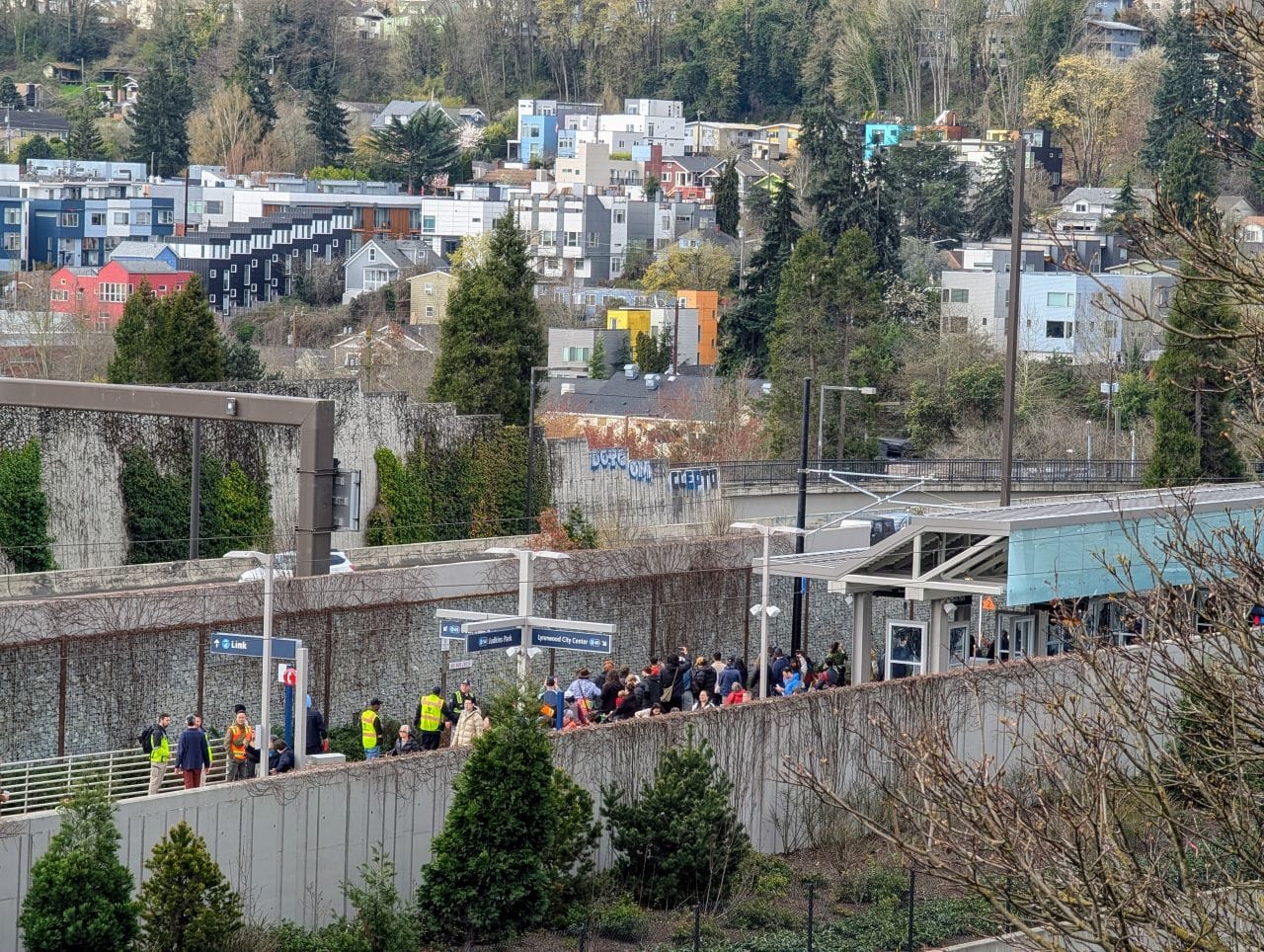
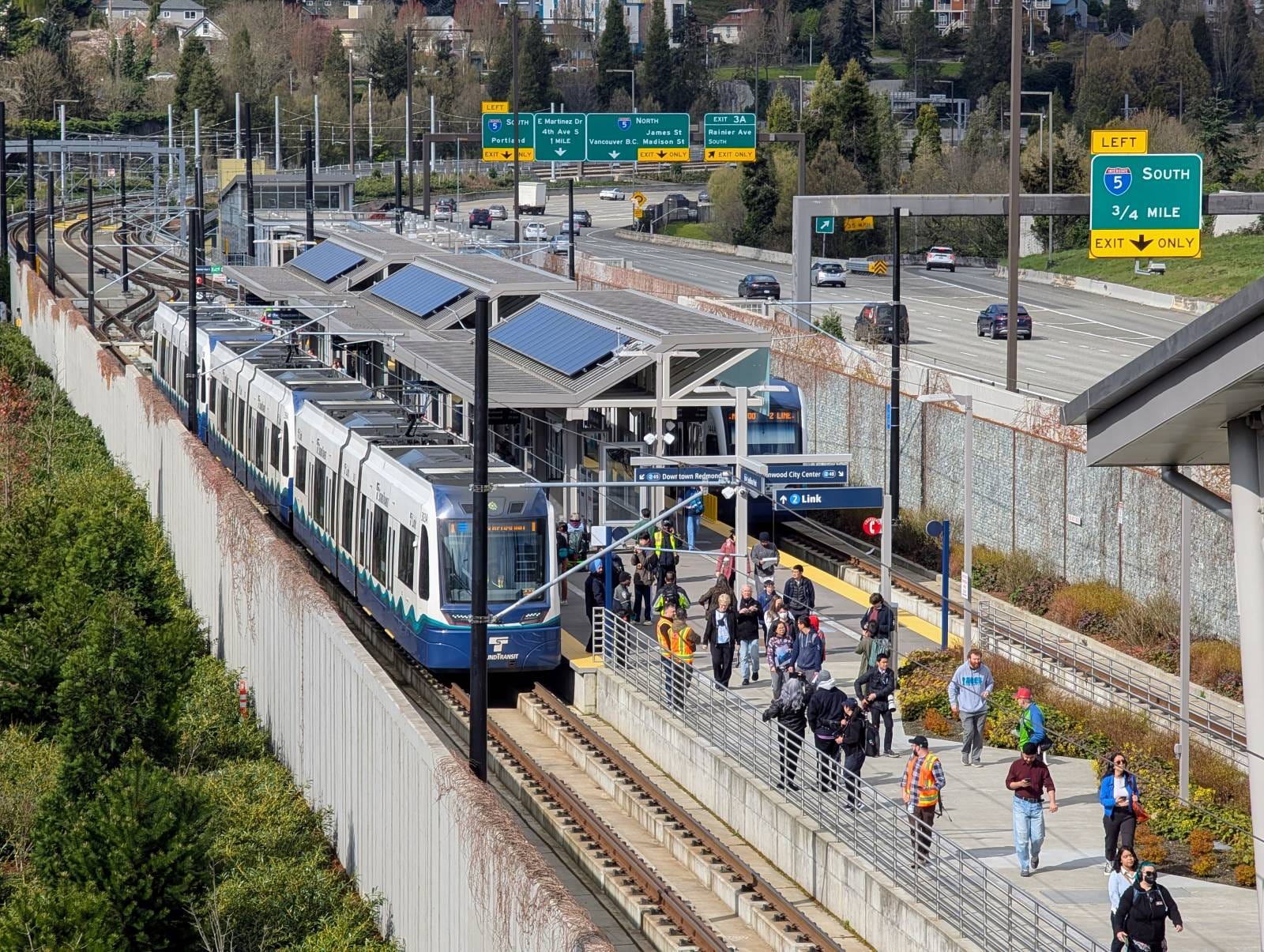
The recent opening of Judkins Park Station is a big step forward for transit access, but Seattle's South End must not be left behind in the next round of light rail expansion.
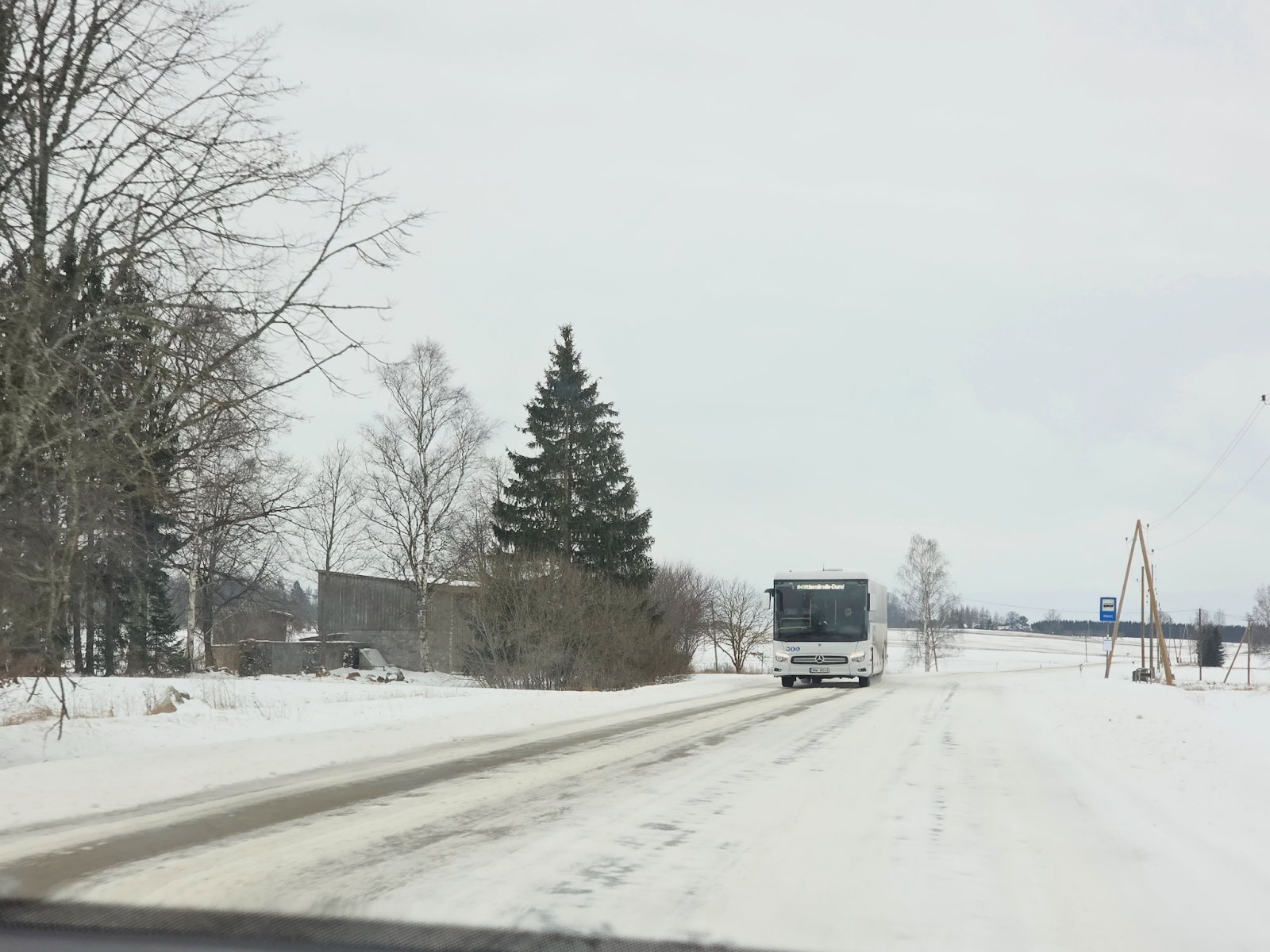
By framing a reduction of reliance on Russian oil as a matter of national security, Latvia offers a useful example of how to reduce car dependency and make real our climate goals. Latvia's ubiquitous and frequent transit network was on display during my recent visit.
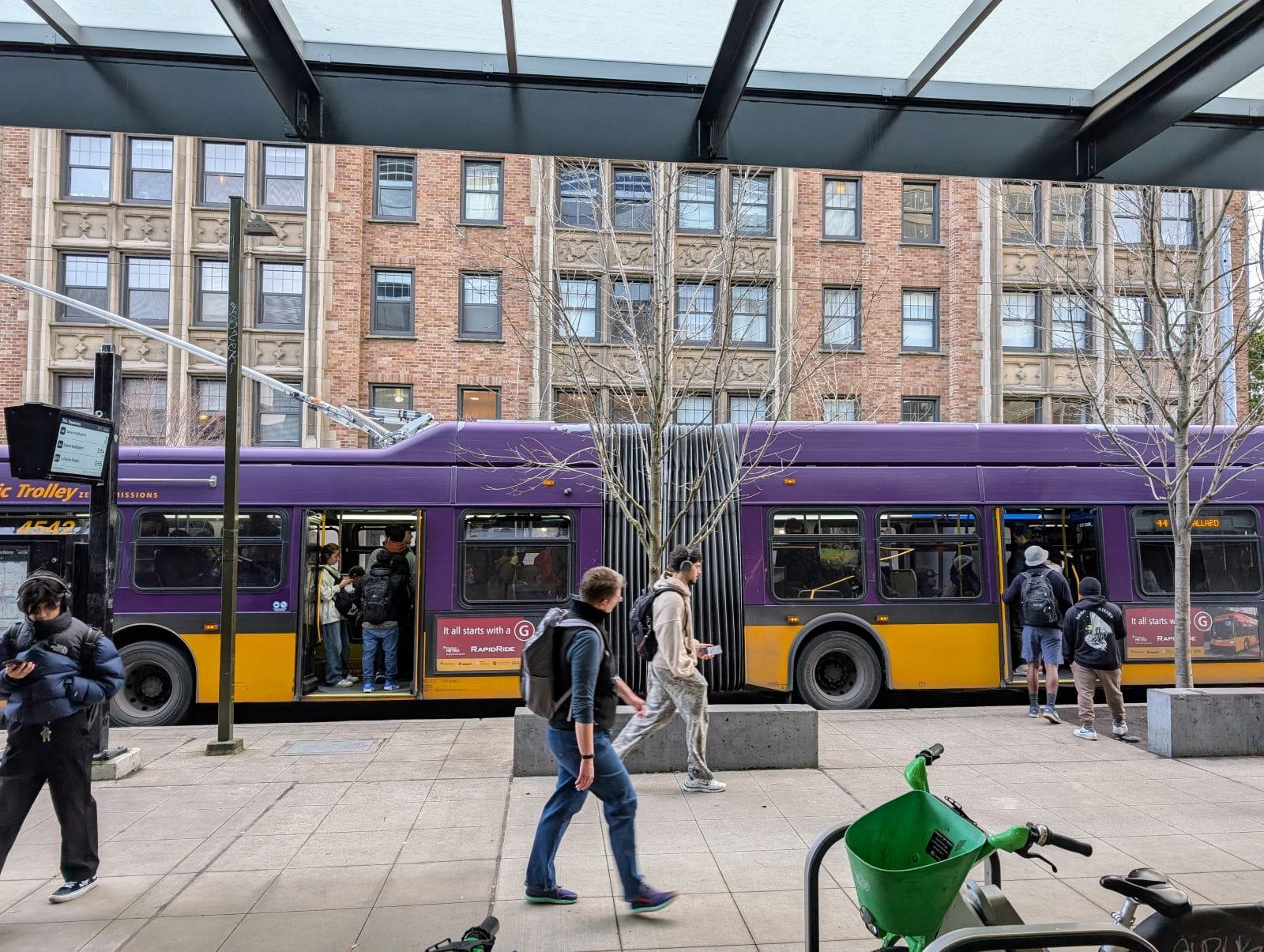
Taking lessons from the YIMBY movement, Robert Cruickshank charts a path forward to build out the 116 miles of light rail promised to voters in the Sound Transit 3 ballot measure, leveraging popular support to press for additional funding and lasting reforms to control costs.
After 15 years fighting for safe streets, Seattle Neighborhood Greenways is excited to become Seattle Streets Alliance to more accurately reflect the nature of our grassroots organization’s mission. Here’s what this changes means.
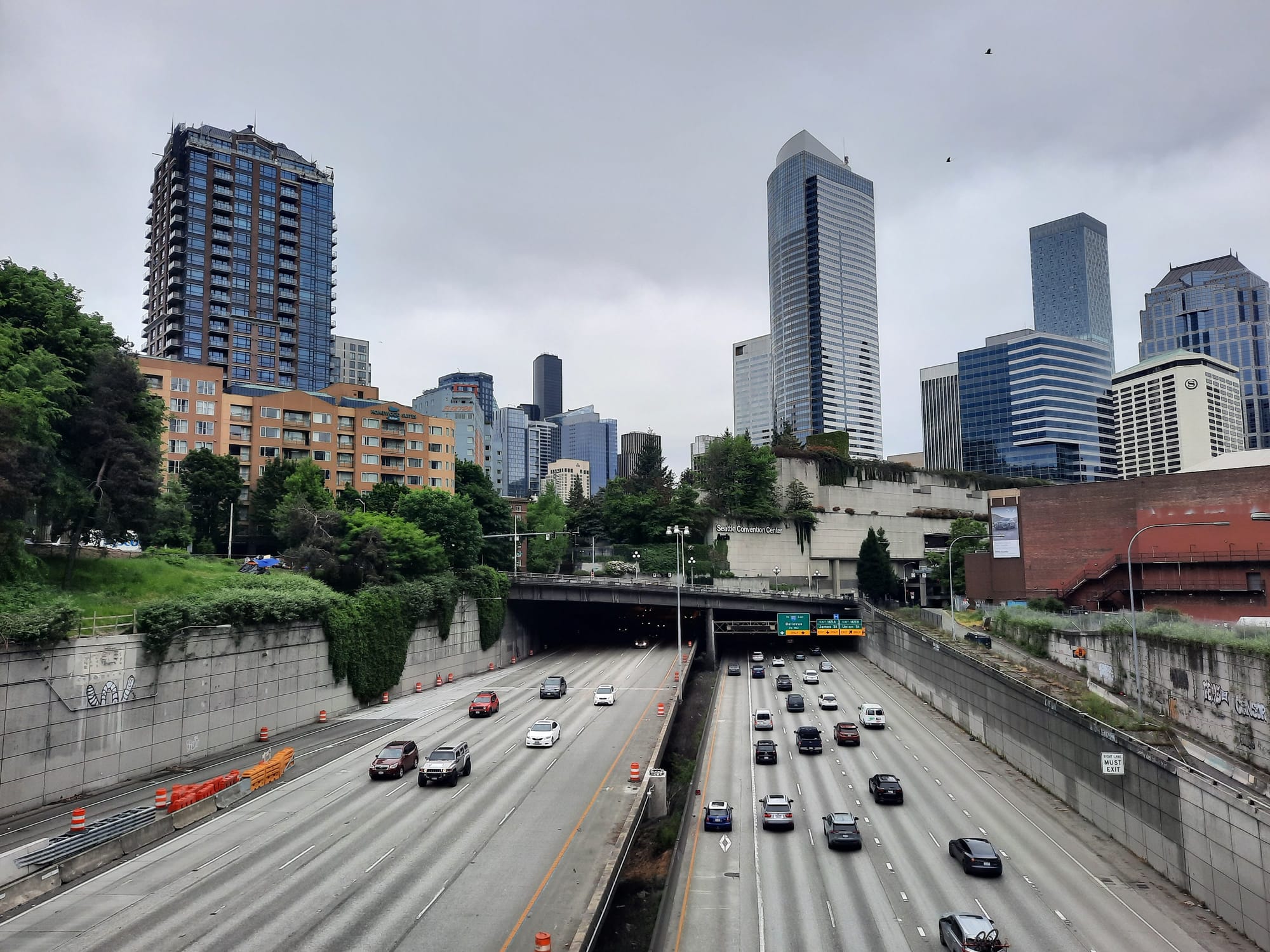
Cities must commit to downsizing their highway networks if they intend to meet climate and livability goals and expand housing in a healthy and equitable manner. Seattle must lead the way.
Civic leaders from Issaquah say they’re ready to deliver a light rail line that costs less, a station area that generates ridership through housing rather than garages, and a city that is ready to share the work with Sound Transit rather than just make demands.
King County is staring down a fiscal cliff that threatens to dismantle the services our communities rely on most. Port Commissioner Toshiko Hasegawa lays out the case for passing House Bill 2442 to give counties another revenue tool to address their fiscal challenges.
Economic justice advocate John Burbank lays out the case for Washington state lawmakers to keep the estate tax, rather than capitulating to pressure to reduce Washington’s rate to avoid a feared exodus of billionaires and multimillionaires.
The Pierce Transit Board is considering a ballot measure in November 2026 that would boost funding to expand bus service, make routes more frequent, and create new connections to light rail. Two advocacy leaders make the case for this measure.
Seattle Public Schools (SPS) is seeking to add a new football/soccer hybrid field for Lincoln High School in Lower Woodland Park, but has chosen a plan that prioritizes parking over accessibility and events, scrapping a recently rebuilt soccer field and historic trees to cram two fields into a footp
Amazon and Microsoft benefit handsomely from a tax loophole in the Workforce Education Investment Act. State lawmakers can end this tax giveaway to boost higher education funding. These tech giants donate millions to curry favor with the Trump administration and garner contracts in the hundreds of m
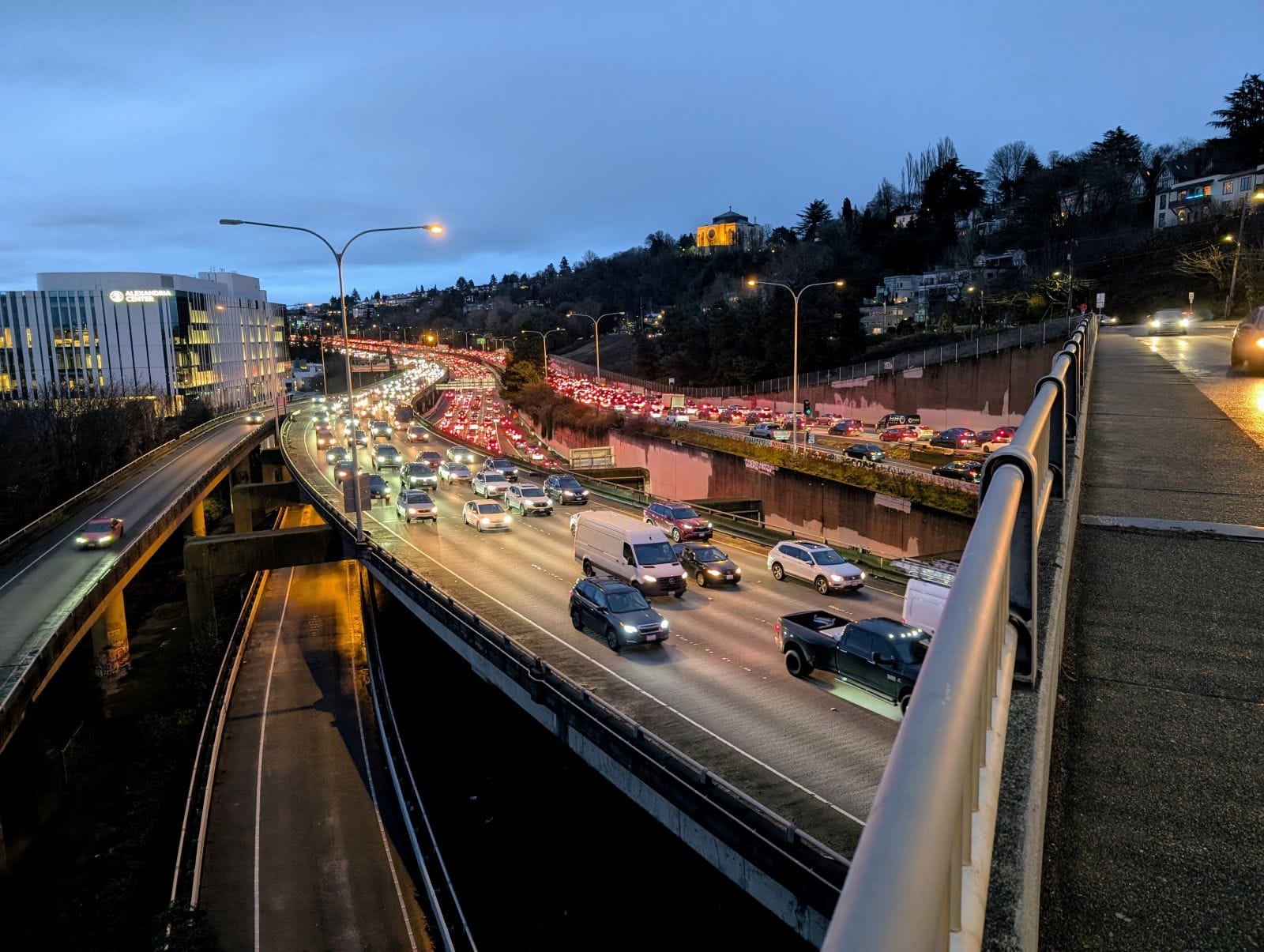
Revive I-5 is a once-in-a-generation opportunity to reduce car dependency and encourage transit, walking, rolling, and biking, but the Seattle region is letting it slip between its fingers. It’s not too late to fix that, opines Kadie Bell Sata.
Building more dense housing within vibrant walkable neighborhoods is a key climate strategy, argues IPCC author Michael Gillenwater. The Seattle Comprehensive Plan could further those opportunities.
Set to build its first protected bike lane, the City of Bremerton proposed a last-minute change to its otherwise excellent 6th Street design, stripping out more than half of the flex posts protecting people biking. But it’s not too late for the City Council to intervene.
Seattle’s Summer Safety Plan and its earlier closing time for city parks is bad news for people who count on evening park access, including artistic communities. Crime data does not support the claim that most parks are trouble spots, but they are vital spaces for many communities.
Sound Transit needs a systematic strategy for closing its $35 billion funding gap. Delivering the expansions promised to voters is possible, but requires political leadership and an appetite for a sea change within the agency. A former SDOT director offers a road map.
Washington state leaders should take action to force the closure of the Immigration and Customs Enforcement penal colony in Tacoma, which is carrying out the unlawful detention of 1500 people.
Seattle renters are largely locked out of cost-saving and comfort-improving clean energy appliances, like heat pumps, induction stoves, and solar panels. Sightline’s Emily Moore argues that newly inaugurated Mayor Katie Wilson could help change that, in part because Seattle owns its own electric uti
With 46,000 workers commuting to the Seattle-Tacoma Airport every day, Commissioner Toshiko Hasegawa shares the Port of Seattle’s plans to improve transportation options and encourage transit use.
Washington State is forcing Kitsap County to re-do its Comprehensive Plan for lack of low-income housing, ignoring wildfire risk, and neglecting safe streets requirements. The do-over is a chance to turn away from sprawl, writes Travis Merrigan.
Funded inclusionary zoning unlocks the benefits of inclusionary zoning while offsetting its harms. It’s a path to more market-rate housing and more subsidized affordable housing. While funded inclusionary zoning risks creating a dangerous rift in our pro-housing coalition, amending this policy to al
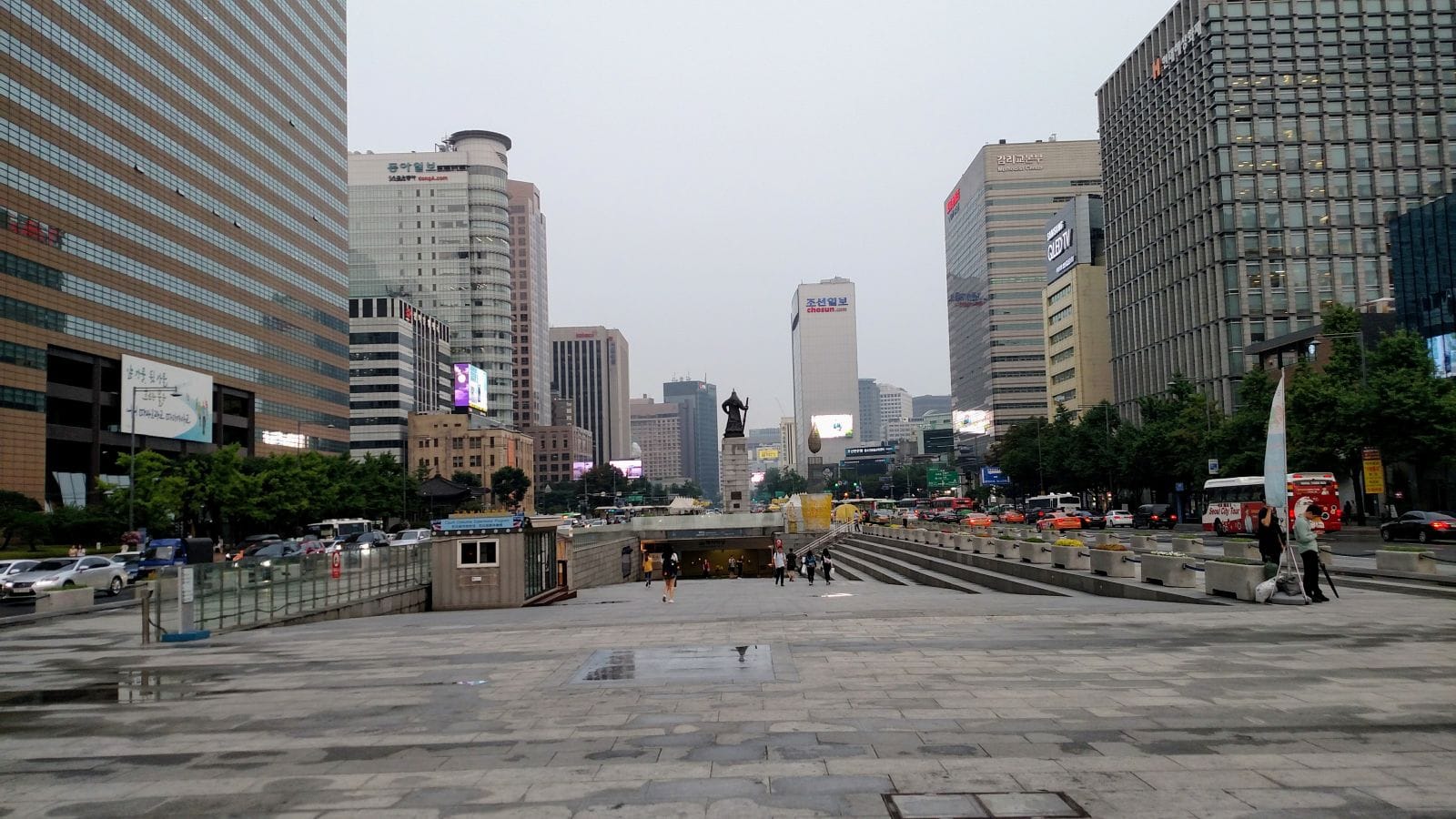
Cities should overhaul their approach to plazas to create places where people can really belong and linger, argues urban researcher Jae Seong Cho, who points to the shortcomings of Seoul’s Gwanghwamun Plaza and Los Angeles’ Grand Park to illustrate his point.
People experiencing homelessness face huge hurdles to owning dogs and other pets while navigating social services. But Caleb Sinéad Shapiro argues it doesn’t have to be this way.
Tabling a second light rail tunnel through Downtown Seattle and redesigning Ballard Link to use the existing tunnel could save $4.5 billion, and Sound Transit has been too quick to dismiss the idea, Scott Kubly argues. The money saved could reduce delays and fund important transit upgrades elsewhere
Rainier Avenue has too many cars traveling at dangerous speeds, but conventional planning practices make it hard to change that and design a future where Rainier Avenue thrives. Let’s stop making harmful assumptions, Anna Zivarts writes.
The Seattle Monorail should serve local residents, not just tourists. Unfortunately, the plan to end transfer credits in 2026 will gouge local riders and discourage ridership. The City should demand that monorail honor transfers between other transit services.
John Burbank looks back to a series of progressive victories that paved the way for the most significant mayoral victory in Seattle over the past 100 years, with Katie Wilson about to take office.
With three “downtown” stations and counting, Sound Transit must overhaul its station naming policy and name its stations less confusingly so that riders can easily navigate a growing system.
Seattle’s proposed police union contract once again fails to deliver even the meager reforms and accountability promised eight years ago, opines Howard Gale. With Seattle City Council set to vote on the contract this month, here’s the case for rejecting it.
A trove of documents obtained from City of Seattle through public disclosure requests shows work is proceeding gradually but steadily inside the transportation department to take advantage of Washington State’s new Shared Streets Law. Pedestrianizing a number of streets could be around the corner.
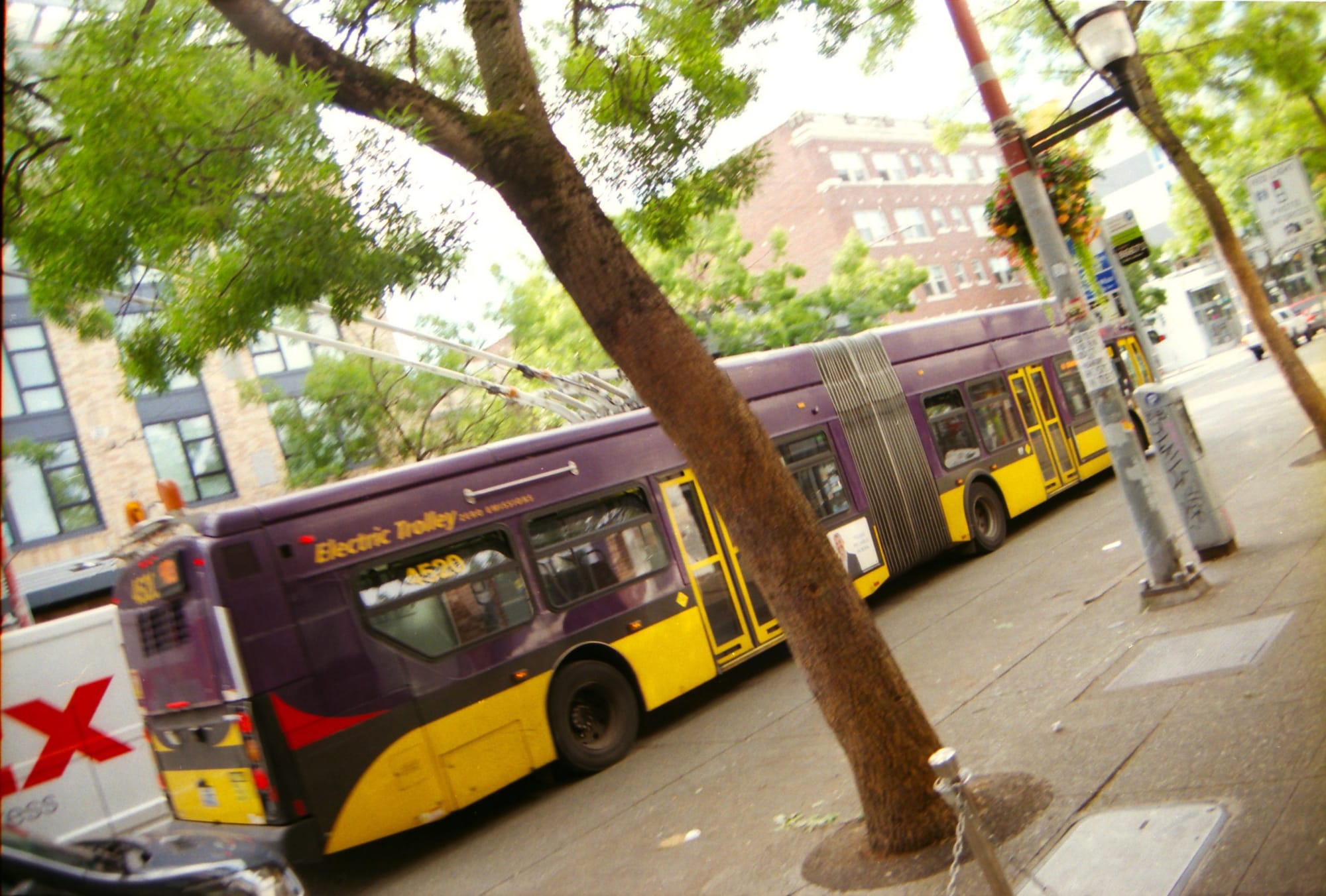
Electric trolley buses remain the premier zero-emissions bus technology. They outperform trendy, newer battery electric buses for several reasons that Nathan Vass lays out.
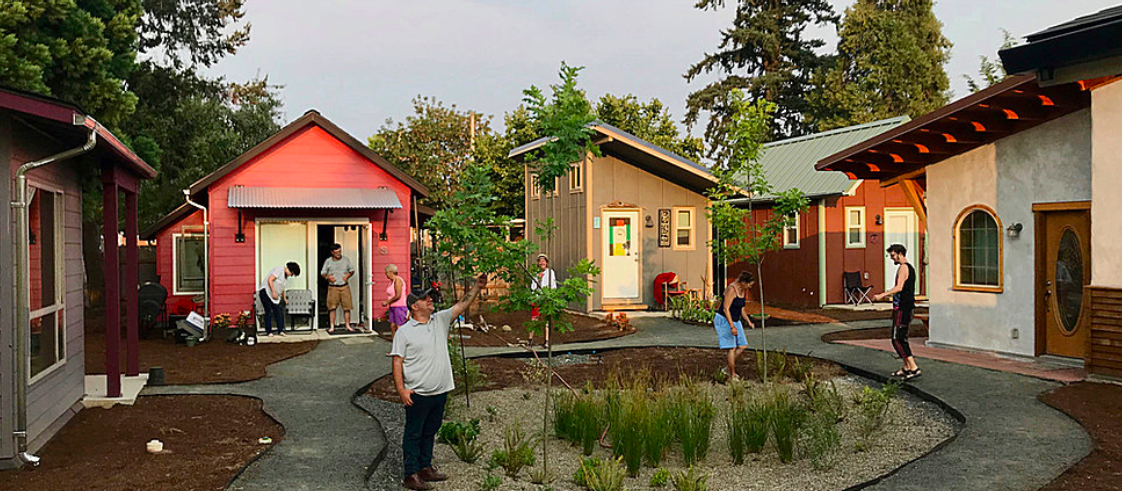
To fill in the gaps in the continuum of care for unhoused neighbors, the Seattle region should deploy mobile tiny house villages, argues Taiwo Adeptun. Managed mobile villages of tiny homes can rotate between eligible locations, providing a rapidly deployable option to get homeless people inside.
Seattle Mayor-Elect Katie Wilson’s transportation platform is bold and visionary, and she will need ongoing community support to achieve it. Seattle Neighborhood Greenways shares some ideas on how she can get started.
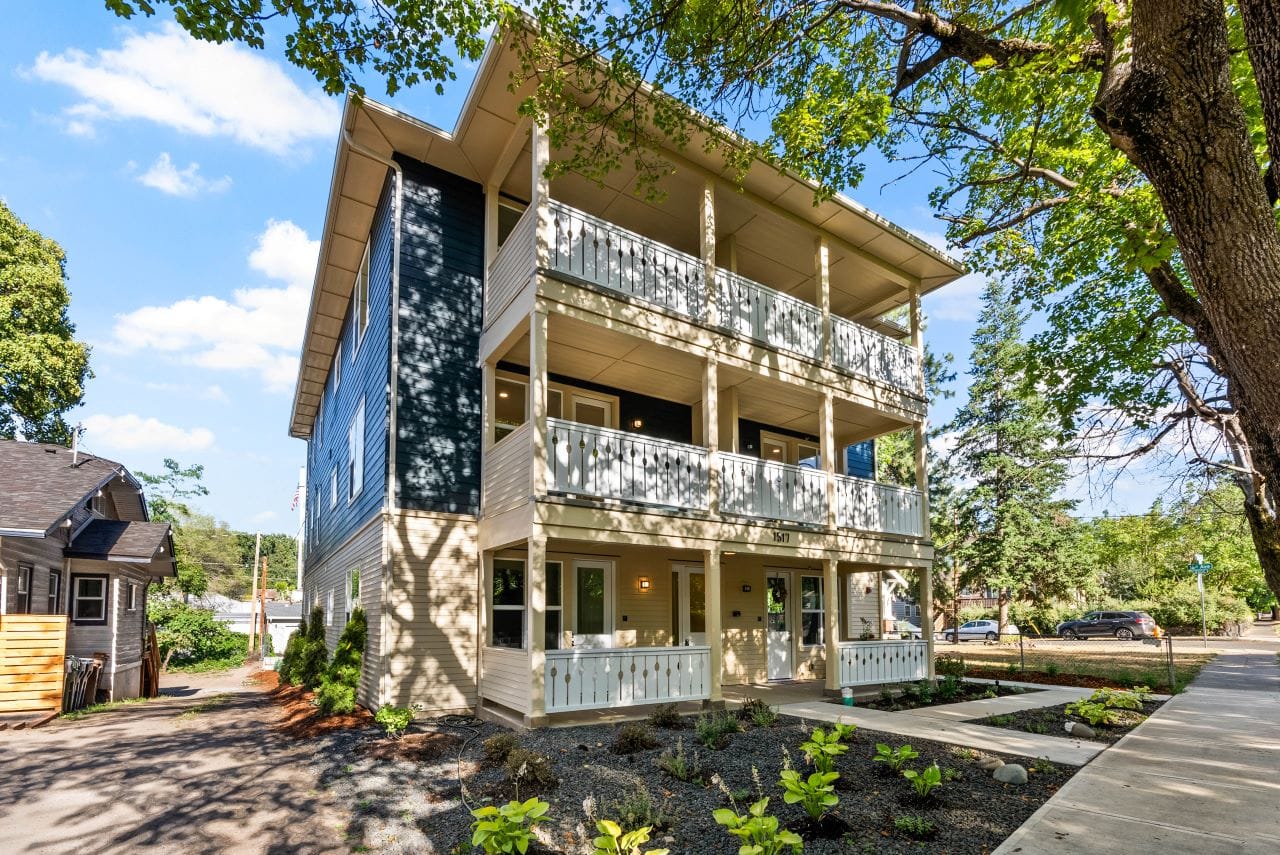
Four case studies show how Seattle’s new middle housing zoning incentives align with demographic shifts to meet housing demand.
The Trump administration is gutting health care, child care, and food stamps. John Burbank argues Governor Bob Ferguson should immediately call a special session of the Washington State Legislature to fund services that the federal government has cut by taxing the corporations and billionaires bankr
An opioid treatment nurse shares why they support Katie Wilson for Seattle Mayor and trust her to address interlinked crises around housing, homelessness, and opiate addiction.
Nathan Vass shares a vignette gleaned from driving buses for King County Metro in Seattle, talking with passengers, and absorbing street life happening around the bus route.
Seattle has a once-in-a-lifetime opportunity to improve public safety outcomes by civilianizing more tasks and focusing police on major crime. That’s what mayoral candidate Katie Wilson’s public safety platform proposes, which Bryan Kirschner argues would be anti-bad guy, pro-good cop, and taxpayer-
Public education advocate Melissa Westbrook breaks down the issues facing Seattle Public Schools as four of seven seats on the school board are up for grabs this election and a new superintendent is about to be installed.
Eddie Lin announced the endorsement of the Washington Working Families Party and shared how the group helped him hone his stance on social housing.
The Urbanist and Tech4Housing are hosting a rally and mega-canvass Sunday in Columbia City for Seattle City Council candidates Alexis Mercedes Rinck, Dionne Foster, and Eddie Lin, City Attorney candidate Erika Evans, and mayoral candidate Katie Wilson. Join us to help put the urbanist slate over the
One local builder lays out the case for passing the City’s Multifamily Tax Exemption Program 7 proposal, which would expand access to a wider pool of renters and encourage participation in the program. The Seattle City Council is set to vote today.
Today, John Feit’s Shoreline Street End series visits South Lake Union. In previous posts, he’s explored street end park spaces all over the city, often hidden gems.
The Union Bay Natual Area is 74 acres of public open space with miles of trails, but the University of Washington has rebuffed advocates pushing to remove a fence and add a trail to improve access. Here’s why they should reconsider.